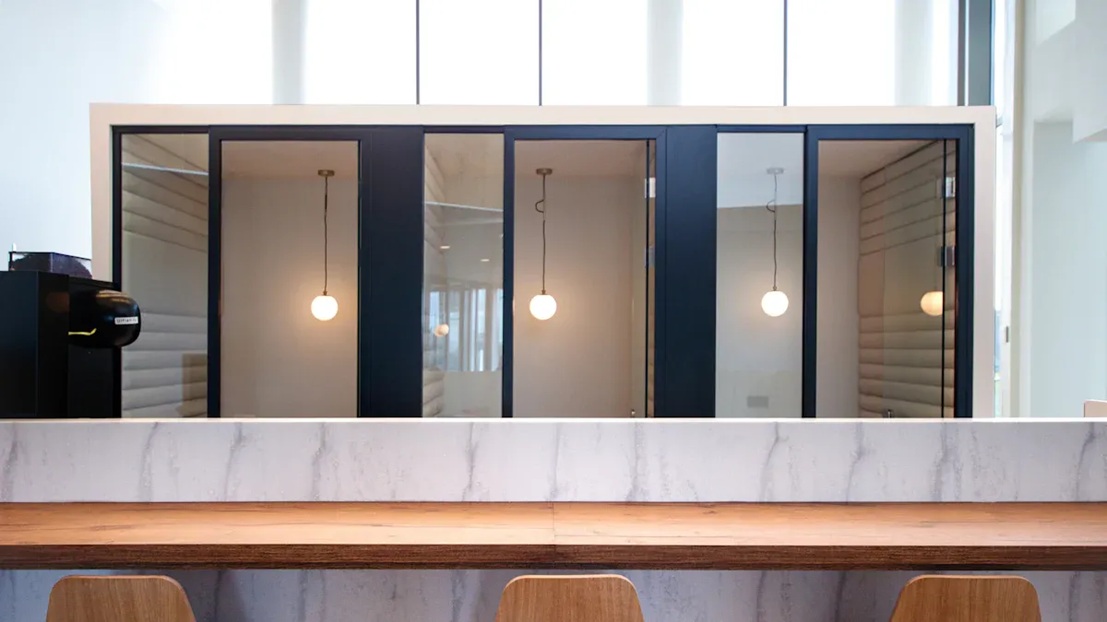
Aluminium Sliding Windows Transform Office Spaces in 2026

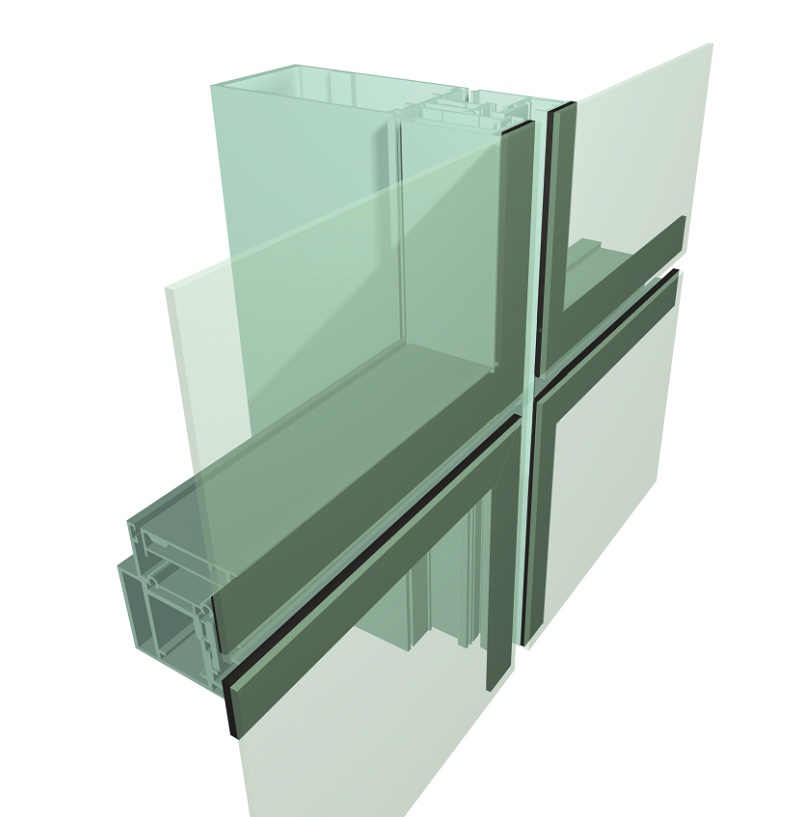
You see how aluminium sliding windows from GUANG YA Aluminium Industries Co., Ltd. change your office environment. These windows bring style and save space. You open and close them with ease, which suits everyone, including those with limited strength. Security improves with strong construction. Comfort increases as you enjoy more natural light and fresh air. These features support modern office design, boost productivity, help employee well-being, and align with sustainability goals.


Key Takeaways

  • Aluminium sliding windows enhance office aesthetics with modern designs, creating a bright and inviting workspace.

  • These windows save space by sliding open, allowing for flexible office layouts and efficient use of floor space.

  • Natural light from aluminium sliding windows boosts employee mood and productivity while reducing energy costs.

  • Strong insulation and sealing features improve comfort and reduce noise, creating a peaceful work environment.

  • Upgrading to aluminium sliding windows offers long-term benefits, including lower maintenance costs and increased security.


Office Aesthetics & Branding


Modern Design Trends

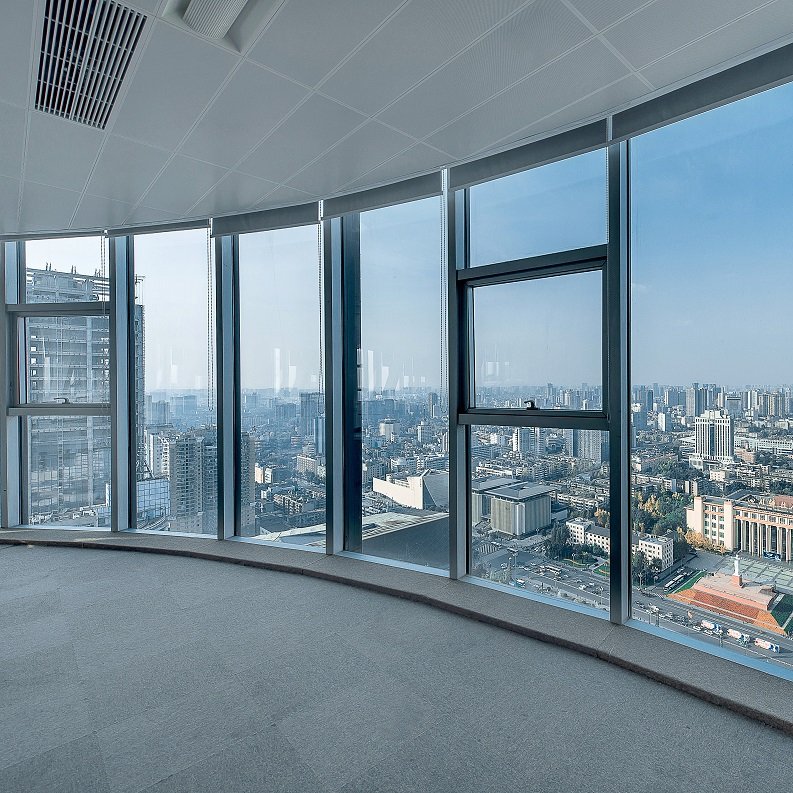
You notice that modern offices in 2026 focus on clean lines, open spaces, and natural light. Aluminium sliding windows help you achieve these goals. You see how the slim frames and large glass panels create a sleek look. This design matches the minimalist style that many companies prefer. You can use these windows to make your workspace feel brighter and more inviting.

Tip: Choose horizontal or vertical sliding windows to match your office layout. Both options offer smooth operation and maximize usable space.

You also find that these windows support flexible layouts. You can rearrange furniture without worrying about window clearance. This flexibility lets you adapt your office to changing needs. You create a modern environment that impresses clients and motivates employees.


Customization for Business Identity

You want your office to reflect your brand. Aluminium sliding windows give you many customization options. You select frame colors that match your company logo. You pick glass finishes that enhance privacy or highlight your brand style. You can even add decorative elements to the windows.

Here is a simple table showing customization choices:

Feature

Options

Frame Color

Custom RAL colors

Glass Finish

Clear, frosted, tinted

Hardware

Brushed, polished, matte

You use these features to create a unique office look. You show your brand personality through design. You make your workspace memorable for visitors and comfortable for your team. Aluminium sliding windows help you build a strong visual identity.


Functionality & Space Efficiency


Aluminium Sliding Windows for Space Saving

You want to make the most of every inch in your office. Traditional windows swing open and take up valuable space. Aluminium sliding windows solve this problem. You slide them open along a track, so you never need to worry about clearance for window sashes. This design lets you place desks, cabinets, or meeting tables right next to the window. You use your floor space more efficiently.

GUANG YA Aluminium Industries Co., Ltd. offers both horizontal and vertical sliding types. You choose the style that fits your office layout. Horizontal sliding windows use rail slots for smooth movement. Vertical sliding windows use pulleys and balancing measures, so you lift or lower the window with little effort. These features make the windows easy to operate for everyone, including elderly employees or those with limited strength.

Tip: If you have a small office or shared workspace, sliding windows help you avoid clutter and keep the area open.

You also notice that the simple sliding mechanism reduces the risk of accidents. No swinging panels mean fewer chances for someone to bump into an open window. You create a safer, more organized environment.


Natural Light & Ventilation

You know that natural light boosts mood and productivity. Aluminium sliding windows have slim frames and large glass panels. You let in more daylight, which brightens your workspace and reduces the need for artificial lighting. You save on energy costs and create a healthier atmosphere for your team.

You also control ventilation with ease. You slide the window open as much or as little as you want. Fresh air flows in, and you adjust the opening to suit the weather or your comfort level. The smooth operation, thanks to rail slots or pulleys, means you do not struggle to open or close the window.

Here is a quick list of benefits you get from natural light and ventilation:

  • Improved focus and energy for employees

  • Lower electricity bills

  • Better air quality

  • A more inviting office environment

You see how aluminium sliding windows combine smart design with practical features. You maximize space, enjoy more daylight, and keep your office comfortable all year round.


Energy Efficiency & Sustainability


Insulation & Sealing Performance

You want your office to stay comfortable throughout the year. Aluminium sliding windows from GUANG YA Aluminium Industries Co., Ltd. help you achieve this goal. These windows use advanced sealing strips that block drafts and prevent air leakage. You notice that double-layer glass provides extra insulation. This feature keeps your workspace warmer in winter and cooler in summer. You reduce your reliance on heating and cooling systems.

Noise insulation matters in busy cities. You hear less street noise when you install these windows. The double-layer glass and tight seals create a quiet environment. Your team focuses better and feels less distracted. You see how these features support productivity and well-being.

Note: You can easily maintain the sealing strips and glass. Regular cleaning keeps the windows performing at their best.

Here are some benefits you gain from strong insulation and sealing:

  • Lower energy bills

  • Consistent indoor temperature

  • Reduced noise pollution

  • Improved comfort for everyone


Green Certifications

You care about sustainability and want your office to meet green standards. Aluminium sliding windows support your goals. The materials used in these windows are recyclable. You choose products that help reduce environmental impact. Many offices seek certifications like LEED or WELL. These certifications require energy-efficient features and sustainable materials.

You find that GUANG YA Aluminium Industries Co., Ltd. designs windows to meet these requirements. You show your commitment to eco-friendly practices. You attract clients and employees who value sustainability. You build a reputation for responsible business.

Tip: Ask your supplier about certification support and documentation. This step helps you streamline the process for green office recognition.

You see how aluminium sliding windows combine performance and sustainability. You create a workspace that saves energy, reduces waste, and supports your environmental goals.


Comfort & Security


Noise Reduction

You want a quiet office where your team can focus. Aluminium sliding windows help you achieve this goal. The double-layer glass and advanced sealing strips block outside noise. You hear less traffic, construction, or street sounds. Your workspace feels calm and peaceful.

Note: A quieter office helps reduce stress and supports better concentration for everyone.

You notice the difference right away. Meetings run smoother. Phone calls sound clearer. You create an environment where productivity thrives.


Safety Features

You care about the safety of your office. Aluminium sliding windows from GUANG YA Aluminium Industries Co., Ltd. use robust construction. The strong frames and secure locking systems protect your workspace. You make it harder for anyone to force entry from the outside.

Here are some key safety features you benefit from:

  • Durable aluminium frames resist bending and breaking.

  • Secure locks keep windows closed and safe.

  • Tight seals prevent tampering.

You feel confident knowing your office is protected. You also appreciate that these windows are easy to operate in emergencies. You can open them quickly if you need to exit the building fast.


Easy Maintenance

You want windows that stay clean and work well with little effort. The simple structure of aluminium sliding windows makes maintenance easy. You wipe the glass and frames with a damp cloth. You check the sealing strips and replace them if needed.

Here is a quick maintenance checklist:

Task

How Often

Tools Needed

Clean glass

Monthly

Soft cloth, water

Wipe frames

Monthly

Damp cloth

Check seals

Every 6 months

Visual check

Lubricate tracks

Yearly

Silicone spray

You save time and money on upkeep. The windows keep looking new and working smoothly for years. You avoid complicated repairs and enjoy peace of mind.

Tip: Regular maintenance extends the life of your windows and keeps your office comfortable.

You see how comfort and security go hand in hand with aluminium sliding windows. You create a safe, quiet, and easy-to-maintain workspace that supports your business every day.


Installation & Value


Upgrading Office Windows

You decide to upgrade your office windows. Aluminium sliding windows from GUANG YA Aluminium Industries Co., Ltd. make this process straightforward. You choose the window type that fits your space—horizontal or vertical sliding. You measure your existing window openings. You select the frame color and glass finish that match your office design.

Professional installers handle the rest. They remove old windows and prepare the openings. They fit the new aluminium sliding windows securely. You see how the rail slots and pulleys ensure smooth operation. You notice that the installation causes minimal disruption to your daily work. You return to a brighter, more comfortable office almost immediately.

Tip: Schedule installation during off-hours to avoid interrupting your team’s productivity.

You benefit from a quick upgrade. You enjoy improved aesthetics, better insulation, and enhanced security right away.


ROI & Long-Term Benefits

You invest in aluminium sliding windows for your office. You want to know the return on investment (ROI). These windows deliver value in several ways:

  • You reduce energy bills with better insulation.

  • You save money on maintenance because the windows are easy to clean.

  • You boost employee productivity with more natural light and less noise.

  • You enhance your office’s security, protecting valuable assets.

Here is a simple table showing long-term benefits:

Benefit

Impact

Energy Savings

Lower monthly costs

Maintenance

Less time and expense

Productivity

Higher employee performance

Security

Reduced risk of break-ins

You see that aluminium sliding windows pay for themselves over time. You create a workspace that supports your business goals. You attract clients and retain talent with a modern, comfortable office. You future-proof your investment and enjoy peace of mind.

Note: Regular maintenance keeps your windows performing at their best and maximizes your ROI.


You see how aluminium sliding windows from GUANG YA Aluminium Industries Co., Ltd. change your office. You improve style, save space, and boost comfort. You increase energy efficiency and security. You create a modern workspace that supports productivity and well-being.

Consider upgrading your office with these windows. You future-proof your business and make your space stand out.

  • Enhance aesthetics

  • Maximize functionality

  • Support sustainability


FAQ

How do you operate aluminium sliding windows?

You slide the window along a track. Horizontal windows move left or right. Vertical windows lift up or down. The rail slots and pulleys make the movement smooth and easy for everyone.


What maintenance do aluminium sliding windows require?

You clean the glass and frames with a soft cloth. You check the sealing strips every six months. You lubricate the tracks once a year. Regular care keeps your windows working well.

Tip: Simple maintenance extends the life of your windows.


Can you customize aluminium sliding windows for your office?

You select frame colors, glass finishes, and hardware styles. Customization helps you match your office branding and design preferences.

Customization Option

Example Choices

Frame Color

Custom RAL colors

Glass Finish

Clear, frosted, tinted


What are the main benefits of aluminium sliding windows in offices?

You save space, improve natural light, and boost security. You enjoy easy operation and low maintenance. These windows help create a comfortable, modern workspace.

Best sliding window aluminum profile brands for durability and style

Looking for the best sliding window aluminum profile brands? You have many good choices. Some brands are panoramah!®, Reynaers Aluminium, VITROCSA, SCHÜCO, Wellste, Bunniemen, BOR USA, Guang Ya Aluminium, and JL Group. You want your sliding windows to last a long time. You also want them to look nice. See why durability and style are important when choosing aluminum door and window profiles:

Aspect

Insight

Energy Efficiency Rating

Well-insulated frames can save up to 60% energy.

Durability

Aluminum can last more than 30 years with little care.

Market Trend

People want modern looks and flexible designs more now.


Key Takeaways

  • Pick aluminum profiles made with strong alloys like 6060, 6061, or 6063. These alloys last long and do not rust easily.

  • Find brands that follow important rules and have certificates like ISO and CE. This helps make sure the products are safe and good quality.

  • Choose finishes that fit your style, like anodizing or powder coating. These finishes make your windows look better.

  • Think about designs that save energy. These can help you save up to 60% on heating and cooling bills.

  • Check what other customers say and see if the brand is trusted. This helps you pick profiles that work well for you.


Criteria for Sliding Window Aluminum Profile Selection

Durability Factors

If you want your sliding window aluminum profile to last, you need to think about a few things. The alloy composition and purity are important. Alloys like 6060, 6061, and 6063 make frames strong and help stop corrosion. These alloys also help your window handle daily use and weather changes.

The surface finish matters too. Anodized or powder-coated finishes add a tough layer. This layer protects the aluminum from scratches and rust. Sometimes, this layer can fix itself if it gets damaged. Profiles with even wall thickness and straight lines work better and look nicer.

Industry standards are also important. Good brands follow ISO, BS, and PAS rules. These standards help your sliding window aluminum profile stay safe and work well.

Tip: Ask your supplier about certifications. This can help you avoid problems later.


Style Considerations

You want your window to look nice and fit your space. Modern sliding window aluminum profile brands have lots of design choices. You can pick different profile thicknesses and hardware styles. Some profiles even have smart home features. Some come with built-in blinds or shades for extra convenience.

Finishes are important too. You can choose anodizing, powder coating, or wood grain transfer printing. These finishes help your window match your home’s style. You might like classic silver, bold black, or a warm wood look.

Finish Type

Description

Anodizing

Hard, colorful oxide layer—silver, black, bronze, and more.

Powder Coating

Durable, weather-resistant, and available in over 200 colors.

Wood Grain Transfer Print

Realistic wood look with the strength of aluminum.

Customization is popular in modern architecture. Many brands use the RAL color system. This lets you match your window to your building’s colors. You can also add special branding or design themes for a personal touch.

Note: Style is not just about looks. Good design helps your window work better and makes your space more comfortable.


Leading Brands Overview

Brand Comparison Table

You want to choose the best sliding window aluminum profile. Each brand has something special. Some brands look very modern and European. Others focus on making windows strong and quiet. I remember a hotel that used a stylish European window system. It looked great at first. Later, guests said there were drafts and noise. This shows not all brands work the same. You should think about both style and how well the window works.

Here is what you should check when you compare brands:

Brand

Durability

Style Options

Certifications

Innovation

Customer Reviews

panoramah!®

High

Modern

ISO, CE

Yes

Excellent

Reynaers

High

Versatile

ISO, CE

Yes

Very Good

VITROCSA

High

Minimalist

ISO, CE

Yes

Excellent

SCHÜCO

High

Contemporary

ISO, CE

Yes

Very Good

Wellste

Good

Customizable

ISO

Some

Good

Bunniemen

Good

Modern

ISO

Some

Good

BOR USA

Good

Classic

ISO

Some

Good

Guang Ya

Good

Flexible

ISO

Some

Good

JL Group

Good

Modern

ISO

Some

Good


Selection Criteria

You want to know why these brands are on the list. Here are the main things to look for:

Criteria

Description

Reputation

The brand’s history and what people say matter for trust.

Product Range

Many choices mean the brand can help more customers.

Customer Reviews

Reviews show if the supplier gives good products and service.

Innovation

Brands that try new ideas often have better products.

Quality Certifications

Certifications like ISO 9001 mean the brand cares about quality.

Supplier Reliability

A good supplier delivers on time and helps after you buy.

  • Reviews and stories from customers tell you what to expect.

  • Picking a trusted brand means you get safer and better products.

  • Brands with ISO 9001 and CE certifications care about safety and quality. This helps your sliding window aluminum profile last longer and work better.

Tip: Always ask for proof of certifications before you buy. This can help you avoid problems later.


panoramah!® Sliding Window Aluminum Profile

Brand Highlights

You want your window to look special. panoramah!® can help with that. This brand is known for very thin frames and big glass panels. You get a great view and lots of sunlight. Many architects like panoramah!® because it fits well in modern places. These windows work in homes, offices, and hotels. The design is simple but feels fancy. The frame is so thin that you mostly see the glass.

If you want your room to feel open and bright, panoramah!® is a good pick.


Durability Features

panoramah!® is not just stylish. It is also strong and lasts long. The company uses smart engineering to make windows tough. Here are some things that make these profiles durable:

Feature

Description

Structural Characteristics

Very thin aluminum profiles make windows strong and allow big glass areas.

Self-Supporting Glass

The glass holds itself up, so the frame does not get weak.

Integration of Metal Frame

The metal frame hides in walls, floors, or ceilings, so weather does not hurt it.

The frame is sturdy and does not bend easily. The glass supports itself, so the frame does not break. This helps your window last longer, even in bad weather. The frame is hidden, so rain and sun cannot damage it.


Style Options

You have lots of choices with panoramah!®. The brand has many finishes to match your room. You can pick classic colors or bright ones. The thin frame lets you see more outside. You can choose sliding panels that move quietly and smoothly. Some models let you open a whole wall. If you want a modern style, you can find it here.

  • Pick matte, shiny, or metallic finishes.

  • Choose panel sizes that fit your room.

  • Add smart features like motor opening or hidden handles.

Want a window that looks cool and works well? panoramah!® gives you both style and strength.


Reynaers Aluminium Sliding Window Profiles

Brand Highlights

You want a brand that is good at both design and performance. Reynaers Aluminium gives you both. This company is known for making sliding windows that work well in many places. You can use them in homes, offices, and public buildings. Their products look nice and are made with smart engineering. Reynaers wants your space to feel open and bright. Many architects pick Reynaers for modern projects that need to look good and last long.

If you want a sliding window that moves easily and looks great, Reynaers is a smart pick.


Durability Features

You want your windows to last a long time. Reynaers uses strong materials and new technology to make their windows tough. The company tests its profiles to make sure they can handle bad weather and last for years. You can feel safe knowing your windows will stand up to rain, wind, and sun.

Here is a table of certifications for Reynaers sliding window profiles:

Certification Type

Products Offered

Cradle to Cradle® Certified

MasterLine 8, MasterLine 10, SlimLine 38, ConceptSystem 77, MasterPatio, HiFinity

These certifications show Reynaers cares about safety, strength, and the planet. You can trust your aluminum window will last many years and not need much care.


Style Options

You want your windows to look good in your space. Reynaers has many designs, so you can find what you like. You can pick simple frames or choose a steel look. Some profiles look like old wooden windows with fancy edges. You can also pick hidden vents and hardware for a smooth finish.

Here are some special style features:

Design Variant

Description

Functional and Cubic

Simple and clean look that fits any building.

Classic and Ferro

Steel style, good for new or old buildings.

Renaissance, Deco, Softline

Looks like old wood windows with detailed edges.

Hidden vent

Makes the window look fixed and neat.

Concealed hardware

Hides parts inside the frame for a clean look.

Low and zero-threshold

Makes rooms easier to enter and brings in more light.

Slim chicane

Thin profile lets you see more outside and get more daylight.

You can mix these options to make a window that fits your home or office. Reynaers helps you get both style and good use.

Tip: Try slim frames with a low threshold for a modern look and easy entry.


VITROCSA Sliding Window Aluminum Profile

Brand Highlights

Do you want a window that is almost invisible? VITROCSA can give you that. This brand is known for its simple look and smart design. You see lots of glass and only a little frame. Your room feels bigger and brighter. Many architects like VITROCSA for modern homes and offices. The design is clean and never messy. If you want your window to blend in, VITROCSA is a great pick.

Want your guests to be amazed? VITROCSA’s smooth style makes any room look fancy.


Durability Features

You want your window to last through storms and heat. VITROCSA makes strong profiles that last many years. The company uses smart ideas and tough materials. This helps your window work well for a long time. Here are some things that make these profiles strong:

Durability Advantage

Description

Structural Integrity

The profiles keep their shape and strength for many years.

Weather Resistance

They can handle bad weather and keep working well.

Innovative Design Features

Stainless-steel roller bearings and self-draining systems help the window work better.

Stainless-steel roller bearings help the panels slide easily. The self-draining system keeps water out. Your window stays dry inside. These features mean you worry less and use your window longer.

Tip: Ask your installer about VITROCSA’s weather resistance if you live where the weather is tough.


Style Options

You want your window to fit your style and needs. VITROCSA has cool features that make your space special:

  • Insulated invisible frame hides the whole frame around the glass.

  • Single-track design lets you open big spaces and get lots of light.

  • Minimalist look shows very little frame, so you see more outside.

  • Works with different glass types and climates, so you have choices.

  • Custom solutions for your project, so you get what you want.

You can pick big glass panels or small ones. The design works for homes, offices, or hotels. VITROCSA helps you make your space feel modern and open.

Note: If you want a window that looks simple but feels special, VITROCSA gives you many choices.


SCHÜCO Aluminum Door and Window Profiles

Brand Highlights

You want a brand that stands out for both looks and performance. SCHÜCO gives you that. This company has a strong reputation for making high-quality door and window systems. You see their products in homes, schools, and big office buildings. SCHÜCO focuses on smart engineering and modern design. You get windows that look sleek and work smoothly. Many architects trust SCHÜCO because the brand always delivers reliable results.

If you want your space to feel safe and stylish, SCHÜCO is a name you can count on.


Durability Features

SCHÜCO builds products that last. You get strong frames and advanced technology. The company tests its systems to make sure they meet tough standards. Here are some ways SCHÜCO proves its durability:

  • European CE marking under EN 14351-1 shows SCHÜCO meets strict safety rules.

  • North American NFRC ratings confirm high thermal performance.

  • Miami-Dade NOAs mean SCHÜCO profiles can handle hurricanes.

  • Thermal break technology and triple glazing help keep your home warm or cool.

  • Independent testing from NFRC and Passive House Institute gives you real proof of quality.

You can trust SCHÜCO to protect your home from weather and wear. Their aluminum frames stay strong for years, even in tough conditions.


Style Options

SCHÜCO offers many choices for sliding window profiles. You can pick a style that matches your taste and needs. Here’s a quick look at some popular options:

Style Option

Features

Schüco ASS 50

Narrow face widths, large vents, thermal insulation, many fittings, burglar-resistant, minimalist profile

Schüco ASS 70 FD

Bi-fold system, flat threshold, opens inward or outward, elegant design, burglar-resistant, minimalist profile

Schüco ASS 39 PD.NI

Floor-to-ceiling glass, handle-free operation, maximum transparency, elegant look, burglar-resistant, minimalist

You can choose wide glass panels for more light or slim frames for a modern feel. SCHÜCO lets you mix and match features to create the perfect window for your space.

Want a window that looks great and keeps you comfortable? SCHÜCO gives you plenty of options to explore.


Wellste Aluminum Profiles for Windows and Doors

Brand Highlights

You want a brand that listens to what you need. Wellste is known for giving flexible choices for many projects. Their products are used in homes and offices. Big buildings also use Wellste profiles. People from many countries trust Wellste for strong profiles. They also like the good service. If you need custom orders or big shipments, Wellste is a smart pick.

Many people say Wellste profiles last long and look nice anywhere.


Durability Features

You want your profiles to stay strong for many years. Wellste uses high-quality alloys and smart ideas to make this happen. Here is what makes their products special:

Alloy Type

Durability Feature

Description

6063

High durability

Good for strength and easy to shape, especially after heat treatment.

6061

Easy handling

Simple to shape and great for building things.

Surface Protection

Rust prevention

Special layer stops rust, even in bad weather.

Wellste profiles can bend and hold heavy things without breaking. You can trust your window will not fail when you need it. Many customers from different places say Wellste profiles last and work well.

  • Strong and lasts a long time

  • Many customers give good reviews

  • Works for all kinds of projects


Style Options

You want your space to look the way you like. Wellste gives you many choices for color and finish. You can pick from about 200 RAL colors. This makes matching your style easy. Powder coating gives a clean and tough finish. Anodizing with polished or brushed looks gives a fancy style. PVDF and electrophoresis coatings add more choices for strong and energy-saving finishes.

Style Choice

Description

Appeal to Customer Segments

RAL Color

About 200 colors for many design choices

Good for people who want custom looks

Powder Coating

Clean, strong, and keeps out bad weather

Great for easy care and long life

Anodizing

Shiny or brushed for a fancy look

Best for luxury projects

PVDF & Electrophoresis

Extra protection and style

Good for buyers who care about energy

You can ask for special finishes or custom designs. Wellste makes it easy to get the look you want for your project.


Bunniemen Sliding Window Aluminum Profile

Brand Highlights

You want a sliding window that makes your home feel safe and comfortable. Bunniemen gives you that. This brand stands out because it focuses on what you need every day. You get a product that blocks noise and keeps bugs out. Many people like Bunniemen because it offers strong profiles and simple designs. You can use these windows in homes, schools, or offices. The company also gives you a long warranty, so you feel confident about your choice.

Looking for a window that does more than just open and close? Bunniemen helps you enjoy peace and quiet inside your space.


Durability Features

You want your window to last for years. Bunniemen uses high-quality aluminum to make sure of that. The profiles feel solid and resist bending. You also get extra features that protect your home from weather and noise. Take a look at what makes Bunniemen profiles strong:

Feature

Description

Material

Aluminum

Function

Soundproof, Insect control

Warranty

More Than 5 Years

Advantage

Heat Insulation, Waterproof

Profile Thickness

2.0mm-2.5mm

The thick profiles help block out sound and keep your rooms quiet. You also get heat insulation, so your home stays cool in summer and warm in winter. The waterproof design means you do not have to worry about leaks during heavy rain. Bunniemen gives you a window that stands up to daily use and tough weather.

Tip: Ask about the warranty when you buy. A long warranty shows the company trusts its products.


Style Options

You want your home to look good. Bunniemen offers simple and modern styles that fit many spaces. You can pick from different frame colors to match your walls or furniture. The slim design lets in more light and gives your room a fresh look. You can also choose screens that keep insects out without blocking your view. Bunniemen makes it easy to find a style that works for you.

  • Choose from several frame colors

  • Pick a slim or classic profile

  • Add insect screens for comfort

If you want a window that looks neat and works well, Bunniemen gives you plenty of choices.


BOR USA Aluminum Extrusion Profiles

Brand Highlights

You want a brand that understands American building needs. BOR USA stands out because it makes profiles right here in the United States. You get products that meet local standards and work well for both homes and businesses. Many builders trust BOR USA for their reliable supply and quick delivery. You can talk to their team and get help with your project. If you need a custom size or shape, they can make it for you. This brand focuses on making your job easier.

Tip: If you want to support American manufacturing, BOR USA is a smart choice.


Durability Features

You want your profiles to last for years. BOR USA uses high-quality materials and advanced machines to make strong products. The company tests every profile to make sure it meets tough standards. You get frames that resist rust and stay straight, even in bad weather. The finish protects against scratches and fading. You do not have to worry about your window looking old after a few seasons.

Here’s a quick look at what makes BOR USA profiles durable:

Feature

Benefit

High-Grade Alloys

Strong and long-lasting

Anodized Finishes

Stops rust and fading

Precision Engineering

Keeps shape and fits perfectly

Weather Resistance

Handles rain, sun, and wind

You can count on these profiles for both safety and peace of mind.


Style Options

You want your space to look just right. BOR USA gives you many choices for color and finish. You can pick from classic silver, bold black, or even custom colors. The company offers different shapes and sizes to fit your design. You can choose slim frames for a modern look or thicker ones for a classic style. If you want your window to stand out, you can ask for special finishes or unique designs.

  • Choose from a wide range of colors

  • Pick the profile shape that matches your style

  • Ask about custom options for a unique look

BOR USA helps you create a space that feels like home.


Guang Ya Aluminium Sliding Window Profiles

Brand Highlights

You want a sliding window that feels modern and strong. Guang Ya Aluminium gives you both. This brand has a big name in the industry because it offers reliable products for homes and offices. You can trust Guang Ya to deliver profiles that look good and last a long time. Many builders and designers choose this brand when they want something that fits today’s styles. You get options that match new trends and make your space feel fresh.

If you want a window that stands out and works well, Guang Ya Aluminium is a smart choice.


Durability Features

You care about how long your window will last. Guang Ya Aluminium puts every profile through tough tests to make sure you get the best. The company checks the material, strength, and how well the surface holds up. You can see how serious they are about quality in the way they test their products.

Here’s a look at the main durability tests:

Testing Method

Purpose

Material Analysis

Checks the quality and mix of the aluminum.

Mechanical Testing

Tests how strong and tough the profile is.

Salt Spray Testing

Sees how well the profile fights off rust.

Cross-Cut Testing

Checks if the surface coating stays on.

Cupping Test

Looks at how well the profile can bend without breaking.

Artificially Accelerated Aging Test

Shows how long the profile lasts over time.

Salt Spray Corrosion Resistance Test

Gives more info about rust resistance.

UV Weather Resistance Test

Tests how the profile stands up to sunlight.

You get peace of mind knowing your window can handle rain, sun, and daily use.


Style Options

You want your space to look just right. Guang Ya Aluminium gives you lots of choices to match your taste. You can pick from many colors, glass types, and shapes. The brand lets you design a window that fits your home or office perfectly.

  • Choose from customizable colors to match your room.

  • Try decorative glass for a special touch.

  • Pick narrow profiles for a modern look.

  • Go for expansive glass if you love lots of light.

  • Ask for custom configurations to fit your space.

  • Enjoy styles that work with today’s indoor decoration trends.

You can make your window as simple or as bold as you want. Guang Ya Aluminium helps you create a space that feels new and stylish.


JL Group Aluminum Door and Window Profiles

Brand Highlights

You want a profile that feels reliable and looks good in any space. JL Group gives you that. This brand has built a strong reputation for making products that work well in homes, offices, and commercial buildings. You get a mix of modern design and practical features. JL Group listens to what customers need and keeps up with new trends. If you want a sliding window that fits your style and lasts for years, JL Group is a smart choice.

Looking for a profile that matches both classic and modern spaces? JL Group offers options that blend in or stand out, depending on what you want.


Durability Features

You want your sliding window to stay strong and look good for a long time. JL Group uses aluminum to make profiles that handle daily use and tough weather. Here’s what makes these profiles durable:

  • You get about 2.5 times more strength than traditional wooden doors, so your window resists impacts and keeps your space secure.

  • Aluminum does not warp, swell, or crack when the weather changes. Your window keeps its shape and works smoothly, even in extreme conditions.

  • You spend less time on repairs and cleaning. Aluminum needs little maintenance, so you save effort and money.

  • These profiles last for years. You can trust your window to perform well and stay sustainable, no matter where you live.

Tip: If you want a window that stands up to storms and daily use, JL Group’s aluminum profiles are a solid pick.


Style Options

You want your window to match your home’s look. JL Group gives you plenty of choices. You can pick a modern and simple appearance that fits many decoration styles. These profiles work especially well in minimalist homes. You also get to choose how your window opens:

  • Vertical sliding aluminum windows

  • Horizontal sliding windows

  • Two-track aluminum sliding window sections

You can mix and match these options to create a window that fits your space perfectly. JL Group makes it easy to find a style that feels right for you.

Want a window that looks fresh and works smoothly? JL Group helps you get the look and function you need.


Choosing the Right Sliding Window Aluminum Profile Brand

Assessing Durability Needs

Start by thinking about how tough you need your sliding window to be. If you live in a place with lots of rain or strong sun, you want a profile that can handle it. Look for aluminum profiles that resist rust and corrosion. Some brands offer thicker frames or special coatings that last longer. You should also check if the window has a thermal break. This feature helps keep your home warm in winter and cool in summer. Energy-efficient windows can lower your heating and cooling bills by up to 30%. Ask about certifications or tests that show the window will last for years.

Tip: Always ask your supplier about maintenance. Some profiles need less cleaning and care than others.


Matching Style to Your Project

You want your window to look good in your space. Think about the style of your home or building. Do you like a modern look with slim frames, or do you want something classic? Many brands offer different colors, finishes, and shapes. Some even let you pick custom designs. Make sure the profile matches the rest of your room. If you want a special feature, like hidden handles or built-in blinds, ask about those options. The right style can make your space feel brighter and more open.

  • Consider the architecture of your building.

  • Choose finishes and colors that fit your taste.

  • Look for extra features that add comfort or style.


Budget and Value

Set your budget before you shop. Standard profiles usually cost less than custom ones. Think about what matters most to you—do you want the best look, the longest life, or the lowest price? Sometimes, spending a little more now means you save money later because you get better performance and less maintenance. Compare prices, but also check what you get for your money. Ask for quotes from different suppliers. If you feel unsure, talk to a professional or a trusted supplier. They can help you find the best value for your needs.

  • Compare standard and custom options.

  • Balance cost with features and durability.

  • Get advice from experts if you need help.


You have many great choices for sliding window aluminum profiles. Brands like panoramah!®, Reynaers, and SCHÜCO give you both style and strength. When you pick a profile, think about price, how well it keeps heat in, and if it fits your space. Here’s a quick guide:

Factor

Why It Matters

Price

Stays within your budget

Aesthetics

Matches your style

Durability

Lasts for years

Size/Function

Fits your window and works well

Pick what matters most to you, and you’ll find the perfect window!

Emerging Trends in Aluminum Folding Profiles for 2026


You can see big changes coming to aluminium folding profiles in 2026. Simple designs, saving energy, and smart technology are the most important aspects. Companies are utilizing new aluminium alloys and machines to work faster, which also benefits the environment. People desire thin aluminium frames for larger glass panels, facilitating easy movement between inside and outside spaces. Smart features like motorized parts and IoT integration enhance convenience. The table below illustrates how these changes impact cost, speed, and eco-friendly initiatives.

Trend Description

Implication

Advanced manufacturing innovations, including precision automation and smarter prototyping workflows

Will make products faster and help factories work better.

Increased tariffs on imported prime aluminium

Has made it more expensive to manufacture aluminium parts, leading to higher prices.

Focus on sustainability and near-net-shape extrusion

Aims to reduce waste and save money, which is beneficial for the planet.

Rising demand for miniature, tight-tolerance extrusions

More sectors, including aerospace, medical, defense, and industry, are seeking these, resulting in market growth.

Importance of fast lead times, design support, and turnkey fabrication

Essential for assisting with new and complex products, indicating that customers are seeking more.


Keeping up with these changes helps you adhere to new regulations and create better commercial aluminium folding profiles.


Tech Innovations in Aluminum

Advanced Alloys

Big changes are happening with aluminum alloys for folding profiles. These alloys help make better parts for cars, planes, and electronics. The 7003-series alloys work well for battery trays in new energy vehicles. They stretch up to 18% and stay strong above 280 MPa. These alloys make extrusion easier and more dependable.

  • High-end alloys make extrusion smoother for folding profiles.

  • You get aluminum parts that are strong and light.

  • These alloys fight rust, so products last longer in harsh places.

  • You can use them for planes, wind turbines, and boats.

New studies show advanced aluminum alloys make parts stronger and lighter. This is important for planes because lighter parts save fuel. Aluminum has a natural layer that protects against rust. Wind turbines at sea use these alloys to last 20% longer than other materials.


Precision Forming

Precision forming helps you make acoustic insulation aluminium folding window profiles with exact sizes. New machines and digital controls shape aluminum just right. This method makes extrusion more accurate and cuts down on waste.

  • You can make tiny extrusions for medical and plane parts.

  • Automation lets you switch production lines fast.

  • You get more choices to fit what customers want.

Tip: Precision forming saves time and money. You avoid errors and get the same quality every time.


Smart Integration

Smart technology changes how you design and use aluminum folding profiles. You add motorized parts and IoT features to make products easier to use. Automation and digital tools help you work faster and keep up with market needs.

Metric

Improvement Percentage

Production Rate Increase

Up to 40%

Cycle Time Reduction

About 30%

Throughput Increase

35%


You see these gains because automation does repeated jobs. You can make more or less as needed. Fast changes to extrusion lines let you offer many aluminum products quickly.

  • Smart integration makes things easier for users.

  • You can watch and control folding profiles from far away.

  • You react faster to new trends and what customers want.

New ideas in aluminum extrusion and smart tech help you stay ahead. You make folding profiles that are strong, flexible, and work well.


Sustainable Aluminum Design

Low-Carbon Production

You can help the planet by using low-carbon ways to make aluminum folding profiles. Factories now use recycled materials and smart machines to lower pollution. The table below shows how each method affects the environment:

Production Method

Carbon Emission (eCo₂/kg)

Recycled Material Percentage

Ultra Low Carbon billet

1.24

85%

Low Carbon billet

2.9

65%

Standard billet primary

5.7

N/A


More factories melt used aluminum instead of making new metal. This saves 95% more energy than using bauxite. Many companies collect scrap before products are finished to make melting better. New melting and casting machines use natural gas to help the planet. Energy-saving extrusion lines help you waste less and save money.

Automation in extrusion can cut CO2 and energy use by 30%. IoT and AI can lower perfluorocarbon emissions by 60%. You also get fewer stops in work, which helps the environment.


Thermally Broken Profiles

Thermally broken aluminum profiles have a special layer between the frames. This layer stops heat from moving through the metal. You get better insulation, so buildings stay warmer in winter and cooler in summer. These profiles help you save energy and spend less money.

  • You need less heat in winter and less air in summer.

  • Buildings stay comfy all year.

  • You pay less for energy bills.

  • Green building design uses these profiles to meet passive standards.

Thermally broken profiles stop heat from escaping. You can make spaces that feel better and use less energy. These new ideas make aluminum a good choice for modern buildings.


Circular Economy

You can help the circular economy by recycling and reusing aluminum. Recycling uses only 5% of the energy needed for new metal. Circular design lets you make powder coated aluminium folding door profiles that last longer and can be recycled again. This helps the planet and changes how things are made.

  • You use less new material.

  • You lower your carbon footprint.

  • You help make the future cleaner.

Aluminum extrusion helps the circular economy by making products that fit new rules. More companies use green materials and circular design to meet what customers want and protect nature.


Design Trends in Aluminium Folding Profiles


Minimalism and Slim Frames

Minimalism is a big trend for aluminium folding profiles in 2026. Slim frames hide the sash, so everything looks neat. The aluminum you see is only 72mm wide. This means you get more glass and less metal. More glass lets in extra sunlight and makes rooms feel bigger. Slim frames use strong aluminum and new extrusion methods. This helps save energy.

  • Minimalistic systems have thin frames, not thick ones.

  • Big glass areas with small borders help you see better.

  • Strong aluminum keeps slim frames steady and safe.

  • Good extrusion makes frames last long and fit well.

More people want slim frame aluminium folding profiles now. You like them more than old styles because they look nice and work well. Slimline windows let in more light and connect inside and outside. They also save energy and need less care.


Large Glass Panels

Aluminium folding profiles now use bigger glass panels. This gives a modern look and brings in more sunlight. You can use these panels at home or at work. The table below shows the main benefits:

Advantage

Description

Stylish and Modern Aesthetics

Sleek look with lots of light and clear views.

Superior Strength and Durability

Does not rust or bend, so it lasts longer.

Energy Efficiency

Special thermal breaks keep heat in or out.

Versatility in Design

Works with many layouts and sliding doors.

Ease of Installation and Maintenance

Light and easy to put in and take care of.


In the last five years, bigger glass panels and thinner frames became popular. People want more sunlight and to feel closer to the outdoors.


Bold Colors and Customization

You can pick colors and finishes for aluminium folding profiles. Slim frames give a simple look. You can choose wood-like finishes for a classic style. There are many color choices, like black or gray. You can also pick clear, frosted, or tinted glass.

  • Two-tone frames make homes look modern.

  • Bright colors help your space stand out.

  • Custom options let you get what you want.

Color and custom choices matter when you pick profiles. Black, white, and gray look modern. Beige and brown look more classic. The right color can change how your building looks and may make it worth more.


Industry Applications and Impact

Aerospace and Automotive

Big changes are happening in aerospace and automotive. New aluminum folding profiles help make lighter airplane wings and car frames. This means vehicles use less fuel and make less pollution. The parts are strong and do not rust easily. They last a long time. Advanced extrusion lets you shape aluminum for special designs. You can add smart features like sensors to check safety and performance.

  • Lighter vehicles move faster and use less gas.

  • Strong parts help keep people safe.

  • Using less material and energy saves money.

Tip: You can pick custom extrusion shapes for each project. This helps you follow strict rules and find new ways to solve problems.


Construction and Glazing

New trends help construction and glazing get better. Ultra-slim aluminum frames give you more glass and better views. Triple glazing and thermal breaks help save energy. Smart home systems let you control windows and doors easily. You can choose bold colors and woodgrain finishes for a special look.

Trend

Description

Minimalist and Slim Profiles

Ultra-slim aluminum frames, like 19mm mullions, are popular. You get more glass and clear views.

Energy Efficiency

Triple glazing, thermal breaks, and Low-E glass help save energy and meet green goals.

Smart Integration

Automation and remote control are common, especially in fancy homes.

Customization

Bright colors, woodgrain finishes, and mixing materials like aluminum and timber are popular.


Extrusion lets you make frames for any building style. The products are strong, easy to put in, and last many years.


Machine Building Solutions

Custom aluminum extrusion helps machine building a lot. You design frames and supports that fit your needs. You can change shapes and sizes fast. The parts are tough and work well in hard places. Adding automation makes machines work better.

  • Ready-to-use profiles save you time.

  • Less waste means you spend less money.

  • You can change designs easily for new projects.

Note: Extrusion lets you make special parts for robots, conveyors, and factory machines. This helps you keep up with new technology and what the market wants.

Aluminum folding profiles and extrusion methods help you build better products in every industry.


Manufacturing Strategies for 2026

Turnkey Solutions

You can make your project easier with turnkey solutions. These solutions give you design, making, and delivery all together. You do not have to work with many suppliers. This saves you time and helps you avoid mistakes. Many companies now offer everything in one place, like CNC machining, welding, and putting parts together. You also get checks for quality and certifications. This means your products meet high standards. Fast delivery and custom choices help you finish your project on time.

Feature/Benefit

Description

One-Stop Fabrication Capability

Lets you use CNC machining, welding, and assembly for full solutions.

Quality Assurance & Standards Compliance

Has labs and certifications to make sure products are good.

Flexible Lead Time & OEM/ODM Support

Quick delivery and custom choices help with project needs.

One-Stop Solution

All services together make the supply chain simple and fast.

Fast Delivery & Cost Efficiency

Doing work in-house saves money and time.


Tip: Turnkey aluminum extrusion services help you finish projects faster and with fewer problems.


Vertical Integration

You can control your aluminum extrusion process better with vertical integration. This means you do every step, from raw material to finished product. You do not need outside suppliers as much. You can keep quality high and costs low. Many companies now have their own smelting, extrusion, and finishing plants. This helps you react quickly to changes and customer needs. You also protect your business from supply problems.


Supply Chain Optimization

You need strong supply chain plans to keep up with demand. Recent problems, like the pandemic and global conflicts, made getting materials harder. Prices can change fast. You can use digital tools to track shipments and plan ahead. Many companies now use 3D printing for aluminum parts. This makes design changes quick and cuts down on waste. Using recycling and renewable energy helps you save money and protect nature. Digital twins and AI help you use materials better.

Strategy

Description

3D Printing

Using 3D printed aluminum parts makes design easier and faster.

Sustainable Practices

Recycling and renewable energy cut waste and pollution.

Advanced Manufacturing Technologies

Digital twins and AI help use resources well and save materials.


Note: By making your aluminum extrusion supply chain better, you can deliver products on time and stay ahead of others.

These manufacturing strategies help you be creative and eco-friendly. They let you keep up with new trends and make your business strong in aluminum extrusion.


Big changes are coming for aluminum folding profiles in 2026. New ways to make things, caring for the planet, and being exact help new designs grow. The table below lists the main trends that affect your choices:

Trend

Description

Advanced Manufacturing

Using machines and smart steps makes work faster.

Sustainability

Making shapes close to the final size saves money and cuts waste.

Demand for Precision

Tiny extrusions help in planes and medical tools.

Turnkey Manufacturing

One-stop suppliers make building things easier.

Growth in Key Sectors

Planes and factories need strong, special profiles.


To do well, you should:

  • Pick strong materials like 6082-T6 and 7075-T6.

  • Use machines to make better parts.

  • Choose recycled aluminum to help the earth.

  • Add smart technology to make things work better.

Keep looking for new trends and change your plans to win.


FAQ

What makes aluminum folding profiles energy efficient?

Thermally broken profiles help save energy. They have a special layer that blocks heat from moving through. This keeps buildings warm in winter and cool in summer. You spend less money on heating and cooling.


Can you customize aluminum folding profiles for different projects?

You can pick how thick the frames are. You also choose colors and finishes. Many companies let you pick custom shapes and sizes. This means profiles can match your design and work needs.


How do smart features improve aluminum folding profiles?

Smart features use motorized parts and IoT sensors. These let you open and close windows or doors from far away. You can check how they work and change settings easily. Automation makes things simpler for you.


Are recycled aluminum profiles as strong as new ones?

Recycled aluminum profiles stay strong. They last a long time and do not rust easily. Factories use special steps to make sure recycled profiles are good quality.

Exploring the Main Types of Aluminum Window Profiles

You encounter several main types of aluminum window profile in both residential and commercial construction. Tilt and turn windows offer versatility for ventilation and easy cleaning. Awning windows open outward, letting you ventilate spaces even during rain. Bay windows add extra interior space and enhance aesthetics. Flat profiles give a modern look and strong thermal insulation. Sliding profiles save space and allow smooth operation. Your choice affects window performance, durability, and appearance. Profiles with thermal breaks improve insulation, helping you reduce energy costs and maintain comfortable indoor temperatures.


Key Takeaways

  • Aluminum window profiles offer durability and longevity, lasting over 30 years with proper care. They resist harsh weather, making them ideal for various climates.

  • Low maintenance is a key benefit of aluminum windows. They do not rot or require repainting, making them perfect for busy homeowners.

  • Design flexibility allows for a wide range of styles, finishes, and colors. Aluminum can be shaped for unique designs, enhancing the aesthetic of any building.

  • Energy efficiency is improved with thermal aluminum profiles, helping to lower energy bills and maintain comfortable indoor temperatures.

  • Choosing the right aluminum profile and alloy is crucial for performance. Consider project needs, climate, and aesthetics to make the best choice.


Benefits of Aluminum Window Profiles

Durability and Longevity

When you choose aluminum window profiles, you invest in windows that last. Aluminum stands up to harsh weather, resisting warping and corrosion. This high durability of aluminum means your windows can last over 30 years with proper care. In coastal areas, aluminum window profiles offer extra protection against salty air and moisture. You also benefit from the high strength-to-weight ratio, which allows for secure, large windows without adding unnecessary weight. These advantages of aluminium windows make them a smart choice for both homes and energy-efficient buildings.

  • Aluminum window profiles are strong and resist breaking or damage.

  • They withstand harsh weather without warping or corroding.

  • Multi-point locking systems add security to your windows.


Low Maintenance

You will appreciate the low maintenance cost of aluminum window profiles. Unlike wood, aluminum does not rot or require repainting. You only need to clean the surface and lubricate the hardware occasionally. Even in coastal regions, specialized cleaning prevents oxidation. This ease of care makes aluminum window profiles ideal for busy homeowners and energy-efficient buildings.

  • Aluminum window profiles require minimal upkeep.

  • They do not rust or warp, even in tough climates.

  • Occasional cleaning keeps them looking new.


Design Flexibility

Aluminum window profiles give you unmatched design flexibility. You can choose from a wide range of styles, finishes, and colors. Aluminum is lightweight and easy to shape, so you can create custom designs for modern or traditional homes. The slim frames of aluminium windows allow for larger glass panes, letting in more natural light and enhancing the look of energy-efficient buildings.

  • Aluminum can be shaped and cut for unique designs.

  • Slim profiles support larger glass panels.

  • Multiple finishes and colors match any style.


Energy Efficiency

You can improve your home's comfort and lower energy bills with energy-efficient thermal aluminum window profiles. These profiles use excellent thermal insulation properties and advanced thermal insulation materials to keep heat in during winter and out during summer. Many aluminum window profiles achieve U-factors as low as 0.30, meeting strict energy-saving and environmental standards.

Metric

Benchmark Range

U-Factor

≤ 0.30 to 0.35

SHGC

≤ 0.25 to 0.40

With these features, aluminum window profiles help you create a more comfortable and energy-efficient home.


Types of Aluminum Window Profiles

Choosing the right aluminum window profiles shapes the performance, appearance, and longevity of your windows. Each profile type offers unique features for different architectural and functional needs. You can explore the main types below to find the best fit for your project.


Standard Profiles

Standard aluminum window profiles form the backbone of most window systems. You will find them in a wide range of residential and commercial buildings. These profiles include C-shaped, H-shaped, channels, swing opening, tilt-and-turn, vasistas, top-hung, and pivoting openings. Each type brings specific benefits for strength, stability, and versatility.

Type of Profile

Characteristics

Common Applications

C-shaped profiles

High dimensional stability, corrosion resistance, impact resistance

Structural applications

H-shaped profiles

Lightweight, strong mechanical performance

Structural applications

Glazing bead profiles

Easily weldable, usually anodized

Window glazing

Channels

Extruded with specific designs for advanced technical characteristics

Various window designs

Swing opening

Classic opening style, inward or outward

Residential and commercial buildings

Tilt-and-turn mechanism

Allows air circulation without fully opening the window

Spaces needing ventilation

Vasistas opening

Hinge at the bottom, top opens inward

Limited space applications

Top-hung opening

Bottom opens outward

Various architectural designs

Pivoting openings

Rotate around a central axis, either vertically or horizontally

Custom architectural designs

You can rely on standard aluminum window profiles for durability and flexibility. These profiles support a variety of window types, including aluminum window frame profiles, aluminum glazing bead profiles, and aluminum window trim profiles. Many builders use standard profiles for both new construction and renovations.

Tip: Standard profiles often work best when you need proven performance and compatibility with most window hardware.


Slim Profiles

Slim aluminum window profiles have become popular in modern architecture. You will notice their thin frames and minimalist design. These profiles allow for larger glass areas, which means more natural light and better views.

Feature

Benefit

Thin frames

Allow for larger glass areas

Maximizes natural light

Creates brighter and more open spaces

Unobstructed views

Enhances connection with the outdoors

Sleek appearance

Complements various architectural styles

  • Slim aluminum window profiles provide larger panes of glass, increasing sunlight entry.

  • Their minimalist design contributes to a modern aesthetic.

  • They fit well with diverse architectural styles, enhancing overall aesthetics.

You can use slim profiles to create high-end window profile solutions for luxury homes and commercial spaces. These profiles also work well with thermal break aluminum window profiles, improving energy efficiency while maintaining a sleek look.


Modular Profiles

Modular aluminum window profiles give you unmatched flexibility for custom window solutions. You can combine different modules to create unique shapes and sizes. This approach works well for projects that require custom aluminum window profiles or aluminum-wood composite window profiles.

  • Energy Efficiency: Modern modular profiles often include thermal breaks and insulating inserts, which boost energy performance.

  • Durability: Aluminum ensures strength and long-lasting performance.

  • Design Flexibility: You can optimize these profiles for various designs, glazing options, and aesthetic preferences.

You can use modular profiles to meet specific project requirements, whether you need special aluminum window sill profiles or unique aluminum window trim profiles. Modular systems also make it easier to upgrade or repair windows in the future.

Note: Modular profiles are ideal for architects and builders who want to balance creativity with performance.


T-Slot Profiles

T-slot aluminum window profiles offer a modular structure that supports easy assembly and disassembly. You will find these profiles especially useful in industrial and technical projects.

Project Type

Advantages

Machine guarding and safety enclosures

Easy assembly and disassembly, strong structural integrity, maximum safety for workers.

Workbenches and industrial workstations

Modular structure allows for quick setup and cost savings on welding and expertise.

3D printer and CNC frames

High precision, stability, and non-vulnerability to heat distortion, ideal for accuracy.

Robotics and automation systems

Strong and flexible base, easy reconstruction for changing automation needs.

You can use T-slot profiles for windows in specialized environments, such as laboratories or workshops. These profiles also support the integration of aluminum window frame profiles and aluminum window sill profiles for added strength.


V-Slot Profiles

V-slot aluminum window profiles feature a beveled edge, which sets them apart from T-slot profiles. You will find these profiles easy to assemble using basic tools. This design makes them ideal for window assembly, where precision and ease of installation matter most.

You can use V-slot profiles to create smooth, accurate sliding mechanisms for windows. The beveled edge helps guide components during installation, reducing errors and saving time. V-slot profiles also work well with aluminum glazing bead profiles and aluminum window trim profiles, ensuring a secure and attractive finish.

Tip: Choose V-slot profiles when you need fast, precise assembly for custom or high-performance windows.


C-Shaped Profiles

C-shaped aluminum window profiles deliver effective load-bearing capabilities while maintaining a lightweight structure. You can use these profiles in a wide range of architectural applications, from residential to commercial projects.

  • C-shaped aluminum window profiles provide strong support for large windows.

  • They remain lightweight, which simplifies installation and reduces structural weight.

  • You can use them with other aluminium profiles to create innovative window designs.

Aluminum window profiles, including C-shaped options, offer corrosion resistance and design flexibility. These features help you lower maintenance costs and achieve creative architectural goals. C-shaped profiles also pair well with aluminum window sill profiles and aluminum window frame profiles for added stability.

Note: C-shaped profiles are a preferred choice for architects and builders who value strength, versatility, and ease of use.

By understanding the main types of aluminum window profiles, you can select the right solution for your windows. Each profile type brings unique strengths, whether you need durability, design flexibility, or energy efficiency. Explore your options to create windows that match your vision and performance needs.


Aluminum Window Profile Alloys

When you choose aluminum window profiles, you need to consider the alloy as much as the shape. Each alloy brings unique properties that affect strength, durability, corrosion resistance, and appearance. Understanding these differences helps you select the best option for your project, whether you want energy efficiency, longevity, or a specific finish.

6063 Alloy for Residential Use

You will find 6063 alloy as the most popular choice for residential aluminum window profiles. This alloy offers a balance of good strength and excellent corrosion resistance, making it ideal for homes and light commercial buildings. Manufacturers prefer 6063 because it is easy to extrude into complex shapes, allowing you to enjoy a wide range of window designs and slim frames.

Alloy

Properties

Suitability for Windows

6063

Good strength, excellent corrosion resistance, easy to extrude, aesthetic shapes

Ideal for architectural profiles and standard for most windows


6063 aluminum profiles also provide a smooth surface finish, which is perfect if you want a modern look. The alloy’s mechanical and thermal properties make it a reliable choice for energy-efficient windows.

Property

6063-T5

6063-T6

6063-T832

Tensile Strength

186 MPa

241 MPa

290 MPa

Yield Strength

145 MPa

214 MPa

269 MPa

Modulus of Elasticity

68.9 GPa

68.9 GPa

69.0 GPa

Thermal Conductivity

209 W/m-K

200 W/m-K

200 W/m-K

Tip: If you want windows that combine style, energy efficiency, and excellent corrosion resistance, 6063 alloy is your go-to option.


6061 Alloy for Strength

If your project demands more strength, you should consider 6061 aluminum alloy. This alloy stands out for its high strength and durability. It is about 40% stronger than 6063, which means you can use it for heavy-duty window frames and large openings that need extra support.

  • 6061 aluminum alloy provides high strength and corrosion resistance.

  • You can expect a longer service life under heavy loads compared to 6063.

  • This alloy works well in commercial buildings, industrial facilities, and places where windows face strong winds or frequent use.

A real-world example shows that switching from 6063 to 6061 in structural applications, such as solar mounting systems, results in no fatigue cracks even after five years. This performance proves that 6061 is the right choice when you need windows to withstand demanding conditions.

Note: Choose 6061 alloy if you want maximum strength and durability for your aluminum window profiles.


1100 Alloy for Corrosion Resistance

You may need aluminum window profiles that can handle harsh environments, especially in coastal or humid areas. The 1100 alloy offers excellent corrosion resistance, making it perfect for these conditions. This alloy resists environmental corrosion, so your windows stay looking new and require less maintenance.

Feature

Description

Corrosion Resistance

Strong resistance to environmental corrosion, especially in humid or coastal climates.

Applications

Commonly used in window and door frames, curtain walls, cladding, and decorative trims.

Maintenance

Requires minimal maintenance and does not rust, preserving visual appeal over time.

  • 1100 aluminum alloy is designed for coastal environments with salt-heavy air.

  • You get unmatched durability and safety for your window frames.

  • This alloy withstands extensive salt spray testing, lasting much longer than standard materials.

Tip: Select 1100 alloy if you want aluminum window profiles with excellent corrosion resistance for seaside or humid locations.


3003 Alloy for Versatility

If you want versatility in your aluminum window profiles, 3003 alloy is a smart choice. This alloy combines moderate strength with excellent corrosion resistance, making it suitable for a wide range of window designs and architectural styles.

  • 3003 aluminum alloy adapts well to different shapes and sizes.

  • You can use it for both decorative and functional window elements.

  • The alloy’s corrosion resistance ensures your windows last longer, even in challenging environments.

You will appreciate 3003 alloy if you need flexibility for custom window profiles or want to balance performance with cost.

Note: 3003 alloy gives you the freedom to create unique aluminum window profiles without sacrificing durability or appearance.


5005 Alloy for Anodized Finishes

When you want a premium finish for your aluminum window extrusion profiles, 5005 alloy stands out. This alloy is known for its medium strength and excellent corrosion resistance, especially after anodizing. Anodizing forms a protective aluminum oxide layer on the surface, which boosts the alloy’s resistance to corrosion and extends the life of your windows.

  • 5005 aluminum alloy is ideal for decorative and construction applications.

  • You get a uniform, attractive finish that resists fading and weathering.

  • The alloy’s corrosion resistance makes it suitable for environments exposed to seawater or pollution.

Tip: Choose 5005 alloy if you want aluminum window profiles with a long-lasting, beautiful anodized finish and excellent corrosion resistance.

By understanding the strengths of each aluminum alloy, you can make informed decisions for your window profiles. Whether you need high strength and corrosion resistance, a sleek finish, or maximum durability in tough environments, there is an aluminum alloy that fits your needs.


Common Aluminium Windows Designs

Single-Hung and Double-Hung

You often see single-hung and double-hung aluminium windows in homes and apartments. These designs use vertical sliding sashes. Single-hung windows allow you to open only the bottom sash, while the top sash stays fixed. Double-hung windows let you open both sashes, which gives you more control over airflow and makes cleaning easier.

  • Single-hung windows allow airflow only through the bottom sash. This design works well in moderate climates or smaller spaces.

  • Double-hung windows open both sashes. You can create a loop for better ventilation, which helps in kitchens and bathrooms where moisture builds up.

  • Double-hung windows usually have tilt-in features. You can clean both sashes from inside your home. Single-hung windows often require you to clean the upper sash from outside.

Tip: Choose double-hung aluminium windows if you want better ventilation and easy cleaning, especially in rooms with high humidity.


Casement and Sliding

Casement and sliding aluminium windows offer modern style and practical benefits. Casement windows swing outward using side hinges. Sliding windows move horizontally along a track.

Feature

Casement Windows

Sliding Windows

Energy Efficiency

Better insulation and energy savings

Improved but may have air leaks as they age

Maintenance

Requires more effort for cleaning and lubrication

Easier to maintain with fewer moving parts

Security

Enhanced security with hook-shaped locks

Advanced locking systems available

Space Requirements

Needs clearance to open fully

Ideal for tight spaces, opens within the frame

Ventilation

Maximizes airflow when fully opened

Offers limited airflow, but larger panes allow light

Cost

Generally more expensive due to hardware

More affordable and simpler to manufacture

You get slim frames with both designs, which means more glass and better views. Casement aluminium windows seal tightly, so you save on energy costs. Sliding windows fit well in small rooms and need little space to operate. Both types let in plenty of natural light and match many architectural styles.


Tilt-and-Turn

Tilt-and-turn aluminium windows give you flexibility and safety. You can tilt the window inward at the top for secure ventilation. You can also swing it open like a door for full access. This design uses tight seals and often includes double or triple glazing.

  • Tilt-and-turn windows provide secure airflow while keeping your home safe.

  • The tight seals prevent drafts and leaks, which helps you save energy.

  • You can clean the outside glass from inside your home, making maintenance simple.

You will find tilt-and-turn aluminium windows in modern homes that need both energy efficiency and easy operation. These windows work well in any climate and add a sleek look to your space.


Comparing Aluminum Window Profiles

Strength and Structure

You need to consider strength and structure when choosing aluminum window profiles. Structural profiles use high-strength aluminum alloys like 6061-T6. These profiles have thicker walls and support heavy loads. Non-structural profiles use standard alloys such as 6063-T5. They work best for trims or light partitions. The table below shows the main differences:

Criteria

Structural Profiles

Non-Structural Profiles

Load Capacity

High, for structural loads

Low, minimal load-bearing

Alloy Strength

6061-T6, 6082-T6

6063-T5

Wall Thickness

Thicker, more inertia

Thinner, lightweight

Usage Scope

Frames, supports, systems

Trims, covers, partitions

Compliance

Structural certification

No structural certification

You can rely on structural aluminum window profiles for frames and supports. Non-structural profiles suit decorative or light-duty uses.


Appearance and Finish Options

Aluminum window profiles offer many finish options. You can choose anodizing, powder coating, or PVDF coating. Each finish changes the look and durability of your windows. The table below compares the main finishes:

Finish Type

Thickness (µm)

Key Benefits

Anodizing

7–23

Hard surface, corrosion resistance

Powder Coating

60–80

Abrasion resistance, many colors

PVDF Coating

N/A

UV and chemical protection, color retention

Type 2 Anodizing

N/A

Cost-effective, reliable for architecture

You can match aluminum window profiles to any style. These finishes also improve resistance to weather and wear.


Cost and Value

You will find that aluminum window profiles offer excellent price and reliability. Aluminum windows cost much less than steel. The price is usually one-fourth to one-fifth of similar steel windows. This makes aluminum a smart choice for most projects. You get strong windows, good u-factor values, and long-term savings.

  • Aluminum window profiles balance price and reliability.

  • You save money without losing quality or performance.


Maintenance and Lifespan

Aluminum window profiles last for decades with simple care. Most windows need only regular cleaning and frame checks. The table below shows typical lifespans:

Profile Type

Expected Lifespan

Maintenance Practices

Aluminum Skylight Windows

20 to 30 years

Cleaning, inspections

General Aluminum Profiles

20 to 45 years

Cleaning, inspections

You can expect aluminum window profiles to keep their u-factor and thermal performance testing results over time. This means your windows stay efficient and attractive for many years.

Tip: Choose structural aluminum window profiles and high-quality finishes for the best mix of strength, u-factor, and low maintenance.


Choosing the Right Aluminum Window Profile

Assessing Project Needs

You should start by understanding your project requirements before choosing an aluminum window profile. Each project has unique needs for thermal performance, structural strength, and appearance. Consider these important factors:

  • Review your building’s design specifications and energy goals.

  • Check if you need extra insulation or thermal break technology for comfort.

  • Look for high-quality aluminum with protective coatings to ensure durability.

  • Choose profiles with multi-point locking systems or reinforced frames for better security.

  • Select finishes that resist corrosion and require little maintenance.

The quality and durability of your window profiles matter most, especially for buildings exposed to harsh weather. Aluminum’s natural resistance to corrosion helps your windows last longer and look new.

Tip: Always match your window profile to the specific needs of your project for the best results.


Matching Profile and Alloy to Application

You can improve window performance and lifespan by matching the right profile and alloy to your application. Different alloys offer unique benefits:

  • 6063 alloy works well for decorative windows because of its smooth finish and corrosion resistance.

  • 6061 alloy provides extra strength for structural frames and large openings.

  • Surface treatments like anodizing add durability and enhance appearance.

Thermal breaks in aluminum profiles help reduce heat transfer, making your windows more energy efficient. The extrusion process also strengthens the material, so your windows can handle daily use and changing weather.

Note: The right combination of profile and alloy ensures your windows perform well and last for years.


Other Factors (Climate, Budget, Aesthetics)

You should also consider climate, budget, and style when selecting aluminum window profiles. These factors affect comfort, energy savings, and the overall look of your home.

  1. Windows shape your home’s style and boost property value.

  2. They help control energy use and utility costs.

  3. They improve comfort and reduce outside noise.

  4. They add safety and security.

To make the best choice:

  • Prioritize high-performance windows for areas exposed to harsh weather.

  • Invest in statement windows for main living spaces.

  • Use standard options in less important rooms.

  • Rank your needs for energy efficiency, appearance, and price.

  • Visit showrooms to see and test window samples.

  • Request detailed quotes to compare price and features.

  • Check warranties for coverage and peace of mind.

Tip: Consult a window professional for advice tailored to your project. Their expertise can help you balance performance, style, and price.


You have learned how aluminum window profiles and alloys differ in strength, appearance, and performance. Each profile type offers unique benefits for your project. Alloys like 6063 and 6061 give you options for durability and corrosion resistance. Choosing the right combination helps you achieve lasting windows that match your style and needs.

Remember: Consult a window expert to find the best profile and alloy for your home or building. Your choice shapes the comfort, value, and look of your space.


FAQ

What makes aluminum window profiles better than other materials?

You get strong, lightweight windows that resist corrosion. Aluminum profiles last longer and need less maintenance than wood or steel. You can choose from many finishes and designs to match your style.

How do thermal breaks improve energy efficiency?

Thermal breaks separate the inside and outside of the frame with insulating material. You reduce heat transfer, which keeps your home warmer in winter and cooler in summer. This feature lowers energy bills.

Can you customize aluminum window profiles for unique designs?

You can request custom shapes, sizes, and finishes. Aluminum’s flexibility allows you to create windows that fit your architectural vision. Manufacturers often offer modular options for easy customization.

Which alloy should you choose for coastal environments?

You should select 1100 or 5005 alloy. These alloys resist corrosion from salty air and moisture. They help your windows stay strong and attractive near the ocean.

How long do aluminum window profiles typically last?

Most aluminum window profiles last 20 to 45 years. You extend their lifespan with regular cleaning and inspections. Aluminum resists rust and weather damage, so your windows stay reliable.

Extruded aluminium profiles made simple for industry needs

You often see rods and bars leading the way in industrial use, with this segment expected to capture nearly 44% of the market share by 2026. Selecting the right extruded aluminium profiles ensures you meet demanding performance standards and operational efficiency. Making informed choices translates to cost savings, streamlined assembly, and long-term reliability in your projects.


Key Takeaways

  • Extruded aluminium profiles offer lightweight strength, corrosion resistance, and design flexibility that reduce costs and simplify assembly.

  • Choosing the right profile type—solid, hollow, clamp, or custom—depends on your project's strength, weight, and design needs.

  • Selecting the proper aluminium alloy and temper ensures the profile meets your strength and durability requirements.

  • Modular and custom profiles save time and labor by allowing easy assembly and modification without welding.

  • Collaborate with suppliers and engineers early to optimize design, balance cost and performance, and ensure project success.


Overview of extruded aluminium profiles

Extruded aluminium profiles

What are extruded aluminium profiles

You encounter extruded aluminium profiles in almost every industrial environment. These profiles are long, continuous shapes created by forcing heated aluminium through a specially designed die. This process gives you a consistent cross-section and allows for a wide range of shapes and sizes. The main categories you will find include:

  • Solid profiles: These have no internal voids and include rods, beams, flat bars, and angles.

  • Hollow profiles: These feature fully enclosed spaces, such as square or round tubes, which offer a strong strength-to-weight ratio.

  • Semi-hollow profiles: These have partially enclosed spaces, like C-channels, balancing strength and material savings.

  • Custom or specialty profiles: These are designed for unique functions, such as T-slot systems for modular assembly.

The manufacturing process involves several precise steps. First, you heat the aluminium billet and press it through a die using a hydraulic ram. Next, you cool and quench the profile to stabilize its structure. Then, you stretch the profile for straightness, cut it to the required length, and apply heat treatment to enhance its mechanical properties.

Tip: Understanding the profile category and manufacturing process helps you select the right solution for your project’s demands.


Industrial relevance and benefits

You gain several advantages when you choose extruded aluminium profiles for your operations. These profiles weigh about 66% less than steel, making them easy to handle and transport. Aluminium naturally forms a protective oxide layer, so you benefit from excellent corrosion resistance. You can also request custom shapes, which gives you flexibility in design and assembly.

Property

Advantage

Weight

66% lighter than steel

Corrosion Resistance

Protective oxide layer

Design Flexibility

Custom shapes for complex requirements

You also reduce costs and improve efficiency. Lightweight yet strong profiles lower transportation expenses and energy use. Modular designs allow you to assemble and modify structures quickly, saving time and labor. Superior conductivity and recyclability further enhance system performance and sustainability.


Types of extruded aluminium profiles

Extruded aluminium profiles

Solid profiles (bars, rods, flat, hex)

You rely on solid profiles for structural support and durability in industrial environments. These profiles include bars, rods, flat sections, and hexagonal shapes. You find them in general structural applications, where strength and resistance to wear matter most. Solid profiles are easier to produce and offer simple designs that fit a wide range of uses.

Aluminium profiles provide structural support in production environments. They are integral to functional integration in various industrial applications.

Profile Type

Typical Applications

Solid Profiles

General structural applications in various industries.

Semi-Hollow Profiles

Window and door hardware, sliding track systems.

Custom Profiles

T-slots for fasteners, machine guarding, modular framing.

You choose solid extruded aluminium profiles when you need high strength for load-bearing tasks. These profiles help you build frameworks, machine bases, and support structures.


Hollow profiles (tubes, rectangular, square, Z-bar)

Hollow profiles give you a lightweight solution with impressive strength-to-weight ratios. You see tubes, rectangular and square sections, and Z-bar profiles used in structural applications where reducing weight is critical. Internal cavities make these profiles versatile for complex shapes and efficient material use.

Profile Type

Key Characteristics

Applications

Hollow Profiles

Lightweight due to internal cavities

Structural applications requiring weight reduction


High strength-to-weight ratio


Versatile design for complex shapes


Solid Profiles

High strength suitable for heavy-duty applications

Load-bearing applications


Durable and resistant to wear and tear


Simple design, easier to produce


You select hollow extruded aluminium profiles for frameworks, piping, and enclosures. Z-bar profiles offer unique geometry for specialized assembly and reinforcement.


Clamp and conduit profiles

Clamp profiles secure panels and components, making them ideal for hard guarding in industrial systems. You use them to hold safety barriers and machine covers firmly in place. Conduit profiles carry and protect cables, ensuring safe and organized cable management in your facility.

  • Clamp profiles are specifically designed to securely hold panels, making them ideal for hard guarding applications in industrial systems.

  • Conduit profiles serve the purpose of carrying and protecting cables within industrial setups.

You benefit from the evolution of these profiles. Modern clamp and conduit profiles emphasize modularity and customization, meeting demands for adaptable designs. You find them essential in robotics, where flexibility, strength, and efficient cable management are crucial.

  • Aluminum extrusion profiles are utilized in robotics for their flexibility, strength, and efficiency.

  • Modularity and customization are emphasized to meet the demands for adaptable designs.

  • Effective cable management is crucial for modern robotic systems.


Custom and modular profiles

Custom and modular profiles allow you to tailor solutions for specialized industrial applications. You assemble and modify structures easily, saving time and reducing labor costs. These profiles provide strength and stability while remaining lightweight.

  • Allows for straightforward assembly and modification

  • Provides strength and stability while remaining lightweight

  • Saves time and reduces labor costs

You benefit from design versatility, mechanical strength, and corrosion resistance. Custom extruded aluminium profiles suit demanding environments and complex requirements. You use them for windows, industrial frames, machinery, transport components, and electronic enclosures.

  • Lightweight – easier handling and installation due to lower specific weight.

  • Mechanical strength and corrosion resistance – suitable for demanding environments.

  • Design versatility – allows for complex, tailor-made sections.

  • Sustainability – 100% recyclable without performance loss.

You build modular frame systems efficiently, eliminating the need for welding and requiring minimal professional tools.

  • Easy and efficient building of modular frame systems

  • Eliminates the need for welding

  • Requires minimal professional tools


Fractional and metric profiles

Fractional and metric profiles ensure compatibility with global manufacturing standards. You choose fractional profiles for systems based on imperial measurements and metric profiles for international projects. Slot geometry and fastener threading differ between the two, so you must match profiles and accessories to avoid misalignment and unsafe fittings.

Factor

Fractional System

Metric System

Profile Dimensions

1.5" (38.1mm)

40mm

Slot Geometry

~8.18mm

8mm

Fastener Threading

UNC threads (e.g., 5/16-18)

Metric threads (e.g., M8)

  • Mixing profiles leads to misalignment, compromising structural integrity.

  • Different slot geometries result in loose or tight fittings, affecting safety.

  • Incompatible fasteners prevent proper assembly, creating a non-functional connection.

You select the right system to ensure seamless integration and safe assembly in your projects. Extruded aluminium profiles in fractional and metric sizes help you meet both local and international standards.


Comparison criteria for profiles

Strength and durability

You must evaluate the strength and durability of each profile before making a selection. Material composition and heat treatment determine the initial strength. Different aluminum grades provide varying tensile and yield strengths, which impact load-bearing capacity and long-term performance. For example, 7075-T6 offers exceptional strength, rivaling steel, while 6061 and 6063 provide versatility for general applications.

Grade

Tensile Strength (psi)

Yield Strength (psi)

1100

13,100

4,930

6061-T6

45,000

40,000

7075-T6

83,000

73,000

For high-stress environments, you should consider alloys like 7075-T6. For projects needing a balance of strength and machinability, 6061-T6 is a reliable choice.

Weight and material efficiency

You gain significant advantages by selecting profiles with optimal weight and material efficiency. Lightweight profiles reduce transportation and installation costs. Hollow and multi-chambered designs maximize strength while minimizing material use. This efficiency is crucial in automotive and aerospace industries, where every pound counts.

  • Strength-to-weight ratio is a key factor for applications that require minimal weight.

  • Multi-chambered profiles enhance rigidity without adding unnecessary mass.


Thickness and void spaces

Wall thickness and internal voids directly affect structural integrity. Thicker walls allow for tighter curves and reduce stress concentrations, improving fatigue life. Uniform wall thickness ensures consistent strength and minimizes defects. Multi-chambered profiles increase rigidity and thermal insulation, while sharp internal corners can lead to early fatigue failure.

Aspect

Effect on Structural Integrity

Wall Thickness

Thicker walls allow tighter corner radii, reducing stress and improving fatigue life.

Internal Voids

Multi-chambered profiles enhance rigidity and insulation; sharp corners increase stress points.

  • Thicker walls tolerate tighter curves.

  • Uniform thickness reduces the risk of defects.

  • Avoid sharp internal corners to prevent early fatigue.


Cost and manufacturability

You must consider both initial and long-term costs. Raw material prices, die complexity, and order volume all influence the final price. Custom dies increase upfront expenses, while higher production volumes lower per-unit costs. Secondary processing, such as anodizing, adds to the total. Recycling aluminum can offset costs due to its high scrap value.

Cost Factor

Description

Raw Material

60-70% of total cost, subject to market changes

Die and Tooling

$400–$2,000+ depending on complexity

Secondary Processing

$1,200–$1,400 per metric ton for finishing

Scrap Value

Offsets cost, $0.85 per pound

Standard profiles may offer lower upfront costs, but custom extrusions can improve assembly efficiency and reduce waste over time.


Application suitability

You need to match the profile to your application’s requirements. Consider the load, assembly method, environmental exposure, and any internal routing needs. For example, T-slotted profiles work well for modular machine frames, while H-sections provide high load capacity for structural supports.

Industry

Preferred Extrusion Type

Main Considerations

Construction

Solid, semi-hollow

Strength, weather resistance

Automotive

Hollow, custom

Lightweight, crash performance

Electronics

Custom (heat sink fins)

Heat dissipation, compactness

Solar

Hollow channels, slots

Panel mounting, weight saving

Furniture

T-slot, decorative

Assembly flexibility, looks

  • Always assess the specific demands of your project before choosing extruded aluminium profiles.


Industrial applications

Machinery and automation

You see the impact of aluminium profiles in modern machinery and automation every day. These profiles help you build safe, efficient, and flexible production environments. You can use them for:

  • Machine guarding that creates transparent, durable safety enclosures to protect operators.

  • Conveyor systems where profiles serve as tracks, supports, and frames for material handling.

  • Workstations and assembly lines that benefit from modular, ergonomic, and adjustable frames.

  • Robotic integration, as lightweight and rigid profiles support robotic arms and linear motion.

  • Fixtures and tooling, since custom jigs and holding devices are easy to machine and modify.

You also rely on these profiles for workbenches, machine frames, safety enclosures, custom carts, and linear motion systems. Their modularity allows you to reconfigure layouts quickly, which boosts productivity and adapts to changing needs.


Construction and infrastructure

You use aluminium profiles to create energy-efficient, durable, and visually striking structures. These profiles play a vital role in both commercial and residential projects. Common applications include:

  • Window and door systems that improve energy efficiency and weather resistance.

  • Curtain walls and facades that support large glass panels with minimal visual obstruction.

  • Railing and handrail systems that offer low-maintenance solutions for balconies and walkways.

  • Roofing and cladding that provide lightweight support for solar panels and exterior finishes.

  • Interior design elements such as partition walls, ceiling grids, and decorative features.

You benefit from their versatility, which enables innovative architectural designs and sustainable building practices.


Transportation and logistics

You depend on aluminium profiles to reduce weight and enhance performance in vehicles and logistics equipment. Their applications span a wide range of components:

Application Area

Description

Structural Components

Chassis reinforcements, subframes, and body structures that lower vehicle weight.

Interior & Exterior Trim

Sleek, durable accents for dashboards, door panels, and moldings.

Heat Management

Engineered heat sinks for power electronics, batteries, and LED lighting.

Electric Vehicle (EV) Applications

Battery enclosures, charging stations, and motor housings with excellent insulation and conductivity.

Safety Systems

Bumpers and impact-absorbing structures that improve crash performance while minimizing weight.

You achieve better fuel efficiency, safety, and design flexibility by integrating these profiles into your transportation solutions.


Electronics and enclosures

You rely on aluminium profiles to protect and enhance electronic devices. Their properties make them ideal for a variety of enclosure and thermal management needs:

Application

Description

Device Enclosures

Durable housings that shield electronics from electromagnetic interference.

Thermal Management

Precision-engineered heat sinks for effective heat dissipation.

Portability

Lightweight frames that support compact and mobile device designs.

EMI/RFI Shielding

Protection for sensitive electronics against electromagnetic interference.

Modular Electronics

Easy integration of components in control cabinets and server racks.

You ensure reliability, safety, and ease of assembly in your electronic products by choosing the right profile for each application.


How to choose extruded aluminium profiles

Assessing application needs

You start by evaluating the demands of your project. Each application requires careful consideration of material properties, mechanical requirements, and environmental factors. The following table outlines the essential steps:

Step

Considerations

Alloy Selection

Choose based on strength, corrosion resistance, and application needs. Examples: 6061-T6 for structural frames, 5052 for marine environments.

Mechanical Requirements

Evaluate tensile strength, yield strength, and deflection limits. Use FEA for performance simulation.

Surface Finish

Select treatments like anodizing or powder coating for durability and aesthetics.

Environmental Conditions

Assess humidity, temperature extremes, and chemical exposure for material compatibility.

Budget Considerations

Balance initial costs with lifecycle value. Consider local suppliers for reduced lead times.

Supplier Collaboration

Engage with knowledgeable suppliers for design optimization and prototyping services.

Tip: You improve project outcomes by matching profile characteristics to your specific operational needs.


Balancing budget and performance

You achieve optimal results by balancing cost and performance. Tooling costs depend on design complexity. Simpler designs reduce expenses and speed up production. You optimize manufacturability by breaking intricate profiles into simpler components and maintaining symmetry in cross-sections. Incorporating functional elements during the initial design phase prevents costly modifications later.

  • Evaluate alloy properties against cost to ensure a balance between performance and budget.

  • Consider future maintenance requirements, as some alloys may incur higher long-term costs.

  • Understand the limitations of each alloy to align with project requirements.

  1. Break intricate profiles into simpler components to enhance manufacturability.

  2. Maintain symmetry in cross-sections to minimize material waste.

  3. Incorporate functional elements during the initial design phase to avoid costly modifications later.

Note: You maximize value by considering both immediate and long-term costs.


Consulting suppliers and engineers

You benefit from collaborating with experienced suppliers and engineers. They help you understand profile specifications and load requirements. Surface treatments enhance durability and performance. Balancing cost with performance ensures optimal results.

  • Engage in informed discussions with suppliers and engineers to identify potential cost optimizations.

  • Ensure essential requirements are not compromised during the selection process.

  • Select suppliers with expertise in manufacturing and customization options.

  • Ensure quality assurance and timely delivery from suppliers.

Callout: You secure project success by partnering with knowledgeable professionals who guide you through design, material selection, and manufacturing.


You see clear differences in aluminium profile types and their industrial uses. The table below highlights how alloy choice impacts strength and application:

Alloy

Tensile Strength (T6)

Key Characteristic

Typical Applications

6063

~205 MPa

Excellent surface finish, highly extrudable

Window frames, door profiles, architectural trim

6061

~310 MPa

Higher strength, good machinability

Structural frames, marine, aerospace fittings

6005A

~260 MPa

Balance of strength and extrudability

Rail transport, ladder rails, structural sections

7075

~570 MPa

Very high strength, harder to extrude

Aerospace, defense, high-stress components

You should always match the profile to your project’s requirements. For best results:

  • Choose the right alloy and temper for your needs.

  • Keep weight-per-foot within optimal press limits.

  • Plan assembly and downstream processes early.

  • Share clear requirements with your extrusion partner.

Consult with industry experts or suppliers to ensure your solution fits both performance and budget goals.


FAQ

What is the main advantage of using extruded aluminium profiles in industry?

You gain lightweight strength, corrosion resistance, and design flexibility. These profiles help you reduce costs and simplify assembly. You can also recycle aluminium easily, which supports sustainability goals.

How do you select the right aluminium alloy for your profile?

You start by identifying your application’s strength, machinability, and corrosion resistance needs. You compare common alloys like 6061, 6063, and 7075. You consult with your supplier for the best match.

Can you customize extruded aluminium profiles for unique projects?

Yes, you can request custom shapes, sizes, and finishes. You work with engineers to design profiles that fit your exact requirements. Customization helps you optimize performance and assembly.

Are extruded aluminium profiles suitable for outdoor use?

You benefit from aluminium’s natural oxide layer, which resists corrosion. You can enhance durability with anodizing or powder coating. These treatments make profiles ideal for outdoor and harsh environments.

Extruded and Rolled Aluminium Profiles for Architectural Use

Choosing the right architecture aluminium profile depends on what the project needs. Extruded aluminium profiles can be made in many shapes. They are good for making complex designs. Rolled aluminium profiles have even strength everywhere. They work best for flat sheets. The table below shows the main differences:

Feature

Extruded Aluminum

Rolled Aluminum

Process

Heated aluminum is pushed through a die.

Aluminum slab is passed through rollers.

Shape Complexity

High

Low

Best For

Window frames, structural parts

Roofing sheets, panels

Customization

Highly customizable

Limited

Architectural projects use many types of aluminium profiles. These include sheets, composite panels, and cladding. Builders should think about how much weight the profile can hold. They should also look at surface treatments and design choices to get the best results.


Key Takeaways

  • Pick the right aluminum profile for your project. Extruded profiles work well for tricky shapes. Rolled profiles are best for flat sheets.

  • Think about how much weight the aluminum can hold. Also, check if it resists rust. Use 6061 aluminum for strong jobs. Use 6063 for looks.

  • Use aluminum profile cladding for flexible designs. It is tough and lasts a long time. It makes buildings look better and saves energy.

  • Take care of aluminum profiles often. Clean them so they do not get ruined. This helps them stay nice to look at.

  • Talk to suppliers and engineers before you choose aluminum profiles. This helps keep your project safe and working well. It also makes it look good.


Types of Architecture Aluminium Profiles

Aluminum is very important in building design. Builders and architects use different types of architecture aluminium profile for many jobs. Each type has its own special strengths, looks, and uses.


Extruded Aluminium Profiles

Aluminium extrusion profiles are made by pushing aluminum through a die. This makes many shapes like beams, angles, channels, and T bars. These profiles do not rust easily, bend well, and are strong but light.

Characteristic

Description

High Levels Of Corrosion Resistance

Aluminum profiles do not rust because they make their own protection.

High Malleability

They can be shaped easily without using a lot of energy or tools, so it costs less.

High Strength To Weight Ratio

Aluminum profiles are light but still very strong.

There are solid profiles for heavy things, hollow profiles to use less material, and semi-hollow profiles for more design choices. Shapes like hollow beams, single radius profiles, L-shaped profiles, and T slot profiles are used a lot in buildings.


Rolled Aluminium Profiles

Rolled aluminium profiles are made by rolling aluminum slabs between rollers. This makes flat sheets, diamond plates, and tread plates. These profiles are light, do not rust, and are strong for their weight.

Advantage

Description

Lightweight

Aluminium is about one-third as heavy as steel, so it is easier to move and use.

Corrosion Resistance

Aluminium profiles last a long time because they do not rust much.

Strength-to-Weight Ratio

Aluminium is strong but much lighter than steel.

Design Flexibility

Aluminium can be made into many shapes for custom designs.

Recyclability

Aluminium profiles can be recycled, which helps the environment.

Rolled aluminium profiles make buildings lighter. They are easy to carry and put in place. These profiles stay strong under pressure, so they are good for window frames and curtain walls.


Other Profile Types (Sheets, Panels, Cladding)

Aluminum sheets, composite panels, and cladding are used for many building jobs. Builders use them in offices, homes, and big buildings. Cladding covers walls and columns, keeps them safe, and makes them look nice. Composite panels are good for signs, inside walls, column covers, canopies, and room dividers.

Tip: Cladding and panels help architects make modern buildings. They also make buildings last longer and need less fixing.

Aluminium extrusion profiles, rolled profiles, and cladding all help make buildings strong, good-looking, and long-lasting.


Aluminium Extrusion Profiles: Features & Benefits

Customization & Versatility

Aluminium extrusion profiles give architects and builders lots of choices. Designers use special molds to make profiles that fit each project. This lets them try new ideas and break old rules. Aluminum works well in new buildings and when fixing old ones. It is light, so people can move and install it easily. Aluminum is also strong, which keeps buildings safe.

  • Custom extrusions let designers make shapes that are different.

  • Aluminum profiles can have small details for a nice look.

  • The many uses of aluminium extrusion profiles help architects build smart and cool designs.

Note: Custom aluminum extrusions help architects reach their design goals and make buildings work better.


Common Shapes (Beams, Angles, Channels)

Aluminium extrusion profiles come in many shapes for building jobs. Each shape helps in a special way. The table below shows some popular profile shapes and what they do:

Profile Shape

Description

Applications

Hollow beam profiles

These have empty spaces and hold heavy loads sideways.

Used for building frames and in factories.

Semi hollow profiles

These have partly closed spaces and stay in shape well.

Used for many building jobs.

Sliding door (SD) profile

These are simple and cheap, good for window frames.

Used in homes and offices for windows and doors.

Regular curtain walling (RCW)

These keep out dirt and water.

Used in tall buildings for curtain walls.

ED or Door section profiles

These hold heavy glass doors and help doors open.

Used in stores and offices for glass doors.

Louvre profile

These look nice and let in light but keep things private.

Used in window blinds and door covers for decoration.

T-Section Profiles

These give support in many ways and last long.

Used in building frames and trusses.

Aluminium extrusion profiles make buildings lighter and cheaper to move. Their shapes can be fancy and have special parts. Aluminum does not rust, so these profiles last a long time. They are made quickly, which helps big projects. Building with modules is easier because aluminium profiles fit together fast.


Application in Modern Architecture

Modern buildings use aluminium extrusion profiles for strength and style. Architects use custom aluminum to make cool designs for each job. Big projects like airports use aluminum because it goes up fast and saves money. Building outsides and wall covers use aluminium extrusion profiles to look good and block bad weather.

Aluminum extrusions hold up wall panels and take care of wind and movement. Special systems use extruded profiles to save energy by stopping heat from moving. Custom aluminium extrusion profiles let architects try new ideas and make new designs.

Tip: Aluminum lasts a long time and does not rust, so it helps buildings stay strong and good for the environment.

Aluminium extrusion profiles are important when picking architecture aluminium profile. They are light, strong, and useful, so people like them for new buildings.


Rolled Aluminium Profiles: Features & Benefits

Uniformity & Strength

Rolled aluminium profiles are strong and smooth. The rolling process flattens the aluminum by pressing it between rollers. This makes the metal even and the same all over. The process also controls the tiny parts inside the metal. This means the profiles are strong from one end to the other. Engineers use special tools and computers to see how the metal moves. This helps them make sure every profile is the same thickness and quality. Careful planning and steps like melting, casting, and rolling make these profiles strong and dependable.

A table below shows the main features and benefits of rolled aluminium profiles:

Feature/Benefit

Description

Economical and Material Saving

Cold-formed profiles save 38 to 50% of metal compared to hot-rolled profiles under the same load.

Variety of Designs

Capable of producing thin-walled profiles with complex cross-sections not achievable by hot-rolled profiles.

Precision and Quality

Offers precise section sizes, good flatness, smooth surfaces, and appealing aesthetics.

Structural Efficiency

Reasonable structure that simplifies construction and reduces overall costs.

Compatibility with Other Processes

Can be integrated with punching and other processes to meet diverse requirements.

Note: When rolled aluminium profiles are even, buildings have fewer weak spots and work better.


Typical Uses in Construction

Rolled aluminium profiles are used in many building jobs. Builders use them in factories and homes. These profiles help make roofs and wall covers lighter and safer. Aluminum profiles are also used in lights and storage places. Because they are light, they do not put much weight on buildings. This is important for tall buildings with big roofs.

Common uses for rolled aluminium profiles include:

  • Frames

  • Doors

  • Windows

  • Façade systems

  • Roof systems

  • Facade claddings

  • Electric lighting

  • Warehousing

Rolled aluminium profiles do not rust and last a long time. Builders pick them for strong parts and for decoration. Their light weight makes them easy to carry and put in place. Aluminum profiles also help keep buildings safe by lowering the weight on important parts.


Comparison with Extrusion Profiles

Rolled aluminium profiles and aluminium extrusion profiles are both important in building. Rolled profiles cost less because they are easier to make. They are good for simple designs in homes and offices. Aluminium extrusion profiles are stronger and can be made in more shapes. Architects use extrusion profiles when they need special shapes or extra support.

Rolled aluminium profiles are best for projects with small budgets. They work well for most building needs. Aluminium extrusion profiles are better for special shapes or when more strength is needed. Both types help make buildings strong, safe, and nice to look at. The choice depends on what the project needs, how much money there is, and the design.

Tip: If a project needs special shapes or more strength, aluminium extrusion profiles are better. If the design is simple and costs need to be low, rolled aluminium profiles are a good choice.


Aluminum Profile Cladding in Architecture


Design Flexibility

Aluminum profile cladding gives architects lots of choices. They can change the shape, finish, and color of aluminum. This helps them make buildings look special and different. Aluminum profile cladding works with glass, wood, and stone. This lets designers mix materials for cool facades. Textured finishes let designers play with light and shade. This adds depth to how buildings look. Color matching helps the facade fit with other building parts. Aluminum cladding systems can save energy when used with insulation. This helps buildings use less power.

Feature

Description

Unique Patterns and Designs

Lets designers make special looks that stand out and show creativity.

Harmony with Other Components

Works well with glass and wood, making the facade look better.

Textured Finishes

Lets designers use light and shade for a deeper look.

Color Matching Services

Gives custom colors so the facade matches other building parts.

Tip: Aluminum profile cladding is flexible for both new and old building styles.


Durability & Surface Treatments

Aluminum profile cladding lasts a long time in tough weather. Aluminum is strong and bends without breaking, so it works well for years. Builders use surface treatments to protect aluminum from sun, rain, and pollution. Anodized finishes keep the metal safe from UV rays and salt water. PVDF coatings help the surface resist damage from the environment. Weatherproof coatings keep the cladding looking good. Some projects use coil coated Kynar or powder coating for extra safety. These treatments mean less fixing and keep buildings safe.

Treatment Type

Benefits

Anodized Finishes

Stops damage from UV rays, salt water, and acid rain.

PVDF Coatings

Makes aluminum last longer by fighting off weather damage.

Weatherproof Coatings

Regular use keeps the surface strong against bad weather.

Note: Protective coatings help aluminum profile cladding stay strong and shiny for many years.


Modern Alternatives to Traditional Materials

Aluminum profile cladding is used instead of wood and brick in many buildings. It does not rust or burn, so it is safe and meets rules for non-combustible materials. Aluminum is light, so it is easy to put in and does not make buildings heavy. It comes in many colors and finishes, even ones that look like wood. Aluminum profile cladding is good for the environment because it can be recycled and lowers carbon footprint. Builders pick aluminum profile cladding because it lasts long, needs little care, and does not catch fire. These green benefits make it a great choice for building cladding.

  • Lasts long and needs little fixing

  • Great fire resistance

  • Does not rust

  • Light and easy to install

  • Comes in many colors and finishes

  • Can be recycled and is good for the planet

Good facade profiles and aluminum profile systems help architects make safe, nice-looking, and green buildings. Aluminum profile cladding is a smart pick for modern building projects.


Durability & Strength of Aluminium Profiles

Load-Bearing Capacity

Aluminium extrusion profiles can hold heavy weights. Engineers pick aluminium alloys because they are strong and bend easily. These alloys help aluminium extrusion profiles stay tough and not break. Builders use aluminium extrusion profiles in beams and columns. Aluminum is light, so it is easy to move. It still stays strong under pressure. Aluminium alloys balance strength and weight well. This makes them good for big and small buildings. Architects use aluminium extrusion profiles to make safe frames.

Profile Type

Load-Bearing Use

Strength Level

Hollow aluminium extrusion profiles

Frames, trusses

High

Solid aluminium extrusion profiles

Columns, supports

Very High

Economy aluminium extrusion profiles

Non-structural elements

Moderate


Corrosion Resistance

Aluminium extrusion profiles do not rust easily. The surface makes a shield that stops rust and damage. This keeps aluminium profiles strong and looking nice for years. Builders pick aluminium alloys with extra protection for tough weather. Special coatings like anodizing make aluminium extrusion profiles last longer. These coatings stop oxidation and keep profiles safe from rain and sun. Aluminium profiles resist corrosion, so they last longer in buildings. This stops damage and keeps them looking good. Anodizing helps aluminium profiles stay strong and shiny, even in bad weather.

Tip: Anodized aluminium extrusion profiles look bright and stay strong in salty or dirty air.


Suitability for Different Environments

Aluminium extrusion profiles work in many places. Builders use aluminium alloys in homes and offices. Airports use aluminium extrusion profiles in terminals and bridges. They meet fire rules and last a long time. Highways use aluminium extrusion profiles for sound walls and guardrails. They are light and do not rust. Docks and piers use aluminium extrusion profiles because they do not rust in saltwater. They also hold heavy loads. Aluminium profiles fit many jobs and help the environment. Their strength means less fixing and fewer replacements.

  • Homes use aluminium extrusion profiles for windows and doors.

  • Offices use aluminium extrusion profiles for walls and frames.

  • Airports and highways use aluminium extrusion profiles for strength and safety.

  • Docks and piers use aluminium extrusion profiles for rust resistance and support.

Aluminium extrusion profiles are strong and last a long time. They help builders make safe buildings and lower harm to the planet.


Installation & Workability

Handling & Fabrication

Workers need to be careful with aluminium profiles. This keeps them from getting damaged. Fabricators use special tools and computers to design and cut the profiles. They check the size with CAD software. They also make sure the materials fit together well. Design teams look at how the profiles will work and look before making them. This helps stop mistakes and keeps the project moving.

Design Aspect

Quality Measure

Dimensions

Precision CAD software

Materials

Material compatibility

Aesthetics

Design feasibility studies

During fabrication, teams watch the temperature and pressure closely. Real-time systems help change these settings for better results. Workers check the speed of extrusion and make sure every profile is the same.

Some best practices are:

  • Keep the right temperature and pressure during extrusion.

  • Use real-time systems to change settings for good quality.

  • Check the speed and shape of each profile.

Designers put marks on profiles to help with handling. They do not use rounded corners to make profiles stronger. Webs and grooves help control the size and shape. Teams plan the surface finish early to stop unwanted marks.


On-Site Installation

Putting aluminium profiles in buildings can be tricky. Workers must watch for temperature changes. These changes can make profiles weaker. If it gets too cold, the profiles may not get strong enough. Teams control the temperature and speed to keep the metal just right.

Challenge

Solution

Low temperature during extrusion affecting strength

Control extrusion temperature and speed

Slow cooling causing early changes in the metal

Improve air-cooling and use atomized cooling devices

Poor ingot quality

Strengthen quality checks on ingots

Non-homogenized ingot structure

Homogenize the ingot

Incorrect aging process

Set the right aging process and use thermocouples correctly

Workers check the cooling process to make sure it is not too slow. They use good ingots and follow the right aging steps. These actions help the profiles stay strong and last longer.


Maintenance Considerations

Aluminium profiles need regular care to stay nice. Cleaning with a soft cloth and gentle cleaner keeps them looking new. In places near the sea, workers clean the profiles more often. Salt can hurt the surface. They do not use rough materials so the surface does not get scratched.

  • Clean profiles often to keep them looking good.

  • Clean more in tough places, like near the ocean.

  • Use soft materials to stop scratches.

  • Check profiles for damage to find problems early.

  • Store profiles in dry places to stop rust.

Regular checks and good storage help aluminium profiles last longer. Good care keeps them strong and looking good.


Cost & Lifecycle Value

Material & Production Costs

Aluminum profiles give a good mix of price and quality. The cost depends on the profile type and how it is made. Extruded profiles cost more because they need special molds and machines. Rolled profiles are cheaper since they use less energy and simple tools. Builders can save money by picking the right profile for each job. Aluminum is light, so it costs less to move. This helps lower the total price of building projects.

Profile Type

Production Cost

Typical Use

Extruded Profile

Higher

Custom shapes

Rolled Profile

Lower

Flat sheets, panels


Long-Term Maintenance

Aluminum profiles need care to stay in good shape. Owners should clean the surfaces to keep them looking nice. Sometimes, they need to do deep cleaning or paint small spots. Small repairs might be needed as time goes on. If a profile gets damaged, replacing it can cost a lot during the building’s life. These jobs help keep the building safe and looking good. Regular checks and cleaning can stop bigger problems later.

Tip: Cleaning often and fixing problems fast helps aluminum profiles last longer and look better.


Economy vs. Light Profiles

Builders can pick economy or light aluminum profiles. Economy profiles use less material and cost less money. They are good for parts that do not hold weight, like trims or decorations. Light profiles are strong but do not weigh much. They are good for frames and supports where weight matters. Picking the right profile saves money and keeps the building safe. Architects look at the job and choose the best type for each part.

  • Economy profiles: Cost less, not as strong, used for decoration.

  • Light profiles: Stronger, lighter, used for support.

Choosing the right aluminum profile helps control costs and makes sure the building lasts a long time.


Real-World Applications of Aluminium Profiles

Case Studies in Architecture

Aluminum profiles are used in many famous buildings. Architects pick these materials for both support and decoration. The table below shows how different buildings use aluminum profiles to fix design problems and make buildings work better.

Case Study

Description

The Rising Skyscraper

The Burj Khalifa uses aluminum profiles for its outside, showing strength and saving energy.

The Futuristic Greenhouse

The Eden Project uses aluminum profiles to build big greenhouses for plants to grow well.

The Expansive Airport

Beijing Daxing International Airport uses aluminum profiles to hold up its huge terminal.

Aluminum profiles help buildings stay tall, strong, and look new. In these buildings, cladding covers the outside to stop bad weather and give each building a special look. Designers like aluminum because it is light and easy to shape. Cladding also saves energy and keeps the building safe from rust.

Architects pick aluminum profiles for cladding because they last a long time and do not need much fixing.


Choosing the Right Profile for Your Project

Picking the best architecture aluminium profile depends on what the project needs. Builders and designers follow simple steps to make good choices. The list below shows how to match aluminium profiles to different building jobs.

  1. Decide what the profile will do. Will it hold weight, decorate, or do something special?

  2. Pick the alloy type. Use 6063-T5 for most jobs or 6061-T6 for heavy work.

  3. Choose the profile shape. Use T-slot for building blocks, solid profiles for strength, or channel profiles for trim and wires.

  4. Check the size. Look at width, height, wall thickness, and slot size to fit the plan.

  5. Make sure parts fit together. Check if connectors and other pieces work with the profiles you pick.

  6. Think about the surface. Use anodized finishes for outside cladding and powder coating for style.

  7. Check the supplier. Pick vendors with good reviews and quality checks.

  8. Watch out for problems. Do not use suppliers with missing details or bad reviews.

Aluminum profiles give many options for cladding, frames, and panels. Builders use these steps to make sure every project gets the right profile. Good planning helps make buildings safe, strong, and nice to look at.


Extruded and rolled aluminum profiles are both helpful in building design. Extruded profiles can be made into many shapes. They let designers try different ideas. Rolled profiles are strong everywhere and are good for flat panels. Architects should think about how much weight the profile must hold. They also need to pick the right alloy and wall thickness. For heavy jobs, 6061 aluminum is best. For parts you can see, 6063 aluminum looks smooth. It is important to think about things like rust. Talking to suppliers or engineers helps pick the right profile. This makes sure buildings are safe and look good.

Folding System or Traditional Windows Making the Smart Choice in 2026

You want to make the smartest window choice for your space in 2026. For most users, a folding system offers strong advantages—space-saving design, excellent safety, modern style, and impressive insulation. Traditional windows remain popular for their familiar operation, lower upfront cost, and simplicity.

  • Folding windows and doors now make up about 14% of the windows and doors market, especially in premium projects that require flexible space and open-plan designs.
    Consider your space, budget, and style preferences before deciding which solution fits your needs best.


Key Takeaways

  • Folding systems maximize space and light, creating a seamless indoor-outdoor flow, ideal for modern living.

  • Traditional windows offer simplicity and lower upfront costs, making them a practical choice for many homeowners.

  • Consider energy efficiency when choosing windows; folding systems often outperform traditional options in insulation and climate control.

  • Customization is key; folding systems allow for various finishes and configurations to match your style and needs.

  • Think long-term; while folding systems may have higher initial costs, they can add value and reduce energy bills over time.


Folding System vs Traditional Windows Overview


Fold-up Window


Key Differences

When you compare window options for your home or business, you notice clear differences between a folding system and traditional windows. The folding system stands out with its slim frames, wide openings, and advanced energy-saving technology. You get more daylight, better ventilation, and a seamless connection between indoor and outdoor spaces. In contrast, traditional windows offer a classic look that fits many architectural styles and remain a familiar choice for most people.

The table below highlights the main differences:

Aspect

Bifold Windows (Folding System)

Traditional Windows

Operational

More complex installation requiring expertise.

Easier and quicker installation.

Aesthetic

Modern design, enhances space efficiency.

Classic look, complements various styles.

Cost

Higher initial costs but potential long-term value.

Generally more affordable with lower initial costs.

You see that the folding system often requires a higher upfront investment, but it can add value over time through energy savings


Function and User Experience

You experience a unique set of benefits with each option. The folding system lets you open up entire walls, creating a spacious and flexible environment. You enjoy features like thermally broken profiles for insulation and smart integration for convenience. The GUANG YA Aluminium Folding System also offers customization, so you can match finishes and glass types to your style.

Traditional windows provide simple operation and reliable performance. You can open or close them with minimal effort, and they require little maintenance. Many people choose traditional windows for their straightforward function and the comfort of a familiar design.

Tip: If you want to maximize daylight and create a modern, open feel, consider the folding system. If you prefer a classic look and easy installation, traditional windows may suit you best.


How Folding Systems Work


Folding System Operation

You interact with a folding system by moving panels along a track, allowing them to fold and stack neatly to one side. This mechanism uses either a side-hanging or sliding configuration. In a side-hanging setup, you push the panels outward, and they pivot on strong hinges. In a sliding option, the panels glide smoothly along a bottom or top track. Proper alignment of each panel ensures that you experience smooth operation every time. During installation, experts make adjustments to maximize functionality and user satisfaction.

You benefit from advanced security features in a folding system. Multi-point locking systems distribute pressure across the frame, making your windows more secure. Reinforced frames resist bending and forced entry, which increases your confidence in the safety of your space. Modern folding windows also use advanced glazing technologies, so you get increased safety and durability.

Regular maintenance, such as lubricating the tracks, keeps your folding system working smoothly. Concealed locking hardware reduces tampering risks, which gives you peace of mind. High-quality materials ensure that your windows last for years and continue to perform well.


Space-Saving Design

You save valuable space with a folding system because the panels stack tightly against the wall when open. This design gives you unobstructed views and allows more natural light into your room. You enjoy better airflow and ventilation, which creates a healthier and more comfortable environment. The folding system also prevents accidents, as the panels do not swing into the room or block walkways.

You can customize your folding system to match your style and needs. Here are some options you might consider:

  1. Choose from a variety of panel configurations and sizes for large or small openings.

  2. Select custom finishes, such as aluminum or faux woodgrain, to complement your décor.

  3. Add retractable screens to keep insects out while letting fresh air in.

  4. Pick energy-efficient glass for better insulation and comfort.

A folding system adapts to your preferences, making it a smart choice for modern living.


Traditional Windows Explained


Types and Operation

You encounter several common types of traditional windows in homes and businesses. Each type offers a unique way to open and close, giving you options for different spaces and needs.

  • Casement Windows: You open these windows by swinging them outward like a door. A crank handle makes operation easy. Casement windows provide good ventilation and a tight seal.

  • Sliding Windows: You move one or more panels horizontally along a track. Sliding windows work well in areas with limited space because they do not project outward or inward.

  • Double-Hung Windows: You lift the bottom sash or lower the top sash to open these windows. Double-hung windows allow you to control airflow and are easy to clean from inside your home.

Traditional windows use simple mechanisms. You can operate them with little effort. Most designs rely on basic hardware, so you do not need special tools or skills to use them.


Familiarity and Simplicity

You likely grew up with traditional windows. Their design feels familiar and comfortable. You know how to open, close, and lock them without thinking twice. This familiarity makes traditional windows a popular choice for many homeowners.

Traditional windows offer straightforward maintenance. You can clean the glass and frames with common household products. Repairs often cost less because parts are widely available. You also benefit from lower initial costs, which helps if you have a tight budget.

Note: Traditional windows fit almost any architectural style. You can choose from many shapes, sizes, and finishes to match your home.

You enjoy peace of mind with traditional windows. Their simple design means fewer things can go wrong. You get reliable performance year after year. If you want a window solution that is easy to use and maintain, traditional windows give you a dependable option.


Key Factors: Space, Style, and Performance


Aluminium Folding Doors


Space Requirements

You want your living area to feel open and comfortable. Folding systems give you a space-efficient design that maximizes your room. When you open a fold-up window, you create an unobstructed opening that lets you enjoy clear access to your balcony or patio. The panels stack neatly, so you never block walkways or limit flow. Sliding doors also offer expansive glass and wide views, but folding systems provide a pass-through experience that connects indoor and outdoor spaces.

Traditional windows often take up less wall space, but they do not offer the same flexibility. You can open a casement or double-hung window for ventilation, but you rarely achieve the same clear access or unobstructed opening as a folding system. If you live in a small apartment or want to optimize your lifestyle, folding systems help you create a contemporary environment with seamless flow.

Tip: Choose folding systems for rooms where you need maximum access and want to enhance your lifestyle. Select traditional windows if you prefer a classic layout and do not require a wide opening.


Style Preferences

You care about how your windows look and feel. In 2026, homeowners value durability, energy efficiency, and aesthetic appeal. Folding systems deliver a contemporary style with sleek frames and expansive glass. You can customize finishes to match your décor, whether you prefer powder-coated aluminum or woodgrain. The fold-up window combines modern functionality with the familiar look of traditional windows, giving you the best of both worlds.

Traditional windows remain popular because they fit many architectural styles. You can choose from casement, sliding, or double-hung designs. These windows offer a classic appearance and blend with older homes. If you want a traditional look but crave modern performance, the fold-up system lets you enjoy a larger opening while maintaining the feel of wood windows.

  • Homeowners in 2026 prioritize:

    • Durability

    • Energy efficiency

    • Aesthetic appeal

Nearly 40% of homeowners regret their choices related to door installations. You should consider your lifestyle and flow before making a decision.


Energy Efficiency

You want your home to stay comfortable year-round. Folding systems use advanced insulation and thermally broken profiles to boost energy efficiency. You can select double tempered Low E glass, which blocks cold air and keeps your space warm in winter. The fold-up system helps you reduce energy bills and maintain a stable indoor climate.

Traditional windows also offer energy efficiency, especially when you choose modern materials and insulated glass. Sliding doors and double-hung windows can include weatherstripping and energy-saving features. However, folding systems often outperform traditional windows in insulation and climate control.

Note: If energy efficiency is your priority, folding systems with expansive glass and advanced glazing give you superior performance.


Security and Safety

You want to protect your family and property. Modern folding systems feature robust aluminum frames, reinforced hardware, and multi-point locking mechanisms. You benefit from toughened or laminated glass, which resists break-ins. Customizable security features let you tailor the system to your needs. Professional installation ensures maximum effectiveness.

Traditional windows rely on single-point locks and standard glass. Wood or uPVC frames can weaken over time. You can add extra locks or child safety devices, but folding systems offer higher anti-theft performance.

Security Feature

Modern Folding Systems

Traditional Windows

Material Strength

Aluminium offers exceptional strength

Wood/uPVC can warp or weaken over time

Locking Mechanism

Multi-point locking systems

Single-point locks

Glass Options

Toughened or laminated glass available

Standard glass

Frame Reinforcement

Reinforced frames and hardware

Standard frames

Customization

Customizable security features available

Limited options

Installation

Professional installation recommended

Varies widely


Child safety matters for your lifestyle. Folding systems include folding latches, vent latches, and keyed locks. These features prevent accidental openings and falls. Traditional windows use sash locks, window latches, and sliding window locks. Both systems offer safety, but folding systems provide more customization.

Child Safety Feature

Description

Sash Locks

Prevents the window from being opened too far.

Window Latches

Secures the window in a closed position.

Sliding Window Locks

Locks sliding windows to prevent accidental opening.

Folding Latches

Allows for secure closure while enabling ventilation.

Window Pin Locks

Prevents the window from being opened from the outside.

Window Wedge

Keeps the window ajar for ventilation without full opening.

Keyed Locks

Requires a key to unlock, enhancing security.

Vent Latch

Allows limited opening for ventilation, preventing falls.

Alert: For high security needs or homes with children, folding systems offer superior protection and peace of mind.


Maintenance

You want your windows to last and stay easy to care for. Folding systems require regular maintenance to ensure smooth operation. You inspect hinges and tracks monthly, lubricate moving parts quarterly, and clean surfaces weekly. You check alignment semiannually and schedule professional inspections annually. These routines keep your system working and maintain clear access.

Traditional windows need less frequent maintenance. You clean glass and frames with household products. Repairs cost less because parts are widely available. Sliding doors and fold-up systems may require more attention, but you gain durability and performance.

Task

Frequency

Inspect hinges and tracks

Monthly

Lubricate moving parts

Quarterly

Clean door surfaces

Weekly

Check alignment

Semiannually

Perform professional inspection

Annually

Note: If you want minimal maintenance, traditional windows suit your lifestyle. If you value performance and customization, folding systems reward you with longevity and reliability.


Cost and Value Comparison


Initial Investment

You face different upfront costs when choosing between folding systems and traditional windows. Folding systems often require a higher initial investment because of their advanced design and materials. You pay more for features like thermally broken frames, custom finishes, and high-performance glass. Traditional windows usually cost less at the start. You find them in a wide range of prices, but basic models remain affordable for most homeowners. If you want a quick and budget-friendly solution, traditional windows give you that option.


Long-Term Value

You should consider how your choice affects your finances over time. Folding systems offer strong long-term value. Their energy-efficient glass and tight seals help you save on heating and cooling bills. You also benefit from increased property value and a modern look that appeals to future buyers. Traditional windows provide steady performance, but they may not deliver the same energy savings or style upgrades. Over a decade, you see differences in return on investment.

Here is a comparison of window types over a 10-year period:

Window Type

Initial Cost

Maintenance

Lifespan

ROI

All-Wood

Moderate

Regular refinishing every 4-6 years

15-20 years

Low – High Maintenance

All-Aluminum

High

Minimal

25+ years

Moderate – Modern Aesthetic

Aluminum Clad Wood

High

Minimal maintenance (30+ years)

30+ years

High – Best of Both Worlds

You notice that folding systems, especially those made from aluminum or aluminum-clad wood, last longer and require less upkeep. Traditional windows made of wood need more frequent care and may not last as long.


Maintenance Costs

You must think about ongoing expenses. Folding systems need regular cleaning and occasional lubrication of tracks, but you avoid major repairs for many years. Traditional windows, especially wood models, require more maintenance. You may need to repaint, refinish, or replace parts more often. Over time, maintenance costs for traditional windows can add up. If you want to minimize hassle and long-term spending, folding systems give you an advantage.

Tip: Weigh both the initial price and the long-term value before making your final decision. You want a window system that fits your budget now and saves you money in the future.


Installation and Practicality


Installation Steps

You will notice that installing folding systems involves more steps than traditional windows. The process requires careful planning and skilled labor. Here is a typical sequence for installing a folding system:

  1. Prepare the Opening: You confirm the wall opening size, check the structural support, and make sure the sill is level.

  2. Install the Frame: You position the frame, align it, secure it with screws, and apply sealant.

  3. Attach Tracks and Hinges: You install the tracks and align the hinges for smooth movement.

  4. Install Fold-Up Panels: You mount the panels onto the hinges, secure all fasteners, and adjust the rollers.

  5. Seal and Insulate: You apply sealant and insulation foam, then install flashing to prevent leaks.

  6. Final Adjustments and Testing: You test the window’s movement and check all lock mechanisms.

Traditional windows, such as casement or sliding types, usually require fewer steps and less time. You often only need to fit the frame, secure it, and install the glass.

Tip: Folding systems take longer to install but offer advanced features and flexibility.

Feature

Fold-Up Windows

Sliding Windows

Casement Windows

Installation Complexity

High

Moderate

Low


Retrofit Suitability

When you want to upgrade your existing space, you should consider how each system fits into older structures. Folding systems can adapt to many home styles and offer custom finishes. They also require less wall thickness for installation, which helps in tight spaces. You can open them from either direction or the center, giving you more flexibility. Traditional windows have fixed styles and fewer customization options, but they remain easy to fit into most buildings.

Feature/Benefit

Folding Outswing Doors

Traditional Windows

Flexibility

Open from either direction or center

Limited opening configurations

Aesthetic Compatibility

Customizable finishes

Fixed styles

Space Efficiency

Less wall thickness needed

Thicker walls often required

Indoor/Outdoor Living

Seamless transition to outdoors

Limited connection


Structural Needs

You must check your building’s structure before installing new windows. Folding systems place more load on headers and ceilings. You may need to reinforce beams or make other modifications. Traditional windows usually need fewer changes and put less stress on your walls.

Feature

Folding Systems

Traditional Windows

Structural Load

Significant load on headers and ceilings

Generally lower load requirements

Reinforcements Needed

Often requires strengthened beams

Fewer structural adjustments needed

Installation Checks

More extensive modifications may be needed

Standard pre-installation checks

Note: Always consult a professional to assess your space and ensure safe installation.


Bi-Fold Windows and Folding Doors in Real Life


Folding System Profiles


Bi-Fold Windows for Homes

You transform your home with bi-fold windows. Kitchens and entertaining areas benefit most from bifold windows. You open up large spaces, creating functional pass-throughs to patios or balconies. You serve food and drinks easily, making gatherings more enjoyable. Bifold windows maximize natural light and provide uninterrupted views. Your rooms feel larger and connect seamlessly to the outdoors. You eliminate barriers between indoor and outdoor spaces, enhancing your connection with nature. Fold-up windows offer a modern solution for homes that need flexibility and style. You choose finishes and glass types to match your décor. GUANG YA Aluminium Folding System gives you customization and safety, making bifold windows ideal for families.

  • Bifold windows create wide openings for kitchens and living rooms.

  • You enjoy functional pass-throughs for entertaining.

  • Natural light floods your space, making rooms brighter.

  • You experience unobstructed views and a stronger indoor-outdoor flow.


Folding Doors for Businesses

You improve your business environment with folding doors. Restaurants, offices, and retail spaces use bi-folding doors to create versatile layouts. You reconfigure spaces quickly for events or meetings. Folding doors accommodate various activities and enhance ambiance. You provide unique customer experiences by opening up your space. Large glass panels allow sunlight to flood interiors, improving mood and productivity. You remove physical barriers, promoting communication and teamwork. Folding doors enhance curb appeal and connect indoor and outdoor areas. Businesses with patios benefit from easy access and a cohesive indoor-outdoor experience. GUANG YA Aluminium Folding System offers durability and security, making folding doors a smart investment.

  • Folding doors create adaptable spaces for events and meetings.

  • You maximize natural light and improve atmosphere.

  • Businesses expand usable areas with easy access to outdoor spaces.

  • You transform traditional openings into welcoming environments.


Room Applications

You use folding systems in many rooms. Bifold windows and folding doors excel in kitchens, living rooms, offices, and commercial spaces. You compare their usability to sliding glass doors and traditional openings. The table below shows key features:

Feature

Folding Doors

Sliding Glass Doors

Maximum Opening

Up to 100%

Limited to 50-66%

Indoor-Outdoor Flow

Superior

Moderate

Accessibility

Flat threshold options available

Standard threshold

Appearance

Premium appearance and operation

Modern, minimalist aesthetic

Space Requirement

Requires space for stacked panels

Space-efficient design (stays in track)

You achieve superior indoor-outdoor living with exterior folding door systems. You select patio door types that fit your needs. Fold-up windows and bifold windows provide flexibility and style. You create spaces that adapt to your lifestyle and business requirements.

Tip: Choose bifold windows and folding doors for maximum opening and seamless indoor-outdoor flow.


Future Trends for 2026

Innovations in Folding Systems

You will see folding systems transform the window market in 2026. Manufacturers now use artificial intelligence to automate window operation and predict maintenance needs. You can expect folding windows that connect to smart home systems, making daily life easier. The use of IoT and 3D modeling allows you to customize your windows before installation. You can preview designs with augmented reality or virtual reality tools. Solar-powered folding glass doors will help you save energy and reduce your carbon footprint. Many companies now use sustainable materials, so you support the environment with your choices.

  • AI-driven automation for effortless operation

  • Predictive maintenance alerts for long-term reliability

  • IoT integration for smart home compatibility

  • 3D modeling for precise customization

  • AR and VR tools for enhanced design experience

  • Solar-powered options for energy savings

  • Eco-friendly materials for sustainability


Advances in Traditional Windows

You will notice that traditional windows continue to evolve. Manufacturers improve insulation and glazing technology, so you get better energy efficiency. You can choose from a wider range of frame materials, including recycled aluminum and advanced composites. Smart sensors now monitor air quality and window status. You receive alerts if a window is left open or if the glass breaks. Many traditional windows now feature coatings that block UV rays and reduce heat transfer. You can select finishes that resist fading and require less maintenance. These advances help traditional windows remain a strong choice for many homes and businesses.

Feature

2026 Folding Systems

2026 Traditional Windows

Smart Integration

Advanced

Improved

Energy Efficiency

High

High

Customization

Extensive

Broad

Sustainability

Strong focus

Growing focus

Maintenance

Predictive

Easier


Making a Smart, Future-Proof Choice

You want your window system to stay relevant for years. You should balance style, performance, and technology. Consider how your needs may change over time. Select a system that adapts to new smart home features. Look for windows that use sustainable materials and offer strong insulation. Avoid choices that limit your options or become outdated quickly. Use dynamic context selection when you compare products. Focus on solutions that retain essential features and compress less important details. Choose windows that fit your lifestyle and can evolve with future innovations.

Tip: When you weigh folding systems against traditional windows, think about long-term value, adaptability, and ease of upgrade. Your smart choice today will serve you well in the future.


You have learned the key differences between folding systems and traditional windows. Folding systems give you space, safety, and modern style. Traditional windows offer simplicity and lower costs. Match your choice to your space, style, safety needs, and budget. Think about how your needs may change in the future.

Tip: Review your priorities and explore new innovations before you decide. The right window system will improve your comfort and add value to your space.


FAQ


What makes folding systems different from traditional windows?

You open folding systems by stacking panels to one side. This design gives you a wider opening and better ventilation. Traditional windows use fixed or sliding panels, which limit the size of the opening.


Are folding systems safe for homes with children?

You benefit from advanced safety features like vent latches and keyed locks. These features prevent accidental openings and keep children safe. Folding systems also use strong materials for extra security.


Can you customize folding windows to match your décor?

You select from finishes like powder coating, anodizing, or woodgrain. You choose glass types and add retractable mesh. Folding systems adapt to your style and fit your space.


How do folding systems improve energy efficiency?

You get thermally broken profiles and double tempered Low E glass. These features block cold air and reduce heat loss. You save on energy bills and keep your home comfortable.


Is installation of folding systems complicated?

You need professional installation for folding systems. The process involves precise measurements, frame alignment, and secure fitting. You ensure smooth operation and long-lasting performance with expert help.


How Aluminium Folding Doors Achieve Fireproof Performance and Enhanced Security

You might wonder if aluminium folding doors can be fireproof. The answer is yes, when designed and tested for fire resistance. Many people believe aluminum alone resists fire, but it works best with fire-resistant materials. See how these doors compare:

Feature

Aluminum Doors

Wooden Doors

Steel Doors

Tensile Strength

150 to 250 MPa

30-60 MPa

Prone to rust

Corrosion Resistance

Excellent, minimal corrosion in salt

Prone to moisture damage

Prone to rust in moisture

Locking Systems

High-security, multi-point locks

N/A

N/A

Proper installation plays a key role in fireproof and secure performance. You gain peace of mind, knowing modern solutions protect your home.


Key Takeaways

  • Aluminium folding doors can withstand fire for 30 to 120 minutes, providing essential protection for your home.

  • Choose doors with multi-point locking systems for enhanced security against intruders and better weather sealing.

  • Regular maintenance and proper installation are crucial to ensure your fire rated aluminium doors perform effectively over time.


Fireproof Aluminium Folding Doors


Aluminium Folding Doors


Material and Fire Resistance

You want your home to stay safe during a fire. Aluminium folding doors give you a strong layer of fire protection. Aluminium stands out because it does not burn or release toxic fumes. When you compare aluminium to wood, you see a big difference in fire resistance. Regular wood doors ignite almost immediately when exposed to flames. Fire rated aluminium doors can withstand fire for 30 to 120 minutes, depending on their rating. Steel doors can last up to three hours, but aluminium folding doors offer a balance of strength, style, and fire resistance.

Aluminium systems use advanced materials to boost fire protection. Many fire rated aluminium doors include a special core made from mineral-based materials or proprietary fire-resistant substances. These cores help the door keep its shape and strength under high temperatures. You also benefit from fire resistant coatings that add another layer of defense. Fire resistant glass can be part of the design, stopping flames and smoke from spreading between rooms.

Guang Ya Aluminium folding doors use a robust stainless steel wire mesh. This mesh adds durability and helps the door resist heat and flames. The thermal break design in these doors stops heat from moving through the frame. You get better fire resistance and improved energy efficiency. The combination of aluminium, fire resistant glass, and thermal breaks gives you a door that stands up to fire and keeps your home secure.

  • Fire rated aluminium doors can withstand flames for 30 to 120 minutes.

  • Wood doors have low fire resistance and burn quickly.

  • Steel doors offer up to 3 hours of fire resistance but may rust over time.

  • Fire rated aluminum doors often use mineral-based cores for extra fire protection.


Fire-Rated Components and Design

You want more than just a strong material. The design of fire rated aluminium doors matters for real fire protection. Modern aluminium folding doors, like those from Guang Ya Aluminium, use fire-rated components that meet strict industry standards.

Modern aluminium bifold doors, such as those from Guang Ya Aluminium, offer fireproof and anti-theft features that set them apart from traditional sliding doors. Fire-rated aluminium doors are built with specialized materials that resist flames and heat. These doors undergo strict testing to meet fire-resistance standards.

You find several key features in these doors:

  • Multi-layer construction with fire resistant glass and mineral cores.

  • Stainless steel wire mesh for extra durability.

  • Thermal break frames that slow down heat transfer.

  • Fire resistant coatings that protect the surface.

  • Automatic fire doors that close on their own during a fire, helping to contain flames.

Fire rated aluminium doors must pass tough tests. These tests check how long the door can block fire and smoke. Some doors also serve as fire exit doors, guiding people to safety. You may see automatic fire doors in offices and public buildings, where they close automatically if a fire alarm sounds.


Durability matters for fire doors. Tests show that even after many opening and closing cycles, the fire resistance rating stays the same. This means you can trust aluminium folding doors to protect your home for years. However, air leakage can increase over time, so you should check seals and gaskets regularly.

Aluminium systems from Guang Ya Aluminium combine fire protection systems with modern style. You get a door that looks great and keeps your family safe. Fire resistant glass and advanced locking systems add to the security and fire resistance of your home.

Feature

Benefit

Fire resistant glass

Stops flames and smoke

Stainless steel wire mesh

Adds strength and heat resistance

Thermal break design

Slows heat transfer

Fire resistant coatings

Protects surface from fire damage

Automatic fire doors

Close automatically during a fire

You should choose fire rated aluminium doors that meet all safety standards. Look for products with certifications and proven fire resistance. With the right design and materials, aluminium fire doors give you peace of mind and reliable fire protection.


Security and Certification of Aluminium Folding Doors


Multi-Point Locking and Anti-Theft Features

You want your home to stay safe from intruders. Modern aluminium folding doors use advanced multi-point locking systems that secure the door at several points along the frame. This design makes it much harder for someone to force the door open compared to traditional sliding doors, which usually lock at just one spot. When you choose fire rated aluminium doors with multi-point locks, you get:

  • Up to three deadbolt points and shootbolts that anchor the door securely.

  • Superior protection against forced entry.

  • Enhanced weather sealing, which also helps with fire resistance.

You also benefit from anti-sway wheels and robust track construction. These features keep the door stable and aligned. The anti-sway wheels prevent wobbling, so the door does not slap against walls. Proper alignment reduces stress on the components, which increases durability. The strong tracks protect the edges from wear and tear, keeping the door’s integrity intact. You can trust these security features to work together with fire resistance, giving you peace of mind.


Fire Ratings and Compliance

You need to know that your doors meet strict fire safety standards. Fire rated aluminium doors must pass tough tests to earn certifications. These tests measure how long the door can block fire and smoke. In Asia, manufacturers often obtain certifications like CE, 3C, and AS. These marks show that the doors comply with international fire safety standards.

Fire rated aluminium doors use fire resistant glass, fire resistant coatings, and mineral-based cores to achieve high fire resistance. You may see ratings that show the door can withstand fire for 30, 60, or even 120 minutes. This means you have more time to escape or call for help during an emergency. Some aluminium systems include automatic fire doors that close on their own when a fire starts. These automatic fire doors help contain flames and smoke, protecting your family and property.

You might also find fire exit doors made from aluminium. These doors guide people to safety during a fire. When you choose fire rated aluminum doors with proper certifications, you ensure your home meets all fire safety requirements.


Installation and Maintenance Tips

You want your fire rated aluminium doors to perform well for years. Proper installation is the first step. Each step in the process matters for both fire resistance and security. Here is a table that shows the key steps:

Step

Description

Choosing the Right Location

Install fire doors in specified high-risk areas to prevent fire spread.

Measurement and Installation of the Frame

Take precise measurements and install the frame securely and vertically.

Installing the Door Leaf

Ensure the door leaf is properly installed for smooth operation and good sealing.

Installation of Hardware Components

Install locks, handles, and hinges correctly for safety performance.

Testing and Adjustment

Conduct tests to ensure the door closes correctly and forms a tight seal.

You should avoid installation errors. Problems like misaligned hinges, increased rebate gaps, or missing intumescent seals can reduce fire resistance and security. For example, misaligned hinges create gaps that let smoke and fire through. Missing seals make it easier for fire to spread. Brittle materials or poor hinge positioning can weaken the door, making it less secure.

Regular maintenance keeps your fire rated aluminium doors in top shape. Inspect the seals, frames, and hardware often. Look for damaged seals, misaligned frames, or faulty locks. Fix any issues right away to maintain fire resistance and security. Clean the tracks and check the anti-sway wheels to ensure smooth operation.

Tip: Schedule regular inspections and maintenance for your aluminium folding doors. This helps you catch problems early and keeps your fire protection systems working as designed.

When you follow these steps, you make sure your aluminium fire doors provide reliable fire protection and security for your home or office.


You gain peace of mind with fire rated aluminium doors that use fire resistant glass and multi-point locking. These aluminium systems create fireproof partitions and fire resistant barriers. See how high-quality fire doors compare:

Feature

Description

Fire-rated

Meets ASTM E1411 standards for fire resistance

On-Time Delivery

100.0% On-Time Delivery from the manufacturer

  • Multi-point locking mechanism increases security.

  • Reduced air leakage improves energy efficiency.

Choose certified fire exit doors and schedule regular maintenance for lasting safety.


FAQ

Can aluminium folding doors be used with fire protection systems?

Yes. You can integrate aluminium folding doors with fire protection systems to improve safety and meet building codes in homes or offices.


How do fire resistant coatings help aluminium folding doors?

You get extra protection from fire resistant coatings. These coatings slow down heat transfer and help the door maintain its structure during a fire.


Are aluminium systems secure for residential use?

You can trust aluminium systems for home security. They offer strong frames, advanced locks, and reliable performance for everyday use.


How Aluminium Profiles Drive Sustainable Innovation in Modern Architecture


You can use aluminium profiles to make buildings better for the planet. When you pick Architecture Aluminium Profile systems, you save energy and help green building plans. Aluminium lets you change designs easily and bring in more sunlight. You also help the earth because aluminium can be recycled again and again.

  • Low-carbon aluminium and smart design choices help you lower the carbon footprint of new buildings.

  • Buildings like Prometeia HQ show you can use less aluminium to cut down pollution.


Impact Type

Description

Sustainability and Eco-Friendliness

100% recyclable aluminium uses less energy when recycled, which helps the planet.

Design Versatility

You can shape aluminium to match cool ideas and still work well.


Key Takeaways

  • Aluminium profiles can be recycled again and again. This makes them a good choice for the environment in modern buildings. Using aluminium profiles helps use less energy. They let in more sunlight and keep heat inside better. Aluminium is light, so builders can make new designs. They can use bigger windows and different shapes without making the building weak. Picking aluminium profiles helps buildings follow green rules. It also lowers pollution and saves money on energy. Using aluminium profiles in projects helps the planet. They can be recycled many times and still stay strong.


Energy Efficiency With Architecture Aluminium Profile


Maximizing Natural Light

Architecture aluminium profile systems help your building use less energy. These profiles let you make rooms with big glass areas. More daylight comes inside, so you do not need as many lights. This saves energy every day.

  • Aluminium profiles are light but strong. You can build big windows and glass walls with them.

  • Slim frames hold heavy glass without bending. You get more glass and less frame, so sunlight fills your rooms.

  • Aluminium profiles let you shape windows and doors in many ways. You get both flexibility and strength.

Slim aluminium profiles with a sightline under 1.5mm let in about 18 percent more daylight than other materials. Extra light makes your space brighter and more comfortable. You also save money because you use lights less often.

Aluminum profiles work with dynamic shading systems. These systems use motorized aluminum louvers that move with the sun. They let in the right amount of light and block heat when needed. Your indoor space stays comfortable and cooling costs go down. Aluminum louvers spread sunlight evenly, so there are no dark corners or hot spots.

Tip: If you want your building to use less energy and be more sustainable, pick architecture aluminium profile windows and doors. You will get more daylight and save money on lighting.


Reducing Energy Consumption

You can use less energy in your building by picking the right materials. Aluminum profiles help a lot with energy efficiency. They reflect sunlight and keep your building cooler. This means you do not need air conditioning as much.

Evidence

Description

Reflective Roofing

Aluminum roofs bounce sunlight away, so less heat gets inside and energy efficiency goes up.

Solar Reflective Coatings

PAC-CLAD solar reflective coatings on aluminum surfaces fight urban heat and boost energy efficiency. They reflect sunlight and can cut heating and cooling costs by up to 40%.


Architecture aluminium profile systems for facades and roofs give you better energy efficiency than masonry or GFRC. Aluminum profiles help your building stay cool in summer and warm in winter. You use less energy for heating and cooling, so your building is more sustainable.

Aluminium profiles help you meet green building standards. You can design energy-efficient buildings that use less power and have a smaller carbon footprint. This is good for the planet and your budget.

Note: When you use architecture aluminium profile solutions, you support sustainable design and make your building more energy efficient everywhere.


Sustainable Architectural Design And Flexibility

High Strength-To-Weight Ratio

Aluminium profiles help make buildings strong and light. They do not add much weight to the building. You can build big spaces without heavy supports. This lets you design open rooms and wide areas.

Feature

Benefit

High strength-to-weight ratio

Lets you build strong yet lightweight structures for sustainable architecture.

Lightweight material

Reduces transportation costs and energy use during construction.

Less load on foundations

Lowers energy consumption and material use for sustainable architectural design.


You use less material but keep your building safe. Aluminium profiles are easy to move and install. This saves energy and money. You use less concrete and steel, which is good for the planet.

  • Aluminum profiles work well for big windows and skylights.

  • You can use curved or modular aluminum profiles for cool shapes.

  • Slim frameworks let in more sunlight and make bigger openings.


Design Versatility In Modern Buildings

High precision architectural aluminium shapes let you create many different designs. You can shape them into almost any form you want. Architects use them for curved and unique building parts. These profiles help make flexible layouts and dynamic facades.

Benefit

Description

Lightweight yet strong

You can design complex shapes without losing strength.

Customizable profiles

You can pick finishes and shapes that match your vision for sustainable architectural design.

Energy efficiency

Aluminum profiles with thermal breaks can reduce energy expenses by up to 30%.

Market growth

The demand for aluminum profiles in sustainable architecture keeps rising.


Slim aluminium frameworks make bigger openings possible. This brings in more daylight and fresh air. Aluminum does not rust and needs little care. It helps indoor air stay clean because it does not release bad chemicals. Aluminum is 100% recyclable, so you help cut down on waste and support the circular economy.

  • About 75% of all aluminium ever made is still being used.

  • Using recyclable aluminium profiles helps you build lasting, sustainable architecture.

Tip: Pick aluminium profiles for your next project if you want flexible, sustainable design and long-term value.


Green Building Design And Thermal Performance

Advanced Thermal Insulation

You can make your building use less energy by picking aluminum profiles with good thermal insulation. These systems use thermal break technology. A special barrier sits between the inside and outside parts of the frame. This barrier stops heat from moving through the frame. Your rooms stay warmer in winter and cooler in summer.

Ultra-thermal aluminum framing systems help buildings save energy. They use thermal break technology to cut down heat transfer. This makes rooms warmer inside and lowers condensation. It also improves the building’s energy performance.

When you use aluminum profiles with strong thermal insulation, your building can meet high energy standards. Most advanced aluminum profiles in green building design have U-values between 0.2 and 0.3 BTU/(h·ft²·°F). This matches a K-value of about 1.0 W/(m²·K) for the whole window system. You get these results by using thermal break aluminum and PA66 nylon strips.

  • You can follow strict green building design rules with these aluminum profiles.

  • Good thermal insulation means you use less energy for heating and cooling.

  • You lower your building’s carbon footprint and save money.


Enhancing Indoor Comfort

Aluminum profiles with thermal insulation do more than save energy. They make your building nicer to live and work in. You get steady indoor temperatures and fewer cold spots. This means you feel comfortable all year.

Benefit

Description

Energy Efficiency

Lowers how much heat moves through, keeps indoor temperatures steady, and cuts energy use. This saves money and lowers your carbon footprint.

Improved Comfort

Gets rid of cold spots and drafts. Rooms stay the same temperature. This makes the space nicer and helps people feel better and work better.

Condensation Reduction

Keeps inside frame surfaces close to room temperature. This lowers condensation and stops mold and damage to building materials. It also makes indoor air better.


You also help your building earn green building design certifications like LEED or BREEAM. Aluminum profiles support these standards in many ways:

  • Energy and atmosphere: Aluminum profiles help buildings use energy better and support renewable energy.

  • Indoor environmental quality: You get better air and more daylight.

  • Materials and resources: You can show detailed environmental product declarations.

  • Sustainable sites: Aluminum profiles help lower heat islands in cities.

Aluminum profiles with thermal insulation are a smart way to reach your green building design goals. You get energy savings, comfort, and a healthier indoor space.


Recyclability And Sustainability Of Aluminium Profiles

Closed-Loop Recycling Benefits

Choosing aluminium profiles helps make buildings more sustainable. Aluminium recycling is a closed-loop process. This means you can recycle aluminium profiles many times. They do not lose their quality when recycled. Aluminium keeps its strength and shape every time you recycle it. This helps create a circular economy.

Recycling aluminium saves a lot of energy. When you recycle aluminium profiles, you use only 5% of the energy needed to make new aluminium. You skip the energy-heavy steps of making new aluminium. This cuts down pollution and greenhouse gases. You also help save natural resources and protect the environment.

  • Aluminium is 100% recyclable and can be reused many times.

  • Recycling aluminium profiles uses up to 95% less energy than making new ones.

  • You help lower carbon emissions and reduce air pollution by 86%.

  • Water use drops by 40%, and water pollution goes down by 76% when you recycle aluminium.

Most aluminium building products in the U.S. and Canada have over 60% recycled material. You support sustainability every time you choose recycled aluminium profiles.

Tip: Use aluminium recycling in your building plans. This helps you reach your sustainability goals and helps the planet.


Low Embodied Carbon And Environmental Impact

Using recycled aluminium profiles lowers your building’s carbon footprint. Remelting scrap aluminium needs only 5–10% of the energy compared to making new aluminium. This means you use less energy and create less pollution. You also help reduce the embodied carbon in your building.

Environmental Advantage

Description

Recyclability

Aluminium can be recycled again and again without losing its properties.

Energy Efficiency

Aluminium recycling uses about 5% of the energy needed for new aluminium, saving lots of energy.

Reduced Carbon Emissions

Making recycled aluminium gives off much less CO2, helping fight climate change.

Lower Embodied Carbon

Recycled aluminium production emits up to 2kg of CO2 per kilogram, much less than new aluminium.


You support sustainability in construction when you use recycled aluminium profiles. You help lower greenhouse gas emissions and meet green building standards. Aluminium recycling also means less waste goes to landfills. Aluminium profiles keep their quality and strength, even after many recycling cycles.

Recyclability and sustainability go together with aluminium profiles. You make your building greener, save energy, and protect the planet for the future.


Real-World Applications In Sustainable Architecture


Iconic Green Building Projects

Aluminium profiles are used in many famous buildings. These buildings look good and help the planet. When you pick aluminium, you help save energy and use materials that can be recycled.

  • Prometeia HQ uses aluminium profiles to use less material and cut pollution.

  • SMARTIA M630 PHOS by ALUMIL won an award in 2019 for its modern, energy-saving facade.

  • The 100R project by Hydro got awards like the 2024 Elle Decoration International Design Awards, Dezeen Awards, and Norwegian Design Awards. This project uses recyclable aluminium for a modern, green facade.


Year

Award Name

Project

Company

2019

Archiproducts Design Awards

SMARTIA M630 PHOS

ALUMIL

2024

Elle Decoration International Design Awards

100R

Hydro

N/A

Dezeen Awards

100R

Hydro

N/A

Norwegian Design Awards

100R

Hydro


These buildings show that aluminium profiles help meet green standards and win awards. You can use recyclable aluminium to make strong facades that last and help the planet.


Innovative Solutions With Aluminium Profiles

Powder coated aluminium profiles for outdoor use let you make new and creative facades. You can design curtain wall systems that look cool and save energy. These systems use light aluminium, so you can build big shapes and glass areas.

  • You can add smart glass and LED lights for energy savings and a special look.

  • Aluminium profiles let you use new technology to make buildings more comfortable and cheaper to run.

  • Aluminium is light, so you can create facades with bold designs.

Using recyclable floor-to-ceiling sliding door aluminium sections helps the planet and lowers your building’s carbon footprint. You also use less energy and spend less money. Many buildings with aluminium profiles earn LEED certification, which shows they care about being green.

Tip: Pick aluminium profiles for your next project if you want creative facades that help the planet and use recyclable materials.


You get many good things when you use aluminium profiles in your building. Aluminium is strong but light. It lets you change designs easily. You save energy and money. You build faster and do not need much fixing. Aluminium profiles are good for the earth because they can be recycled. They help you reach green goals. You also get better insulation and feel more comfortable inside. New technology and more people wanting aluminium bring even more benefits. You help the planet and your business. Aluminium keeps getting better, so every project will have more benefits.

  • Environmental benefits of aluminium:

    • Aluminium profiles are light, so buildings use less energy.

    • Aluminium can be recycled, which saves energy and cuts waste.

    • Aluminium with glass makes rooms warmer and more comfortable.

  • Economic benefits of aluminium:

    • Aluminium costs less to move and install.

    • Aluminium profiles last a long time, so repairs are rare.

    • Aluminium makes your property worth more.


Trend

Description

Energy Efficiency

Aluminium profiles help keep heat in and use less energy.

Recyclability

Recycling aluminium saves energy and gives more benefits.


You can use aluminium profiles to follow new rules and meet what people want. Aluminium profiles give you benefits now and later. You make your buildings smarter, greener, and better with aluminium.


FAQ

What makes aluminum profiles a green choice for buildings?

Aluminum profiles are good for the planet. You can recycle them many times. Making aluminum profiles uses less energy. This helps your building be more green. It also supports eco-friendly ways.


How do aluminum profiles improve efficiency in green buildings?

Aluminum profiles help buildings use energy better. They let you build windows and facades that save power. You need less energy for heating and cooling. This helps your building reach green goals. It also meets new green standards.


Can you use recycled aluminum in custom aluminum profiles?

You can use recycled aluminum for custom profiles. This helps green construction. You save energy and cut down waste. Your building works better and meets green standards.


Why are energy-efficient windows important for green design?

Energy-efficient windows help you save energy. They keep heat inside in winter. They keep heat outside in summer. This makes your building more green. You also pay less for energy.


How do aluminum profiles support environmentally friendly practices?

Aluminum profiles help you follow eco-friendly rules. They last a long time and need little care. You can recycle them easily. This helps your building use energy better and stay green.

How Custom Aluminum Extrusions Enhance Efficiency in Manufacturing

Custom aluminum extrusions drive efficiency in modern manufacturing by letting you shape materials to exact needs. You help reduce waste and support sustainability when you choose aluminum extrusions, as aluminum can be recycled indefinitely with minimal energy and lower emissions. In high-performance industries, such as automotive and aerospace, you benefit from the unique properties of custom aluminum extrusion:

Advantage

Description

Strength-to-weight ratio

High strength with low weight, perfect for critical applications

Corrosion resistance

Natural oxide layer protects parts, increasing durability

Thermal/electrical conductivity

Excellent heat dissipation and electrical performance

Recyclability and sustainability

Complete recyclability without loss of properties for eco-friendly manufacturing


Key Takeaways

  • Custom aluminum extrusions allow for precise designs, reducing waste and enhancing sustainability in manufacturing.

  • Using aluminum extrusions improves assembly efficiency by minimizing the number of components needed, leading to faster production times.

  • Aluminum's lightweight and durable properties make it ideal for high-performance applications in industries like automotive and aerospace.

  • The recyclability of aluminum supports eco-friendly practices, helping manufacturers meet sustainability goals while saving costs.

  • Custom aluminum extrusions provide flexibility in design, enabling innovative product solutions that meet specific industry needs.


Design Flexibility with Custom Aluminum Extrusions

Custom Aluminum Extrusions

Tailored Solutions for Modern Manufacturing

You gain a significant advantage when you use custom aluminum extrusions in modern manufacturing. The aluminum extrusion process lets you create unique shapes and profiles that match your exact requirements. This flexibility in design means you can specify hollow tubes, intricate channels, or complex structures that standard options cannot provide. You see this versatility in action across industries:

  • Aerospace engineers rely on custom extruded aluminum for structural components like wings and fuselages.

  • Automotive manufacturers use custom aluminum extrusion to meet strict safety and performance standards in crash management systems and frames.

  • Consumer goods companies choose aluminum extrusions for electronic device frames and recreational equipment.

Customization allows you to select the right alloy and profile for each application. You can design extruded aluminum shapes that withstand extreme conditions or meet specific aesthetic goals. Once you create a die, the process becomes efficient, producing consistent parts with minimal waste. Aluminum’s natural corrosion resistance adds durability, making your products last longer.


Streamlining Complex Assemblies

You simplify your assembly process when you use custom extruded aluminum. One-piece profiles reduce the number of components you need, which leads to faster production and fewer assembly steps. You can take advantage of diverse joining methods, which give you more options for putting parts together. This approach streamlines your workflow and reduces labor costs.

  • Custom aluminum extrusions provide unlimited design possibilities, letting you create complex shapes that traditional manufacturing methods cannot achieve.

  • You reduce the need for multiple manufacturing steps, which saves time and resources.

  • Custom profiles can integrate unique features, allowing them to fit seamlessly with other components and minimize assembly steps.

  • Faster assembly times and lower labor costs improve your overall efficiency.

Once you have a die, you can repeat the production process efficiently. This repetition leads to minimal waste and lower material costs, which further speeds up your manufacturing timeline.


Enabling Innovative Product Designs

You unlock new possibilities for product innovation with custom extruded aluminum. The ability to design complex shapes means you can reduce the number of parts in your products, which increases strength and saves costs. You see this in window and door frames, trailers, and piers, where long, seamless extruded aluminum shapes are essential.

  • Pipes and ductwork often use aluminum extrusions because you can create long, continuous profiles.

  • You can add design features, such as grooves for windows, which expand your options and improve functionality.

  • Reducing or eliminating the need for machining lowers your manufacturing costs and speeds up production.

Benefit

Description

Precision Engineering

You ensure every stage of the extrusion process meets strict specifications, resulting in high-quality extrusions.

Enhanced Design Flexibility

You can create complex shapes that meet specific structural and aesthetic needs.

Sustainable Practices

You contribute to reduced waste and improved performance, aligning with industry standards.

You support a culture of continuous improvement by streamlining workflows and reducing human error. Skilled workers can focus on innovation and quality control, which leads to better products and higher customer satisfaction. Custom aluminum extrusions give you the versatility and customization needed to stay ahead in modern manufacturing.


Material Efficiency and Lightweight Strength

Reducing Waste in Custom Extruded Aluminum

You can optimize your material use and minimize waste when you choose custom extruded aluminum. The aluminum extrusion process shapes metal exactly to your design, so you avoid unnecessary offcuts and scrap. Modern extrusion presses use less energy and produce fewer emissions, which helps you meet global environmental standards. Many facilities now use closed-loop recycling systems. These systems reclaim and reuse aluminum, supporting a circular economy and reducing waste even further.

Smart, sensor-driven extrusion lines give you more control over the process. You can adjust parameters in real time, which reduces waste and energy use compared to older, manual systems. These smart systems also cut down on idle press time and prevent overheating. As a result, you save energy for every kilogram of extruded aluminum you produce. This approach helps you reach your sustainability goals and keeps your production efficient.

You will find that custom aluminum extrusions are designed to deliver consistent products with exceptional performance. By minimizing post-extrusion operations, you lower both labor and energy requirements. This not only saves you money but also reduces your environmental impact.

Tip: Nearly all aluminum used in extrusion—up to 99.9%—is recycled. You can recycle aluminum indefinitely without losing its properties, making it the most recycled metal in the world.


Performance Advantages in Automotive and Aerospace

You gain a clear advantage in industries like automotive and aerospace when you use custom extruded aluminum. The lightweight nature of aluminum extrusions allows you to replace heavier materials, such as steel, without sacrificing strength. Lighter vehicles use less fuel and become more energy-efficient, which saves you money and supports sustainability.

  • Aluminum extrusions offer high strength for their weight, making them ideal for critical parts in cars and airplanes.

  • You benefit from corrosion resistance, which extends the lifespan of your products.

  • Custom aluminum extrusion adapts to both hot and cold temperatures, so you can use it in a wide range of environments.

When you design with custom aluminum extrusions, you can create complex shapes that meet strict safety and performance standards. This flexibility lets you innovate and improve your products while keeping them strong and lightweight.


Lower Handling and Transport Costs

You can lower your handling and transport costs by choosing custom extruded aluminum. The lightweight properties of aluminum make it easier to move and assemble, which reduces labor and shipping expenses. Custom aluminum extrusions promote optimal material use, so you generate less waste and support sustainability in your manufacturing process. This efficiency leads to cost savings, especially in large-scale production.

To further reduce transportation costs, you should keep the length of aluminum extrusions under three meters and select cost-effective shipping methods, such as sea freight. By making these choices, you not only save money but also reduce your carbon footprint.

Benefit

How It Helps You

Lightweight material

Easier handling and lower shipping costs

Custom profiles

Less waste and more efficient use of resources

Recyclable aluminum

Supports sustainability and reduces environmental impact

Custom aluminum extrusion gives you the tools to improve efficiency, cut costs, and meet your sustainability goals. You can rely on the lightweight strength and versatility of extruded aluminum to keep your manufacturing process competitive and environmentally responsible.


Durability and Corrosion Resistance

Longer Product Lifespan

You want your products to last as long as possible. Custom extruded aluminum gives you a clear advantage in this area. When you choose custom extruded aluminum, you get materials that offer superior durability compared to many other options. For example:

  • 2020 aluminum extrusions provide high strength and excellent fatigue resistance. You often see these in aerospace, military, and high-performance automotive applications.

  • 8020 aluminum extrusions offer moderate strength and good corrosion resistance. You find these in automotive parts and electronic device housings.

You can select the right type of extruded aluminum based on your needs. This flexibility ensures your products have the strength and durability required for their environment. Custom extruded aluminum helps you build products that stand the test of time.


Reliability in Harsh Environments

You may need your products to perform in tough conditions. Custom extruded aluminum stands up to harsh environments better than many other materials. Aluminum forms a natural oxide layer when exposed to air. This layer protects the metal from rust and corrosion. You do not have to worry about your products failing due to moisture, chemicals, or extreme temperatures. Extruded aluminum keeps its strength and shape even in challenging settings.

Note: Custom extruded aluminum is a top choice for outdoor structures, marine equipment, and industrial machinery because of its reliability.


Minimal Maintenance Needs

You save time and money on maintenance when you use custom extruded aluminum. The natural corrosion resistance of aluminum means you do not need to paint or coat it as often as steel or wood. This protective layer allows your products to last for decades with little repair. You reduce long-term costs and avoid frequent downtime. Custom extruded aluminum lets you focus on production and innovation instead of constant upkeep.

Feature

Benefit for You

Natural corrosion resistance

Less maintenance required

High durability

Longer product lifespan

Consistent performance

Reliable results in any setting

You can trust custom extruded aluminum to deliver strength and durability, even in the most demanding applications.


Cost-Effectiveness and Sustainability in Modern Manufacturing

Lower Production Costs with Custom Aluminum Extrusions

You achieve cost-effectiveness in modern manufacturing when you choose custom aluminium extrusion profiles. High production rates and minimal waste make these extrusions a smart investment. The initial tooling costs for custom aluminum extrusion may range from $400 to $1,000, but you spread these costs across many units, lowering the per-unit price. You benefit from lean production principles that minimize waste and reduce raw material procurement costs. Mass production dilutes fixed costs, such as mold manufacturing and equipment depreciation. Near-net-shape extrusion reduces machining steps and lowers scrap rates, which leads to faster production timelines and reduced per-part costs.

  • Custom aluminum extrusions provide significant cost savings, especially in large-scale manufacturing.

  • You optimize material use, which supports sustainability goals and reduces waste.

  • Complex shapes allow for innovation and specialized design requirements, further lowering costs.

Production Factor

Impact on Cost

High production rates

Lower per-unit cost

Minimal waste

Reduced material expenses

Efficient tooling

Faster timelines


Eco-Friendly Manufacturing Solutions

You support eco-friendly manufacturing solutions when you use aluminum extrusions. Energy-efficient processes in custom aluminum extrusion minimize energy consumption and reduce emissions. This approach aligns with eco-conscious trends and enhances your brand reputation. You see a commitment to sustainability in the way aluminum extrusions reduce waste, emissions, and byproducts. Using recyclable aluminum improves your company’s green credentials and appeals to eco-conscious consumers.

You contribute to a cleaner environment by choosing aluminum extrusion in sustainability-focused operations.


Maximizing Recyclability

You maximize recyclability and sustainability with custom aluminum extrusions. Aluminum can be recycled repeatedly without losing its properties. Nearly all aluminum used in extrusions—up to 99.9%—is recyclable. This process lowers costs and reduces the environmental aspect of manufacturing. Recyclable aluminum supports a circular economy and helps you meet strict environmental standards. You enhance your brand image and demonstrate a commitment to sustainability by using aluminum extrusions that are both efficient and eco-friendly.

  • Recyclable aluminum reduces waste and supports sustainability.

  • You lower your environmental impact and improve your company’s reputation.

  • Aluminum extrusion in sustainability offers long-term benefits for both your business and the planet.


Industry Applications of Custom Aluminum Extrusions

Custom Aluminum Extrusions

Automotive and Aerospace

You see custom extruded aluminum play a major role in the automotive and aerospace industries. These sectors demand lightweight materials with high strength. Custom aluminum extrusion lets you design parts that reduce vehicle weight and improve fuel efficiency. You can create crash management systems, chassis components, and even intricate wing structures. The versatility of aluminum extrusions allows you to meet strict safety and performance standards. You also benefit from the natural corrosion resistance of aluminum, which extends the lifespan of critical parts. Many manufacturers choose custom extruded aluminum because it supports both innovation and sustainability.


Electronics and Consumer Goods

You rely on custom extruded aluminum in electronics and consumer goods for its excellent heat dissipation and sleek appearance. Manufacturers use extrusions to make frames for laptops, smartphones, and televisions. You can design thin, strong enclosures that protect sensitive components. Customization gives you the freedom to add features like cable channels or mounting points. The lightweight nature of aluminum extrusion products makes devices easier to handle and transport. You also see extruded aluminum products in sports equipment, furniture, and lighting fixtures, where both durability and style matter.


Construction and Architecture

You find custom extruded aluminum everywhere in construction and architecture. Builders use extrusions for window frames, curtain walls, and structural supports. The applications of custom aluminum extrusion in this field help you create buildings that are both strong and energy-efficient. You can design profiles that fit perfectly into modern architectural styles. Aluminum’s recyclability and low maintenance needs make it a top choice for sustainable building projects. The versatility of custom extruded aluminum ensures you can meet unique design challenges while keeping costs down.

The aluminum extrusion market continues to grow, driven by advancements in technology and a focus on sustainability. You see custom extruded aluminum as vital in automotive, construction, aerospace, and renewable energy sectors.

Key Insights

Description

Market Size

The aluminum extrusion market is projected to grow significantly by 2030.

Technology

Advancements in extrusion technologies enhance production efficiency.

Sustainability

Increased focus on recycling capabilities and sustainable practices.

Applications

Custom extrusions are vital for automotive, construction, aerospace, and renewable energy sectors.

You gain efficiency, improved product quality, and long-term value when you choose custom extruded aluminum for your manufacturing needs.


You gain a competitive edge in modern manufacturing when you choose custom aluminum extrusions. These solutions offer flexibility, material savings, and durability. You benefit from cost efficiency and sustainability because aluminum is 99.9% recyclable and energy-efficient. Manufacturers use advanced techniques to control temperature and pressure, ensuring precise profiles and reliable results.

Aspect

Benefit for You

Precision Engineering

Accurate profiles and reduced waste

Durability

Longer-lasting products and minimal maintenance

Sustainability

Supports eco-friendly practices and reputation

To start, you can:

  1. Consult with an aluminum extrusion supplier about your design.

  2. Provide detailed specifications for your project.

  3. Evaluate your requirements and budget.

You can explore resources like brochures and quality guidelines to learn more about implementing custom aluminum extrusions.


FAQ

What are custom aluminum extrusions?

Custom aluminum extrusions are shapes you design for specific needs. You choose the profile, size, and alloy. Manufacturers use a die to create your exact shape from aluminum.

How do custom extrusions improve manufacturing efficiency?

You reduce waste and speed up production with custom extrusions. You get parts that fit perfectly, which lowers assembly time and cuts material costs.

Are custom aluminum extrusions environmentally friendly?

You support sustainability with aluminum extrusions. Aluminum is 99.9% recyclable. You can reuse it without losing strength or quality.

Which industries benefit most from custom aluminum extrusions?

You see the biggest impact in automotive, aerospace, construction, and electronics. These industries need lightweight, strong, and durable materials for high-performance products.