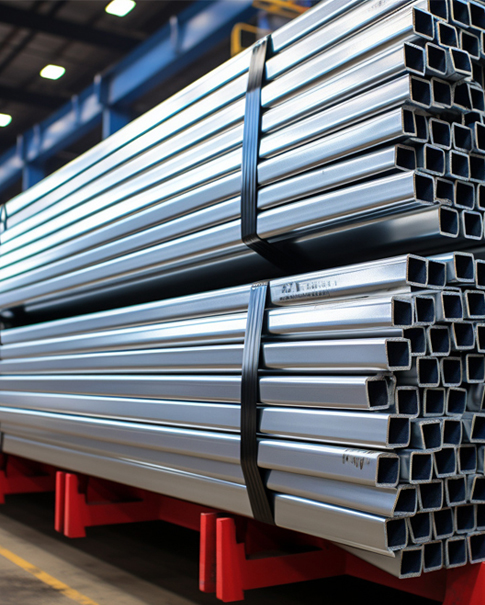
Stainless Steel Pipe vs Carbon Steel Pipe Which One Should You Choose?

Introduction

When selecting materials for industrial piping systems, one of the most common questions buyers face is: stainless steel pipe or carbon steel pipe?

Both materials are widely used across industries such as oil & gas, construction, chemical processing, and manufacturing. However, they differ significantly in terms of corrosion resistance, strength, cost, and application scenarios.

In this guide, we’ll break down the key differences to help you choose the right material for your project.


What Is Stainless Steel Pipe?

Stainless steel pipes are made from alloy steel containing at least 10.5% chromium, which provides excellent corrosion resistance.

Common grades include:

  • 304 stainless steel pipe
  • 316 stainless steel pipe

Key Advantages:

  • Excellent corrosion resistance
  • Long service life
  • High temperature resistance
  • Low maintenance

Typical Applications:

  • Chemical processing plants
  • Food and beverage industry
  • Marine environments
  • Pharmaceutical equipment


What Is Carbon Steel Pipe?

Carbon steel pipes are primarily composed of iron and carbon, with higher strength and lower cost compared to stainless steel.

Common standards include:

  • ASTM A106 seamless pipe
  • ASTM A53 pipe
  • API 5L pipeline steel

Key Advantages:

  • High strength and durability
  • Cost-effective for large projects
  • Easy to manufacture and weld

Typical Applications:

  • Oil and gas pipelines
  • Structural construction
  • Power plants
  • Industrial transportation systems


Key Differences Between Stainless Steel and Carbon Steel Pipes

1. Corrosion Resistance

Stainless steel pipes offer superior corrosion resistance due to chromium content, making them ideal for harsh environments.

Carbon steel pipes, on the other hand, are prone to rust and usually require coating or galvanization.


2. Strength and Durability

Carbon steel pipes generally have higher tensile strength, especially in high-pressure applications.

However, stainless steel performs better in environments with chemical exposure or moisture.


3. Cost Comparison

Carbon steel pipes: lower initial cost

Stainless steel pipes: higher upfront cost but lower maintenance

For long-term projects, stainless steel may be more cost-effective.


4. Temperature Resistance

Stainless steel performs better under extreme temperatures, especially in corrosive environments.

Carbon steel is suitable for high-pressure but less corrosive conditions.


5. Application Suitability

Application Recommended Material
Oil & Gas Pipeline Carbon Steel
Chemical Industry Stainless Steel
Marine Environment Stainless Steel
Construction Carbon Steel


How to Choose the Right Pipe?

When selecting between stainless steel and carbon steel pipes, consider:

  • Environmental conditions
  • Budget constraints
  • Required lifespan
  • Pressure and temperature requirements


Why Choose Shengtao Metal?

At Shengtao Metal, we provide a full range of:

  • Stainless steel pipes (304, 316, duplex)
  • Carbon steel pipes (API, ASTM standards)
  • Custom solutions for industrial applications

With strict quality control and global export experience, we help clients choose the most cost-effective and reliable materials.


Conclusion

Both stainless steel pipes and carbon steel pipes have their advantages. The right choice depends on your specific application, budget, and environmental conditions.

If you are unsure which material suits your project, consulting with a professional supplier can help optimize performance and cost.


Contact Shengtao Metal for Steel Product Solutions

If you are looking for reliable steel and metal product solutions, feel free to send us your inquiry.

Simply provide your specifications such as material grade, dimensions, quantity or application, and our team will respond quickly with professional support and a competitive quotation.

Email: stsalesman4@stmetal001.com

Understanding Corrosion-Resistant Austenitic Stainless Steel Pipes

Introduction

Corrosion-resistant austenitic stainless steel pipes are widely used in industries such as chemical processing, oil & gas, water treatment, and food manufacturing. They combine excellent corrosion resistance, ductility, and weldability, making them indispensable in harsh environments.

Global steel research shows 304/L and 316/L grades dominate the market due to their superior chromium-nickel-molybdenum compositions, offering resistance to pitting, crevice corrosion, and stress corrosion cracking.


Material Properties

  • Chromium content: 16–18% (304/L)
  • Nickel content: 8–10% (304/L), up to 14% in 316/L
  • Molybdenum: 2–3% in 316/L, improving chloride resistance
  • Mechanical strength: Yield strength 215–290 MPa, tensile strength 505–720 MPa

These pipes are suitable for high-temperature and high-pressure systems, meeting ASTM A312, A213, and EN 10216-5 standards.


Industrial Applications

Chemical Processing:

  • Pipes handle acids, alkalis, and corrosive liquids

Example: A Southeast Asian chemical plant used 316/L pipes in heat exchangers, extending maintenance cycles by 30%

Water Treatment:

  • Resistant to chlorinated water and descaling agents

Case: Municipal water system pipelines replaced carbon steel with 304/L, reducing corrosion incidents

Food & Beverage:

  • Hygienic design suitable for pasteurization and clean-in-place systems

Example: Brewery installed 304/L stainless steel piping, achieving compliance with food safety standards


Conclusion

Austenitic stainless steel pipes are essential for industries demanding long-term corrosion resistance and mechanical reliability. Selecting the correct grade, wall thickness, and finish ensures operational safety and cost efficiency.


Contact Shengtao Metal for Steel Product Solutions

If you are looking for reliable steel and metal product solutions, feel free to send us your inquiry.

Simply provide your specifications such as material grade, dimensions, quantity or application, and our team will respond quickly with professional support and a competitive quotation.

Email: stsalesman4@stmetal001.com


What Is ASTM A106 Seamless Steel Pipe? Grades, Properties & Uses

Introduction

In modern industrial systems, selecting the right piping material is essential to ensure operational safety, efficiency, and long-term reliability. Among the many types of steel pipes available on the market, ASTM A106 seamless steel pipe has become one of the most widely used solutions for high-temperature and high-pressure applications. It plays a critical role in industries such as oil and gas, power generation, petrochemical processing, and heavy manufacturing.


For procurement managers, engineers, and project contractors, understanding ASTM A106 pipes is not just about knowing a specification—it is about making informed decisions that directly affect project performance and cost efficiency. From material grades to mechanical properties and real-world applications, ASTM A106 pipes offer a combination of strength, durability, and adaptability that makes them indispensable in demanding industrial environments.


This comprehensive guide will explore everything you need to know about ASTM A106 seamless steel pipes, including their grades, properties, manufacturing process, applications, and how to choose the right supplier for your project.


What Is ASTM A106 Seamless Steel Pipe?

ASTM A106 refers to a standard specification developed by ASTM International for seamless carbon steel pipes intended for high-temperature service. Unlike welded pipes, seamless pipes are manufactured without a welded seam, resulting in a more uniform structure and enhanced mechanical strength.


The seamless manufacturing process typically involves heating solid steel billets and piercing them to create a hollow tube. This process ensures that the pipe has consistent wall thickness and superior structural integrity, making it ideal for high-pressure systems.


ASTM A106 pipes are specifically designed to perform under extreme conditions, including elevated temperatures, high pressure, and harsh operating environments. Because of these characteristics, they are widely used in critical systems where failure is not an option.


Grades of ASTM A106 Pipes

ASTM A106 includes three primary grades: Grade A, Grade B, and Grade C. Each grade offers different levels of strength and performance, allowing users to select the most suitable option based on their specific requirements.


Grade A is the lowest strength grade among the three. It is typically used in applications where pressure and temperature requirements are relatively moderate. While it provides basic performance, it is less commonly used in heavy industrial systems.


Grade B is the most widely used grade of ASTM A106 pipes. It offers a balanced combination of strength, durability, and cost-effectiveness. Due to its versatility, Grade B is commonly found in oil and gas pipelines, power plants, and general industrial piping systems. For many projects, A106 Grade B pipe is considered the standard choice.


Grade C provides higher strength compared to Grade A and Grade B. It is designed for more demanding applications where additional mechanical performance is required. However, due to its higher cost, it is typically used in specialized scenarios rather than general applications.


Key Mechanical and Physical Properties

ASTM A106 seamless steel pipes are known for their excellent mechanical and physical properties, which make them suitable for demanding industrial environments.


One of the most important characteristics is high temperature resistance. These pipes are designed to withstand elevated temperatures without losing structural integrity. This makes them ideal for use in boilers, heat exchangers, and thermal systems.


Another critical property is high pressure resistance. The seamless structure eliminates weak points that are typically found in welded pipes, allowing ASTM A106 pipes to handle high internal pressures safely.


In addition to strength, these pipes also offer good ductility and toughness. This ensures that they can absorb stress and resist cracking under dynamic conditions. Their machinability and weldability also make them easy to process and install in various systems.


Manufacturing Process of ASTM A106 Pipes

The manufacturing process plays a crucial role in determining the quality and performance of ASTM A106 seamless pipes. The process begins with the selection of high-quality raw materials, usually in the form of steel billets.


These billets are heated to a high temperature and then pierced to create a hollow tube. The tube is further processed through rolling and sizing to achieve the desired dimensions and wall thickness. Heat treatment processes may also be applied to enhance mechanical properties.


Throughout the production process, strict quality control measures are implemented. This includes chemical composition analysis, mechanical testing, dimensional inspection, and non-destructive testing methods such as ultrasonic testing.


The result is a high-performance seamless pipe that meets international standards and can be used in critical industrial applications.


Applications of ASTM A106 Seamless Steel Pipes

ASTM A106 pipes are widely used across various industries due to their reliability and performance.


In the oil and gas industry, they are used for transporting crude oil, natural gas, and other fluids under high pressure. Their ability to withstand harsh conditions makes them a preferred choice for pipeline systems.


In power plants, ASTM A106 pipes are commonly used in boilers, superheaters, and heat exchangers. These applications require materials that can handle high temperatures and pressure without failure.


In petrochemical and chemical industries, these pipes are used for transporting corrosive and high-temperature fluids. Their durability ensures long service life and reduced maintenance costs.


Additionally, they are used in mechanical and structural applications where strength and reliability are essential.


Advantages of ASTM A106 Seamless Pipes

There are several reasons why ASTM A106 pipes are widely used in industrial projects.


First, their seamless construction provides superior strength and reliability compared to welded pipes. This makes them suitable for critical applications where safety is a top priority.


Second, they offer excellent resistance to high temperature and pressure, making them ideal for demanding environments.


Third, their versatility allows them to be used in a wide range of industries, from energy to manufacturing.


Finally, their long service life and low maintenance requirements make them a cost-effective solution in the long term.


How to Choose the Right ASTM A106 Pipe

Selecting the right ASTM A106 pipe requires careful consideration of several factors.


First, determine the appropriate grade based on the required strength and operating conditions. Grade B is usually the best choice for most applications, but Grade C may be necessary for more demanding environments.


Second, consider the operating temperature and pressure. Ensure that the selected pipe can handle the specific conditions of your project.


Third, evaluate the quality and reliability of the supplier. Working with an experienced supplier ensures consistent product quality and timely delivery.


Finally, consider project budget and long-term cost efficiency. While higher-grade materials may have a higher upfront cost, they often provide better performance and durability.


Why Choose Shengtao Metal as Your Supplier

Choosing the right supplier is just as important as selecting the right product. Shengtao Metal offers a comprehensive range of ASTM A106 seamless steel pipes with strict quality control and competitive pricing.


With advanced production equipment and extensive export experience, Shengtao ensures consistent product quality and reliable delivery for global customers. The company also provides customized solutions based on specific project requirements, making it a trusted partner for industrial applications.


Conclusion

ASTM A106 seamless steel pipes are a critical component in modern industrial systems, offering excellent performance in high-temperature and high-pressure environments. Understanding their grades, properties, and applications allows engineers and buyers to make informed decisions and optimize project outcomes.


Whether you are working on an oil pipeline, power plant, or industrial system, choosing the right ASTM A106 pipe—and the right supplier—can significantly impact the success of your project.


Contact Shengtao Metal for Steel Product Solutions

If you are looking for reliable steel and metal product solutions, feel free to send us your inquiry.

Simply provide your specifications such as material grade, dimensions, quantity or application, and our team will respond quickly with professional support and a competitive quotation.

Email: stsalesman4@stmetal001.com

How to Select the Ideal Aluminium Casement Window for Your House

Choosing the best aluminium casement window for your house is not just about how it looks. You need a window that is strong, saves energy, and keeps your home safe. It should also fit your style and work well. Here are things most homeowners think about before picking windows:

Factor

Description

Performance

It is important to find a good balance between how well the window works and how much it costs.

Cost

You should compare the first price to how much you will save over time.

Long-term Value

Better systems usually give more benefits for many years.

Durability

Good aluminum frames can last a long time, so you do not need to replace them often.

Energy Efficiency

Windows that save more energy help lower heating and cooling bills.

Design Flexibility

You can choose from many styles to match your house.

Maintenance Requirements

These windows need less care than others, which saves time and money.

If you make smart choices, your windows will give you comfort and value for a long time.


Key Takeaways

  • Pick high quality aluminium casement windows because they are strong and easy to care for. They can last from 30 to 50 years. This helps you save time and money.

  • Find energy-saving choices like double or triple glazing. These windows help you spend less on heating and cooling.

  • Make sure to choose windows with good security features like multi-point locking systems. These locks keep your home safer.

  • Think about the design and ways you can customize your windows. Choose colors and styles that look good with your house.

  • Get a skilled installer to put in your windows. Good measurements and expert work help your windows work their best.


Why Choose Aluminium Casement Windows for Your Home

Key Benefits

When you want new windows, you want them to last. You also want them to look nice and keep your house safe. Aluminium casement system does all these things well. They are better than uPVC or wood in many ways. Look at this table to see the differences:

Advantage

Aluminium Windows

uPVC Windows

Durability

Strong and hard to break or damage

Not as strong as aluminium

Security

Great protection with strong locks

Regular safety features

Aesthetic Appeal

Thin frames, bigger glass, modern style

Thicker frames, not many styles

Environmental Impact

Easy to recycle, helps cut down on waste

Can be recycled but breaks down slowly

Cost-Effectiveness

Costs more at first but lasts longer

Cheaper at first but may need more fixes

You get more than a window. You get safety, style, and value for many years.


Durability and Low Maintenance

Aluminium casement windows are known for being tough. They can last from 30 to 50 years. This is much longer than PVC or wood windows. See this chart to compare how long each type lasts:

You do not need to fix them all the time. Here is how you keep them working well:

  • Wash with gentle soap and water.

  • Oil the moving parts once a year.

  • Look for rust, especially if you live near the ocean.

You do not have to paint them like wood. Bugs will not hurt them either. This saves you time and money.


Modern Look

Aluminium casement windows make your house look new and stylish. The thin frames let in lots of light. Rooms feel bigger and brighter. You can see outside better and enjoy a clean look. These windows work with many home styles. The straight lines and big glass make your space feel open. If you want your house to look special, these windows are a good pick.


How to Choose the Right Aluminum Casement WindowsChampagne Aluminum CasementSecurity Screen Windows

When you pick aluminum casement windows, do not just look at style. Many people care about how windows look, but there is more to think about. If you want windows that last, keep your house safe, and save money, check the quality, security, weather resistance, and value. Let’s look at these key factors to consider so you can make a smart choice.


Quality of Aluminum Profile

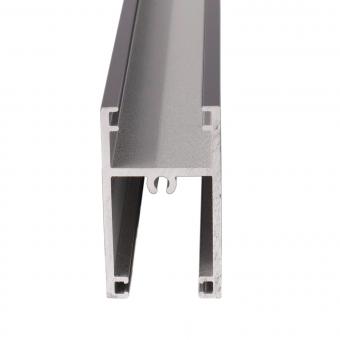
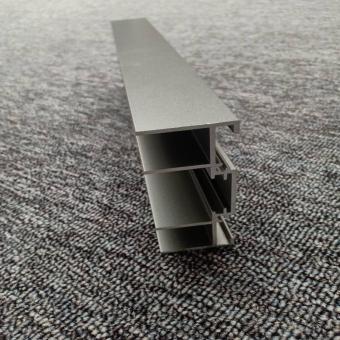
The quality of the aluminum profile is very important. Not all aluminum is the same. You want strong, thick frames that will not bend or break. Look for architectural-grade aluminum like 6063-T5 or T6. These grades are stronger and last longer. The thickness of the profile matters too. Most aluminum casement windows need at least 1.4mm thickness, but some use up to 2.0mm. Here is a quick guide:

Alloy

Profile Wall Thickness

Window Frame Thickness

6060-T66

1.8mm

81mm

  • 6063-T5 or T6 aluminum is best for windows.

  • Pick profiles with at least 1.4mm thickness for strength.

  • Thicker frames (up to 2.0mm) are good for big windows.

If you choose high-quality aluminum, your windows will last longer and need less fixing. Always check the hardware quality too. Handles, hinges, and locks should feel strong and work well. Bad hardware can make even the best frames hard to use.

Tip: Do not just look at the color or finish. The inside is just as important as the outside. Good frames and hardware keep your windows working for years.


Security and Locking Systems

Security is another key factor to consider when you pick aluminum casement windows. You want your home to be safe. Multi-point locking systems are a smart choice. These locks hold the window at many spots around the frame, not just one. This makes it much harder for someone to break in.

  • Multi-point locks grab the frame in different places, so breaking in is tough.

  • They press the window tight all around, making it strong.

  • You can lock and unlock them with a key.

Aluminum casement windows with strong frames and multi-point locking systems protect better than many other windows. Here is a quick comparison:

Window Type

Security Features

Aluminium Casement

Multi-point locking systems, tight seal against break-ins

Sliding Windows

Strong locks that stop too much opening

If you want to feel safe, always check the locking system quality. It is one of the key factors to consider for your family’s safety.


Weather Resistance and Seals

Weather resistance is important, especially if you live where it rains or gets windy. Good seals keep out water, dust, and drafts. When you look at aluminum casement windows, check for these key factors to consider:

Sealing Method

Benefits

Multi-chambered frames

Better insulation, keeps heat in or out, saves energy.

Precision-engineered joints

No gaps, better sealing.

Strong weather stripping

Stops rain, dust, and drafts.

Silicated fin-based wool pile seal

Blocks water, dust, and sound, lasts a long time.

Duranium alloy

Up to 40% stronger than regular aluminum, makes windows tougher.

  • Multi-chambered frames help keep your house warm in winter and cool in summer.

  • Precision joints mean no air or water can get in.

  • Strong weather stripping and wool pile seals block the weather.

If you want your windows to last and keep your house comfy, always check the seals. This is one of the most important key factors to consider for comfort.


Cost and Value

Cost is always a key factor to consider, but value matters too. Aluminum casement windows can cost more at first, but they save you money later. Here is how they compare to other windows:

Window Type

Cost Range

Average Cost

Aluminum Casement

$300–$950

$625

Single-frame Casement

$224

N/A

Double-frame Casement

$445–$585

N/A

Vinyl Frames

$475

N/A

Wood Frames

Up to $1,145

N/A

Fiberglass Frames

$535–$1,575

N/A

You might pay more for aluminum at first, but you get better durability, less fixing, and more energy savings. Over time, these windows can make your house worth more. They last for years, need little care, and help lower your bills. Here is what you get:

Feature

Benefit

Energy savings

Lowers heating and cooling costs

Durability

Good frames last for many years

Maintenance costs

Needs less care than other materials

Resale value

Good windows make your house worth more

  • Aluminum casement windows help you save on bills.

  • Their strength means you do not need to replace them often.

  • Less fixing saves you time and money.

  • They can make your house worth more if you sell.

Note: Many people pick windows just for looks. Always check the quality, seals, and installation. These key factors to consider will help you avoid problems later.


Evaluating Manufacturers and Installers

The last key factor to consider is who makes and puts in your windows. Even the best aluminum casement windows need experts to install them. Here is what to look for:

Criteria

Description

Production Capacity

Can the company handle your order and deliver on time?

Investment Potential

Will the windows give you value and savings for years?

Material Quality

Does the company use good aluminum and hardware?

Ask about their experience and read reviews. A good installer will measure carefully and make sure your windows fit right. This helps you get the most from your windows.

If you remember these key factors to consider—quality, security, weather resistance, cost, and installer skill—you will pick the right aluminum casement windows for your house. You will enjoy comfort, safety, and value for many years.


Energy Efficiency and Glass Options


Double or Triple Glazing

When you want windows that save energy, you should think about double or triple glazing. Double glazing has two glass panes with a space in the middle. Triple glazing has three panes, which makes it even better at saving energy. Triple glazing can make your windows work up to 45% better than double glazing. This means your rooms stay warmer in winter and cooler in summer. These windows also block more noise, so your house is quieter and more comfy.

  • Triple glazing gives the best insulation and saves the most energy.

  • Double glazing still works well for most houses.

  • Both choices help you use less energy.


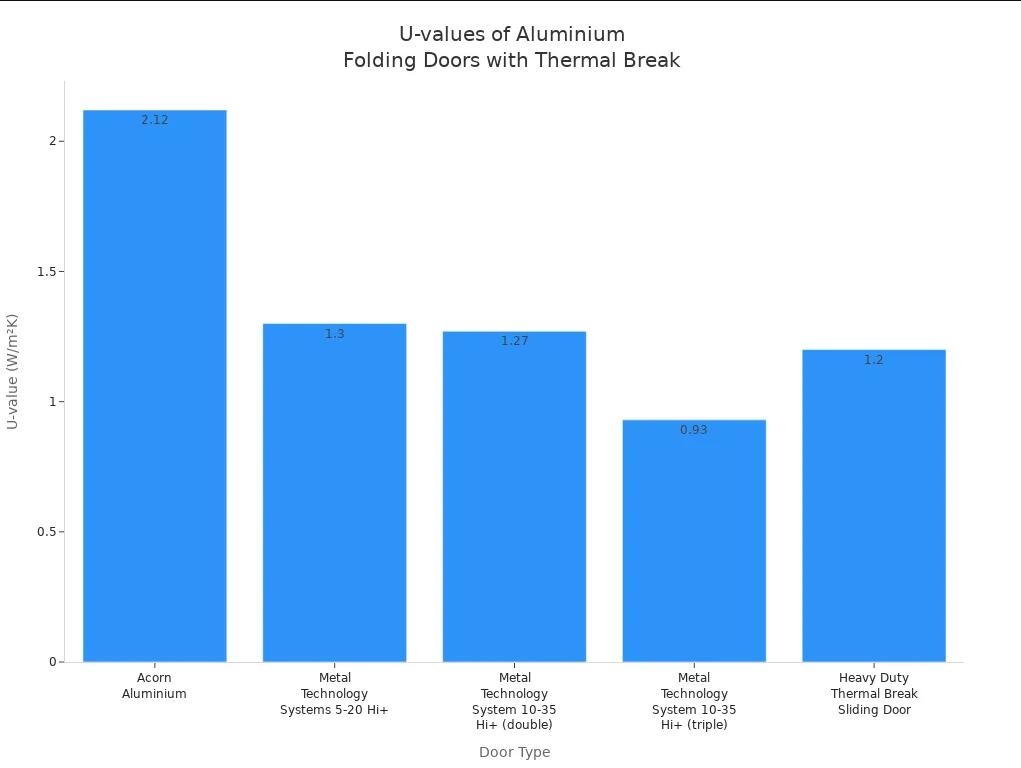
Thermal Breaks and U-Values

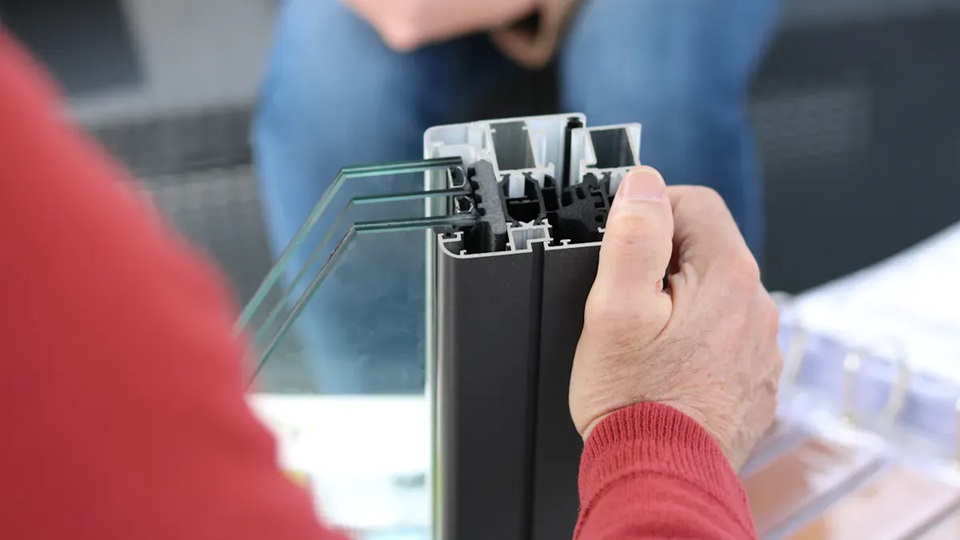
Thermal breaks are special barriers inside aluminium casement windows. They stop heat from moving through the frame. This helps your windows work better and keeps your bills lower. When you shop for windows, check the u-value. The u-value tells you how well a window keeps heat inside. Lower numbers mean the window is better at stopping heat from escaping.

Performance

Grade

Reference Standards

Thermal insulation, Uw

Class C [1.5W/(m2.k)]

EN ISO 12567-1:2011

Thermal insulation, Uw

Class B [1.2W/(m2.k)]

EN ISO 12567-1:2011

For the best windows, look for a u-value under 0.8 W/m²K. Many aluminium casement windows with double Low-E glazing have a u-value near 1.6 W/m²K. This means your windows keep out water and air, so your home stays cozy.


Insulation and Comfort

Aluminium casement windows close tightly. This stops air from leaking in or out. Your house stays comfy all year. If your windows do not insulate well, your energy bills could go up by 25%. Good insulation means you save energy and money. The sash presses against the frame to block drafts and noise. You also get more sunlight without losing comfort.

  • Aluminium casement windows help you spend less on heating.

  • They are strong and keep your house warm or cool.

  • You get a comfy home and save money over time.

Tip: Pick aluminium casement windows with good insulation to save energy and stay comfortable for years.


Style and Design for Your Home

When you choose an aluminium casement window, you get more than light. You also help decide how your house looks and feels. Picking the right design can save energy and make your home special. It can also help keep your house warm or cool.


Frame Colors and Finishes

There are many frame colors and finishes to pick from. Modern homes often use white for a simple look. Black is good if you want your windows to stand out. Bronze colors make your home feel warm. You can also pick custom colors to match your favorite shades or trim. Some finishes are anodized, like clear, champagne, or dark bronze. Painted finishes include dune white or iron in matte. These choices help your windows fit any style, old or new.

Tip: Pick a color that matches your home inside and outside. This small choice can make your windows stand out or blend in.


Hardware and Handles

Hardware does more than just open and close your windows. It also changes how your windows look and work. Good hardware makes windows easy to use and keeps them safe. It also gives a nice finish. You can pick modern cranks for a simple style. Or you can choose lever handles for a classic look. Good hardware helps keep your house safe and saves energy. If you install it right, your windows will last longer. The handles and locks you pick can match your home’s style.


Customization

You can change your aluminum windows to fit your ideas. Here are some things you can choose:

Customization Option

Description

Color Finishes

Pick powder-coated or painted finishes to match your home

Hardware Choices

Choose modern or classic handles and locks

Creative Configurations

Mix window types for a special look

Glazing Options

Pick double or triple glazing, tinted glass, or Low-E for better insulation

You can add grids for a classic look. You can also mix window shapes for a special design. Custom glazing helps keep your house warm or cool and saves energy. This makes your home more comfy all year.


Installation Tips for Aluminium Casement WindowsHigh Quality Anodizing Aluminium Casement Window

Getting the right fit for your aluminium casement window makes a big difference in how well it works. If you want to enjoy the best energy efficiency and comfort in your home, you need to follow some key installation tips. Let’s break down what you should do before, during, and after installation.


Measuring for Fit

You want your windows to fit perfectly. Start by gathering a metal measuring tape, a pen, and a ladder if you need one. Measure the width, height, and depth of the opening. Take measurements at three different points for both width and height. Always use the smallest number and round down to the nearest 1/8 inch. Check that the opening is square by measuring diagonally from corner to corner. If you have more than one panel, record each size and note the center post. Double-check your numbers before you order. Precision matters here. If you want to avoid costly mistakes, you can ask a professional to measure for you.

Tip: Careful measuring helps you get a proper installation and a snug fit, which means fewer drafts and better energy efficiency.


Choosing a Qualified Installer

A good installer makes sure your windows fit right and work well. Look for someone with experience in aluminum window installation. Ask for references and check reviews. A skilled installer will measure again before starting, making sure every window fits the opening. They will also use the right tools and follow the best installation tips. This helps you avoid leaks and keeps your home safe. If you want proper installation, don’t rush this step.


Post-Installation Care

After installation, you want your windows to last. Here are some easy steps to keep them in top shape:

  1. Clean the frames with a soft cloth and mild soap at least twice a year.

  2. Lubricate moving parts so they open and close smoothly.

  3. Inspect for damage or rust every six months.

  4. Remove dust and debris from the tracks.

  5. Check seals and weatherstripping for cracks and fix them if needed.

  6. Tighten any loose screws or hinges.

  7. Make sure locks and latches work well.

If you follow these installation tips, your aluminium casement window will keep its fit and performance for years. You will enjoy a comfortable, energy-efficient home with windows that look and work like new.


You want the best aluminium casement window for your house. Here are some easy steps to help you. First, check the material quality. Next, look at energy efficiency. Then, think about the design and security. Also, see how much care and money it needs. Here is a simple guide:

Step

What to Do

Material Quality

Pick certified aluminium profiles

Energy Efficiency

Find thermal breaks and good glazing

Security

Choose strong locks and tight seals

Design

Match colors and styles to your home

Installation

Measure well and hire good experts

If you choose quality, comfort, and style, your windows will last long and look nice. Ask experts for help so your windows get put in the right way.


FAQ

How long do aluminum casement windows last?

You can expect your aluminum casement windows to last 30 to 50 years. They resist rust and warping. You do not need to paint them. Just clean them sometimes to keep them looking new.

Are aluminum casement windows energy efficient?

Yes, they are! If you pick double or triple glazing and thermal breaks, your windows will help keep your home warm in winter and cool in summer. You will also save money on energy bills.

Can I customize the color of my aluminum windows?

Absolutely! You can choose from many colors and finishes. Pick a classic white, bold black, or even a custom shade. This helps your windows match your home’s style inside and out.

Do aluminum casement windows need a lot of maintenance?

No, they do not. You only need to clean the frames and glass with mild soap and water. Oil the moving parts once a year. Check the seals sometimes. That’s it!

A Real Situation from a Client Last Week

A Real Situation from a Client Last Week

Last week, a client from Kazakhstan contacted us with a serious issue. One of their previously (by their previous supplier) installed solar projects experienced structural damage during winter. After a period of heavy snowfall, several mounting structures were bent and partially collapsed under the snow pressure. The client shared photos of the damaged installation and asked if we could assist in analyzing the cause and providing a solution. After reviewing the situation with our engineering team, the conclusion became quite clear. The system had not been designed for the actual snow load conditions of the project location. As a result, the structure's load capacity was significantly lower than the real environmental load.


What Went Wrong in the Design?

From an engineering perspective, the problem usually comes from several common design mistakes:

1. Underestimated local snow load

In many northern regions, the design snow load can reach 1.5–2.5 kN/m² or even higher, depending on elevation and local climate.

If the design assumptions are too conservative, the structure may face loads far beyond its capacity.

2.  Excessive support columns / rail span.

Excessively wider spans of support columns/guide rails reduce material usage but significantly increase deflection risk under heavy snow.

Once rails/beams/supports begin to bend, the load distribution becomes uneven and structural failure can follow.

3.  Insufficient structural stiffness

Even if the material strength seems sufficient, structural stiffness plays a critical role in preventing deformation.

This is often overlooked when cost reduction becomes the priority.

Why Snow Load Can Be More Critical Than Wind Load

Many Supplier first ask “What is the maximum wind speed?”

But in many northern regions/Asia such as Kazakhstan Central Asia, Northern Europe, Canada, Northern United States, snow load can actually be the governing factor in structural design. Unlike wind load, which is dynamic and temporary, snow load creates continuous vertical pressure that can last for days or weeks. This sustained load is often what leads to beam bending and mounting system deformation.

Key Engineering Lesson

Solar mounting systems should always be treated as structural engineering components, not simple accessories.A reliable design must carefully consider:

1. Local wind and snow load data

2. Support / Rail span and structural stiffness

3. Safety factors in structural calculation

4. Connection strength and material performance

Ignoring any of these factors can significantly increase the risk of structural failure.

In Corigy Solar, we have always believed that performing the preliminary work thoroughly demonstrates our responsibility to our clients.When we got a enquirer, the first thing we do is to ask the project information (including max wind speed and snow load) from customer. Then our engineer team will do some structure calculation to ensure the materiel we provide can withstand the max wind speed and snow load.


CORIGY SOLAR more professional and flexible solar mounting solutions waiting for you here! CONTACT US!
Above news from CORIGY SOLAR Sales & Marketing department
Phone: +0086-592-6883200
E-mail: sales@corigy.com


Behind Every Positive Review Lies the Hard Work of Chenke People

Look, this is the most genuine feedback from our customers!

"Corigy is very helpful, and their service is top-notch." This customer not only praised the product but also affirmed the service of our team.

From solution communication and product delivery to after-sales support, Corigy's sales staff and her technical support team always respond to customer needs with the fastest speed. Seeing the customer's "strong recommendation" transforms all our efforts into a tremendous sense of accomplishment. Let us carry this honor forward and continue to create more value for our customers in the new day!

solar mounting clamp for corrugated metal roof

trapezoidal metal roof solar mounting clamp without drilling


How to Install Solar Panel Brackets on Your Roof Safely and Correctly

Fitting the solar panel brackets to your roof is the foundation of a sound solar energy system. Installing solar panel brackets correctly ensures your panels stay stable, weather-resistant, and effective.


Whether you are an at-home, DIYer or a first-time solar adopter, this guide provides useful instructions, safety tips, and professional insights to help you get a safe and long-lasting installation under your belt.

What Are Solar Panel Mounting Brackets?

Solar panel brackets are metal holders that secure your solar array to your roof. They support the panels and assist in the maximization of energy.


Types of Brackets

  • Roof Mounts – Fixed directly to roof rafters
  • Rail Mounts – Use horizontal rails for panel attachment
  • Tilt Mounts – Adjustable to improve solar exposure

The right bracket type depends on your roof material—such as asphalt shingle, tile, metal, or flat roof. Purchasing the right bracket enhances the performance and durability.

Safety Precautions Before You Begin

Before installing the solar panel brackets on your roof, consider the following crucial points on the safety of installing your solar panels:

Personal Protective Equipment (PPE)

  • Safety harness
  • Hard hat
  • Slip-resistant shoes
  • Gloves and eye protection
  • Roof Condition Check

Inspect for:

  • Loose shingles
  • Rot or soft spots
  • Debris or moisture pockets
  • Weather Considerations

Work only on:

  • Dry, calm days
  • Avoid wet or windy conditions
  • Know When to Call a Pro

Complex roofs, steep slopes, or weak structures are better left to trained installation crews.

Tools & Materials You'll Need

Essential Tools

You will need a good ladder with a stability device, a power drill that includes the right drill bits, a tape measure, a chalk line to draw straight lines, and a socket tool to tighten the bolts. These simple tools are used to measure well and to fix everything in place.

Installation Materials

Make sure you have all the required installation components, such as brackets and rails, flashing, and waterproof sealant, lag bolts, and a complete assembly kit of mounting hardware. It is these materials that literally keep your solar panels secure.

Mounting hardware kit

Alignment can be simplified with a laser level, and a rubber mallet can help with light adjustments without breaking anything. These are optional tools, but may help the installation process to be more effortless and quick.

Pre-Installation Checklist

PPE on, roof inspected, tools prepared, and weather checked beforehand. A good start that features all preparations makes the installation more effective and harmless.

Step-by-Step Guide: How to Install Solar Panel Brackets Correctly

Measure and Mark Mounting Points

Begin locating the rafters of the roof with the help of a stud finder. Mark each spot clearly. Ensure that the distance between the points is balanced as this prevents excess weight of the panels irresponsibly distributed over the roof.

Install Flashing for Leak Prevention

Flashing is essential in that it prevents water. Slide the flashing under the shingles and then sealant should be used along the edges. This keeps your roof safe by covering holes of bolts and eliminating leakages.

Attach the Brackets to the Rafters

Now make small pilot holes in the rafters at which you have made your marks. Fasten the brackets with heavy and strong corrosion-resistant lag bolts. Screw them hard though not excessively tight because it will ruin the wood.

Level and Secure the Brackets

The level ensures that all the brackets are in perfect position. Before tightening, the bolts tighten, twice. Any slight torsion may cause tearing to the panels after installation.

Set up the Mounting Rails

Lastly, use the mounting rails and fit them to the brackets. Ensure that the distance is equal to the size of your solar panels. Ensure that the rails are straight, firm and prepared to take the panels.

Common Mistakes to Avoid

  • Misaligned brackets – If the brackets aren't lined up straight, your panels won't sit right and may not last as long.

  • Improper sealing – If you don't seal the holes properly, water can get into your roof and cause leaks.

  • Wrong bracket types – Using brackets that don't match your roof type can make the installation weak and unsafe.

  • Ignoring roof load limits – If your roof can't handle the weight, it could get damaged or become unsafe over time.

How to Ensure Your Installation Is Safe and Code-Compliant

To ensure that your installation is safe and complies with all the necessary regulations, always take into account your local building codes, take necessary permits, and thorough instructions on your part as the manufacturer. The actions will allow you to prevent errors and leave your setup accepted and secured.


It is also beneficial in ensuring that the system is checked after installation. Conducting regular check-ups will help to detect minute problems at their initial stage and have your brackets, rails, and roof in a good state and in full conformity with the requirements of safety standards.

When You Should Hire a Professional Instead

When your roof is very steep, or strange shaped, or electrical work you are hesitant about is required in installation, then it is better to outsource. Such cases may be dangerous and difficult to manage alone.


A professional will install the job more quickly, and assure that all of this meets the local regulations. They equally offer warranty coverage, in case something happens in future, then you are insured. It is a safer stress-free alternative in case the job is too big or complex.

Maintenance Tips After Installation

Once you have brackets on, you should make sure you are checking things now and then to maintain them in favorable condition. It is also a habit worth getting into to check whether there are loose brackets, old sealant, or any kind of debris accumulating around the panels. Such minor examinations will not consume much time but can help to avoid larger issues in the future.


Watch also the early indications of destructive work, such as water stains on the roof, slightly tilted-looking panels, and peculiar noises in a windy place. The early detection of such problems allows easier repair and prevents your system from being inefficient.

Conclusion

Proper steps to install solar panel brackets on your roof safely and correctly make all the difference in performance and lifespan. From safety gear and tools to careful measurement and alignment, each phase matters. Choose the right method for your skill level, and when in doubt, consult an expert installer.


For more expert insights and installation resources from Corigy, explore our solar guides, or contact our team for tailored support.


Why Ballasted Solar Mounting Is the Safest Choice for Flat Roof Installations

One of the most popular and safest ways to install solar on flat roofs is ballasted solar mounting. It is popular because it is stable, reliable, and does not involve drilling into the roof. As a solar system will remain on the roof over a lengthy period, it is highly important to select a mounting system which ensures protection to the roof and minimizes risks. Ballasted systems involve weight to hold the panels of solar rather than creating holes in the roof, making the structure safe in the long run.

What is Ballasted Solar Mounting?

Ballasted solar mounting is a type of mounting that fixes solar panels using heavy blocks, typically made of concrete. These blocks are placed on top of the roof and hold the panels without drilling through the surface.


Here's how it differs from mechanically attached systems:

  • No holes are made in the roof
  • The waterproof coating of the roof is maintained.
  • The weight is used to keep the system in place.
  • Installation is less time-consuming and easier.

Key components include:

  • Concrete weight blocks
  • Metal frames to hold panels
  • Tilt supports for panel angle
  • Pads to protect the roof surface
  • Wind guards to improve stability

Why Flat Roofs Benefit from Ballasted Mounting Systems

Commercial buildings, warehouses, and modern houses have flat roofs. The flat and open surface fits them well with ballasted solar systems.


Ballasted systems are effective on flat roofs because they can support weight that is evenly distributed across the surface. There is little to no drilling required, so the waterproof layer of the roof remains intact and helps prevent leaks.


Such systems are the good choice in case of the building, which can carry the additional weight. Ballasted systems are also easy and convenient to install on large and open flat roofs.

Ideal scenarios include:

  • Commercial buildings
  • Schools, hospitals, and malls
  • Factories and warehouses
  • Buildings with strong waterproof roofing

Safety Advantages of Ballasted Solar Mounting

No Roof Penetration Reduces Leak Risks

Flat roofs can easily develop leaks when holes are drilled into them. Ballasted systems prevent this by not making holes in the roof and sitting directly on the surface. This keeps the waterproof layer intact and reduces the chances of future roof leaks and repairs.

Enhanced Stability in High-Wind Conditions

Ballasted systems use heavy blocks to hold solar panels in place. There is even distribution of the weight and this makes the panels remain stable even in strong winds. These systems are put to test to ensure that they are able to cope with bad weather.

Even Load Distribution Protects Roof Integrity

Ballasted systems evenly weight across the roof instead of distributing concentrating it in one spot. This helps prevent cracks, dents, or other damage. It particularly comes in handy when the structure of an old building or roofs is not oriented to accommodate heavy pressure in a single direction.

Faster, Safer Installation Process

The ballasted systems are easier to put in place since very little drilling is involved. Installers use fewer tools and steps, which makes the work safer and reduces the chance of errors. This assists in shielding the roof too in the installation.

Structural and Engineering Considerations

Before installing a ballasted solar system, the roof should be checked to ensure it can support the weight. The roof design is checked by the professionals regarding their adherence to the safety regulations.


They weigh the blocks and test the strength of the roof. Wind and snow local regulations are also checked. A professional check is used to establish that the system will be safe and durable.

Common Myths and Misconceptions About Ballasted Systems

They are too heavy.

Most flat roofs are built to handle weight spread across the surface. A proper check ensures safety.


They are not secure.

Ballasted systems are tested for wind and movement and are proven to be stable.


"They are hard to maintain."

These systems often need less maintenance because there are no roof holes and fewer moving parts.

Comparing Ballasted vs. Penetrating Mounts


Feature

Ballasted Mounting

Penetrating Mounting

Roof Penetration

None

Required

Leak Risk

Extremely low

Higher

Installation Time

Faster

Slower

Structural Impact

Even load distribution

Localized stress

Ideal Roof Type

Flat roofs

Sloped roofs

Maintenance

Minimal

Moderate


How to choose:

Ballasted systems are best for flat roofs where roof safety and simple installation are important.

Final Recommendations for Property Owners

Ensure that your roof is strong enough to support the additional weight of the ballasted solar system before selecting it. Ensure that the water resistant coating is intact. Local weather should also be considered, such as strong winds or heavy snow.


Never attempt any solar installation without an approved solar installer and request safety and engineering consent. By selecting ballasted solar mounting, you are ensuring the safety and durability of the solar energy to last over the years as well as saving your roof.

Conclusion

Ballasted solar mounting is one of the safest solar installation options for flat roofs. It insulates the roof by preventing holes, distributes weight uniformly as well as works well during harsh weather. To achieve these, it is best to work with experienced professionals who adhere to the right standards of safety. When it comes to the long run performance, protection of the roof and peace of mind, it is better to choose a reliable solution such as Corigy.


Everything You Need to Know About Aluminum Bifold Doors


What Are Aluminum Folding Doors?


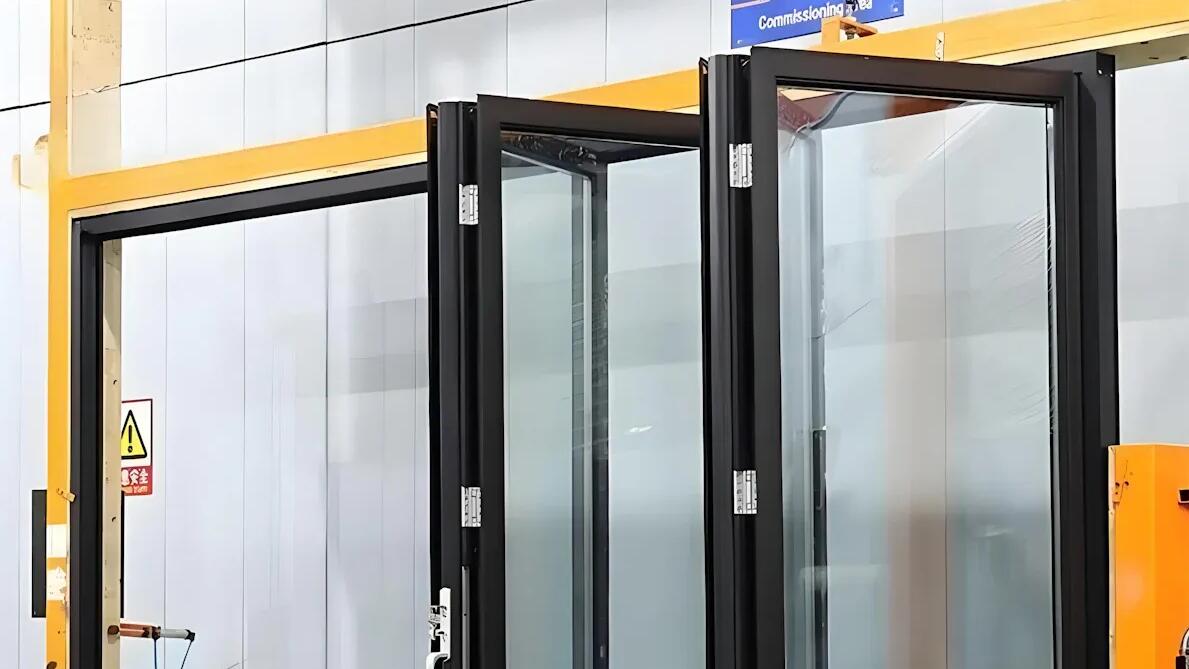
Aluminum folding doors, also called bifold doors, consist of multiple panels that fold and slide to one or both sides. They create a wide, unobstructed opening while maintaining a slim, modern profile. Made with high-strength aluminum frames and tempered or insulated glass, they are designed for long-term use in residential and commercial spaces.


Top Benefits of Aluminum Folding Doors


1. Maximize Natural Light & Space

With slim aluminum frames and large glass areas, these doors let in far more natural light than traditional doors. When fully opened, they create a seamless connection between indoor and outdoor spaces, making rooms feel larger and more open.

2. Excellent Thermal & Sound Insulation

High quality aluminum folding doors often come with double glazed or insulated glass and weatherstripping. They help keep indoor temperatures stable, reduce energy costs, and block outside noise effectively.

3. Weather & Corrosion Resistant

Aluminum is naturally resistant to rust, water, and UV damage. Unlike steel or wood, it does not rot, warp, or fade over time, making it ideal for outdoor areas like patios, balconies, and coastal homes.

4. Space-Saving & Flexible Design

Folding doors do not swing in or out. They fold neatly to the side, saving valuable floor space. They work perfectly for small balconies, kitchen partitions, and modern living areas.

5. Strong & Low Maintenance

Aluminum frames are strong, lightweight, and long-lasting. They require minimal care—just regular wiping with a soft cloth to stay clean and new.


Best Applications for Aluminum Folding Doors


Aluminum Bi-folding Doors

· Patio and garden

· Balcony doors for apartments and villas

· Kitchen and living room partitions

· Sunrooms and conservatories

· Commercial storefronts, cafes, and offices

· Large openings in modern buildings


Aluminum Folding Doors vs Sliding Doors


Many homeowners compare folding doors and sliding doors. Here's a quick comparison:

Opening size: Folding doors can open almost 100% of the space; sliding doors only about 50%.

Space efficiency: Both save space, but folding doors offer better flexibility.

Light & view: Folding doors provide wider, unobstructed views.

Insulation: Both perform well, but folding doors often have better sealing.

If you want maximum opening and modern style, aluminum folding doors are the better choice.


Aluminum folding doors vs sliding doors


How to Choose High Quality Aluminum Folding Doors


When buying aluminum folding doors, pay attention to these key points:

  • aluminum folding doors exterior
    Aluminum Frame Thickness
    Thicker frames offer better stability and wind resistance.
  • double glazed aluminum folding doors
    Glass Type
    Choose tempered glass for safety, or insulated glass for better energy efficiency.
  • folding patio doors
    Hardware Quality
    High quality rollers and hinges ensure smooth, quiet operation.
  • Weatherproof aluminum folding doors
    Weather Sealing 
    Good rubber seals prevent water, wind, and dust from entering.
  • bi-fold aluminum doors
    Safety Features
    Look for anti-pinch designs and reliable locking systems.
  • custom aluminum folding doors
    Customization
    Choose colors, sizes, and opening directions that match your space.


Maintenance Tips for Aluminum Folding Doors


Modern aluminum folding doors

Clean the frame and glass regularly with a mild detergent.

Avoid using sharp or abrasive tools that may scratch the surface.

Check and clean the track regularly to keep operation smooth.

Lubricate hinges and rollers once or twice a year if needed.

Avoid heavy impact on the glass and frames.


CONCLUSION


Aluminum folding doors are an excellent investment for any modern home or commercial space. They combine beautiful design, practical function, energy efficiency, and long durability. Whether you want to improve natural light, expand your space, or upgrade your home's appearance, aluminum folding doors are a top choice.


If you are seeking reliable, high-performance aluminum alloy folding doors for your project, choose to partner with Grandsea; we guarantee high product quality, a perfect fit, and long-term satisfaction.


residential aluminum folding doors


How much do aluminum folding doors cost?

How long do aluminum folding doors last?

Do folding doors need a lot of maintenance?

What are the parts of Aluminum Truss Roof System?

Aluminum Truss Roof System include: Straight truss( spigot truss and Screw Truss), Top Section, Sleeve Block, Hinge, Steel Base, Long Outrigger, safety Belt and Hoist( Manuel hoist and Electric hoist).


 truss roof system

Straight Truss:

Straight Truss mainly refer to box square truss. it the main body and frame of stage roof structures. 

1. Spigot truss is connected by pins and connectors. It is the most popular and easy method to connect due to it just need a hammer to knock in and out. it usually for outdoor large stages, such as event stage truss, concert stage and led truss etc.

2. Screw truss is connected by screws and nuts. its connection work needs spanner to fastner the nuts in and out. it shall need more time than spigot truss. as screw truss do not have pin ends out, it is more used for indoor truss system. such as truss hanging stage equimpent, fixed ceiling roofing and complex truss design.


Top Pully:

Top Pully also called top section. it is made of section steel and Wheels. it provides hoist's chain working path at the pillar top.


Sleeve Block:

Sleeve blocks is for truss towers, it is a corner connector for truss beam and pillar, it runs up & down along with pillar.


Hinge:

Hinge also called Base Shelf Joint. it is amount on the first 1m truss top of truss pillar, so that above truss can be amount at the ground.


Steel Base:

Steel Base amounted at the bottom of pillar tower. it has wheels and adjustable feet for balance & movement.


Long Outrigger:

Long Outrigger also called support. it is made of aluminum incline supports to truss tower and steel balance bar tube to steel base.


Hoist:

Hoist refers to manual hoist and electrical hoist. it is the main drive for roof truss to be hoisted from ground to top.


safety Belt:

safety Belt also called Round Sling. it goes around the beam and have a loop hooked onto the hoist so that the truss beam can be lifted.


ladder truss:

Ladder Truss also called Single Row Rack. it usually works as truss roof reinforcement truss. it is lighter than box truss.


Roof Top Corner:

it is a custom multi-face connector at the roof-top for roof truss and beams.


Roof End Corner:

A custom truss with one end to connect to box square truss, the other end is hedge shape sitting on the truss beam.

stage roof truss

aluminum truss lift

truss lift tower