Why Hole Position Accuracy Matters in Multi-Port Stainless Steel Components

Introduction

In precision manufacturing, dimensional tolerances often receive the most attention during design reviews and quality inspections. Engineers carefully specify bore diameters, surface roughness, flatness, and parallelism to ensure components perform as intended. However, one characteristic is frequently underestimated despite having a direct impact on product performance: hole position accuracy.


For multi-port stainless steel components such as valve bodies, manifold blocks, hydraulic distribution plates, instrumentation bases, and fluid control modules, the exact location of every drilled or machined hole is just as important as its diameter. A hole that meets its size specification but is positioned incorrectly by only a fraction of a millimeter can create assembly problems, sealing failures, reduced flow efficiency, or complete product rejection.


As industrial systems become more compact and integrated, maintaining accurate positional relationships between multiple holes has become one of the defining challenges in precision CNC machining. Manufacturers that consistently control hole position accuracy not only produce better components but also help customers reduce assembly time, improve reliability, and lower overall production costs.


Understanding Hole Position Accuracy

Hole position accuracy refers to how closely the actual center of a machined hole matches its designed location. Unlike diameter tolerance, which measures the size of the hole itself, positional accuracy evaluates where the hole is located relative to established datums or other critical features.


In modern manufacturing drawings, positional requirements are commonly defined using Geometric Dimensioning and Tolerancing (GD&T). Position tolerances ensure that holes align correctly with mating components, threaded fasteners, dowel pins, sealing surfaces, or internal flow passages.


For example, two holes may each meet a diameter tolerance of ±0.01 mm, yet if one hole is displaced by only 0.08 mm from its intended position, assembly problems may still occur. This illustrates why dimensional accuracy alone cannot guarantee functional performance.


For components containing multiple intersecting holes or complex internal channels, positional accuracy often becomes the primary factor determining whether a part is acceptable.


Why Multi-Port Components Require Exceptional Precision

Multi-port stainless steel components are widely used in industries such as chemical processing, hydraulic systems, food production, pharmaceutical manufacturing, industrial automation, and energy equipment.


Unlike simple structural parts, these components frequently contain numerous drilled passages, threaded ports, intersecting channels, and mounting holes that must function together as a complete system.


Valve bodies, for instance, may contain more than twenty machined features distributed across multiple faces. Every hole must align precisely with sealing elements, actuators, or connecting pipelines. A slight positional deviation can prevent valves from sealing correctly or restrict internal fluid movement.


Similarly, manifold blocks rely on accurately intersecting internal channels to distribute liquids, gases, or hydraulic fluids. If drilling operations deviate from the intended path, internal passages may not connect correctly, reducing flow efficiency or rendering the component unusable.


As products become smaller and more integrated, allowable positional errors continue to decrease, making precise hole location increasingly important.


Factors That Influence Hole Position Accuracy

Achieving excellent positional accuracy depends on much more than the precision of the CNC machine itself.


One of the most influential factors is workpiece positioning. Every machining operation relies on stable and repeatable datums. If the workpiece shifts even slightly during clamping, every subsequent hole location will inherit that error.


Fixture design therefore plays a central role in controlling hole positions. Well-designed workholding systems establish consistent reference surfaces while resisting cutting forces throughout the machining process.


Machine calibration is another critical factor. Linear positioning accuracy, rotary axis calibration, spindle alignment, and thermal compensation all influence final hole location.


Tool condition also affects positional accuracy. Worn drills, end mills, or boring tools may deflect under cutting loads, particularly when machining stainless steel, which generates relatively high cutting resistance. Regular tool monitoring and replacement help maintain consistent positioning.


Programming strategy contributes as well. Efficient tool paths, appropriate drilling sequences, and optimized cutting parameters reduce vibration and minimize cumulative positioning errors.


The Challenges of Machining Stainless Steel

Stainless steel presents several characteristics that make precise hole machining more demanding than machining many other engineering materials.


Its relatively high toughness generates greater cutting forces during drilling and milling operations. These forces increase the likelihood of tool deflection, particularly when machining deep holes or complex intersecting passages.


Work hardening creates another challenge. If cutting conditions are not properly controlled, the material surrounding the cutting zone becomes harder, increasing resistance and making subsequent machining operations more difficult.


Heat generation also influences positional accuracy. Stainless steel retains heat within the cutting area, and localized thermal expansion may cause slight dimensional changes during machining. Although these changes are often small, they become increasingly significant when positional tolerances are measured in hundredths of a millimeter.


Maintaining stable machining conditions is therefore essential for achieving reliable results.


Why Positional Errors Affect More Than Assembly

Many buyers associate hole position accuracy only with successful assembly, but its influence extends much further.


In fluid control components, improperly aligned internal passages can disrupt flow characteristics, creating turbulence or pressure losses that reduce system efficiency.


In hydraulic equipment, positional errors may affect the alignment of seals and O-rings, increasing the risk of leakage under operating pressure.


Instrumentation components often require precise alignment between sensors, fittings, and pressure channels. Even small deviations may influence measurement accuracy or create unwanted stress during installation.


Automated production equipment depends heavily on repeatability. When components vary from one production batch to another, robotic assembly systems may require recalibration or manual adjustment, increasing production costs.


Ultimately, positional accuracy contributes directly to product reliability, maintenance requirements, and customer satisfaction.


Inspection Methods for Hole Position Verification

Because positional accuracy is so critical, manufacturers employ sophisticated inspection technologies to verify results.


Coordinate Measuring Machines (CMMs) remain the industry standard for high-precision dimensional inspection. CMM systems measure the exact coordinates of hole centers relative to established datums, allowing engineers to verify compliance with GD&T specifications.


Vision measurement systems are also widely used for certain component geometries where rapid non-contact inspection is advantageous.


For production environments, in-process probing systems integrated into CNC machines enable manufacturers to verify hole locations before machining is completed. This allows adjustments to be made immediately, reducing scrap and improving consistency.


Inspection data collected throughout production provides valuable statistical information that supports continuous process improvement and quality assurance.


Real Manufacturing Example

Shengtao Metal recently completed a machining project involving stainless steel distribution manifolds for an industrial fluid control system.


Each manifold contained eighteen precision-machined ports distributed across four different surfaces. Several internal drilling operations intersected at carefully controlled angles to create an integrated flow network.


During initial process validation, engineering teams identified slight positional variation caused by sequential repositioning between machining operations.


To eliminate cumulative positioning error, a dedicated multi-face fixture was developed, allowing all critical drilling operations to be completed in a single setup using a five-axis machining center.


In addition, in-machine probing was introduced before each drilling sequence to verify datum consistency.


Following implementation, measurable improvements were achieved:

  • Hole position variation reduced by approximately 40%.
  • First-pass inspection acceptance exceeded 99%.
  • Assembly time at the customer's facility decreased by nearly 25%.
  • Internal flow testing demonstrated improved consistency across all production batches.


The customer subsequently expanded the project to include additional manifold configurations using the same manufacturing strategy.


Long-Term Benefits of Controlling Hole Position Accuracy

Maintaining excellent positional accuracy provides advantages throughout the entire manufacturing and operational lifecycle.


Customers experience faster assembly, reduced fitting adjustments, improved interchangeability, and more consistent product quality.


Manufacturers benefit from lower rejection rates, reduced rework, simplified inspection procedures, and greater production stability.


For OEM equipment builders, accurate hole positioning supports standardized assembly processes, making automation more reliable and reducing labor costs.


As industrial systems continue to demand greater precision, hole position accuracy is becoming an increasingly important competitive factor rather than simply another dimensional requirement.


Conclusion

Hole position accuracy is one of the most critical quality characteristics in precision stainless steel machining, particularly for components containing multiple ports, intersecting passages, or complex assembly interfaces.


Achieving reliable positional accuracy requires careful attention to fixture design, machine calibration, tooling condition, programming strategy, and inspection methodology. Every stage of the manufacturing process contributes to the final result.


For industrial buyers, selecting a machining partner capable of consistently controlling hole position accuracy means more than receiving dimensionally correct components. It means improved assembly efficiency, enhanced operational reliability, lower lifecycle costs, and greater confidence that every component will perform exactly as intended in demanding industrial applications.


Contact Shengtao Metal for Steel Product Solutions

If you are looking for reliable steel and metal product solutions, feel free to send us your inquiry.

Simply provide your specifications such as material grade, dimensions, quantity or application, and our team will respond quickly with professional support and a competitive quotation.

Email: stsalesman4@stmetal001.com
How to choose the best LED work light for your needs

Selecting the best led work light depends on your specific needs and the environment where you plan to work. You should consider brightness, lumens, portability, durability, power source, price, and energy efficiency. Leading brands like Otennlux offer adjustable features.

  • The LED lighting market expects a 5.55% CAGR, reaching USD 145.01 billion by 2031.


Key Takeaways

  • Identify your specific tasks and environment to choose the right LED work light. Different jobs require different lighting solutions.

  • Consider brightness and lumens carefully. For general tasks, look for lights offering 1,000 to 3,000 lumens to ensure visibility and reduce shadows.

  • Use a checklist to compare features like durability, power source, and extra functionalities. This helps you make informed decisions and avoid costly mistakes.


Identify Your Needs for a LED Work Light

Task and Environment

Start by clarifying the main tasks you plan to tackle with your led work light. Different jobs require different lighting solutions. For example, if you work in construction, you need strong site illumination and reliable safety checks. In a workshop, you may focus on general repairs or assembly tasks. Automotive work often involves vehicle inspections, polishing, repairs, and maintenance. The table below highlights common applications:


Application Area

Common Tasks

Construction

Site illumination, safety checks

Workshops

General repairs, assembly tasks

Automotive Work

Vehicle inspections, polishing, repairs, maintenance


Choosing the right led work light for your environment ensures you get the best results and maintain safety.


Indoor vs. Outdoor Use

Consider where you will use your led work light most often. Indoor environments usually offer stable conditions, but outdoor use demands more from your equipment. Outdoor lighting must withstand weather and environmental exposure. You also need to think about light distribution and coverage to avoid dark spots. Safety and wayfinding become crucial outside, especially at night. Outdoor lighting may also need to minimize light spill and consider wildlife or environmental impacts. Select a portable work light with robust build quality for outdoor tasks.


Frequency of Use

Think about how often you will use your led work light. Frequent use requires a durable, high-quality product from a trusted brand like Otennlux. Occasional users may prioritize convenience and portability. If you need the best led work light for daily professional tasks, invest in a model that balances performance and longevity.


Key Features of the Best LED Work Light

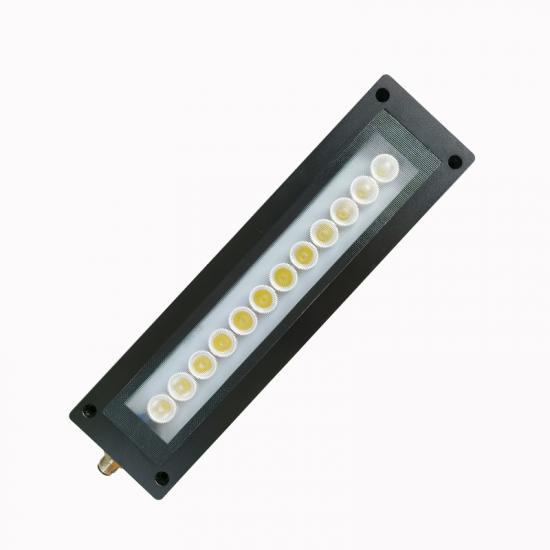
waterproof led cnc machine work light


Brightness and Lumens

You need to select the right brightness and lumens for your tasks. The intensity of your led work light determines how well you can see details and avoid shadows. For general use, you should look for models offering 1,000 to 3,000 lumens. Larger areas or specialized tasks require higher lumen outputs. For example, the HELLA S3000 provides 3,000 lumens, while the HELLA S5000 delivers even more. Automotive repairs demand careful consideration of light placement and intensity to minimize shadows and improve visibility. Adjustable brightness levels, such as those found in Otennlux products, allow you to tailor the light output for each task, enhancing both comfort and performance.


Product

Lumen Output

HELLA S3000

3,000 lumens

HELLA S5000

Higher than 3,000


Tip: Adjustable brightness and lumens help you reduce eye strain and improve task accuracy.


Beam Angle and Coverage

Beam angle and coverage play a critical role in how your led work light illuminates your workspace. Narrow beam angles focus light on specific zones, making them ideal for signs or targeted tasks. Wider beam angles provide broad illumination, which is perfect for car parks, warehouses, or large work areas. You should choose the best led work light with a beam angle that matches your environment and task requirements. Wide coverage ensures you avoid dark spots and maintain safety.

  • Narrow beam angles: Focused lighting for detailed tasks.

  • Wide beam angles: Broad illumination for large spaces.


Power Source Options

You must decide between plug-in, rechargeable, or cordless led work light models. Rechargeable led work light options offer flexibility and portability, with runtimes ranging from 3 to over 20 hours on a single charge. Plug-in models provide continuous use, making them suitable for long projects. Cordless led work light designs eliminate the need for cables, improving mobility and reducing clutter. Otennlux integrates energy-efficient technology in their models, ensuring you get reliable performance and lower power consumption.


Type

Runtime on Single Charge

Rechargeable LED

3 to over 20 hours

Plug-in LED

Continuous use


Durability and Build Quality

Durability and build quality are essential for any high-quality led work light. You should look for corrosion-resistant materials that prevent degradation. Sealed housings protect internal components from moisture and dust. Vibration-resistant mounting ensures stability in demanding environments. UV-stable lenses resist yellowing and damage from sunlight, extending the lifespan of your work light. For harsh or wet environments, you need models with IP ratings such as IP65 for basic water protection or IP69K for high-pressure washdowns. These features guarantee long-lasting quality and reliable performance.

  • IP65: Basic water protection.

  • IP69K: High-pressure washdown protection.


Portability and Mounting

Portability is crucial when you move between job sites or need hands-free operation. You can choose from several mounting options:

  • Clip flashlight: Attaches to clothing or bags for short tasks.

  • Headlamp: Mounted on a strap, follows your gaze, ideal for walking or climbing.

  • Magnetic work light: Fixes to steel surfaces, perfect for vehicle repairs or workshop tasks.

These mounting solutions enhance usability and allow you to focus on your work without holding the light.


Extra Features

Extra features add value and convenience to your led work light. USB charging, especially USB-C ports, enables fast recharging. Magnetic bases provide hands-free use in various settings. Some models serve as emergency powerbanks for your devices. Smart features like app control and motion sensors allow you to adjust settings remotely and reduce energy consumption by up to 95%. These innovations improve security and efficiency. Otennlux stands out for integrating advanced features and reliable technology, making their products a top choice for professionals seeking quality and performance.


Feature

Description

USB Charging

USB-C ports for rapid recharging

Magnetic Base

Hands-free use in multiple settings

Emergency Powerbank

Charges devices in emergencies


Note: Smart features such as app control and motion sensors enhance security and reduce energy use.


Compare, Evaluate, and Budget

Feature Checklist

You need a clear checklist to compare led work light options. This approach helps you avoid missing essential features and ensures you select the right model for your tasks. Most users prioritize brightness, durability, and price when making decisions. Consider the following:

  • Brightness: Practical applications range from 300 to 1500 lumens. For typical tasks, 500-800 lumens often suffice.

  • Durability: Look for construction materials like aircraft-grade aluminum and water resistance ratings. These features guarantee long-lasting quality.

  • Price: Seek professional-grade performance at accessible price points.

  • Power source: Decide if you need a rechargeable led work light or a cordless led work light for flexibility.

  • Extra features: USB charging, magnetic bases, and smart controls add convenience.

Tip: Use your checklist to compare models from reputable brands like Otennlux. This step ensures you get reliable performance and advanced features.


Balancing Cost and Value

You must balance cost with essential features and brand reputation. Many buyers make mistakes by focusing only on price or neglecting fixture placement. The table below highlights common errors:


Mistake

Explanation

Underestimating Fixture Quantities

Insufficient fixtures can lead to dark areas and inconsistent lighting, necessitating costly adjustments later.

Ignoring Voltage Drop Calculations

Long wire runs can diminish voltage, impacting the performance of the fixtures. Proper calculations ensure uniform light output.

Choosing Low-Quality Fixtures Based Solely on Price

Inexpensive fixtures may incur higher maintenance and replacement costs over time.

Poor Fixture Placement and Spacing

Incorrect spacing can result in glare and shadows, compromising visibility. Effective design prioritizes uniformity over sheer brightness.

Overlooking Future Maintenance Costs

Clients often neglect long-term costs, where a lower initial bid may not represent the best overall value.


You should use a led work light buying guide to evaluate options. Focus on quality, performance, and long-term value. Otennlux offers models that combine advanced features with durability, helping you avoid costly mistakes and maximize your investment.

You should match LED work light features to your specific needs for the best results. Use a checklist to compare options and make informed choices. Trusted brands like Otennlux lead with high CRI, adjustable color temperature, and ergonomic designs. Assess your requirements, follow a step-by-step approach, and start shopping confidently.


FAQ

What lumen output do you need for most work tasks?

You need 1,000 to 3,000 lumens for general tasks. Choose higher output for large spaces or detailed work.

How do you maintain your LED work light?

Clean the lens with a soft cloth. Store your light in a dry place. Check the battery and connections regularly.

Why choose Otennlux LED work lights?

Otennlux offers advanced features, high durability, and energy efficiency. You get reliable performance for both professional and home use.


Green and Smart Manufacturing A New Trend in the Steel Abrasives Industry

In recent years, the foundry, steel structure, automotive parts and machinery manufacturing industries have continued to upgrade their production requirements. As a result, the surface treatment industry is no longer focused only on cleaning efficiency. More customers are now paying attention to green manufacturing, smart production, stable quality and total cost control.


The foundry industry is moving toward greener, smarter and higher-quality development. Industry studies on China’s foundry sector also highlight that green manufacturing, intelligent production and high-quality development are becoming important directions during the 14th Five-Year Plan period. At the same time, green and intelligent casting also emphasizes digitalization, automation and process stability.


This trend creates higher requirements for the steel abrasives industry. For products such as steel shot, steel grit and cut wire shot, customers are no longer comparing only unit price. They are also looking at abrasive life, breakage rate, dust generation, surface treatment consistency and total operating cost.


Through smart production, standardized inspection and strict quality control, steel abrasive suppliers can help customers improve shot blasting efficiency, reduce abrasive waste and achieve more stable surface preparation results.


Why Has Green Manufacturing Become an Industry Focus?


In shot blasting and abrasive blasting operations, abrasive media not only affects cleaning performance, but also directly influences dust emission, waste generation, equipment wear and energy consumption.


Studies on sustainable blasting media point out that abrasive blasting has long been considered a process with potential exposure risks to respirable crystalline silica, especially when free-silica-containing abrasives are used. Research data also shows that from 2001 to 2010, around 2 million workers in the United States were potentially exposed to respirable crystalline silica, while the recommended exposure limit was only 0.05 mg/m³.


Therefore, low-dust, low-free-silica and recyclable abrasive media, such as Stainless Steel Cut Wire Shot, are becoming increasingly important in the surface treatment industry.


From a sustainability perspective, green abrasives are generally expected to have six key characteristics: zero free silica content, high efficiency, low media consumption, low waste generation, high recyclability and environmental friendliness. This shows that customers are shifting their focus from purchase price to abrasive durability, breakage rate, dust control, waste disposal and total cost of operation.


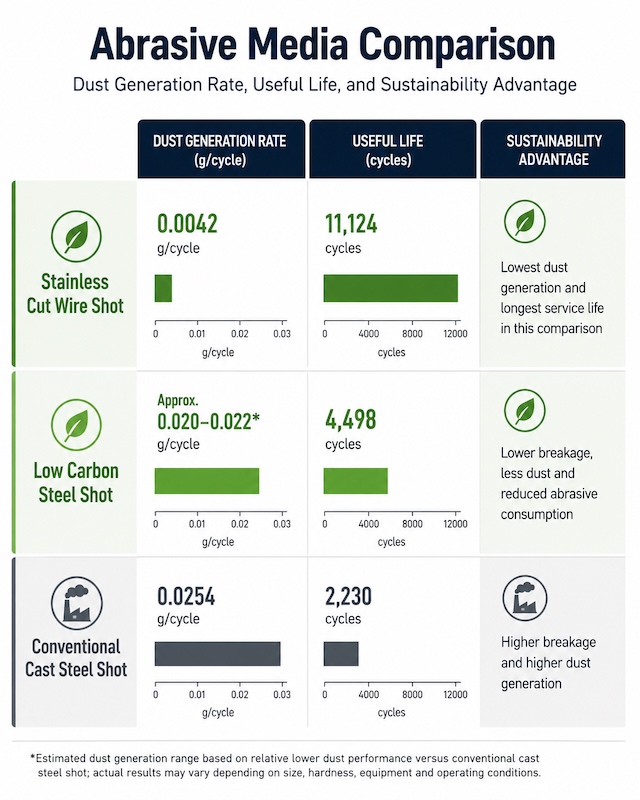
In practical media comparison, different abrasive types can show clear differences in dust generation and useful life under specific test conditions. For example, stainless cut wire shot showed a dust generation rate of 0.0042 g/cycle and a useful life of 11,124 cycles. Low carbon steel shot was estimated at around 0.020–0.022 g/cycle for dust generation, with a useful life of 4,498 cycles. Conventional cast steel shot showed a dust generation rate of 0.0254 g/cycle and a useful life of 2,230 cycles under the same comparative context.


Abrasive Media

Dust Generation Rate

Useful Life

Sustainability Advantage

Stainless Cut Wire Shot

0.0042 g/cycle

11,124 cycles

Lowest dust generation and longest service life in this comparison

Low Carbon Steel Shot

Approx. 0.020–0.022 g/cycle*

4498cycles

Lower breakage, less dust and reduced abrasive consumption

Conventional Cast Steel Shot

0.0254 g/cycle

2230 cycles

Higher breakage and higher dust generation

*Estimated value based on publicly reported 15%–20% lower dust generation compared with conventional high carbon steel shot. Actual dust generation may vary depending on abrasive size, hardness, blasting equipment, impact velocity and working conditions.


These data indicate that abrasives with better durability and lower breakage, including Low Carbon Steel Shot Abrasives, can usually generate less dust, reduce replacement frequency and help lower equipment wear and overall operating cost.


Research on steel shot blasting waste also reported that one metallurgical company generated about 20 tons of steel shot blasting waste per month, which required proper disposal. This further shows that if abrasive media has a high breakage rate and short service life, it can increase waste handling pressure, environmental management cost and long-term operating cost.


As a result, more customers are choosing low-consumption, low-dust, long-life and recyclable metallic abrasives. This is especially important for automatic shot blasting lines, continuous production systems and large-scale foundry cleaning operations, where stable abrasive performance directly affects production efficiency, cost control and green manufacturing performance.


How Does Smart Manufacturing Improve Abrasive Stability?

Smart manufacturing helps steel abrasive manufacturers better control key production stages such as melting, atomization, heat treatment, screening and packaging. For steel shot and steel grit production, stable chemical composition, proper hardness range, uniform particle size distribution and reliable internal microstructure all have a direct impact on final blasting performance.


In steel shot manufacturing, the cooling process is one of the key factors affecting product stability. Compared with traditional water quenching, air quenching can reduce water use in the cooling stage and lower wastewater treatment pressure, making the process more aligned with green and low-carbon manufacturing. At the same time, a stable cooling process can help improve internal structure, reduce the risk of internal defects and enhance abrasive durability and service life.


Smart and mechanized production also helps reduce variations caused by manual operation. It makes melting temperature, alloy composition, heat treatment time, screening accuracy and packaging weight more consistent. For customers, this means that different batches of abrasives can perform more consistently in hardness, particle size, impact behavior and cleaning results.


Standardized inspection is another key factor in abrasive stability. Through chemical composition analysis, hardness testing, particle size inspection, metallographic observation and Ervin life testing, manufacturers can identify batch differences and ensure that abrasive products meet stable quality requirements before entering the customer’s blasting system.


Control Point

Impact on Abrasive Stability

Customer Benefit

Melting Control

More stable chemical composition

Consistent hardness and impact performance

Air Quenching / Air Cooling

Reduced water use and more stable cooling process

Lower wastewater pressure and improved durability

Heat Treatment Control

Better hardness and toughness balance

Lower breakage and longer service life

Screening & Classification

More uniform particle size distribution

More consistent blasting results

Standardized Inspection

Batch quality verification

More reliable supply and fewer quality variations


Therefore, smart manufacturing is not only about automation. More importantly, it uses process control, green cooling technology, standardized inspection and batch traceability to reduce product variation and improve abrasive consistency. For automatic shot blasting lines, continuous production lines and large-scale casting cleaning, stable abrasive performance can help reduce breakage, dust generation and abrasive consumption while improving surface treatment consistency.


How Zhongxing Metal Responds to Industry Trends

Facing the trends of green manufacturing and smart production, Shandong Zhongxing Metal Products Co., Ltd. continues to upgrade its production capacity, quality control, environmental process and standardized management. The goal is to provide customers with more stable, reliable and sustainable steel abrasive solutions.


In terms of manufacturing capability, Zhongxing Metal continues to invest in intelligent production. On May 1, 2026, the company put a new intelligent mechanized melting production line into operation, with a total investment of RMB 50 million. After the new line is launched, the company’s annual production capacity will increase to 200,000 tons, with an estimated annual output value of RMB 800 million. This upgrade further strengthens the company’s large-scale production and stable delivery capability for steel shot, steel grit and other metallic abrasives.


In terms of production systems, Zhongxing Metal is equipped with medium-frequency induction furnaces, continuous drying lines, continuous quenching and tempering lines, steel grit crushing and screening lines, automatic weighing and packing systems, wire cutting machines and conditioning equipment. According to company information, the monthly capacity reaches approximately 6,000 MT for steel shot and steel grit, and approximately 3,000 MT for cut wire shot and Conditioned Cut Wire Shot Media. These facilities support continuous production, precise particle size control and stable product performance.


In green manufacturing, Zhongxing Metal integrates environmental considerations into raw material selection, process optimization, energy saving and recycling. The company uses high-quality steel scrap and alloy materials as raw materials, and controls product consistency through melting, atomization, screening, heat treatment and inspection. Metallic abrasives are reusable and recyclable, helping customers reduce waste generation and lower long-term operating cost.


In quality assurance, Zhongxing Metal has established a complete testing system. Each batch of products is inspected for chemical composition and physical performance. The company is equipped with testing instruments such as spectrometer, infrared carbon and sulfur analyzer, elemental analyzer, metallurgical microscope, hardness tester, Ervin life testing machine, sample mounting and polishing equipment. These instruments help control key indicators such as chemical composition, hardness, microstructure, particle size and abrasive life.


Zhongxing Metal has also obtained ISO 9001 Quality Management System, ISO 14001 Environmental Management System and ISO 45001 Occupational Health and Safety Management System certifications. The certification scope covers the production of metal abrasives, including steel shot, steel grit, alloy shot and cut wire shot. These certifications provide important support for international buyers when evaluating supplier reliability, quality consistency, environmental management and long-term cooperation capability.


In the future, competition in the steel abrasives industry will not be based only on price. It will increasingly depend on production capacity, quality stability, delivery capability, technical service and sustainable manufacturing. Zhongxing Metal will continue to support global customers through smart manufacturing, standardized inspection and green production, helping them improve shot blasting efficiency, reduce abrasive consumption and achieve more stable surface treatment results.


References

1. Xu G. Digital and Intelligent Green Casting System for Aluminum Alloy Low-Pressure Metal Mold Casting. Foundry, 2019, 68(4): 347–352. 

2. Zulkarnain I., Kassim N. A. M., Syakir M. I., Rahman A. A., Yusuff M. S. M., Yusop R. M., Keat N. O. Sustainability-Based Characteristics of Abrasives in Blasting Industry. Sustainability, 2021, 13(15): 8130. DOI: 10.3390/su13158130. 

3. Lermen R. T., Prauchner M. B., Silva R. A., Bonsembiante F. T. Using Wastes from the Process of Blasting with Steel Shot to Make a Radiation Shield in Mortar. Sustainability, 2020, 12(16): 6674. DOI: 10.3390/su12166674. 

4. Shot Peener Library. Shot Peening Media — Its Effect on Process Consistency. Technical reference document.

How Can Steel Grit Improve Surface Roughness Before Coating?

Surface roughness is one of the most important factors in coating performance. Before painting, powder coating or protective coating, metal surfaces usually need to be cleaned and roughened to create a suitable surface profile. This profile helps the coating bond more strongly to the substrate and improves long-term corrosion protection.


Steel grit, particularly Cast Steel Grit for Surface Preparation, is one of the most effective abrasive media for this process. Because of its angular shape and strong cutting ability, steel grit can remove rust, mill scale and old coatings while creating a controlled rough surface for better coating adhesion.


1. Why Surface Roughness Matters Before Coating

A coating does not perform well on a surface that is too smooth, contaminated or covered with rust and oxide scale. If the surface profile is not suitable, the coating may have poor adhesion, uneven thickness, premature peeling or reduced corrosion resistance.


Proper surface roughness helps create a mechanical anchor pattern. This allows the coating to grip the metal surface more effectively. For steel structures, tanks, pipes, machinery parts and heavy-duty components, a stable surface profile is essential for coating durability.


However, roughness must be controlled. If the surface is too smooth, coating adhesion may be weak. If the surface is too rough, it may require more coating material and increase the risk of uneven coverage. That is why abrasive selection is important.


2. How Can Steel Grit Improve Surface Roughness Before Coating?

Surface roughness is an important factor in coating performance. Before painting, powder coating or anti-corrosion coating, metal surfaces need to be cleaned and roughened to create a suitable surface profile for better coating adhesion.


Steel grit, acting as an excellent Abrasive Steel Grit for Rust Removal, is effective for this process because its angular shape and strong cutting action can remove rust, mill scale and old coatings while creating a controlled rough surface. In surface preparation, ISO 8501 is used to evaluate surface cleanliness after blast cleaning, while ISO 8503 is used to assess the surface profile or roughness before coating. The goal is not simply to make the surface rougher, but to achieve the right balance between cleanliness, surface profile and coating requirements.


ISO 8501 focuses on visual cleanliness. It helps determine whether the steel surface has been cleaned to the required preparation grade before coating.


ISO 8501: Surface Cleanliness After Blast Cleaning

ISO 8501 Preparation Grade

Meaning

Typical Use Before Coating

Sa 1

Light blast cleaning

Removes loose rust, loose mill scale and loose contaminants. Usually used for low-demand cleaning.

Sa 2

Thorough blast cleaning

Removes most mill scale, rust and foreign matter. Suitable for general industrial surface preparation.

Sa 2½

Very thorough blast cleaning

Removes visible oil, grease, dirt, mill scale, rust and old coatings. Any remaining traces should only appear as slight stains or strips. Commonly used for industrial protective coating.

Sa 3

Blast cleaning to visually clean steel

Surface is cleaned to a uniform metallic appearance. Used for high-performance coating systems or demanding anti-corrosion applications.


For many steel structure, tank, pipeline and heavy-duty coating applications, Sa 2½ is commonly required. For more demanding corrosion protection, Sa 3 may be specified.


ISO 8503: Surface Roughness and Surface Profile

After the surface reaches the required cleanliness level, the next question is whether the surface profile is suitable for coating adhesion. This is where ISO 8503 becomes important. ISO 8503 evaluates the roughness characteristics of blast-cleaned steel substrates. In practical inspection, ISO surface profile comparators can be used to visually and tactilely compare the blasted surface and classify the profile grade.

ISO 8503 Surface Profile Grade

General Meaning

Relationship with Steel Grit Blasting

Fine Profile

Relatively shallow surface profile

Suitable for thinner coating systems or applications where excessive roughness should be avoided.

Medium Profile

Moderate and controlled surface profile

Commonly used for many industrial coating and anti-corrosion applications.

Coarse Profile

Deeper surface profile

Suitable for heavy-duty coating systems, thick coatings or surfaces requiring stronger mechanical adhesion.


When steel grit is used for surface preparation, the surface profile is usually angular because steel grit cuts into the surface and creates sharp peaks and valleys. This profile can improve mechanical bonding between the coating and the steel substrate.


Typical Surface Profile Reference After Steel Grit Blasting

Surface Profile Requirement

Approximate Profile Range

Suitable Application

Steel Grit Selection Direction

Fine Profile

25–50 μm

Thin coatings, light surface preparation, components requiring moderate roughness

Finer steel grit

Medium Profile

50–85 μm

General protective coating, steel structures, machinery parts, tanks and pipelines

Medium steel grit, commonly used for coating preparation

Coarse Profile

85–120 μm or higher

Heavy-duty anti-corrosion coating, severe rust removal, thick coating systems

Coarser steel grit or harder grit depending on project requirements


A surface that is too smooth may reduce coating adhesion. A surface that is too rough may increase coating consumption and create uneven coverage. Therefore, the correct roughness should always match the coating supplier’s technical specification, project standard and customer requirement.


Why Steel Grit Is Effective for Controlled Surface Roughness

Compared with round steel shot, steel grit has an angular shape and stronger cutting ability. During blasting, steel grit removes rust, mill scale and old coatings while creating a roughened anchor profile on the metal surface.

This helps achieve three important results:

1. The surface becomes cleaner and better prepared for coating.

2. The coating can bond more strongly through mechanical anchoring.

3. A controlled surface profile can improve coating consistency and long-term corrosion protection.


For coating preparation, steel grit is especially suitable for steel structures, bridges, tanks, pipelines, shipbuilding, machinery parts and other applications where surface profile and coating adhesion are critical.


3.  Steel Grit vs Steel Shot Before Coating

Steel shot and steel grit are both metallic abrasives, but they create different surface effects.


Steel shot is spherical. It mainly cleans the surface through impact and produces a smoother finish. It is suitable for general cleaning, desanding and applications where a less aggressive surface is required.


Steel grit is angular. It cuts the surface more aggressively and creates a stronger surface profile. This makes it more suitable for coating preparation, heavy rust removal, mill scale removal and applications that require better coating adhesion.


For customers who need a clean and rough surface before coating, an Angular Steel Grit for Coating is usually the preferred option.


How to Choose the Right Steel Grit?

Different coating systems and workpieces require different surface profiles. Choosing the right steel grit requires consideration of the workpiece material, surface condition, coating requirement, blasting equipment and required roughness.


In steel grit selection, SAE J444 is commonly used as a reference standard for cast steel shot and steel grit size classification. This standard defines common grit size numbers such as G10, G12, G14, G16, G18, G25, G40, G50 and G80. These grit size numbers help users select suitable abrasive media according to the required cleaning strength and surface profile.


In general, coarser steel grit can create a deeper surface profile and stronger cutting effect, making it suitable for heavy rust removal, thick mill scale removal and large steel structure preparation. Finer steel grit can create a more moderate and uniform profile, making it suitable for thinner coatings, smaller parts or applications where excessive roughness should be avoided.


Steel Grit Size Reference Grit Characteristics Surface Treatment Effect Suitable Applications

Steel Grit Size Reference

Grit Characteristics

Surface Treatment Effect

Suitable Applications

G10 / G12 / G14 / G16 / G18

Coarser steel grit

Creates a deeper surface profile with stronger cutting action

Heavy rust removal, thick mill scale removal, large steel structures, heavy-duty coating preparation

G25 / G40

Medium steel grit

Provides a balanced surface profile, combining cleaning efficiency and coating adhesion

General coating preparation, steel structures, machinery parts, anti-corrosion surface preparation

G50 / G80

Finer steel grit

Creates a finer and more uniform surface profile

Thin coatings, small workpieces, light surface preparation, applications where excessive roughness should be avoided


However, grit size is not the only factor that determines the final surface roughness. Steel grit hardness, blasting pressure, wheel speed, impact angle, substrate hardness and initial surface condition can all influence the final surface profile. Therefore, SAE J444 can help guide steel grit size selection, but the actual surface roughness should still be verified according to the coating specification and project requirements.


Influencing Factor

Impact on Surface Roughness

Steel Grit Size

Coarser grit usually creates a deeper profile, while finer grit creates a more uniform and shallower profile

Steel Grit Hardness

Higher hardness provides stronger cutting ability and faster profile creation

Blasting Pressure / Wheel Speed

Higher impact energy usually increases cleaning intensity and surface roughness

Impact Angle

Different impact angles affect cutting action and surface profile shape

Substrate Hardness

Harder substrates may require higher impact energy or a more suitable grit size to achieve the required profile

Initial Surface Condition

Rust, mill scale and old coating thickness affect cleaning efficiency and final surface results


Steel grit hardness is also important. Harder grit can provide stronger cutting performance and create the surface profile more quickly, while softer grit may be more suitable for less aggressive cleaning and longer media life under certain working conditions.


A suitable steel grit should help customers balance cleaning speed, surface profile, coating consumption and total blasting cost. The goal is not simply to choose the coarsest or hardest grit, but to select the right grit size and hardness according to the required surface preparation result.


4. How Zhongxing Metal Supports Surface Preparation

Shandong Zhongxing Metal Products Co., Ltd. provides steel grit for surface preparation, rust removal, descaling and coating preparation applications. Our steel grit is designed to support strong cutting performance, controlled surface roughness and stable blasting results.


We offer different steel grit sizes and hardness options to match various customer requirements. According to the workpiece material, surface condition, coating specification and blasting equipment, we can help recommend suitable abrasive media for practical production needs.


For customers in steel structures, foundries, machinery manufacturing, shipbuilding and surface treatment industries, choosing the right steel grit can help improve blasting efficiency, coating adhesion and overall surface preparation quality.


With stable product quality, reliable supply capability and professional technical support, Zhongxing Metal has established long-term cooperation with many domestic and international shipyards, steel structure companies, foundries and machinery manufacturers. Shipbuilding and heavy-duty anti-corrosion coating applications require strict surface preparation quality, where grit size consistency, hardness control, cutting performance and durability directly affect blasting efficiency, surface profile and coating adhesion.


Through controlled production and strict quality inspection, Zhongxing Metal focuses on product consistency and batch stability. Our steel grit products have gained recognition from customers in both domestic and overseas markets for stable cleaning results, controlled surface roughness and reliable performance in continuous blasting operations.


In the future, Zhongxing Metal will continue to provide reliable steel grit solutions for shipbuilding, steel structures, bridge construction, foundries, machinery manufacturing and industrial surface treatment, helping customers improve blasting efficiency, coating adhesion and total surface preparation cost control.

How to Select the Right Abrasive Media for Shot Blasting?

Why does one blasting line clean steel plates quickly while another line struggles with the same rust grade? Why does a surface look clean but still fail coating inspection? Why does abrasive consumption rise even when the purchase specification has not changed? In most cases, the answer is not a single factor. It is usually the combination of abrasive shape, particle size, hardness, machine condition, and surface requirement.


Abrasive media selection is an engineering decision, not just a purchasing item. Steel grit is chosen for cutting action and surface profile. Steel shot is used when cleaning and peening are more important than sharp roughness. Stainless steel cut wire is used when iron contamination must be avoided. Copper cut wire is selected for softer metallic finishing on compatible non-ferrous parts.


Start with the Surface Requirement, Not the Abrasive Name

Before choosing an abrasive, define what the surface must look like after blasting. A casting shop may need to remove burnt-on sand and oxide scale. A steel structure fabricator may need a surface profile suitable for epoxy coating. A stainless component manufacturer may need contamination-free cleaning without carbon steel residue. These are different engineering problems.


In most industrial blasting applications, three targets must be controlled: cleanliness, roughness, and productivity. Cleanliness is the removal of rust, mill scale, sand, coating, or heat-treat scale. Roughness is the anchor profile left on the surface. Productivity is the time and abrasive consumption needed to achieve the required result. If one of these is ignored, the blasting process becomes unstable.


Engineering Target What It Means in Production Why It Matters
Cleanliness Removal of rust, scale, sand, paint, or oxide Poor cleanliness causes coating failure, welding issues, or rejected castings
Surface profile Controlled roughness after blasting Too low reduces coating adhesion; too high increases paint consumption
Cycle time Minutes required per batch or per square meter Directly affects production capacity and energy cost
Abrasive durability How long media remains usable before breakdown Controls replenishment rate, dust load, and operating cost
Substrate safety No distortion, denting, contamination, or over-blasting Prevents scrap, rework, and dimensional problems

Media Shape: Why Steel Grit Cuts Differently from Steel Shot

Media shape has a major effect on surface profile. Steel shot is generally round. It peens the surface, removes light scale, and leaves a smoother profile. Steel grit is angular. It cuts into the surface and creates a sharper anchor pattern. Cut wire shot starts as cylindrical particles and gradually conditions during use, giving a more consistent working mix than many irregular abrasives.


For coating preparation, angular grit is often preferred because it creates a more aggressive surface profile. For peening, deburring, and cleaning where the surface should not be too sharp, round shot or conditioned cut wire may be more suitable. For non-ferrous or stainless parts, media material becomes just as important as shape, because cross-contamination can create corrosion risk.


Abrasive Type Typical Shape Main Action Best-Fit Applications
Steel shot Round Peening and cleaning Castings, forgings, descaling, shot peening, general cleaning
Steel grit Angular Cutting and profiling Steel plates, structures, coating preparation, heavy rust removal
Stainless cut wire Cylindrical, then conditioned Clean impact with low contamination risk Stainless steel, aluminum, precision parts, food-grade equipment
Copper cut wire Cylindrical Soft metallic cleaning and finishing Copper alloy parts, non-ferrous surfaces, decorative finishing

Particle Size: The Main Driver of Impact Energy

Larger particles carry more impact energy. Smaller particles provide more surface coverage per kilogram. This is why coarse media can remove heavy scale faster, while fine media often produces a more uniform finish on smaller or thinner parts. The mistake many buyers make is assuming that larger always means better. In reality, large particles can over-profile the surface, reduce coverage, and increase wear inside the blast machine.


For example, G25 Steel Grit for Blasting is commonly selected when the job requires a strong cutting action and a measurable anchor profile. It can work well on steel structures, plates, and components that need coating adhesion. However, if the substrate is thin or the coating specification requires a fine profile, a smaller grit size may be safer.


Media Size Range Relative Impact Surface Coverage Typical Engineering Use
Fine grades Low to medium High Light rust, thin parts, finishing, small castings
Medium grades Medium Balanced General cleaning, fabrication parts, medium scale
Coarse grades High Lower Heavy rust, thick scale, large castings, coating preparation
Very coarse grades Very high Low Severe contamination, heavy plate, robust castings

Chart: How Abrasive Size Changes Blasting Behavior

The chart below shows a practical engineering relationship. Values are relative indicators for comparison, not fixed laboratory numbers. Actual results depend on wheel speed, air pressure, abrasive flow rate, workpiece hardness, angle of impact, and machine condition.

Abrasive Size Category Cleaning Power Surface Coverage Typical Profile Depth
Fine ■■■□□□□□□□ 30% ■■■■■■■■□□ 80% Low
Medium ■■■■■■□□□□ 60% ■■■■■■□□□□ 60% Medium
Coarse ■■■■■■■■□□ 80% ■■■■□□□□□□ 40% Medium to high
Very coarse ■■■■■■■■■□ 90% ■■■□□□□□□□ 30% High

Hardness and Durability: Why Cheap Media Can Cost More

Abrasive hardness affects both cleaning speed and breakdown rate. A harder particle cuts faster, but if it is too brittle, it may fracture quickly and generate fines. Softer media may last longer in some conditions, but it may clean slowly or fail to produce the required profile. The best media must hold a stable working mix inside the machine.


In wheel blast machines, unstable media causes several problems: high dust load, inconsistent surface finish, reduced visibility, separator overload, and faster wear of blades and liners. Engineers should not judge abrasive quality only by the first batch result. A useful test should run long enough to measure consumption rate and working mix stability.


Measured Item Good Sign Warning Sign
Abrasive breakdown Stable particle size distribution after repeated cycles Rapid increase in dust and fines
Cleaning speed Required cleanliness reached within target cycle time Repeated blasting needed for the same part
Machine wear Normal blade, liner, hose, and nozzle life Maintenance interval becomes shorter after media change
Surface consistency Similar roughness and appearance across batches Patchy finish or unstable surface profile

When to Use Stainless Steel Cut Wire

Carbon steel abrasives are not suitable for every substrate. When blasting stainless steel, aluminum, zinc die castings, or components that must remain free from iron contamination, using carbon steel media can create later corrosion problems. Small embedded iron particles may rust after exposure to moisture, even when the base material itself is corrosion resistant.


This is where Stainless Steel Cut Wire Shot becomes valuable. It is commonly used when the surface must be cleaned without introducing carbon steel residue. In engineering terms, the benefit is not only appearance; it is contamination control. Industries such as food machinery, medical equipment, stainless fabrication, valves, and aluminum components often require this extra control.


Workpiece Material Risk with Carbon Steel Media Recommended Direction
Stainless steel Embedded iron contamination and later rust staining Use stainless cut wire or approved non-ferrous media
Aluminum Surface discoloration or excessive impact damage Use softer or contamination-controlled media
Copper alloy Color change and surface contamination Use copper or other compatible media
Carbon steel Usually acceptable Steel shot or steel grit depending on profile requirement

When Copper Cut Wire Makes Engineering Sense

Copper cut wire is not selected for aggressive descaling. It is selected when the surface needs softer metallic impact, color compatibility, or controlled finishing on non-ferrous components. Compared with steel media, copper is softer and less aggressive, which makes it useful for parts where surface damage must be reduced.


For example, Copper Cut Wire Shot Media may be used for copper alloy parts, electrical components, decorative hardware, and certain finishing operations where carbon steel contamination is unacceptable. The key is to match the media material with the workpiece material and the final appearance requirement.


Machine Type Changes the Abrasive Decision

The same abrasive can perform differently in different equipment. A wheel blast machine throws abrasive at high volume and is efficient for plates, beams, castings, and batch production. An air blast system gives more control but depends heavily on air pressure, nozzle distance, and operator technique. A tumble belt machine exposes parts differently from a hanger-type machine.


Before changing media, engineers should inspect the blasting system. Worn wheel blades, poor separator adjustment, damaged screens, low air pressure, and dust collector problems can all look like abrasive failure. In many plants, the media gets blamed when the real problem is machine condition.


Machine Type Common Abrasive Choice Engineering Checkpoint
Wheel blast machine Steel shot, steel grit, cut wire Check wheel wear, abrasive flow, separator efficiency
Air blast room Steel grit, cut wire, specialty media Check air pressure, nozzle size, hose condition
Tumble belt machine Steel shot or smaller cut wire Avoid part-on-part damage and over-blasting
Hanger-type machine Shot, grit, or cut wire depending on part Confirm shadow areas and rotation coverage

Abrasive Selection Matrix for Common Problems

The following matrix gives a practical starting point. It should not replace testing, but it helps narrow the selection before requesting samples or quotations.


User Problem Likely Cause Recommended Media Direction What to Test
Rust removal is too slow Media too small, worn machine, low impact energy Medium or coarse steel grit Cycle time, roughness, dust level
Paint adhesion is poor Insufficient surface profile or poor cleanliness Angular steel grit Profile depth and cleanliness grade
Stainless parts show rust stains later Carbon steel contamination Stainless cut wire Contamination test after blasting
Thin parts are dented Media too large or impact too strong Smaller shot or softer media Flatness, edge condition, surface profile
Dust collector load is high Media breakdown or poor separation Higher durability media; inspect separator Fines percentage and replenishment rate

How to Run a Useful Abrasive Trial

A proper abrasive trial should be controlled. Use the same machine, same part type, same blasting time, same loading quantity, and same inspection method. If possible, test two media sizes side by side. Do not rely only on operator comments such as “it looks cleaner” or “it feels faster.” Record numbers.


Trial Data How to Measure Why It Matters
Cycle time Minutes per batch or per square meter Shows production efficiency
Abrasive top-up Kg added per shift Shows consumption and breakdown
Surface roughness Profile gauge or roughness tester Confirms coating suitability
Cleanliness Visual standard or inspection grade Confirms whether blasting target is reached
Rework rate Percentage of parts blasted again Shows hidden cost

Cost per Ton vs. Cost per Finished Part

Purchasing teams often compare abrasives by unit price. Engineers should push the calculation further. The real cost includes abrasive consumption, electricity, machine wear, labor, dust collection, rework, and coating performance. A lower-priced abrasive that breaks quickly may be more expensive in daily production.


Cost Factor Low-Quality Media Impact Better Media Impact
Purchase price Lower initial cost Higher initial cost
Consumption rate Often higher due to breakdown Lower if media has stable durability
Dust generation Higher filter load and cleaning work Cleaner operating environment
Cycle time May be longer Can be shorter with correct media
Rework Higher if finish is inconsistent Lower with stable working mix

What Engineers Should Ask Before Ordering Abrasive Media

A clear inquiry helps the supplier recommend the right product. Instead of asking only for price, provide technical details. The most useful information includes workpiece material, thickness, surface condition, blasting machine type, required roughness, current media, current problem, monthly consumption, and target delivery time.


If the job is coating preparation, include the coating system and required profile range. If the job is casting cleaning, include casting material, sand condition, and target cycle time. If the job involves stainless or non-ferrous parts, state whether iron contamination is acceptable. These details prevent wrong media selection and reduce testing time.


Information to Provide Example
Workpiece material Carbon steel plate, stainless steel part, aluminum casting, copper alloy component
Surface condition Light rust, mill scale, heat scale, burnt sand, old coating
Machine type Wheel blast, air blast, tumble belt, hanger type, blast room
Required result Coating profile, clean casting, satin finish, contamination-free surface
Current problem Slow cleaning, high dust, roughness too high, rust stains after blasting


The most reliable abrasive choice comes from matching the media to the surface problem, machine condition, and inspection requirement. Steel grit is a strong choice when the surface needs cutting action and coating profile. Stainless cut wire is better when contamination control matters. Copper cut wire is useful when softer metallic finishing is required on compatible non-ferrous parts. A short controlled trial with recorded data will usually save more money than choosing only by catalog grade or ton price.

Why LED Stack Lights Are the Smarter Choice Over Traditional Signal Lights

You want a smarter solution for your facility. Otennlux led stack lights give you significant energy savings and a longer lifespan. These lights improve safety by eliminating dark zones and boosting visibility. With fewer replacements and less downtime, you keep your operations running smoothly with a led stack light.


Key Takeaways

  • LED stack lights use up to 90% less energy than traditional lights, leading to lower utility bills and cost savings.

  • These lights last up to 25 times longer than older models, reducing maintenance and replacement costs significantly.

  • LED stack lights enhance visibility and safety in industrial settings, helping to prevent accidents and improve hazard detection.


Energy Efficiency and Cost Savings with LED Stack Light

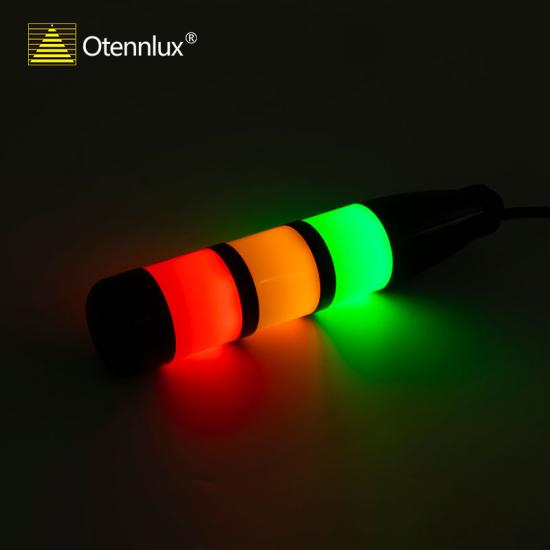
3colors 3 layers waterproof led stack light


Lower Power Use and Utility Bills

You want to cut costs and boost efficiency in your facility. LED stack lights help you do both. These lights use up to 90% less energy than traditional stack lights. That means you see a real drop in your utility bills every month. Otennlux offers advanced solutions that let you upgrade your industrial stack light system without worrying about high power consumption.

LED stack lights also produce less heat. This keeps your environment cooler and safer for your team. You avoid the risk of overheating, which can damage sensitive equipment or create hazards in your production area. When you choose Otennlux, you get a stack light with buzzer options and a range of stack light color code choices. This gives you flexibility and control over your signaling system.

Tip: Lower energy use does not mean lower brightness. LED stack lights deliver strong visibility, even in bright industrial settings.


Reduced Maintenance and Replacement Costs

Traditional stack lights burn out quickly. You spend time and money replacing bulbs and fixing issues. LED stack lights last much longer. You can expect up to 25 times the lifespan compared to older lights. This means fewer interruptions and less maintenance for your machine and production lines.


Otennlux designs its LED stack light products for reliability. You get consistent performance, even in tough industrial environments. You do not need to worry about frequent repairs or downtime. This reliability improves safety and keeps your operations running smoothly.

  • Key Benefits:

    • Lower maintenance costs

    • Fewer replacements

    • Improved safety for your team

    • Better flexibility for changing needs

When you switch to LED stack lights, you invest in a solution that supports your business long-term. You save money, reduce hassle, and create a safer workplace with better visibility.


Durability, Performance, and Application Benefits

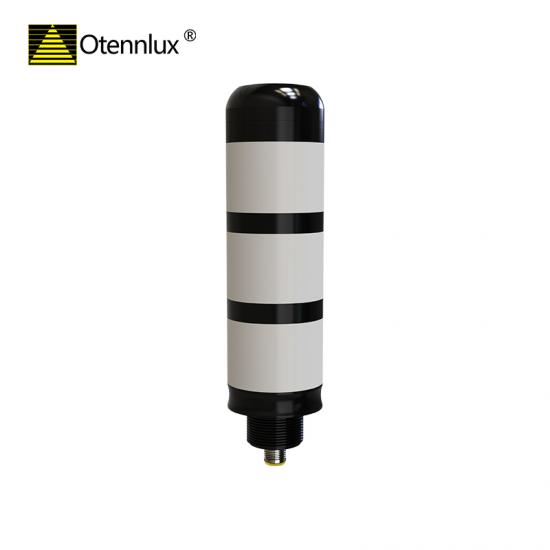
3 layers waterproof led stack light for outdoor


Longer Lifespan and Reliability

You want your industrial stack light to last. LED stack lights deliver an extremely long lifetime—up to 25 times longer than traditional stack lights. You avoid frequent maintenance and replacement, which saves you money and keeps your production running. Otennlux designs led stack light solutions with shock and vibration resistance. These lights withstand tough industrial environments and keep your machine signaling reliable. You get consistent performance, even when your production line faces heavy use. Compact size and clear colors make installation easy and ensure your stack light color code stays visible.


Enhanced Visibility and Safety

Visibility matters in every industrial setting. LED stack lights provide very high brightness and eliminate dark zones. Operators see machines clearly, reducing accidents and improving hazard detection. The table below shows how led stack lights outperform traditional stack lights in industrial visibility:


Advantage

Description

Eliminating dark zones

LED lights provide consistent illumination, reducing areas of poor visibility.

Enhancing machine visibility

Improved lighting helps operators see machinery clearly, reducing accidents.

Improving hazard detection

Better lighting allows for quicker identification of potential hazards.

Supporting compliance

LED lighting meets safety standards, ensuring a safer work environment.


You boost safety in your facility. Typical applications of industrial stack lights include oil and gas, chemical, pharmaceutical, food and beverage, energy, and mining. These industries rely on stack light with buzzer options to alert personnel and monitor equipment status. You meet safety standards and protect your team.

  • LED stack lights enhance safety and operational efficiency.

  • They signal equipment status and alert personnel to hazards.

  • They help meet hygiene and safety standards in food and beverage production.

  • They monitor worker safety and equipment in mining.


Flexible Design and Modern Controls

You need flexibility in your industrial stack light system. Otennlux offers led stack lights with modern controls and customizable features. You choose stack light color code, buzzer options, and brightness levels to fit your production needs. Compact size lets you install these lights anywhere. Maintenance becomes easier, and you adapt quickly to changing requirements. You get a solution that grows with your business and keeps your operations safe and efficient.


You build a safer and more efficient factory with led stack lights from Otennlux. Choose flexibility, safety, and long-term savings.

  • LED stack lights boost energy efficiency and extend system lifespan.

  • They reduce downtime and maintenance.

  • Choosing the right voltage and following step-by-step: how to select the right mucco led stack light ensures the best results.


FAQ

How do LED stack lights improve machine safety in industrial production?

You boost machine safety with LED stack lights. Operators see clear signals. Otennlux stack light with buzzer options alert your team. You reduce accidents and protect your industrial environment.


Can I customize stack light color code and buzzer for my machine?

You choose stack light color code and stack light with buzzer features for your machine. Otennlux gives you flexibility. You match signals to your industrial production needs and improve communication.


Is programming required for installing LED stack lights on industrial machines?

You install LED stack lights easily. Programming is simple. Otennlux designs stack lights for fast integration. You minimize maintenance and downtime. Your machine stays reliable in industrial production.

Tip: Regular maintenance keeps your machine running smoothly and extends the life of your industrial stack lights.


Anhui Huanrui Unveils TC-200/300 Smart Explosion-Proof Temperature Controller Precision and Safety for Industrial Heat Tracing

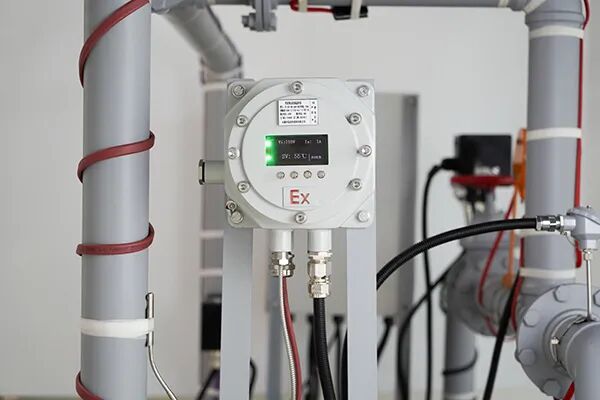
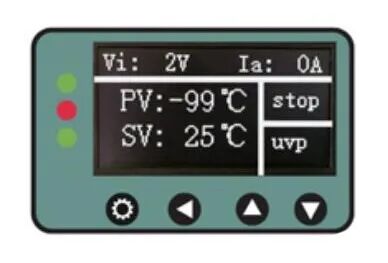
In demanding industrial environments, temperature control is more than a matter of efficiency—it is the frontline of operational safety. Anhui Huanrui has officially launched the TC-200/300 Smart Digital Display Explosion-Proof Temperature Controller, a high-precision terminal designed specifically to serve as the "intelligent brain" for advanced electric heat tracing systems.

核心优势 (Key Highlights)

Dual-Mode Intelligence: Featuring a high-contrast digital interface for local monitoring and RS485 Modbus RTU support for seamless remote integration, reducing the need for manual on-site intervention.


Comprehensive Data Visualization: The unit displays temperature, current, voltage, and hysteresis values simultaneously, ensuring operators have a full diagnostic picture at a glance.


High-Precision Sensing: Equipped with a built-in PT100 sensor, the controller maintains a rigorous accuracy of ±0.5°C.

工业级防爆等级 (Industrial-Grade Explosion Protection)

The TC-200/300 is engineered for the world’s harshest "Zone 1" and "Zone 21" environments, meeting stringent safety standards:


Protection Type Certification Code Application Area

Gas Explosion-Proof Ex db IIC T6 Gb Zones 1 & 2 (including Hydrogen & Acetylene)

Dust Explosion-Proof Ex tb IIIC T80°C Db Zones 21 & 22 (Conductive Dust)

Ingress Protection IP66 Complete protection against dust and high-pressure water jets

The unit is housed in a heavy-duty 304/316 Stainless Steel or Carbon Steel flameproof enclosure, ensuring durability against corrosive and volatile atmospheres.

智能监控与全方位报警 (Smart Monitoring & Multi-Dimensional Alarms)

To prevent system failure and minimize downtime, the TC-200/300 features an exhaustive alarm matrix:


Temperature: High/Low-temperature alerts.


Electrical: Overvoltage/Undervoltage and Overcurrent/Undercurrent protection.


Stability: Customizable hysteresis settings to prevent frequent switching and false alarms.


Self-Diagnostics: Automatic sensor fault detection.


技术参数 (Technical Specifications)

Rated Current: 40A (Compatible with self-regulating, constant wattage, and MI cables)


Measurement Range: -100°C to +300°C


Operating Ambient Temp: -40°C to +55°C


Wiring Interfaces: 3 × M25 + 2 × M20 for flexible installation.


Humidity Tolerance: ≤95% RH


行业应用 (Industrial Applications)

From offshore platforms to pharmaceutical plants, the TC-200/300 is built for versatility:


Petrochemical & Natural Gas


Pharmaceutical Engineering


Offshore Oil & Gas Platforms


Hazardous Chemical Storage

About Anhui Huanrui

Anhui Huanrui remains committed to providing safe, stable, and intelligent electric heat tracing solutions. The TC-200/300 represents our dedication to "Hardcore Tech" that protects every inch of your pipeline, ensuring that warmth and safety go hand in hand.

Holding the Line at -25°C The Invisible Guardian Behind the "Night Battles" of Heavy Oil Thermal Recovery

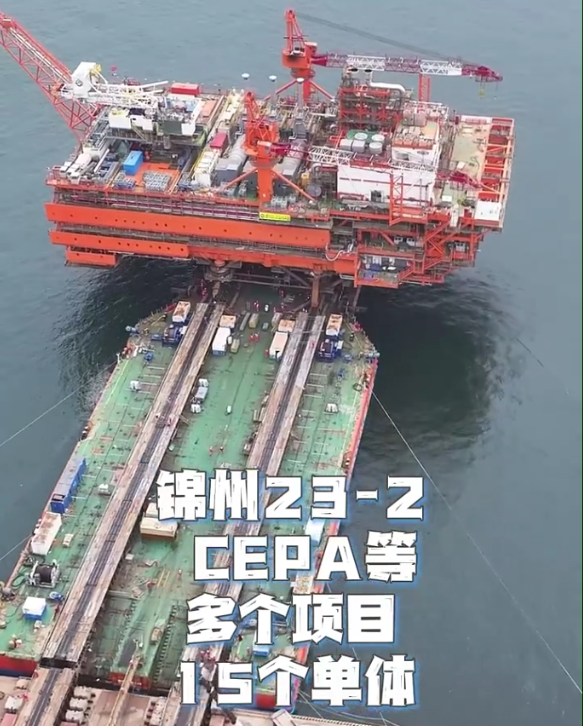
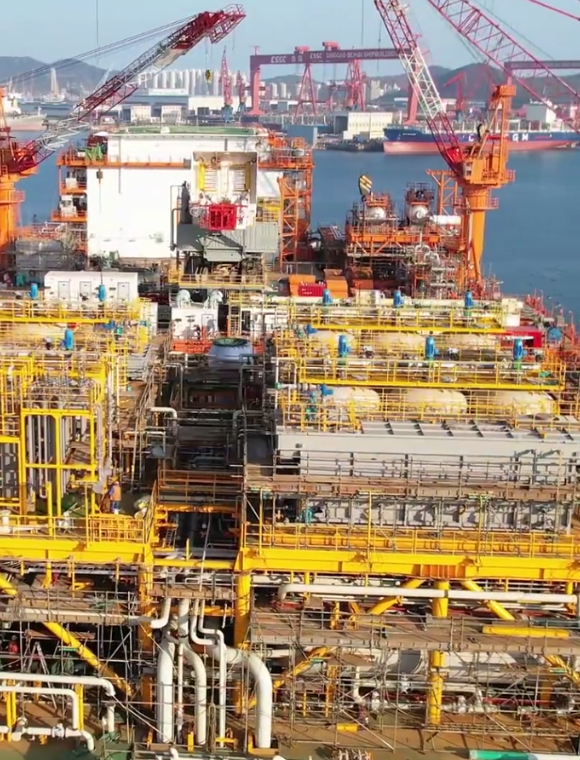
In the northern reaches of the Liaodong Bay in the Bohai Sea, biting winds howl and sea ice stacks high. The temperatures in the waters surrounding CNOOC's Jinzhou 23-2 oilfield have plummeted to a bone-chilling -25°C. Yet, on the eve of the Spring Festival, the offshore platform presents a bustling scene of "nighttime operations and intense extraction"—China's first offshore multi-layer heavy oil thermal recovery oilfield is operating safely and at peak efficiency.

The Jinzhou 23-2 oilfield not only marks a critical breakthrough in China's offshore heavy oil thermal recovery technology, but it also plays a vital role in national energy supply. In these frozen waters, offshore workers stand firm on the production frontline, battling the extreme cold and racing against time to keep the nation's energy arteries flowing smoothly.

However, the extreme arctic environment poses a severe threat to oilfield production. If the pipeline systems handling crude oil, seawater, freshwater, diesel, and chemical agents were to freeze, both production safety and efficiency would be immediately paralyzed. How do you keep these critical lifelines unobstructed in the bitter cold?

A "Thermal Armor" Woven from 100,000+ Meters of Heat Tracing Cables

At the production site, an intelligent thermal preservation system, woven from over 100,000 meters of Anhui Huanrui's self-regulating heating cables, is quietly safeguarding more than 30,000 meters of complex pipelines across the Jinzhou 23-2 facility.

This system is meticulously engineered to address the specific physical characteristics of different pipeline mediums:

  • Crude Oil Pipelines: Maintained at optimal temperatures to guarantee the continuous fluidity of the heavy oil.

  • Seawater & Freshwater Pipelines: Strictly protected against freezing to ensure uninterrupted fire safety networks and production water supplies.

  • Diesel Pipelines: Kept at stable temperatures to secure a reliable, continuous power supply for heavy equipment.

  • Chemical Agent Pipelines: Provided with highly precise temperature control to maintain the stability and performance of necessary chemical additives.

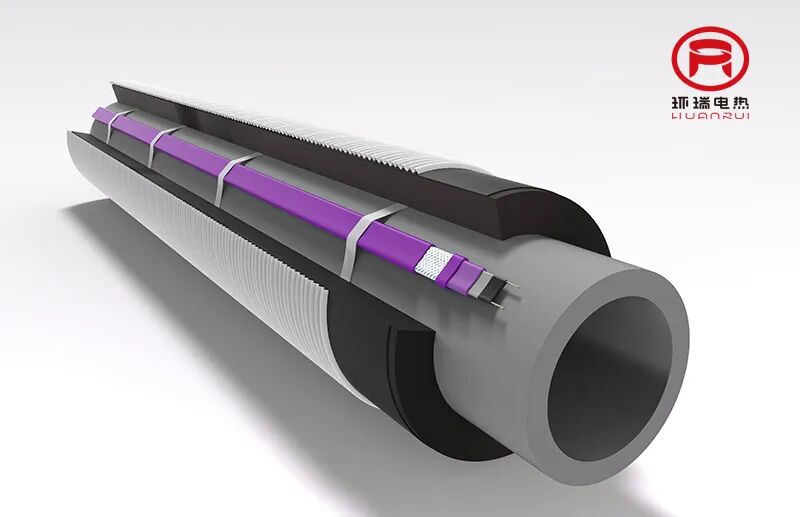
Leveraging their self-regulating characteristics, Huanrui's heat tracing cables automatically adjust output power according to the surface temperature of the pipelines, achieving precise and highly energy-efficient thermal management. In the extreme -25°C environment, this technological edge is vital—it effectively prevents freezing while completely avoiding the energy waste and safety hazards associated with overheating.

Efficient Extraction Safeguarded by Advanced Technology

When operating an oilfield in extreme cold, every single operational link must be utterly foolproof. The heat tracing system must do more than just prevent ice; it must be ruggedized to withstand the brutal realities of an offshore marine platform.

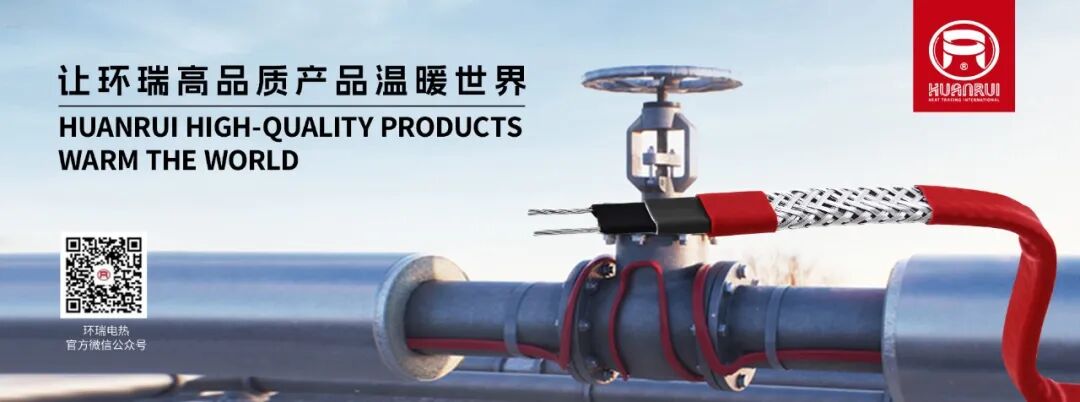
  • Flexible Installation: The pliable nature of Huanrui's self-regulating cables allows them to tightly wrap around highly complex piping architectures, providing 100% thermal coverage even over irregular components like valves, flanges, and pump bodies.

  • Marine-Grade Durability: A multi-layered protective structure design ensures long-term, stable operation despite the constant assault of high humidity and severe salt spray.

  • Corrosion & Explosion Resistance: Fully certified and engineered to meet the stringent safety and maintenance protocols required for offshore oil and gas production.

A Warm Escort: Securing Energy for the Nation

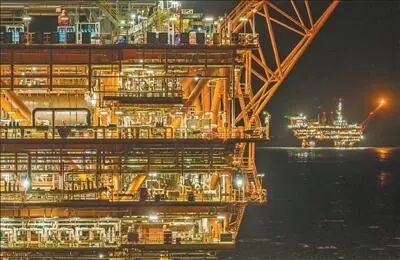
As night falls, the floodlights of the Jinzhou 23-2 oilfield pierce the darkness of the icy sea. Simultaneously, over 100,000 meters of Huanrui self-regulating heating cables deliver vital warmth to every terminal of the production system. This is more than a technological victory; it is a profound display of responsibility and endurance.

During the Spring Festival—a traditional time for family reunions—these oilfield workers use their steadfast dedication to fulfill their duty of securing the nation's energy. In return, this highly reliable heat tracing system uses the power of modern thermal engineering to silently, constantly support their mission.

Winter Ice & Snow Hazards Far More Than Just a "Cold" Issue

How Anhui Huanrui's Electric Heat Tracing Systems Secure Modern Building Infrastructure

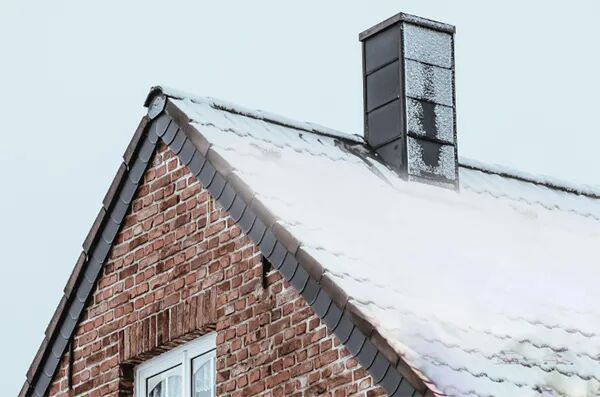
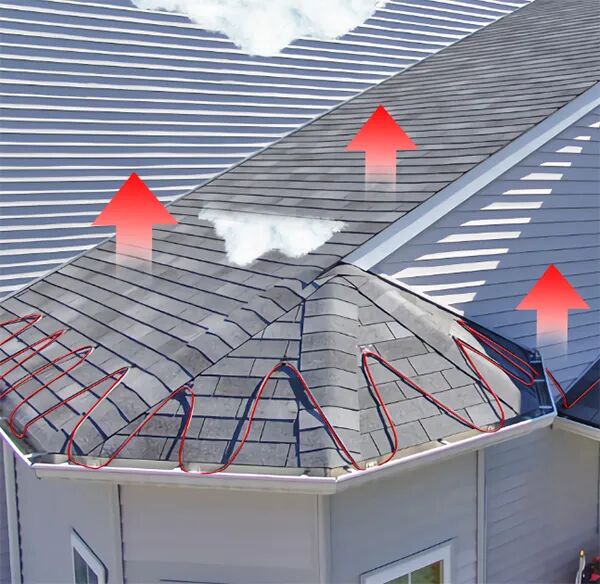
When heavy snow blankets a roof, it does not simply sit there quietly. As temperatures fluctuate, winter precipitation undergoes a continuous, destructive process of melting and refreezing. This cycle triggers a series of operational and structural hazards that threaten building longevity, asset value, and pedestrian safety.

"Secondary freezing is the true catalyst for winter infrastructure damage. When drainage pathways are blocked, trapped meltwater spreads across building components and refreezes overnight, multiplying the structural risk profile."

The Architectural Threat Vector: 5 Critical Ice Hazards

  • Hazard 01 | Roof Overloading & Freeze-Thaw Structural Damage Repeated freeze-thaw cycles aggressively degrade roofing membrane materials and waterproofing layers. Over time, heavy snow and ice accumulation can lead to localized load capacities being severely exceeded, compromising building safety and lifespan.

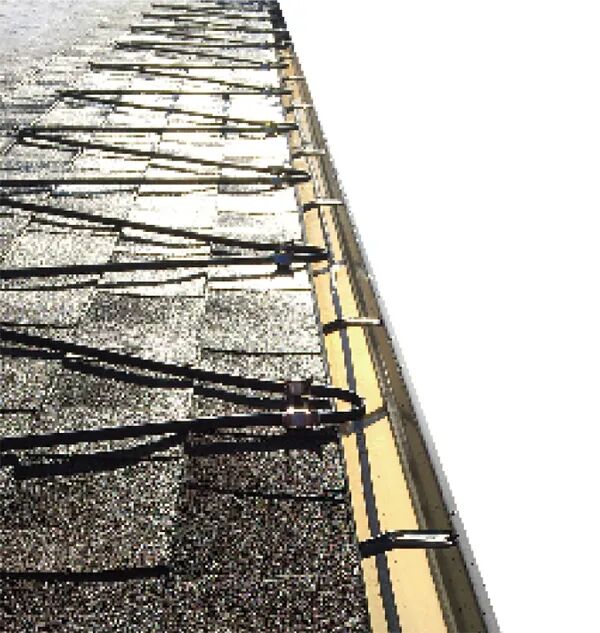
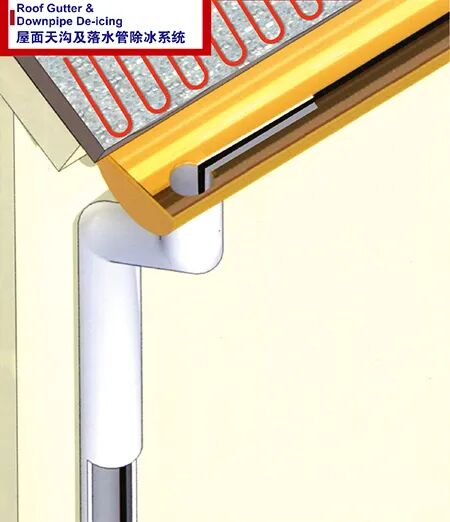
  • Hazard 02 | Gutter Blockage & Interior Water Infiltration If snow and ice accumulation within roof gutters are not promptly melted, they form solid ice dams. These dams completely block drainage pathways, forcing subsequently melted water to back up, overflow, and seep into internal structures, causing severe moisture damage and structural distortion.

  • Hazard 03 | Frozen Roof Drains & High-Altitude Icicle Formation When roof drains freeze solid, meltwater is denied its standard exit path. The water is forced to spill over exterior walls and cornices, rapidly turning into massive hanging icicles. These formations create severe high-altitude falling object liabilities.

  • Hazard 04 | Downspout Cracking & Falling Pipe Risks Water expanding as it turns to ice inside enclosed downspouts generates immense pressure, frequently splitting and bursting the piping. Furthermore, the combined weight of the trapped ice and damaged metal or plastic assemblies introduces a critical risk of heavy drainage components collapsing onto pedestrians and property below.

  • Hazard 05 | Facade Erosion & Material Spalling The relentless physical expansion of freezing moisture penetrates the outer facade, mortar, and cladding systems. This causes accelerated weathering, material warping, and eventual localized delamination or spalling of exterior walls.

The Anhui Huanrui Thermal Solution

To combat these dynamic winter risks, Anhui Huanrui offers an engineered electric heat tracing snow and ice melting system specifically developed for architectural roofs, gutters, and downspouts. By delivering continuous, precisely regulated low-temperature thermal output, the system prevents ice crystallization entirely and maintains clear, unobstructed drainage paths throughout the coldest months.

Core Architectural Components

  • Advanced De-Icing Heat Tracing Cables Engineered for universal compatibility with standard roofing and drainage materials, including asphalt shingles, wood, metal, and heavy plastics. These cables ensure a continuous thermal boundary that maintains fluid drainage and stops ice dams or icicles at the source.

  • Intelligent Temperature & Humidity Control Units Equipped with real-time ambient environmental sensors, these smart controllers activate and deactivate the heat tracing network based on precise local meteorological parameters, ensuring maximum de-icing reliability with optimized energy consumption.

  • High-Protection Waterproof Electrical Connectors Specially designed for demanding exterior de-icing installations, these connections feature robust sealing mechanisms and top-tier ingress protection ratings to guarantee flawless electrical safety in continuously damp, freezing environments.

  • Customized System Engineering & Layouts Every system is tailored to the explicit architectural geometry of the facility. Factors such as roof pitch, gutter cross-sections, and downspout diameters are fully modeled to deliver zero-cold-spot coverage.

Long-Term Value Beyond Basic De-Icing

  • Extended Structural Lifespan: Significantly reduces the frequency of freeze-thaw physical degradation on roofing membranes, parapets, and structural connections.

  • Reduced Operational & Maintenance Costs: Eliminates emergency winter maintenance calls, manual ice chipping damage, and secondary interior water damage insurance claims.

  • Enhanced Safety Compliance: Proactively mitigates falling icicle and collapsing pipe liabilities, empowering facility managers to fulfill rigid safety and risk management mandates.

  • Smart Energy Optimization: The system operates strictly on-demand, avoiding unnecessary power draw and aligning industrial operations with sustainable, low-carbon building management practices.

Ensure Your Infrastructure is Winter-Ready Let ice and snow dissolve seamlessly. Partner with Anhui Huanrui to root building safety firmly in the details.

How Thermal Break Aluminum Profiles are Redefining Energy Efficiency in 2026 Modern Housing

You see thermal break aluminum profiles redefining energy efficiency in 2026 homes. The global building sector now consumes 32% of all energy and produces 34% of carbon emissions, which makes energy-efficient building solutions a top priority. Thermal break technology uses insulation strips in window and door frames to minimize heat loss, helping you meet strict energy standards. In 2025, over 42% of new projects in Europe and Asia Pacific used these solutions, showing how innovation and trusted brands are driving change in modern housing.


Key Takeaways

  • Thermal break aluminum profiles reduce heat loss, helping you save on energy bills and maintain a comfortable home.

  • These profiles use special insulating materials that block heat transfer, making them more efficient than traditional aluminum options.

  • Upgrading to thermal break aluminum windows can cut energy costs by up to 30%, especially in extreme climates.

  • Choosing certified thermal break aluminum profiles supports sustainability and can help your home earn green building certifications.

  • Investing in high-quality thermal break aluminum systems ensures long-lasting performance and reduces maintenance needs.


What Are Thermal Break Aluminum Profiles


Aluminum Extrusion Profile For Sliding Windows & Doors


Structure and Insulation Barrier

You may wonder how thermal break aluminum profiles differ from traditional options. The answer lies in their unique structure. These profiles use a special insulating barrier, usually made from polyamide strips (PA66 nylon) reinforced with fiberglass. This material has a low thermal conductivity of about 0.3 W/m·K, which helps block heat transfer. Some manufacturers also use polyurethane in a process called pour and debridge. Both materials interrupt the flow of heat, making your windows and doors more energy efficient.

Tip: The insulation barrier sits between two aluminum sections, creating a break in the path that heat would normally travel. This design reduces thermal bridging and keeps your indoor temperature stable.

Here is a quick comparison to help you see the difference:

Aspect

Thermal Break Aluminum Profiles

Traditional Aluminum Profiles

Definition

Profiles that include a plastic thermal break to reduce heat transfer.

Standard aluminum profiles without thermal breaks.

Mechanical Properties

Non-linear properties that depend on length and applied load.

Linear properties typically consistent across lengths.

Manufacturing Process

Can be made using single-color and two-color technologies.

Generally manufactured without thermal breaks.


How Thermal Break Technology Works

Thermal break technology uses science to keep your home comfortable. A thermal bridge is an area where heat flows more easily through the building envelope. When you use thermal break aluminum profiles, you add resistance to this path. The insulating barrier, often a polymer or plastic, stops direct conduction of heat between the inside and outside.

  • Integrating insulating elements into aluminum profiles interrupts the conductive path between sections.

  • The thermal break material has much lower conductivity than aluminum, which boosts insulation.

  • This design keeps the structure strong while improving energy efficiency.

You benefit from lower energy bills and a more comfortable living space. These solutions help you meet strict energy standards and support green building practices. By choosing energy efficient aluminum windows with thermal barrier aluminum sections, you make a smart investment in your home’s future.


Energy Efficiency Benefits


Thermal Break Aluminum Windows Performance

You want your home to stay comfortable all year. Thermal break aluminum windows help you achieve this goal. These windows use advanced technology to reduce heat transfer between the inside and outside of your house. The secret lies in the thermal break aluminum profiles. These profiles contain a special insulating barrier that blocks the flow of heat. As a result, your heating and cooling systems do not have to work as hard.

Modern thermal break aluminum windows can match or even exceed the insulation performance of uPVC windows. You can see this improvement in their U-values, which measure how well a window prevents heat from passing through. Lower U-values mean better insulation. Energy auditors rely on these numbers to meet strict building codes. When you choose high-performance residential windows with thermal breaks, you help your home meet these standards.

Here is a table that shows the measurable benefits of using thermal break aluminum profiles in your windows and doors:

Benefit

Description

Energy Efficiency Improvement

Reduces heat transfer, stabilizing interior temperature and lowering HVAC workload.

Reduced Energy Consumption

Leads to lower energy bills due to less energy required for heating and cooling.

You can expect up to a 30% reduction in building heat loss when you upgrade to thermally broken aluminum systems. Field studies show that these windows can cut your total energy costs by as much as 30%, especially in places with extreme temperatures. This means you save money while enjoying a more comfortable home.

Thermal break aluminum windows also stand out in the world of fenestration. They offer better insulation than traditional aluminum frames. High-performance residential fiberglass frames can reach even lower U-factors, but thermal break aluminum windows still provide excellent energy efficiency and durability. You benefit from a solution that balances strength, style, and performance.

  • Thermal break aluminum windows prevent heat transfer, which lowers your heating and cooling costs.

  • The thermal barrier keeps indoor temperatures stable, so you do not need to adjust your thermostat as often.

  • This technology leads to significant energy savings and lower utility bills.

You can trust that innovation in insulated aluminum extrusions continues to improve the performance of modern windows and doors. These advancements make thermal break aluminum windows a smart choice for anyone who values energy efficiency.


Condensation and Comfort

You may notice condensation on your windows during cold weather. This happens when warm, moist air inside your home meets a cold window surface. Thermal break aluminum windows help solve this problem. The polyamide bar inside the thermal break aluminum profiles keeps the frame warmer. This warmth reduces the chance of condensation forming on the glass or frame.

When you reduce condensation, you also improve your indoor comfort. Less moisture on your windows means a healthier living environment. You lower the risk of mold growth and humidity problems. Stable indoor temperatures make your home feel cozy, no matter the season.

  • Improved thermal performance keeps your rooms at a steady temperature.

  • Less condensation supports a healthier indoor environment.

  • Better insulation means fewer drafts and cold spots near your windows.

You want your home to be a safe and comfortable place. Thermal break aluminum windows help you achieve this by combining energy efficiency with comfort. You enjoy a modern living space that feels good and supports your well-being. This innovation in thermal barrier aluminum sections shows how smart solutions can make a real difference in your daily life.


Sustainability Focus in Modern Housing


Environmental Certifications

You want your home to meet the highest standards for sustainability. Thermal break aluminum profiles help you achieve this goal. These profiles can reduce energy expenses by up to 30%. Many modern projects aim for green building certifications like LEED or BREEAM. To earn these approvals, you need materials that support energy performance and responsible sourcing. Aluminum used in construction often comes from recycled sources, which helps you gain credits for recycled content and regional sourcing.

Thermal break aluminum profiles also meet strict requirements for energy efficiency. For example, energy efficient aluminum windows with these profiles can qualify for Energy Star® certification. This means your windows meet a U-factor of 2.8 W/(m²·K) or lower in most climate zones. You also benefit from better indoor air quality and more daylight, which supports a healthier living space. These features make thermal break aluminum profiles a smart choice for sustainable building practices.

Note: Projects using insulated aluminum extrusions can earn valuable sustainability credits and help lower urban heat islands.


Long-Term Value

You want your investment to last. Thermal break aluminum profiles offer a lifespan of over 30 years, which is much longer than conventional aluminum profiles. You do not need to worry about frequent maintenance. Simple tasks like cleaning the frame, checking seals, and lubricating hardware keep your windows and doors working efficiently.

Thermal barrier aluminum sections provide real energy savings. Better insulation means you use less energy to heat or cool your home. Lower energy bills add up over time and can increase your property’s resale value. Thermally broken systems require minimal upkeep, so you save on long-term maintenance costs.

  • Thermally broken aluminum windows and doors deliver lasting performance.

  • You enjoy comfort, lower utility bills, and a higher resale potential.

  • These solutions support your sustainability focus and help you build a better future.


Leading Brands and Innovations

Aluminium Casement Windows with Screen

Guang Ya Thermal Break Aluminum Profiles

You see Guang Ya as a standout name in the aluminum doors and windows market. Guang Ya’s Thermal Break Aluminum Extrusion Profile for Sliding Windows & Doors sets a high standard for high-performance doors and windows. This product combines advanced insulation with robust structural integrity, making it a top choice for modern fenestration projects. You benefit from features that go beyond basic energy efficiency.

Feature

Description

High Strength

Provides durability and structural integrity.

Good Insulation

Enhances energy efficiency by reducing heat transfer.

Rigidity

Ensures stability and resistance to deformation.

Fire Resistance

Offers safety by resisting fire spread.

Large Lighting Area

Maximizes natural light entry into spaces.

Good Atmospheric Corrosion Resistance

Protects against environmental damage and extends lifespan.

High Comprehensive Performance

Combines multiple benefits for overall effectiveness.

Long Service Life

Ensures longevity and reduces replacement frequency.

Good Decoration Effect

Aesthetic appeal enhances the overall look of buildings.

You also get practical features like anti-mosquito screens and anti-theft devices, which improve comfort and security. Guang Ya’s profiles support customization, so you can match your project’s unique style. The company meets strict international standards, including ISO9001, ISO14001, CE, Qualanod, and Qualicoat. With a production capacity of 700,000 tons per year, Guang Ya supplies architects, contractors, and homeowners with reliable solutions for the aluminum doors and windows market.


Market Trends 2026

You notice rapid innovation shaping the aluminum doors and windows market. Leading brands such as Rolansini, Hisay, Newhous, Paiya, and Phifer drive progress with specialized technology. For example, Rolansini focuses on air tightness and wind load resistance, while Newhous integrates smart home automation into fenestration. You see other brands like Sinpolo and Dious introducing renovation-friendly and quiet operation solutions.

Manufacturers now use advanced extrusion processes and precision machining to improve thermal break aluminum profiles. These methods allow for complex shapes and better performance. Some companies use electromagnetic stirrers in melting processes, which can reduce carbon emissions by about 20%. Customization has become a key trend, letting you choose insulated aluminum extrusions that fit your specific needs.

The market is expanding quickly, especially in Asia-Pacific, where urbanization and large infrastructure projects drive demand. You see more adoption of thermal barrier aluminum sections in regions with extreme climates. Global initiatives, such as the European Union’s Green Deal, encourage the use of energy efficient aluminum windows in sustainable construction. As regulations become stricter, you can expect even more innovation and growth in this sector.


Choosing the Right Thermal Break Aluminum Profiles

Selecting the best thermal break aluminum profiles for your project involves understanding key performance metrics, verifying quality through certifications, and applying practical tips. These steps ensure you choose products that deliver optimal energy efficiency and durability.


Key Performance Metrics

When evaluating thermal break aluminum profiles, focus on several critical performance metrics. The thermal performance metrics of profiles directly influence their insulation capabilities. Profiles with low thermal conductivity, typically between 1.8 and 3.5 W/(m·K), effectively reduce heat transfer. For example, insulated aluminum extrusions with polyamide or polyurethane thermal barriers offer superior thermal insulation compared to ordinary aluminum. These profiles can cut energy consumption by 20–30% annually, making them ideal for energy-conscious projects. Additionally, high sound reduction indices (Rw of 30–35 dB) and condensation control features enhance indoor comfort. Profiles with high load-bearing capacity accommodate large glass units, essential for modern fenestration systems.


Certification and Quality Checks

Ensuring your profiles meet international standards guarantees long-term performance. Look for products certified under standards like EN 14024 and ASTM B221. These certifications confirm the profiles' compliance with rigorous quality and safety benchmarks. Manufacturers should conduct thorough material inspections, in-process quality checks, and final product testing. Certifications such as ISO 9001:2015 and CE demonstrate adherence to quality management and safety protocols. Profiles that meet these standards support green building certifications like LEED and BREEAM, aligning with sustainability goals. Proper certification ensures your investment in energy efficient aluminum windows and thermal barrier aluminum sections will perform reliably over time.


Practical Selection Tips

To make an informed choice, consider both technical and aesthetic factors. Understand the role of thermal breaks in preventing energy loss and maintaining indoor comfort. Opt for profiles with non-conductive materials like polyamide for effective thermal insulation. Durability matters; choose profiles resistant to weather, corrosion, and condensation. Style options and surface finishes should match your home’s aesthetic. Balance cost with performance; higher-quality profiles may have a higher initial price but offer better long-term savings. Remember, profiles with thicker walls and multiple cavities typically provide enhanced insulation and soundproofing. Prioritize profiles that combine high thermal performance metrics with certified quality for the best results.


You now see how thermal break aluminum profiles revolutionize energy efficiency and sustainability in modern housing. These profiles, especially when combined with insulated aluminum extrusions, help achieve standards like Passive House, reducing heating and cooling demands by up to 90%. Advances such as smart window technologies and eco-friendly manufacturing further enhance their impact. Choosing certified, high-quality products ensures long-term performance. As innovations continue, expect even more efficient, sustainable building materials shaping the future of energy-efficient aluminum windows and thermal barrier aluminum sections. Your next project can benefit from these cutting-edge solutions.


FAQ

What are thermal break aluminum profiles?

You see thermal break aluminum profiles as window and door frames with a built-in insulation barrier. This barrier stops heat from moving through the frame. You get better energy efficiency and a more comfortable home.


How do insulated aluminum extrusions improve energy savings?

Insulated aluminum extrusions use special materials to block heat transfer. You reduce energy loss and lower your heating and cooling bills. These extrusions help you meet strict energy standards.


Are energy efficient aluminum windows worth the investment?

You benefit from energy efficient aluminum windows by saving money on utility bills. These windows keep your home warmer in winter and cooler in summer. You also increase your property value.


What is the role of thermal barrier aluminum sections in preventing condensation?

Thermal barrier aluminum sections keep the frame warmer. You see less condensation on your windows. This helps you avoid mold and moisture problems in your home.


Which certifications should you look for when choosing thermal break aluminum profiles?

Look for certifications like ISO 9001:2015, ISO 14001:2015, ASTM B221, and EN755. These show you get quality and environmental standards. Certified profiles support sustainable building practices.