Aluminum Door Frame Kit: Easy Installation Guide and Benefits
Introduction to Aluminum Door Frame Kits
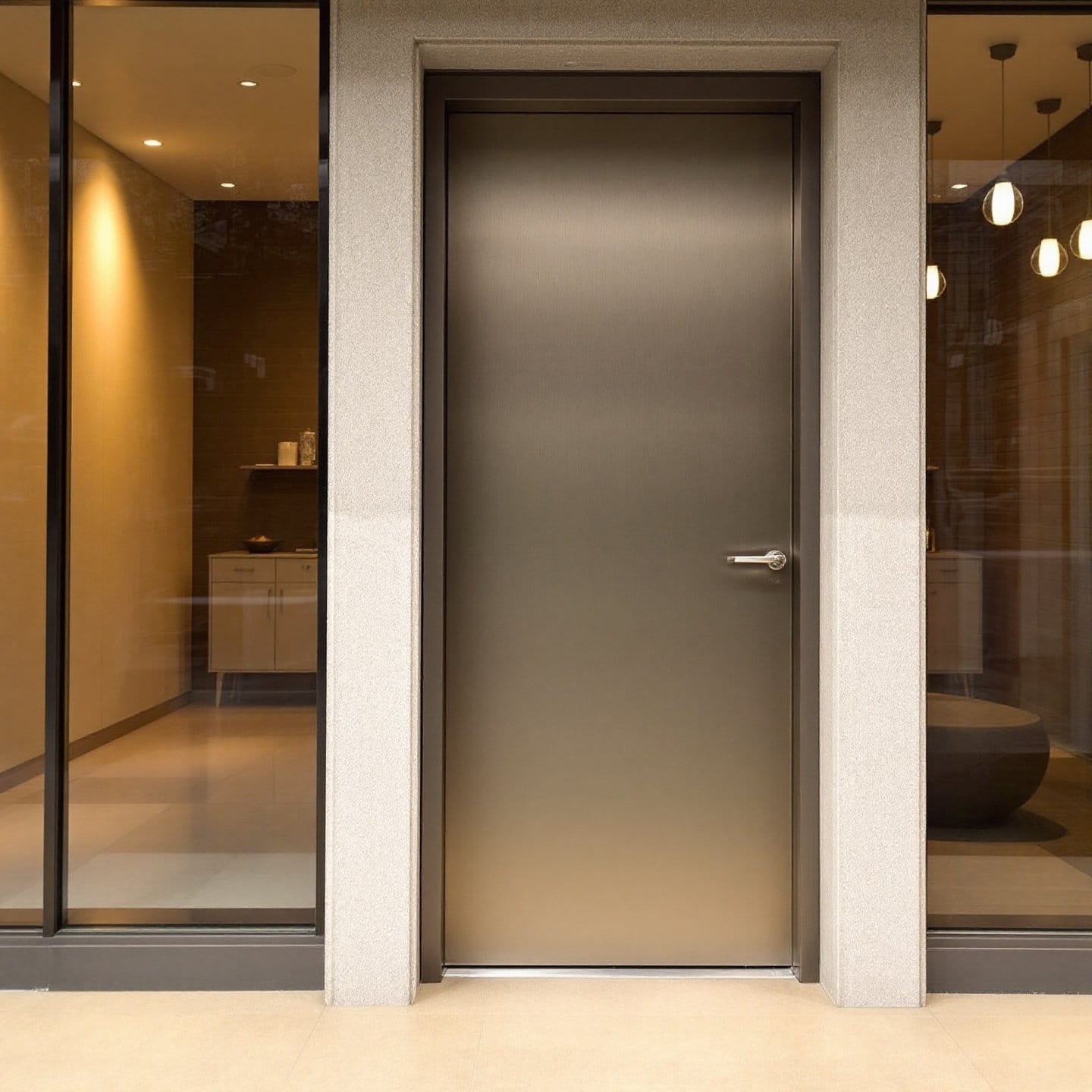
When it comes to modern construction and DIY projects, aluminum door frame kits have become increasingly popular, and it's easy to see why. Imagine embarking on a home renovation project; you want materials that are not only durable but also easy to handle and install. This is where aluminum door frame kits shine. Known for their remarkable durability and lightweight nature , these kits are a favorite among builders and DIY enthusiasts alike.
One of the standout benefits of aluminum is its resistance to corrosion, making it an excellent choice for environments exposed to varying weather conditions. This corrosion resistance ensures that aluminum door frames maintain their structural integrity and appearance over time, reducing the need for frequent maintenance. Additionally, aluminum's lightweight characteristic simplifies the installation process, allowing even novice DIYers to achieve professional results. As a sustainable material that is 100% recyclable, aluminum also supports eco-friendly building practices , making it a preferred choice for environmentally conscious projects.
Whether you're working on a commercial building or enhancing your home's aesthetic, aluminum frame kit options offer a blend of functionality and style, ensuring your project is both practical and visually appealing.
Understanding Aluminum Door Frame Kits
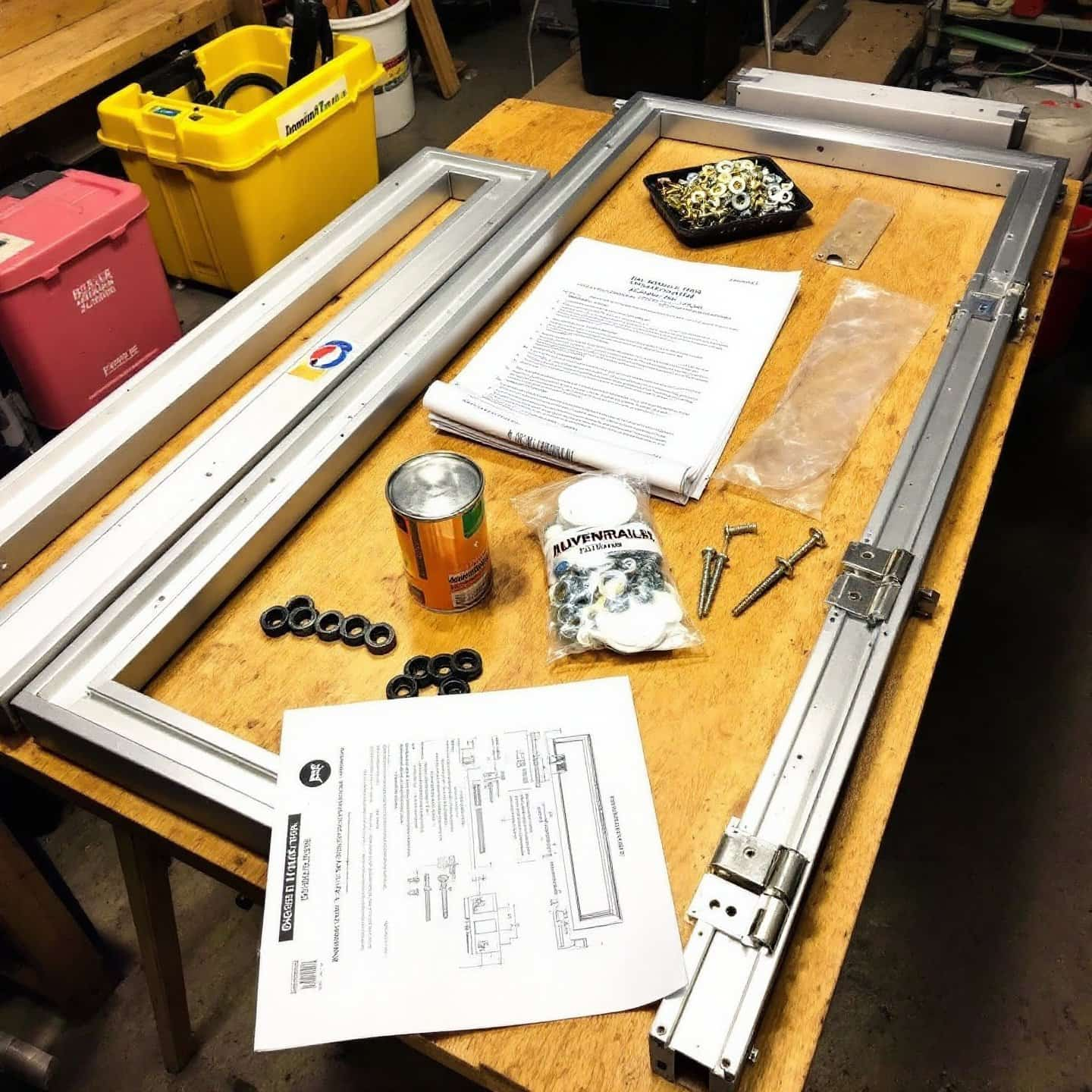
When you consider upgrading your home or office, an aluminum door frame kit might be the perfect solution. But what exactly is an aluminum door frame kit? These kits typically include pre-cut aluminum frame sections, fasteners, connectors, seals, gaskets, and detailed installation instructions. Each component is designed to work seamlessly together, ensuring a straightforward assembly process.
One of the key components of these kits is the pre-cut aluminum frame sections. These are precision-engineered to fit together easily, reducing the need for additional cutting or adjustments on-site. Fasteners and connectors are included to securely join the frame sections, while seals and gaskets provide a tight fit to prevent drafts and enhance energy efficiency. The comprehensive installation instructions guide you through each step, making it accessible for both professionals and DIY enthusiasts.
Advantages of Aluminum Frames
Aluminum frames boast several advantages that make them a popular choice in construction. First, their durability is unmatched. Unlike wood, aluminum is resistant to warping, cracking, and swelling, ensuring a long lifespan with minimal maintenance. This makes aluminum frames especially advantageous in areas with high humidity or temperature fluctuations.
Additionally, aluminum frames offer aesthetic versatility. They can be finished in a variety of colors and textures, allowing you to match them to any design scheme. Moreover, aluminum is an eco-friendly material. It is fully recyclable, reducing the environmental impact of your building project. Choosing aluminum frames not only supports sustainable construction practices but also enhances the energy efficiency of your space.
By opting for an aluminum door frame kit, you’re investing in a product that combines ease of installation with long-term benefits, making it a wise choice for both residential and commercial projects.
Types of Aluminum Door Frame Kits
When selecting an aluminum door frame kit, it's essential to understand the variety of options available, each designed to meet specific needs and preferences. Whether you're focused on aesthetics, functionality, or protection, there's a kit tailored for your project.
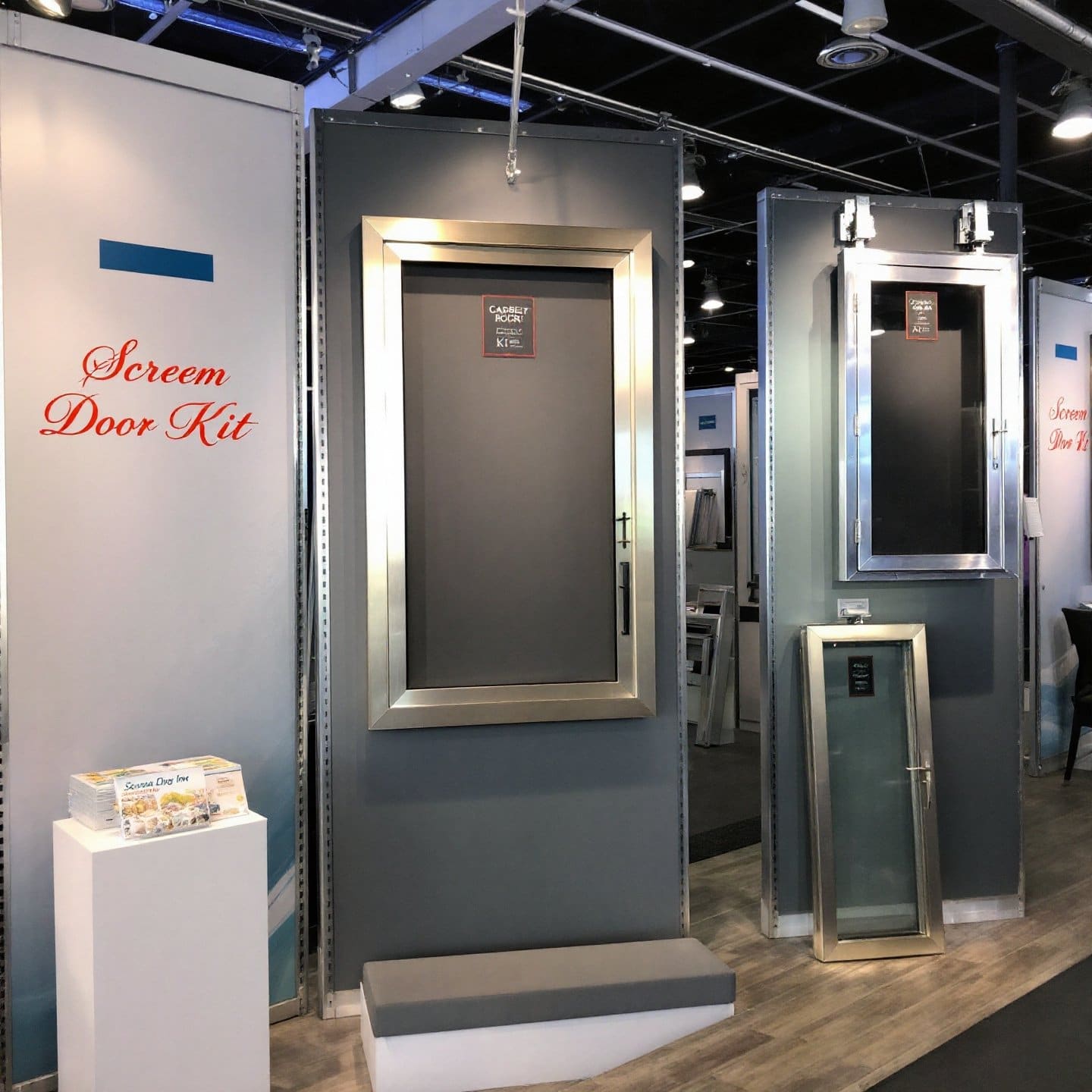
Screen Door Kits
Screen door kits are perfect for those who prioritize ventilation and natural light. These kits typically include a lightweight aluminum frame that supports a mesh screen, allowing fresh air to flow while keeping insects out. Ideal for patios or backdoors, these kits enhance the indoor-outdoor experience.
Cabinet Door Kits
For a sleek and modern look inside your home, cabinet door kits offer a refined solution. These kits feature slim aluminum profiles that provide a minimalist appearance, making them a popular choice for contemporary kitchen and bathroom designs. The lightweight nature of aluminum ensures easy installation and long-lasting durability.
Entry Door Clad Kits
Entry door clad kits are designed to withstand the elements, offering superior weather resistance. These kits often include additional seals and insulation materials to enhance energy efficiency and protect against harsh weather conditions. They are perfect for main entrances where durability and security are paramount.
Exterior Door Kits
Exterior door kits focus on durability and strength, suitable for high-traffic areas and commercial buildings. The robust aluminum frame provides excellent support, ensuring the door can withstand frequent use without compromising its structural integrity.
Aluminum Storm Door Frame Kits
For those in regions prone to severe weather, aluminum storm door frame kits offer an extra layer of protection. These kits are designed to shield your main doors from rain, wind, and debris, enhancing both security and energy efficiency. As noted in a comprehensive guide on storm doors , aluminum frames offer a balance of affordability and durability, making them a practical choice for many homeowners.
Understanding the different types of aluminum door frame kits allows you to choose the best option for your specific needs, ensuring both functionality and style in your space. Whether you're looking for ventilation, sleek design, weather resistance, or protection against severe weather, there's an aluminum door frame kit that fits your requirements.
Selecting the Right Aluminum Door Frame Kit
Choosing the right aluminum door frame kit for your project can seem daunting, but understanding key considerations can simplify the process. Whether you're upgrading your home or designing a commercial space, selecting the correct kit involves evaluating several factors, including door type, precise measurements, local climate, and budget constraints.
Key Considerations
- Door Type: Consider the specific function of the door. Are you looking for a kit for a screen door, cabinet door, entry door, or storm door? Each type serves different purposes and has unique features tailored to its use.
- Measurements: Accurate measurements are crucial. Ensure that the frame sections fit perfectly within your door opening to avoid gaps or misalignment. Many kits provide pre-cut sections to simplify this step, but always double-check dimensions before purchasing.
- Climate: Consider the environmental conditions your door will face. If you live in an area with harsh weather, you might prioritize kits with enhanced weather resistance, such as storm door kits with extra seals and insulation.
- Budget: While aluminum door frame kits can be more cost-effective in the long run due to their durability, initial costs can vary. Balance your budget with the features you need, and consider long-term savings from reduced maintenance and energy efficiency.
Comparison of Door Frame Kits
| Feature |
Screen Door Kit |
Cabinet Door Kit |
Entry Door Clad Kit |
Storm Door Kit |
| Ventilation |
High |
Low |
Medium |
Low |
| Weather Resistance |
Low |
Low |
High |
Very High |
| Installation Ease |
Easy |
Easy |
Moderate |
Moderate |
| Durability |
Medium |
High |
High |
Very High |
| Cost |
Low |
Medium |
High |
High |
Choosing the right aluminum door frame kit is about matching your specific needs with the available options. By considering the door type, precise measurements, climate, and budget, you can select a kit that not only meets functional requirements but also complements your space aesthetically. This thoughtful selection process ensures a successful installation and long-term satisfaction.
Installation Guide for Aluminum Door Frame Kits
Embarking on the installation of an aluminum door frame kit might seem daunting at first, but with the right guidance, it becomes a straightforward task that can enhance your space significantly. This guide provides a comprehensive overview of the installation process, ensuring you achieve a professional finish with ease.
Preparation Steps
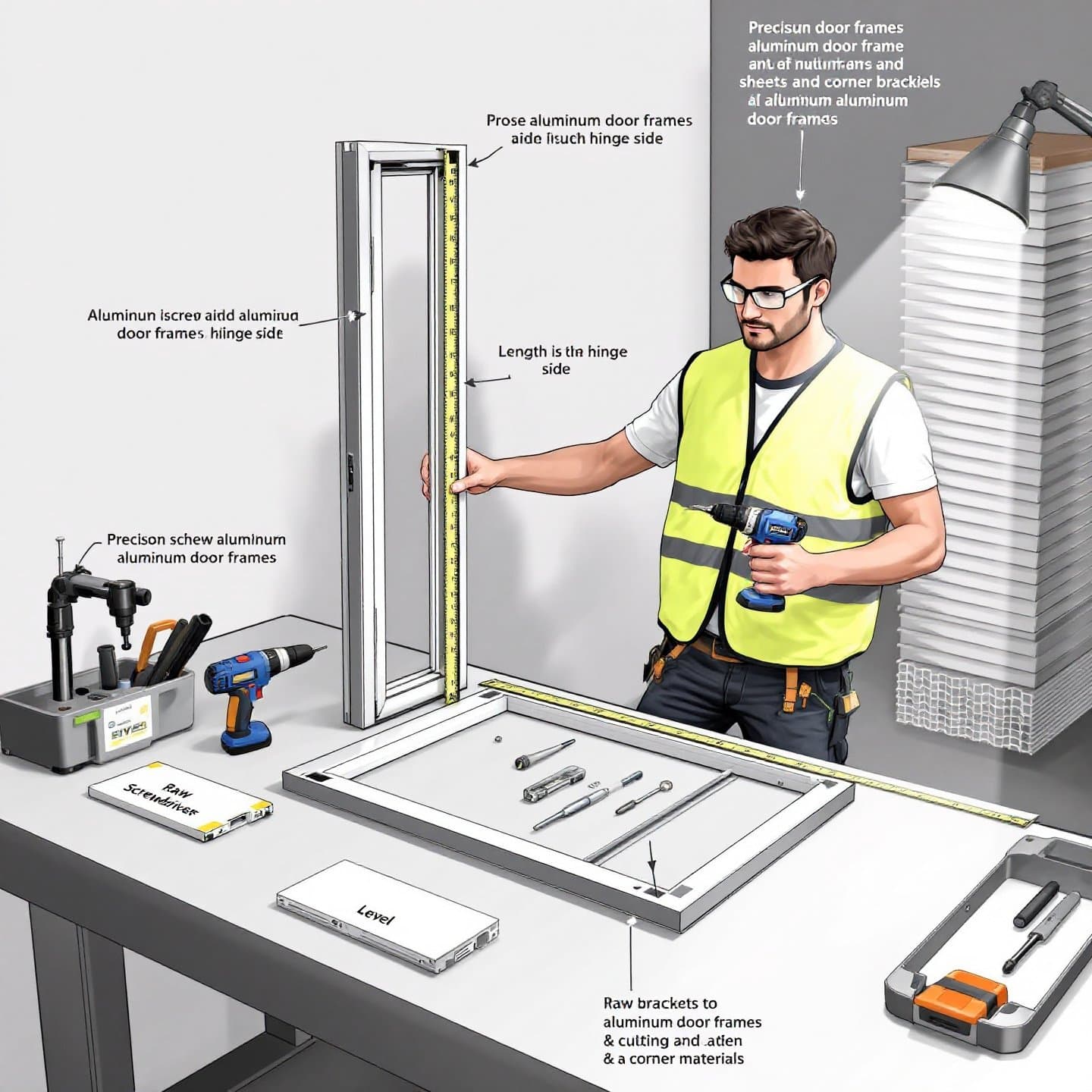
Before diving into the installation, preparation is key. Start by gathering all components of your aluminum door frame kit, including frame sections, fasteners, connectors, seals, and gaskets. Verify that all parts are present and undamaged. Additionally, ensure you have the necessary tools on hand, such as a drill, level, screwdriver, and measuring tape.
Next, measure the door opening to confirm that it matches the dimensions of your frame kit. This step is crucial to avoid any misalignment issues later on. Clear the workspace of any debris and ensure the floor is level, as an uneven surface can complicate the installation process.
Step-by-Step Installation Process
- Assemble the Frame: Begin by connecting the pre-cut aluminum frame sections. Attach the frame lock rail and hinge rail to the door frame header using the provided connectors and fasteners. Ensure all connections are secure.
- Position the Frame: Carefully set the assembled frame into the rough opening. Use a level to ensure the frame is plumb and square. Adjust as necessary to achieve a perfect fit.
- Secure the Frame: Once positioned, attach the frame to the building structure. Depending on your wall type—wood, metal, or masonry—use appropriate fasteners to ensure a firm attachment. For wood studs, use wood screws; for metal studs, opt for self-tapping screws; and for masonry, pre-drill holes and use masonry anchors.
- Install Seals and Gaskets: After securing the frame, apply seals and gaskets to enhance insulation and prevent drafts. Ensure these components are tightly fitted to maximize energy efficiency.
- Final Adjustments: Conduct a final check to ensure the door frame is level and aligned. Make any necessary adjustments to the frame or fasteners to achieve a seamless fit.
Troubleshooting Common Installation Challenges
Even with careful preparation, you might encounter some common installation challenges. Here are a few troubleshooting tips:
- Misaligned Frame: If the frame appears crooked, recheck the level and adjust the fasteners accordingly. Ensure the frame is not twisted or warped.
- Uneven Gaps: If there are gaps between the frame and the wall, use additional shims to fill the spaces and achieve a snug fit.
- Frame Not Securing Properly: If the frame feels loose, double-check that the fasteners are the correct size and type for your wall material. Tighten or replace fasteners as needed.
By following this detailed installation guide, you can confidently install your aluminum door frame kit, ensuring it functions optimally and enhances the aesthetic of your space. Remember, precision and patience are your best allies in achieving a professional finish.
Maintenance and Care for Aluminum Door Frames
Proper maintenance of aluminum door frames is crucial to ensure their longevity and functionality. Regular care not only preserves their aesthetic appeal but also prevents potential operational issues. Here are some essential tips to keep your aluminum door frames in top condition.
Routine Cleaning
Cleaning aluminum door frames is straightforward and doesn’t require specialized products. Simply use water, a mild detergent, and a clean cloth to wipe down the frames. This basic cleaning routine helps remove dirt and grime, preventing build-up that can affect the door’s operation. For tougher stains, a non-abrasive cleaner can be used, but always follow the manufacturer’s guidelines to avoid damaging the finish.
Inspecting for Wear
Regular inspections are vital in identifying any signs of wear or damage early. Check for scratches, dents, or any signs of corrosion. While aluminum is highly resistant to rust, exposure to harsh elements can sometimes cause oxidation. If you notice any deep scratches, consider consulting a professional to assess if a touch-up or repair is necessary.
Lubricating Moving Parts
To ensure smooth operation, lubricate the moving parts such as hinges and locks periodically. A small amount of oil applied to the key before use can help maintain the lock’s functionality. This should be done every three months, especially in high-traffic areas. Additionally, keep the tracks of sliding doors free from debris to prevent sticking or jamming.
Protective Measures
In areas prone to extreme weather conditions, additional protective measures might be necessary. Consider installing weatherstripping to further enhance insulation and protect against drafts. Regular maintenance checks and professional servicing can also extend the lifespan of your aluminum door frames, ensuring they remain a reliable part of your home or office for years to come.
By following these maintenance and care tips, you’ll ensure that your aluminum door frames continue to function smoothly and look great, enhancing the overall appeal and efficiency of your space.
Conclusion
In the realm of modern construction and home improvement, aluminum door frame kits stand out as a versatile and beneficial choice. Their remarkable durability, lightweight nature, and resistance to corrosion make them an ideal solution for both residential and commercial applications. Whether you're undertaking a DIY project or seeking professional installation, these kits offer ease of use and long-term value that are hard to beat.
One of the most compelling benefits of aluminum door frame kits is their adaptability to various design preferences and functional needs. From enhancing energy efficiency to providing robust security, these kits cater to a wide range of requirements, ensuring that you can find the perfect fit for your project. Their aesthetic versatility allows them to seamlessly blend with any architectural style, adding a touch of modern elegance to your space.
Moreover, choosing a high-quality aluminum profile is crucial for achieving the best results. This is where Sunmay Aluminium excels, offering a comprehensive range of premium aluminum profiles tailored to meet diverse applications. Their commitment to quality and innovation ensures that you receive products that not only meet but exceed industry standards, providing a reliable foundation for your construction needs.
As you consider your next project, remember the numerous advantages that aluminum door frame kits bring to the table. Their ease of installation, coupled with the long-term benefits of durability and minimal maintenance, make them a smart investment for any property. Explore the possibilities with a trusted provider like Suqian Sunmay Aluminium and elevate your space with the unmatched quality of high-quality aluminum profiles.
FAQs about Aluminum Door Frame Kits
1. Is an aluminum door frame a good choice?
Yes, aluminum door frames are excellent due to their durability, lightweight nature, and resistance to corrosion, making them ideal for various climates.
2. What components are included in an aluminum door frame kit?
Typically, these kits include pre-cut frame sections, fasteners, connectors, seals, gaskets, and detailed installation instructions for easy assembly.
3. How do I choose the right aluminum door frame kit?
Consider the door type, measurements, climate, and budget. Assess different kits for features like weather resistance and durability to fit your needs.
4. What are the types of aluminum door frame kits available?
Options include screen door kits for ventilation, cabinet door kits for sleek designs, entry door clad kits for weather resistance, and storm door kits for protection.
5. How do I maintain aluminum door frames?
Regular cleaning, inspecting for wear, lubricating moving parts, and applying protective measures can extend the lifespan and performance of aluminum door frames.