What is the Best Size for an Acoustic Panel?

When designing a space with acoustic panels, one of the most common questions is: What is the best size for an acoustic panel? The answer depends on several factors, including the size of the room, the purpose of the space, and the level of sound control needed. In this blog, we'll explore the considerations for choosing the right size for your acoustic panels and how Guangdong Liyin Acoustics Technology Co. Ltd., as a leading manufacturer of wood slat acoustic panels, can help you optimize your acoustics while enhancing your room’s aesthetics.


Factors to Consider When Choosing the Right Size for Acoustic Panels


  1. Room Size and Shape
    The dimensions of the room play a crucial role in determining the size of the acoustic panels you need. In larger rooms, bigger panels will be more effective in absorbing sound and reducing noise reverberation. Conversely, in smaller rooms, using too many large panels can overwhelm the space and negatively impact the aesthetic appeal.
    Key Tip: Measure the size of your walls and consider the room’s overall acoustics when determining panel sizes.

  2. Purpose of the Space
    The function of the room also influences the ideal size of acoustic panels. For example, in a home theater or studio, where high-quality sound control is essential, larger panels or multiple panels may be required. In contrast, in office spaces or conference rooms, smaller acoustic panels may suffice, focusing on controlling high-frequency noise like voices.

  3. Desired Acoustic Effectiveness
    Larger panels generally provide greater sound absorption, especially for low frequencies. If you’re trying to control noise from speakers, machinery, or a high-noise environment, larger panels or a higher quantity of panels may be necessary. Smaller panels are excellent for tackling mid to high frequencies, such as voice clarity in an office or meeting room.
    Tip: For low-frequency absorption, consider a larger panel or bass traps. For high-frequency noise control, smaller panels are typically sufficient.

  4. Aesthetic Considerations
    Acoustic panels also serve as an aesthetic element in a space. Larger panels can cover more surface area, making them ideal for larger spaces or open-plan areas. However, if you're looking for a more minimalist or less intrusive design, smaller panels or wood slat acoustic panels in specific configurations can add both functionality and visual appeal.
    Liyin Expertise: Our Natural Oak Acoustic Slat Panels are a perfect blend of acoustic performance and stylish design, offering various sizes and customization options to suit your aesthetic preferences.

  5. Cost and Budget
    Larger panels often come at a higher cost. For those on a budget, combining multiple smaller panels to cover a larger area may be an effective solution without compromising on acoustic performance. Keep in mind that larger panels tend to have better sound absorption properties, but the most cost-effective approach may involve selecting panels with the best performance-to-cost ratio.


Common Sizes for Acoustic Panels


  1. Standard Panel Sizes

    • 24” x 48” (60 x 120 cm): This is a typical size for wall-mounted acoustic panels and is commonly used in commercial and residential spaces. These panels are versatile and can be installed in various configurations to cover a significant portion of the wall.
    • 24” x 24” (60 x 60 cm): These smaller panels are ideal for spaces requiring a more minimalist approach or areas where wall space is limited. They are also effective when used in combination with other panels to provide targeted sound control.
  2. Custom Sizes
    At Guangdong Liyin Acoustics Technology Co. Ltd., we offer customized wood slat acoustic panels tailored to your exact specifications. Our Natural Oak Acoustic Slat Panels come in various sizes, shapes, and finishes, allowing us to create the perfect acoustic solution for your space. Custom sizing ensures that the panels fit seamlessly into your design vision while optimizing acoustics.


 OEM Natural Oak Acoustic Slat Panels


Why Choose Guangdong Liyin Acoustics Technology Co. Ltd.?


As a leading manufacturer of wood slat acoustic panels, we specialize in creating high-quality acoustic solutions that deliver both sound control and aesthetic appeal. Our Natural Oak Acoustic Slat Panels are designed to absorb sound effectively while providing a decorative element to any space. With over 20,000 square meters of modern manufacturing facilities, we strictly adhere to international quality standards, ensuring that every product we produce is of the highest quality.

Key Benefits of Choosing Our Acoustic Panels:

  • Superior Sound Absorption: Our panels are made from top-quality materials like MDF and PET polyester felt, providing superior acoustic performance.
  • Customization: We offer a range of sizes, finishes, and designs, allowing you to tailor your panels to meet the specific needs of your space.
  • Sustainable Design: Our products are made with environmentally friendly materials, ensuring that your space remains stylish and eco-conscious.
  • Easy Installation: Our acoustic panels are designed for simple installation, reducing downtime and labor costs.


Conclusion: Choosing the Right Size for Your Acoustic Panels


The best size for your acoustic panels depends on your room size, the function of the space, and the level of acoustic control you need. Whether you're designing a home theater, office space, or conference room, the right panel size can significantly improve the sound quality and aesthetic of your space. At Guangdong Liyin Acoustics Technology Co. Ltd., we offer a wide range of customizable acoustic wood slat panels to suit your specific needs. Contact us today to discuss how we can help improve your space with high-quality, stylish acoustic solutions.

What is the Best Thickness for Acoustic Panels?

When it comes to improving the acoustics of your space, acoustic panels are an essential tool. They help reduce unwanted noise, control sound reverberation, and enhance sound clarity, but to achieve the best results, selecting the correct thickness is crucial. In this blog post, we’ll explore what thickness of acoustic panels works best for different types of spaces and applications, while also showcasing how Guangdong Liyin Acoustics Technology Co. Ltd., a leader in wood slat acoustic panels, can help you achieve superior sound control with high-quality products.


Factors Affecting Acoustic Panel Thickness


  1. Type of Sound You Want to Absorb The thickness of the acoustic panel significantly influences its ability to absorb sound, especially in different frequency ranges.

    • Thin Panels (1 to 2 inches): These are effective at absorbing high-frequency sounds, such as voices or treble from speakers. They are ideal for controlling echo and reverb in spaces like offices, conference rooms, and small meeting areas.
    • Thicker Panels (3 to 4 inches): Thicker panels are better for absorbing a broader range of sound frequencies, especially low-frequency noise (bass sounds). If you are working in spaces with a lot of low-end noise, such as music studios, home theaters, or industrial environments, thicker panels will be much more effective.
  2. Room Size and Shape The dimensions of your room also influence the effectiveness of the acoustic panels. In larger spaces or areas with high ceilings, thicker panels may be necessary to achieve optimal sound absorption. Smaller rooms, on the other hand, might benefit from thinner panels that won’t overpower the space.

  3. Desired Acoustic Effect If your goal is to create a balanced, clear sound environment (such as for a recording studio or theater), using thicker panels will help manage sound across all frequencies. For general noise control or echo reduction, thinner panels might suffice, but in spaces with challenging acoustics, thicker panels will provide better results.
    Pro Tip: For a more comprehensive solution, combining different thicknesses of panels in various areas of a room can address specific acoustic issues.

  4. Aesthetic Preferences While the primary purpose of acoustic panels is to improve sound quality, their visual appeal also matters, especially in spaces like offices, lounges, and home interiors. Wood slat acoustic panels, such as the Natural Oak Acoustic Slat Panels produced by Guangdong Liyin Acoustics Technology Co. Ltd., provide an elegant look while maintaining excellent sound performance. The thickness of these panels can be customized to match both your sound control needs and aesthetic vision.

Acoustic Wood Slat Panels Supplier


The Best Thickness for Acoustic Panels in Different Applications


  1. Home Theaters and Media Rooms For a home theater or media room, where low-frequency sound control is essential, 3 to 4 inches thick acoustic panels are ideal. These panels will effectively absorb both high and low frequencies, reducing echo and improving overall sound quality, so you can enjoy your movies and music with clarity.

  2. Recording Studios and Music Rooms In music studios, where sound clarity is paramount and the acoustics need to be precise, thicker panels (usually 4 inches) are recommended. These panels will absorb low-frequency sounds such as bass and drums, preventing unwanted reverberation and ensuring high-quality recordings.

  3. Office Spaces and Conference Rooms In office environments, the goal is often to reduce noise and echo while maintaining speech clarity. 1.5 to 2 inches thick acoustic panels are typically sufficient for these applications. They will help control mid- and high-frequency sounds, improving speech intelligibility and creating a more comfortable working environment.

  4. Open Plan Offices In large, open office spaces with high ceilings, it’s recommended to use thicker panels (around 3 inches) or a combination of both thick and thin panels to cover more surface area. This will help absorb sound from all directions, reducing the level of noise and enhancing concentration.


Why Thickness Matters in Acoustic Panels


The effectiveness of an acoustic panel is directly related to its ability to absorb sound, and that ability increases with thickness. Thicker panels can absorb a wider range of frequencies and provide better overall sound control, particularly for lower-frequency noises. However, it’s important to balance acoustic effectiveness with design preferences. Thicker panels may take up more space and appear bulkier, so it’s important to find a thickness that works for both your acoustic and aesthetic needs.


Why Choose Guangdong Liyin Acoustics Technology Co. Ltd.?


At Guangdong Liyin Acoustics Technology Co. Ltd., we specialize in producing premium wood slat acoustic panels, including our Natural Oak Acoustic Slat Panels, that combine high acoustic performance with sophisticated design. With our extensive experience and state-of-the-art production facilities, we provide customizable panel thicknesses to meet the specific needs of your space. Our panels offer the perfect balance of sound absorption and aesthetic appeal, ensuring that your rooms not only sound better but also look stylish.

Key Benefits of Choosing Our Acoustic Panels:

  • Superior Sound Control: Our panels are engineered to absorb a broad range of frequencies, from high-pitched sounds to deep bass tones.
  • Customizable Thickness: We offer panels in various thicknesses, including 2 inches, 3 inches, and 4 inches, tailored to your specific acoustic requirements.
  • Elegant Design: Our wood slat acoustic panels provide a modern, natural look, complementing any interior design.
  • Environmentally Friendly: Made from sustainable materials, our panels are designed with both performance and eco-friendliness in mind.
  • Easy Installation: Our panels are designed for quick installation, reducing both time and labor costs.


Conclusion: Finding the Best Thickness for Your Acoustic Panels


The best thickness for your acoustic panels depends on the type of space you’re working with, the specific sound frequencies you want to absorb, and your aesthetic preferences. Whether you need thicker panels for a home theater or thinner panels for a conference room, Guangdong Liyin Acoustics Technology Co. Ltd. can provide the perfect solution. With our high-quality, customizable wood slat acoustic panels, we’re here to help you create an environment that is both acoustically optimized and visually pleasing.

Contact us today to explore our range of Natural Oak Acoustic Slat Panels and discover how we can enhance the acoustics and aesthetics of your space.

Can you walk on the Roof Sandwich Panel?

Walking on a sandwich panel roof can be possible, but it depends on various factors such as the design of the roof, the thickness and strength of the panels, the weight and distribution of the load, and the specific application requirements.

Sandwich panel roofs are lightweight and composed of two external metal sheets with a rigid foam insulation core in between. While they are designed to provide structural support and insulation, they may not be intended to support heavy loads or foot traffic.

Sandwich Roof Panel

If the sandwich panel roof has been specifically designed and certified to withstand walking or occasional maintenance activities, it may be safe to walk on. In such cases, the manufacturer or structural engineer would typically provide guidelines regarding weight restrictions, permissible load distribution, and recommended walking paths to minimize any potential damage.

What I can tell you is that Wiskind Roof Panel, like BiLAP, admits that people(150kg) walk on it. Do not worry about its quality. Wiskind Poof Sandwich Panel used ≥100 kg/m³rock wool as core material. And other Roof Panel used rock wool as core material, and used≥38kg/m³PU as sealing. If you are focused on the fireproof ability, rockwool panel is the best choice. If you pay attention to the thermal insulation, you can choose rockwool and PU sealing.

Wiskind Roof Panel

If you want to learn more information, please contact us!

A Successful Visit by Industry Peers to Pharma United Co., Ltd.

Today, Pharma United Co., Ltd. had the pleasure of welcoming several industry peers to our factory. The company leadership was on hand to receive the guests and personally guide them through our facilities.

The visit started with a tour of our state-of-the-art cleanroom showroom, where visitors had the opportunity to observe some of our key products up close. Following that, we moved on to the sandwich panel production line, providing a comprehensive overview of our manufacturing process and demonstrating the high standards we adhere to in production.

After the tour, we held a productive discussion session, exchanging insights and ideas on industry trends, challenges, and future developments. The day was both informative and enjoyable for everyone involved, and we look forward to more such collaborations and exchanges in the future.

We are grateful to our visitors for making this day a great success!

Pharma United Company Limited

PHARMA UNITED (Kunshan) Co., Ltd. is a company mainly engages in develop, manufacture, sale and service for clean room products. We manufacture SS304 equipment, sandwich panel, clean room doors and windows for pharmaceutical, electronics, food and chemical industry. Our factory covers an area of more than 20,000 sqms, with advanced manufacturing equipment such as CNC laser cutting machine, CNC bending machine, CNC punching machine, etc. Design - manufacturing - installation - commissioning - validation - after-sales services is our working schedule. Every product can customized with high standard & high quality. Try our best to make you satisfy.

Business scope:

  1. Cleanroom wall & ceiling panel, patition wall, false ceiling
  2. Cleanroom doors & windows, steel door, HPL door, aluminum frame door, emergency door
  3. HVAC System turnkey project, cleanroom gerneral contractor
  4. Cleanroom equipments (passbox, hatch, weighing booth, LAF, air shower, SS304 furniture)
  5. Indoor & outdoor PODs (modular cleanroom)

Company photo:

Warehouse

Working area

Bending Maching

Laser cutting

Punching Machine

Office building


What is Cleanroom Pass box?

A pass box is a widely used transfer device in cleanrooms, designed for transferring items between the cleanroom and external areas or between areas within the cleanroom with different cleanliness levels. Its purpose is to prevent contaminants from entering the cleanroom, thus ensuring the stability of the clean environment. Below is a technical article on pass boxes, detailing their functions and working principles.


Technical Analysis of Pass Boxes


1. Definition and Function of Pass Boxes

A pass box, also known as a transfer hatch, is a critical component in cleanrooms. It serves as an isolated passage for transferring items between different areas of varying cleanliness levels, or between clean and non-clean areas. The primary function of a pass box is to minimize contamination risks during transfers, ensuring a stable clean environment inside the cleanroom.

The key functions of a pass box include:

Contamination Prevention: Cleanroom Pass boxes prevent contaminants from entering or exiting the cleanroom by isolating the transfer process.

Air Filtration: Many pass boxes are equipped with air filters, such as HEPA or ULPA, to ensure clean air circulation within the pass box.

Separation of Personnel and Material Flow: By allowing only materials to be passed through, pass boxes separate human traffic from material flow, improving the efficiency of cleanroom operations.


2. Types of Pass Boxes

Pass boxes come in several types, tailored to different applications and structural needs:

Mechanical Interlock Pass Boxes: These use a mechanical system to ensure that only one door can open at a time, preventing direct air exchange between the cleanroom and non-cleanroom areas.

Electronic Interlock Pass Boxes: An electronic system controls the interlocking doors for higher precision and security, suitable for high-demand environments.

Air Shower Pass Boxes: These contain a built-in air shower system that removes dust and contaminants from items’ surfaces during the transfer process, making them ideal for ultra-clean environments.


3. Working Principles of Pass Boxes

The pass box operates on an interlock mechanism and includes an air filtration system to ensure cleanliness during the transfer process. The working process includes the following steps:

Interlock Door Control: Pass boxes typically have two doors: one facing the cleanroom and one facing the external area. An interlock system—either mechanical or electronic—ensures only one door opens at a time, which prevents cross-contamination.

Air Filtration: The pass box may include HEPA or ULPA filters to purify the air inside. Some models also feature an air shower system that blows air onto items to remove dust or other particles.

Transfer Procedure: During transfer, one door opens for the item to be placed in the pass box. The first door is then closed before the opposite door can be opened, allowing items to enter or exit without compromising the cleanroom's air quality.


4. Installation and Maintenance of Pass Boxes

Pass boxes should be installed in high-traffic transfer points according to cleanroom layout requirements. Regular inspections and maintenance of interlock mechanisms, air filtration systems, and air shower units are essential for optimal operation.


5. Applications of Pass Boxes

Pass boxes are widely used in several industries to control contamination and ensure product quality:

Semiconductor Manufacturing: Used to transfer delicate components like wafers, reducing the risk of particle contamination.

Pharmaceutical Industry: Ensures aseptic conditions by transferring drugs and instruments without introducing contaminants.

Food Processing: Prevents dust and microbial contamination of raw materials during transfer.

What is cleanroom?

A cleanroom is a specially designed environment where the concentration of airborne particles is controlled to ensure a contamination-free space. Cleanrooms are commonly used in industries that require strict control over environmental pollutants, such as dust, airborne microbes, aerosol particles, and chemical vapors. These environments are essential in sectors like pharmaceuticals, biotechnology, electronics, aerospace, and food processing, where even the smallest contaminant can compromise product quality or pose a safety risk.

A cleanroom interior showcasing a highly clean environment with smooth, easy-to-clean walls, ceilings, and floors. Technicians inside the room are fully dressed in cleanroom garments (protective suits, gloves, masks, and shoe covers) and are operating advanced equipment. Air filtration systems, such as HEPA filters, are visible in the background, ensuring filtered air is circulating within the room. The setting appears modern, sterile, and meticulously maintained.

Key Features of a Cleanroom


1. Air Filtration

   Cleanrooms use High-Efficiency Particulate Air (HEPA) or Ultra-Low Penetration Air (ULPA) filters to remove contaminants from the air. These filters capture particles as small as 0.3 microns or even smaller, ensuring that only clean air circulates within the room. The filtration system is often designed with positive pressure to prevent unfiltered air from entering.

2. Temperature and Humidity Control

   Temperature and humidity levels are carefully controlled to meet specific requirements for different industries. For example, in the pharmaceutical industry, humidity control is critical to prevent moisture-sensitive materials from degrading.

3. Controlled Access

   To minimize contamination, access to a cleanroom is highly restricted. Personnel must wear special garments, including gloves, masks, and coveralls, which prevent particles from their bodies from contaminating the air. Some cleanrooms also have air showers at the entrance to remove any dust particles from people before they enter.

4. Surface Materials

   All surfaces within a cleanroom, such as walls, ceilings, and floors, are made from materials that do not shed particles and are easy to clean. The goal is to ensure that the room remains as sterile as possible during operation.


Cleanroom Classifications

Cleanrooms are classified based on the number and size of particles allowed per cubic meter of air. The most widely used classification system is the ISO 14644-1 standard, which divides cleanrooms into nine different classes, ranging from ISO Class 1 (the cleanest) to ISO Class 9 (least clean). The classification depends on the specific industry and product requirements.

For instance:

- ISO Class 1 is used for manufacturing sensitive products like semiconductors.

- ISO Class 5 is common in pharmaceutical production.


Applications of Cleanrooms


1. Pharmaceutical Industry

   In drug manufacturing, cleanrooms prevent contamination of medicines, ensuring safety and efficacy. Sterile manufacturing environments are critical for injectable drugs and biologics.


2. Biotechnology

   Laboratories dealing with cell cultures, DNA sequencing, and tissue engineering require cleanrooms to avoid contamination that could disrupt experiments or research outcomes.


3. Semiconductor Manufacturing

   The production of microchips and electronic components takes place in ultra-clean environments to avoid defects caused by particles or impurities, which can affect the functionality of the devices.


4. Medical Devices

   Cleanrooms ensure that surgical tools, implants, and other medical equipment are sterile, reducing the risk of infections when these devices are used in healthcare settings.


Why Are Cleanrooms Important?


Cleanrooms are critical for maintaining product integrity and ensuring that the manufacturing process meets regulatory standards. They prevent contamination, improve product quality, and protect end-users from potential health risks. Cleanrooms also contribute to research and development by providing a controlled environment where experiments can yield accurate and reliable results.


Conclusion

Cleanrooms are essential in industries that require the highest levels of cleanliness and contamination control. Through advanced air filtration, environmental monitoring, and strict protocols, they help manufacturers meet stringent quality and safety standards. Whether in pharmaceuticals, biotechnology, electronics, or other fields, cleanrooms play a pivotal role in delivering safe, effective, and high-quality products.

Aluminum Door Frame Kit Easy Installation Guide and Benefits

Aluminum Door Frame Kit: Easy Installation Guide and Benefits

sleek aluminum door frame at a modern home entrance

Introduction to Aluminum Door Frame Kits

When it comes to modern construction and DIY projects, aluminum door frame kits have become increasingly popular, and it's easy to see why. Imagine embarking on a home renovation project; you want materials that are not only durable but also easy to handle and install. This is where aluminum door frame kits shine. Known for their remarkable durability and lightweight nature , these kits are a favorite among builders and DIY enthusiasts alike.

One of the standout benefits of aluminum is its resistance to corrosion, making it an excellent choice for environments exposed to varying weather conditions. This corrosion resistance ensures that aluminum door frames maintain their structural integrity and appearance over time, reducing the need for frequent maintenance. Additionally, aluminum's lightweight characteristic simplifies the installation process, allowing even novice DIYers to achieve professional results. As a sustainable material that is 100% recyclable, aluminum also supports eco-friendly building practices , making it a preferred choice for environmentally conscious projects.

Whether you're working on a commercial building or enhancing your home's aesthetic, aluminum frame kit options offer a blend of functionality and style, ensuring your project is both practical and visually appealing.

Understanding Aluminum Door Frame Kits

When you consider upgrading your home or office, an aluminum door frame kit might be the perfect solution. But what exactly is an aluminum door frame kit? These kits typically include pre-cut aluminum frame sections, fasteners, connectors, seals, gaskets, and detailed installation instructions. Each component is designed to work seamlessly together, ensuring a straightforward assembly process.

One of the key components of these kits is the pre-cut aluminum frame sections. These are precision-engineered to fit together easily, reducing the need for additional cutting or adjustments on-site. Fasteners and connectors are included to securely join the frame sections, while seals and gaskets provide a tight fit to prevent drafts and enhance energy efficiency. The comprehensive installation instructions guide you through each step, making it accessible for both professionals and DIY enthusiasts.

Advantages of Aluminum Frames

Aluminum frames boast several advantages that make them a popular choice in construction. First, their durability is unmatched. Unlike wood, aluminum is resistant to warping, cracking, and swelling, ensuring a long lifespan with minimal maintenance. This makes aluminum frames especially advantageous in areas with high humidity or temperature fluctuations.

Additionally, aluminum frames offer aesthetic versatility. They can be finished in a variety of colors and textures, allowing you to match them to any design scheme. Moreover, aluminum is an eco-friendly material. It is fully recyclable, reducing the environmental impact of your building project. Choosing aluminum frames not only supports sustainable construction practices but also enhances the energy efficiency of your space.

By opting for an aluminum door frame kit, you’re investing in a product that combines ease of installation with long-term benefits, making it a wise choice for both residential and commercial projects.

components of an aluminum door frame kit ready for assembly

Types of Aluminum Door Frame Kits

When selecting an aluminum door frame kit, it's essential to understand the variety of options available, each designed to meet specific needs and preferences. Whether you're focused on aesthetics, functionality, or protection, there's a kit tailored for your project.
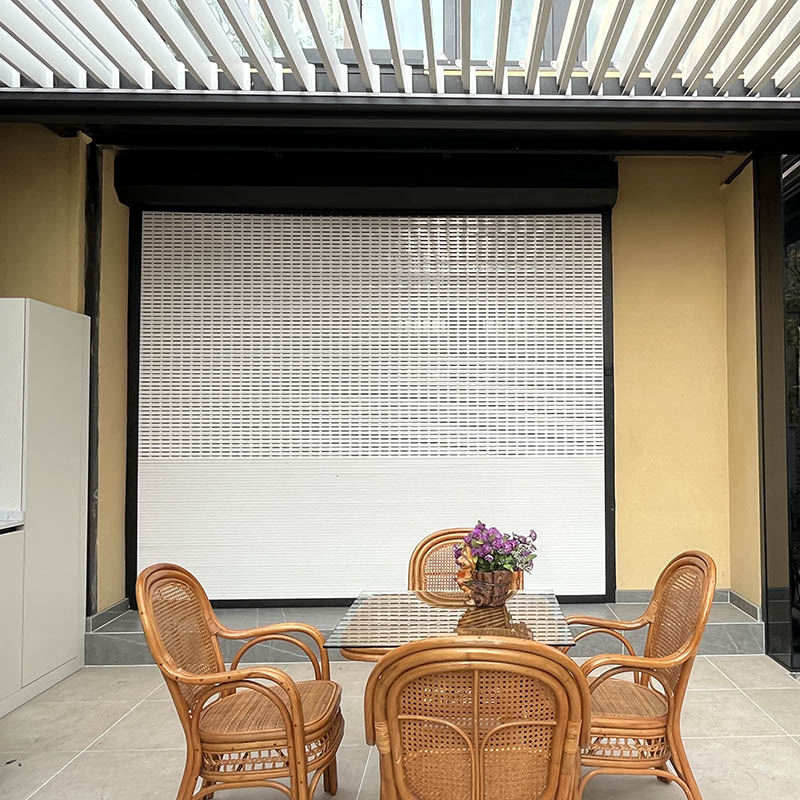
Screen Door Kits

Screen door kits are perfect for those who prioritize ventilation and natural light. These kits typically include a lightweight aluminum frame that supports a mesh screen, allowing fresh air to flow while keeping insects out. Ideal for patios or backdoors, these kits enhance the indoor-outdoor experience.

Cabinet Door Kits

For a sleek and modern look inside your home, cabinet door kits offer a refined solution. These kits feature slim aluminum profiles that provide a minimalist appearance, making them a popular choice for contemporary kitchen and bathroom designs. The lightweight nature of aluminum ensures easy installation and long-lasting durability.

Entry Door Clad Kits

Entry door clad kits are designed to withstand the elements, offering superior weather resistance. These kits often include additional seals and insulation materials to enhance energy efficiency and protect against harsh weather conditions. They are perfect for main entrances where durability and security are paramount.

Exterior Door Kits

Exterior door kits focus on durability and strength, suitable for high-traffic areas and commercial buildings. The robust aluminum frame provides excellent support, ensuring the door can withstand frequent use without compromising its structural integrity.

Aluminum Storm Door Frame Kits

For those in regions prone to severe weather, aluminum storm door frame kits offer an extra layer of protection. These kits are designed to shield your main doors from rain, wind, and debris, enhancing both security and energy efficiency. As noted in a comprehensive guide on storm doors , aluminum frames offer a balance of affordability and durability, making them a practical choice for many homeowners.

Understanding the different types of aluminum door frame kits allows you to choose the best option for your specific needs, ensuring both functionality and style in your space. Whether you're looking for ventilation, sleek design, weather resistance, or protection against severe weather, there's an aluminum door frame kit that fits your requirements.

different types of aluminum door frame kits on display

Selecting the Right Aluminum Door Frame Kit

Choosing the right aluminum door frame kit for your project can seem daunting, but understanding key considerations can simplify the process. Whether you're upgrading your home or designing a commercial space, selecting the correct kit involves evaluating several factors, including door type, precise measurements, local climate, and budget constraints.

Key Considerations

  • Door Type: Consider the specific function of the door. Are you looking for a kit for a screen door, cabinet door, entry door, or storm door? Each type serves different purposes and has unique features tailored to its use.
  • Measurements: Accurate measurements are crucial. Ensure that the frame sections fit perfectly within your door opening to avoid gaps or misalignment. Many kits provide pre-cut sections to simplify this step, but always double-check dimensions before purchasing.
  • Climate: Consider the environmental conditions your door will face. If you live in an area with harsh weather, you might prioritize kits with enhanced weather resistance, such as storm door kits with extra seals and insulation.
  • Budget: While aluminum door frame kits can be more cost-effective in the long run due to their durability, initial costs can vary. Balance your budget with the features you need, and consider long-term savings from reduced maintenance and energy efficiency.

Comparison of Door Frame Kits

Feature Screen Door Kit Cabinet Door Kit Entry Door Clad Kit Storm Door Kit
Ventilation High Low Medium Low
Weather Resistance Low Low High Very High
Installation Ease Easy Easy Moderate Moderate
Durability Medium High High Very High
Cost Low Medium High High

Choosing the right aluminum door frame kit is about matching your specific needs with the available options. By considering the door type, precise measurements, climate, and budget, you can select a kit that not only meets functional requirements but also complements your space aesthetically. This thoughtful selection process ensures a successful installation and long-term satisfaction.

Installation Guide for Aluminum Door Frame Kits

Embarking on the installation of an aluminum door frame kit might seem daunting at first, but with the right guidance, it becomes a straightforward task that can enhance your space significantly. This guide provides a comprehensive overview of the installation process, ensuring you achieve a professional finish with ease.

Preparation Steps

Before diving into the installation, preparation is key. Start by gathering all components of your aluminum door frame kit, including frame sections, fasteners, connectors, seals, and gaskets. Verify that all parts are present and undamaged. Additionally, ensure you have the necessary tools on hand, such as a drill, level, screwdriver, and measuring tape.

Next, measure the door opening to confirm that it matches the dimensions of your frame kit. This step is crucial to avoid any misalignment issues later on. Clear the workspace of any debris and ensure the floor is level, as an uneven surface can complicate the installation process.

Step-by-Step Installation Process

  1. Assemble the Frame: Begin by connecting the pre-cut aluminum frame sections. Attach the frame lock rail and hinge rail to the door frame header using the provided connectors and fasteners. Ensure all connections are secure.
  2. Position the Frame: Carefully set the assembled frame into the rough opening. Use a level to ensure the frame is plumb and square. Adjust as necessary to achieve a perfect fit.
  3. Secure the Frame: Once positioned, attach the frame to the building structure. Depending on your wall type—wood, metal, or masonry—use appropriate fasteners to ensure a firm attachment. For wood studs, use wood screws; for metal studs, opt for self-tapping screws; and for masonry, pre-drill holes and use masonry anchors.
  4. Install Seals and Gaskets: After securing the frame, apply seals and gaskets to enhance insulation and prevent drafts. Ensure these components are tightly fitted to maximize energy efficiency.
  5. Final Adjustments: Conduct a final check to ensure the door frame is level and aligned. Make any necessary adjustments to the frame or fasteners to achieve a seamless fit.

Troubleshooting Common Installation Challenges

Even with careful preparation, you might encounter some common installation challenges. Here are a few troubleshooting tips:

  • Misaligned Frame: If the frame appears crooked, recheck the level and adjust the fasteners accordingly. Ensure the frame is not twisted or warped.
  • Uneven Gaps: If there are gaps between the frame and the wall, use additional shims to fill the spaces and achieve a snug fit.
  • Frame Not Securing Properly: If the frame feels loose, double-check that the fasteners are the correct size and type for your wall material. Tighten or replace fasteners as needed.

By following this detailed installation guide, you can confidently install your aluminum door frame kit, ensuring it functions optimally and enhances the aesthetic of your space. Remember, precision and patience are your best allies in achieving a professional finish.

step by step installation of an aluminum door frame

Maintenance and Care for Aluminum Door Frames

Proper maintenance of aluminum door frames is crucial to ensure their longevity and functionality. Regular care not only preserves their aesthetic appeal but also prevents potential operational issues. Here are some essential tips to keep your aluminum door frames in top condition.

Routine Cleaning

Cleaning aluminum door frames is straightforward and doesn’t require specialized products. Simply use water, a mild detergent, and a clean cloth to wipe down the frames. This basic cleaning routine helps remove dirt and grime, preventing build-up that can affect the door’s operation. For tougher stains, a non-abrasive cleaner can be used, but always follow the manufacturer’s guidelines to avoid damaging the finish.

Inspecting for Wear

Regular inspections are vital in identifying any signs of wear or damage early. Check for scratches, dents, or any signs of corrosion. While aluminum is highly resistant to rust, exposure to harsh elements can sometimes cause oxidation. If you notice any deep scratches, consider consulting a professional to assess if a touch-up or repair is necessary.

Lubricating Moving Parts

To ensure smooth operation, lubricate the moving parts such as hinges and locks periodically. A small amount of oil applied to the key before use can help maintain the lock’s functionality. This should be done every three months, especially in high-traffic areas. Additionally, keep the tracks of sliding doors free from debris to prevent sticking or jamming.

Protective Measures

In areas prone to extreme weather conditions, additional protective measures might be necessary. Consider installing weatherstripping to further enhance insulation and protect against drafts. Regular maintenance checks and professional servicing can also extend the lifespan of your aluminum door frames, ensuring they remain a reliable part of your home or office for years to come.

By following these maintenance and care tips, you’ll ensure that your aluminum door frames continue to function smoothly and look great, enhancing the overall appeal and efficiency of your space.

Conclusion

In the realm of modern construction and home improvement, aluminum door frame kits stand out as a versatile and beneficial choice. Their remarkable durability, lightweight nature, and resistance to corrosion make them an ideal solution for both residential and commercial applications. Whether you're undertaking a DIY project or seeking professional installation, these kits offer ease of use and long-term value that are hard to beat.

One of the most compelling benefits of aluminum door frame kits is their adaptability to various design preferences and functional needs. From enhancing energy efficiency to providing robust security, these kits cater to a wide range of requirements, ensuring that you can find the perfect fit for your project. Their aesthetic versatility allows them to seamlessly blend with any architectural style, adding a touch of modern elegance to your space.

Moreover, choosing a high-quality aluminum profile is crucial for achieving the best results. This is where Sunmay Aluminium excels, offering a comprehensive range of premium aluminum profiles tailored to meet diverse applications. Their commitment to quality and innovation ensures that you receive products that not only meet but exceed industry standards, providing a reliable foundation for your construction needs.

As you consider your next project, remember the numerous advantages that aluminum door frame kits bring to the table. Their ease of installation, coupled with the long-term benefits of durability and minimal maintenance, make them a smart investment for any property. Explore the possibilities with a trusted provider like Suqian Sunmay Aluminium and elevate your space with the unmatched quality of high-quality aluminum profiles.

FAQs about Aluminum Door Frame Kits

1. Is an aluminum door frame a good choice?

Yes, aluminum door frames are excellent due to their durability, lightweight nature, and resistance to corrosion, making them ideal for various climates.

2. What components are included in an aluminum door frame kit?

Typically, these kits include pre-cut frame sections, fasteners, connectors, seals, gaskets, and detailed installation instructions for easy assembly.

3. How do I choose the right aluminum door frame kit?

Consider the door type, measurements, climate, and budget. Assess different kits for features like weather resistance and durability to fit your needs.

4. What are the types of aluminum door frame kits available?

Options include screen door kits for ventilation, cabinet door kits for sleek designs, entry door clad kits for weather resistance, and storm door kits for protection.

5. How do I maintain aluminum door frames?

Regular cleaning, inspecting for wear, lubricating moving parts, and applying protective measures can extend the lifespan and performance of aluminum door frames.

Concrete Frame Structures vs. Aluminum Structural Framing A Comparative Analysis

Concrete Frame Structures vs. Aluminum Structural Framing: A Comparative Analysis

comparing concrete and aluminum framing in modern construction

Concrete Frame Structures and Aluminum Framing: A Modern Construction Dilemma

In the realm of modern construction, the choice of structural materials plays a pivotal role in shaping the durability, efficiency, and aesthetics of buildings. Among the most prevalent choices are concrete frame structures, renowned for their robustness and fire resistance, which have been the backbone of skyscrapers, bridges, and residential buildings for decades. These structures, often referred to as concrete skeletons, leverage the strength of concrete and steel to support immense loads and withstand environmental challenges, making them a staple in urban landscapes ( Wikipedia ).

On the other hand, aluminum structural framing emerges as a compelling alternative, especially in applications requiring lightweight and corrosion-resistant solutions. This material is increasingly favored in modular construction, prefabricated buildings, and even temporary structures due to its ease of assembly and recyclability. The debate between concrete and aluminum framing is not just about material properties but also about the evolving needs of the construction industry, which now demands more sustainable and flexible solutions. As we delve deeper into this comparative analysis, we will explore how these materials stack up against each other in various aspects of construction.

Understanding the Fundamentals of Concrete Frame Structures

Concrete frame structures are a cornerstone of modern architecture, providing the skeletal framework that supports many of the world's tallest and most complex buildings. At their core, these structures consist of key elements such as columns, beams, and slabs, which together form a robust and interconnected system. Columns serve as the primary load-bearing components, while beams distribute loads across a building, and slabs provide the horizontal surfaces on which we live and work ( Understand Construction ).

Types of Concrete Frame Structures

  • Reinforced Concrete Frame Structures: These incorporate steel reinforcement bars (rebars) to enhance tensile strength, making them ideal for high-load applications.
  • Concrete Rigid Frame Structures: Known for their moment connections, these structures are designed to resist bending moments, providing stability against lateral forces such as wind and earthquakes.
  • Concrete Portal Frame Structures: Characterized by their clear span capabilities, these are often used in industrial applications where large open spaces are required.

Advantages of Concrete Framing

Concrete frame structures offer several compelling benefits:

  • Strength and Durability: Concrete is renowned for its ability to withstand compressive forces, making it a durable choice for long-lasting structures ( S3DA Design ).
  • Fire Resistance: Unlike many other materials, concrete does not burn, providing an inherent level of fire resistance that enhances building safety.
  • Versatility: Concrete can be molded into various shapes and sizes, accommodating diverse architectural designs and complex structural requirements.

These advantages make concrete frame structures a popular choice for a wide range of applications, from residential buildings to large-scale commercial and industrial projects. As we continue this comparative analysis, the focus will shift to aluminum structural framing, exploring how its properties and applications differ from those of concrete.

concrete frame structure showcasing columns beams and slabs

Introduction to Aluminum Structural Framing

Aluminium structural framing is increasingly becoming a go-to choice in the construction industry, thanks to its unique properties that set it apart from traditional materials. At the heart of its appeal is its lightweight nature, which significantly reduces the load on building foundations and allows for easier handling and installation. This characteristic makes aluminum an ideal option for structures that require frequent reconfiguration or relocation, such as temporary buildings and modular constructions.

One of the standout benefits of aluminum structural framing is its impressive corrosion resistance. Unlike materials that succumb to rust and degradation over time, aluminum maintains its integrity even in harsh environmental conditions, making it suitable for outdoor and marine applications. This durability translates into lower maintenance costs and a longer lifespan for the structures it supports.

Applications of Aluminum Structural Framing

  • Modular Construction: The modular nature of aluminum framing allows for quick assembly and disassembly, ideal for projects that demand flexibility and speed.
  • Prefabricated Buildings: Aluminum's lightweight and durable characteristics make it perfect for prefabricated structures, where components are manufactured off-site and assembled on location.
  • Temporary Structures: Its ease of assembly and disassembly makes aluminum framing a preferred choice for temporary installations, such as exhibition stands and emergency shelters.

Benefits of Aluminum Framing

Aluminum structural framing offers numerous advantages that appeal to architects and builders alike:

  • Ease of Assembly: The modular design of aluminum frames allows for straightforward installation, reducing labor costs and construction timelines ( Automation Werks ).
  • Recyclability: Aluminum is a highly recyclable material, which enhances its sustainability credentials and reduces the environmental impact of construction projects.
  • Design Flexibility: With a variety of extrusion profiles and accessories available, aluminum framing can be tailored to meet specific design requirements, offering limitless architectural possibilities.

As we delve deeper into the comparative analysis of concrete and aluminum framing, it becomes evident that each material has its unique strengths and applications. The next section will explore how these materials compare in terms of load-bearing capacity, durability, and overall performance.

aluminum framing in modular construction highlighting its lightweight nature

Comparative Analysis: Concrete vs. Aluminum Framing

Attribute Concrete Frame Structures Aluminum Structural Framing
Load-Bearing Capacity High compressive strength, ideal for heavy loads and tall structures ( S3DA Design ). Lower than concrete but sufficient for lightweight and flexible applications ( Automation Werks ).
Durability Extremely durable with excellent fire resistance and longevity. Good durability with superior corrosion resistance, especially in harsh environments.
Seismic Performance Excellent due to its mass and ductility, providing stability during earthquakes. Offers flexibility and energy absorption, reducing seismic forces on structures.
Construction Time Longer due to curing time required for concrete. Faster due to prefabrication and ease of assembly.
Initial Costs Generally higher due to material and labor costs. Lower initial costs, especially for modular and temporary structures.
Maintenance Expenses Low maintenance but requires periodic inspections and repairs. Minimal maintenance due to corrosion resistance.
Lifecycle Costs Cost-effective over time due to durability and low maintenance. Potentially higher lifecycle costs if frequent modifications are needed.
Sustainability High carbon footprint due to cement production ( Shapes by Hydro ). Highly sustainable due to recyclability and lower carbon emissions.

When comparing concrete frame structures to aluminum structural framing, several key attributes highlight their distinct advantages and challenges. Concrete boasts superior load-bearing capacity and durability, making it ideal for permanent and high-load applications. However, its construction time is longer due to the curing process, and it has a significant carbon footprint because of cement production.

In contrast, aluminum structural framing is celebrated for its quick assembly and flexibility, which significantly speeds up construction timelines. Its recyclability and lower environmental impact make it a sustainable choice, particularly for projects prioritizing eco-friendly practices. However, its load-bearing capacity is lower, which may limit its use in certain heavy-duty applications.

Ultimately, the decision between concrete and aluminum framing depends on specific project requirements, including load demands, environmental conditions, and sustainability goals. As we proceed, the integration of these materials in hybrid structures will be explored, showcasing how their combined strengths can optimize construction performance.

Integration of Aluminum Framing in Concrete Structures

Combining concrete and aluminum in construction results in hybrid structures that leverage the strengths of both materials, optimizing overall structural performance. This integration is particularly beneficial in scenarios where reducing weight without compromising strength is crucial. By incorporating aluminum framing into concrete structures, builders can achieve enhanced design flexibility and innovative architectural possibilities.

Advantages of Hybrid Structures

Hybrid structures offer several advantages:

  • Weight Reduction: Aluminum's lightweight nature allows for significant weight savings, which is especially beneficial in high-rise buildings and bridges where reducing the load on foundations is essential.
  • Design Flexibility: The malleability of aluminum enables architects to experiment with complex geometries and aesthetic designs that are not easily achievable with concrete alone ( Focus ).
  • Enhanced Durability: By using aluminum, which resists corrosion, in conjunction with the durability of concrete, hybrid structures can extend the lifespan of buildings and reduce maintenance needs.

Real-World Applications

There are numerous examples of successful integration of aluminum in concrete structures. For instance, using aluminum as reinforcement in concrete can lead to environmentally friendly and durable solutions, as demonstrated by the DARE2C project, which developed low-carbon concrete reinforced with aluminum ( Shapes by Hydro ).

Additionally, in projects across Europe and the United States, hybrid construction techniques have been employed to create aesthetically pleasing and functional buildings, such as schools and corporate spaces, that benefit from fast construction times and reduced environmental impact.

As we explore the synergy between these materials, it becomes evident that hybrid structures not only meet the demands of modern architecture but also contribute to sustainable building practices. The next section will delve into the design considerations when choosing between concrete and aluminum, guiding readers on how to make informed decisions based on project-specific needs.

hybrid structure integrating aluminum in concrete for enhanced performance

Design Considerations for Choosing Between Concrete and Aluminum

When deciding between concrete frame structures and aluminum structural framing , several key factors must be considered to ensure the selected material aligns with the project’s unique requirements. Let’s delve into these considerations, which include load requirements, environmental conditions, and aesthetic preferences, all of which play a crucial role in materials selection.

Key Factors in Material Selection

  • Load Requirements: The intended load-bearing capacity is a primary consideration. Concrete, with its high compressive strength, is suitable for heavy-load applications like skyscrapers and bridges. Conversely, aluminum, while offering lower load-bearing capacity, is ideal for projects where weight reduction and flexibility are prioritized.
  • Environmental Conditions: The surrounding environment significantly influences material choice. Concrete provides excellent fire resistance and is less susceptible to weathering, making it suitable for a variety of climates. Aluminum, with its superior corrosion resistance, is preferable in coastal or humid environments where rust is a concern.
  • Aesthetic Preferences: The architectural vision can dictate material choice. Concrete allows for diverse shapes and textures, supporting intricate designs. Aluminum, on the other hand, offers sleek, modern aesthetics with clean lines and is often chosen for its ability to support innovative architectural styles.

Building Codes and Standards

Adherence to building codes for framing is essential in ensuring safety and compliance. Concrete structures often adhere to codes developed by organizations such as the International Code Council (ICC), which provide guidelines on fire safety and structural integrity ( NRMCA ). Aluminum framing must also comply with standards that address its unique properties, such as those related to its load-bearing capabilities and environmental impacts.

Ultimately, the choice between concrete and aluminum framing should be guided by a comprehensive evaluation of these factors, ensuring that the selected material not only meets the structural and aesthetic demands of the project but also adheres to relevant codes and standards. As we conclude this analysis, the importance of consulting with structural engineers becomes evident, as they provide the expertise necessary to make informed decisions tailored to specific project needs.

Choosing the Right Framing Material: A Balanced Approach

As we wrap up our exploration of concrete frame structures vs. aluminum structural framing , it's clear that each material brings distinct advantages to the table. Concrete offers unmatched strength and durability, making it ideal for projects requiring high load-bearing capacity and fire resistance. Conversely, aluminum provides flexibility, ease of assembly, and sustainability, making it a preferred choice for projects emphasizing quick construction and environmental considerations.

When engaging in framing material selection , it is crucial to evaluate the specific needs of your project. Consider factors such as load requirements, environmental conditions, and aesthetic goals. For instance, concrete might be the go-to choice for skyscrapers and bridges, while aluminum could be more suitable for modular or temporary structures.

Consulting with structural engineers is vital to making informed decisions. Their expertise ensures that the chosen material not only meets the structural demands but also aligns with safety standards and codes. This professional guidance can lead to innovative solutions that optimize performance and cost-efficiency.

In the realm of aluminum solutions, Suqian Sunmay Aluminium stands out as a leading provider. Their extensive range of aluminum products, backed by advanced technology and international standards, caters to various sectors from architectural to industrial applications. Partnering with a reliable aluminum solutions provider like Suqian Sunmay can enhance project outcomes, offering both quality and expertise.

Ultimately, the decision between concrete and aluminum framing should be guided by project-specific needs, with a focus on sustainability and innovation. By choosing the right material and collaborating with experts, you can ensure the success and longevity of your construction projects.

Common Questions on Concrete and Aluminum Framing

1. What is the disadvantage of a concrete frame?

Concrete frames, while durable and fire-resistant, often have a longer construction time due to curing and a higher environmental impact from cement production.

2. What are the advantages of concrete frame structure?

Concrete frames offer high strength, excellent fire resistance, and versatility in design, making them suitable for a wide range of building types.

3. Is concrete stronger than aluminum?

Concrete has higher compressive strength, ideal for heavy loads, while aluminum offers flexibility and corrosion resistance, suitable for lighter structures.

4. How does aluminum structural framing benefit construction?

Aluminum framing is lightweight, easy to assemble, and corrosion-resistant, making it ideal for modular and temporary structures with sustainable benefits.

5. Why combine aluminum with concrete in construction?

Combining aluminum with concrete creates hybrid structures that reduce weight, enhance design flexibility, and improve durability, especially in challenging environments.

Exploring Octagonal Aluminum Tubes Applications, Benefits, and UK Availability

Exploring Octagonal Aluminum Tubes: Applications, Benefits, and UK Availability

octagonal aluminum tubes versatile and efficient for modern industries

Introduction to Octagonal Aluminum Tubes

Imagine a world where structural components are not only strong and durable but also uniquely shaped to optimize performance. Enter the octagonal aluminum tube, a marvel of modern engineering that combines the lightweight, corrosion-resistant properties of aluminum with the geometric advantages of an octagonal design. These tubes are increasingly becoming a staple in diverse industries, from construction and manufacturing to energy and recreation, due to their versatility and efficiency in various applications.

What makes octagonal aluminum tubes stand out is their ability to distribute loads more evenly, enhancing structural integrity without adding unnecessary weight. This is particularly beneficial in construction, where they are used in frameworks and architectural features, or in the automotive sector, where reducing weight can significantly improve fuel efficiency. Moreover, their aesthetic appeal makes them a popular choice for projects that require both form and function. As we delve deeper into the specifics of octagonal aluminum tubes, you'll discover how their unique properties and applications are revolutionizing industries worldwide.

Understanding Octagonal Aluminum Tubes

When you think of aluminum tubing, the typical round or square shapes might come to mind. However, the octagonal aluminum tube offers unique advantages that set it apart from conventional profiles. The octagonal shape is not just an aesthetic choice; it provides significant geometric benefits. With eight sides, these tubes offer enhanced rigidity and stability, distributing stress more evenly across their structure. This makes them particularly suitable for applications requiring superior load-bearing capabilities, such as in building frameworks or heavy-duty automotive components.

The manufacturing process of octagonal aluminum tubes involves extrusion, a technique akin to pressing toothpaste from a tube, where aluminum is forced through a die to achieve the desired shape. This process allows for precision and consistency, ensuring that each tube maintains the exact specifications needed for its application. According to IQS Directory , the extrusion process can produce intricate shapes that retain aluminum's beneficial properties, such as its excellent strength-to-weight ratio and corrosion resistance.

These properties are further enhanced by selecting the appropriate aluminum alloy, such as 6061 or 7075, known for their durability and strength. The natural corrosion resistance of aluminum makes these tubes ideal for outdoor and marine applications, where exposure to the elements is a concern. Additionally, their lightweight nature means they can be used in applications where reducing overall weight is crucial, such as in aerospace or transportation industries. By leveraging the octagonal shape benefits and the inherent aluminum tube properties, these tubes provide a versatile solution for modern engineering challenges.

extrusion process for octagonal aluminum tubes

Applications of Octagonal Aluminum Tubes in Diverse Industries

When you consider the versatility of octagonal aluminum tubes, you'll notice their remarkable adaptability across various sectors, particularly in the construction and automotive industries. These tubes are not just another component; they are integral to enhancing structural integrity and efficiency in a multitude of applications.

Construction Industry: Building Strong Foundations

In the construction industry, octagonal aluminum tubes are prized for their strength and lightweight properties. They are often used in structural frameworks, providing a robust backbone for buildings while minimizing the load on foundations. Imagine constructing a skyscraper with materials that are both strong and light, reducing overall construction costs and improving safety. These tubes are also employed in architectural features, where their unique shape adds aesthetic value without compromising functionality. Their corrosion resistance ensures longevity, making them ideal for outdoor applications where exposure to the elements is a concern.

Automotive Sector: Enhancing Performance and Efficiency

In the automotive world, the use of octagonal aluminum tubes extends to vehicle frames and other critical components. Their high strength-to-weight ratio is crucial in reducing vehicle weight, which directly impacts fuel efficiency and performance. For instance, using these tubes in the chassis and suspension systems can significantly enhance a vehicle's handling and durability. The octagonal shape offers additional rigidity, distributing stress more evenly and improving safety during collisions. As noted by Six Aluminium , aluminum's ease of fabrication allows for complex designs that optimize aerodynamics and aesthetics.

Headache Racks and Truck Accessories: Practical and Durable Solutions

Octagonal aluminum tubes also find applications in the design of headache racks and other truck accessories. These racks, mounted behind the cab of a truck, protect the rear window from shifting cargo. The tubes' durability and lightweight nature make them an excellent choice for these applications, ensuring that the racks can withstand the rigors of daily use without adding unnecessary weight to the vehicle. Additionally, their resistance to corrosion means they maintain their integrity and appearance over time, even when exposed to harsh weather conditions.

As we continue to explore the multifaceted uses of octagonal aluminum tubes, it's clear that their unique properties make them indispensable across various industries. Their ability to combine strength, aesthetics, and functionality ensures they remain a preferred choice for engineers and designers looking to innovate and improve upon traditional materials.

diverse applications of octagonal aluminum tubes

Advantages of Octagonal Aluminum Tubes

When considering materials for construction and manufacturing, the octagonal aluminum tube stands out due to its unique advantages. These tubes are not only aesthetically pleasing but also offer a range of functional benefits that make them a preferred choice in various industries. Let's explore these advantages:

  • Enhanced Structural Integrity: The octagonal shape provides superior load distribution, which enhances the structural integrity of frameworks and supports. This design ensures that stress is evenly spread across the tube, reducing the risk of failure under heavy loads. This makes them ideal for applications requiring high strength and stability, such as in construction and automotive sectors.
  • Aesthetic Appeal: With their distinct geometric shape, octagonal aluminum tubes add an element of modern design to any project. Whether used in architectural features or decorative installations, these tubes offer a sleek and sophisticated look that can enhance the visual appeal of structures.
  • Versatility: Octagonal aluminum tubes are incredibly versatile, suitable for a wide range of applications. From building frameworks and vehicle components to recreational equipment and decorative elements, their adaptability is unmatched. This versatility is further enhanced by the ease with which aluminum can be fabricated into complex designs.
  • Corrosion Resistance: Aluminum's natural resistance to corrosion ensures that these tubes maintain their integrity and appearance over time, even when exposed to harsh environments. This durability makes them a cost-effective choice for both indoor and outdoor applications.
  • Lightweight Nature: Despite their strength, octagonal aluminum tubes are lightweight, reducing the overall weight of structures and vehicles. This characteristic is particularly beneficial in the automotive and aerospace industries, where reducing weight can lead to improved performance and fuel efficiency.

In summary, the advantages of octagonal aluminum tubes lie in their ability to combine structural integrity, aesthetic appeal, and versatility. These qualities make them an indispensable component in modern engineering and design, offering solutions that are both practical and visually appealing. As we move forward, these tubes continue to play a vital role in innovation across various industries.

advantages of octagonal aluminum tubes over traditional shapes

Availability and Suppliers of Octagonal Aluminum Tubes in the UK

When it comes to sourcing octagonal aluminum tubes in the UK, understanding the market landscape is crucial for making informed purchasing decisions. The availability of these tubes is supported by a network of reputable suppliers who offer a range of options tailored to various industrial needs. Let's explore some key suppliers and considerations for UK buyers.

Key UK Suppliers

Supplier Name Location Contact Information
Metalex South and West England Visit Site | +44 (0) 330 223 2653
The Metal Store UK-wide Visit Site | 01274 875479

Both Metalex and The Metal Store are prominent names in the UK aluminum market, offering extensive stocks and processing services. Metalex provides a wide range of aluminum tube grades and specifications, ensuring quick delivery across their various sites. The Metal Store, known for its high-quality aluminum tubes, offers a cutting service with free and unlimited cuts to meet specific project requirements.

Considerations for UK Buyers

When purchasing octagonal aluminum tubes in the UK, buyers should consider several factors:

  • Quality Standards: Ensure that the tubes meet international quality standards such as EN12020 and EN755, which guarantee the material's reliability and performance.
  • Pricing: Compare prices across suppliers while considering the cost of additional services like cutting and delivery. Some suppliers offer free delivery on large orders, which can be a cost-effective option for bulk purchases.
  • Lead Time: Check the lead time for delivery to ensure it aligns with your project timelines. Suppliers like The Metal Store offer a 2-to-3-day lead time, which is beneficial for urgent requirements.

In conclusion, the UK market for octagonal aluminum tubes is well-supported by reliable suppliers who provide quality products and services. By considering factors such as quality standards and pricing, buyers can make informed decisions that best suit their project needs. As you explore these options, consider reaching out to suppliers like Suqian Sunmay Aluminium for specialized requirements, leveraging their global expertise and extensive product offerings.

Conclusion: The Significance of Octagonal Aluminum Tubes

As we conclude our exploration of octagonal aluminum tubes, it is evident that these uniquely shaped components offer significant benefits across various industries. From construction to automotive, their enhanced structural integrity and aesthetic appeal make them indispensable. The ability to distribute stress evenly and their lightweight nature contribute to their growing popularity in applications where strength and efficiency are paramount.

Octagonal aluminum tubes not only provide practical solutions but also open doors to innovative designs and improved performance. Their versatility ensures they can meet the demands of modern engineering challenges, making them a go-to choice for engineers and designers worldwide. As you explore aluminum tubes further, consider the specific needs of your projects and the potential these tubes have to transform your designs.

For those seeking specialized expertise and high-quality products, Suqian Sunmay Aluminium stands out as a leader in the industry. With a commitment to excellence and a wide range of aluminum alloys and surface treatments, they cater to diverse applications with precision and innovation. Their global reach and adherence to international standards ensure that you receive products that not only meet but exceed your expectations. To discover more about their offerings and how they can support your projects, visit their official website .

Frequently Asked Questions

1. What is an octagonal aluminum tube used for?

Octagonal aluminum tubes are used in construction for frameworks, in the automotive sector for vehicle frames, and in truck accessories like headache racks due to their strength and lightweight properties.

2. How is an octagonal aluminum tube manufactured?

These tubes are manufactured using an extrusion process where aluminum is forced through a die to form the octagonal shape, ensuring precision and consistency.

3. What are the advantages of octagonal aluminum tubes?

They offer enhanced structural integrity, aesthetic appeal, and versatility. Their lightweight and corrosion-resistant nature make them ideal for various applications.

4. Where can I buy octagonal aluminum tubes in the UK?

Suppliers like Metalex and The Metal Store offer a range of octagonal aluminum tubes, providing quality products and services throughout the UK.

5. Why choose Suqian Sunmay Aluminium for aluminum tubes?

Suqian Sunmay Aluminium offers high-quality aluminum tubes with a variety of surface treatments and alloys, ensuring compliance with international standards and catering to diverse industrial needs.