Hotel interiors are designed to make guests feel comfortable from the moment they walk through the door. Warm colors, natural-looking materials, soft lighting, and carefully selected finishes all contribute to the overall experience. Yet behind a beautiful hotel interior is a practical challenge: walls must withstand luggage, housekeeping equipment, furniture, carts, and constant guest traffic.
Traditional wall protection products are often associated with hospitals and institutional buildings. Wide plastic guards, industrial-looking rails, and plain white panels can interrupt an otherwise carefully designed hotel interior. But commercial wall protection does not have to look clinical.
With decorative vinyl wall panels, wood-effect finishes, coordinated colors, and carefully integrated protective accessories, hotels can maintain attractive interiors without sacrificing durability. Pinger Panel offers wall protection and decorative wall covering solutions for hospitality environments, giving designers more ways to combine appearance and everyday performance.
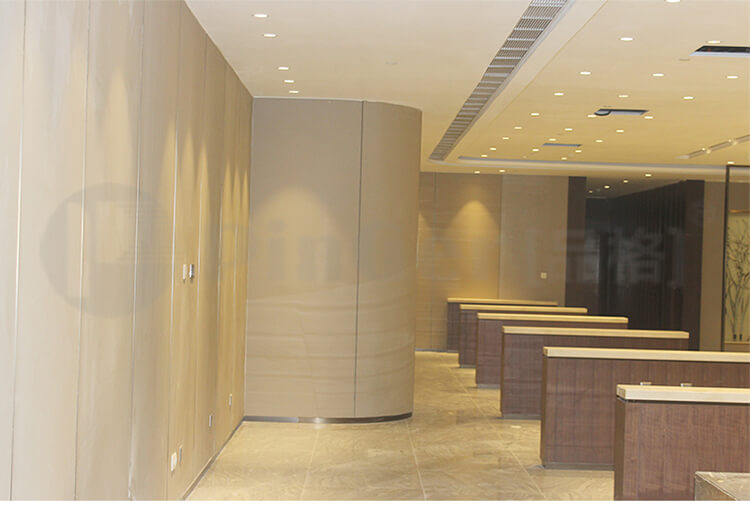
Why Hotel Wall Protection Should Look Different
A hotel is not a hospital, office, or industrial facility. Although all these buildings need durable wall surfaces, their interior design priorities are different. Hotels need to communicate comfort, quality, and personality while managing the practical demands of daily operations.
Guests notice the details. A corridor with scratched paint, damaged corners, or obvious industrial wall guards can make a property feel poorly maintained. On the other hand, a well-designed wall protection system can blend into the architecture and support a consistent visual identity.
The goal is not to hide every protective component. It is to select materials, colors, profiles, and installation heights that feel intentional. Wall protection should become part of the interior design rather than an afterthought added after construction.
Choose Decorative Wall Panels Instead of Plain Institutional Finishes
One of the easiest ways to make hotel wall protection look more residential and less institutional is to choose decorative panels with attractive surface finishes. Instead of relying entirely on plain white or gray materials, designers can use warm neutrals, subtle textures, wood patterns, and coordinated colors.
Pinger Panel's indoor decorative vinyl wall panels offer different surface textures and color options for commercial interiors. The published collection includes microgroove texture, solid colors, and wood-effect finishes, making it easier to coordinate wall surfaces with furniture, flooring, and lighting.
For hotel designers, this flexibility is useful in spaces where a consistent design language matters. A warm wood-look finish can complement reception furniture, while a subtle textured surface may work better in a contemporary guest corridor.
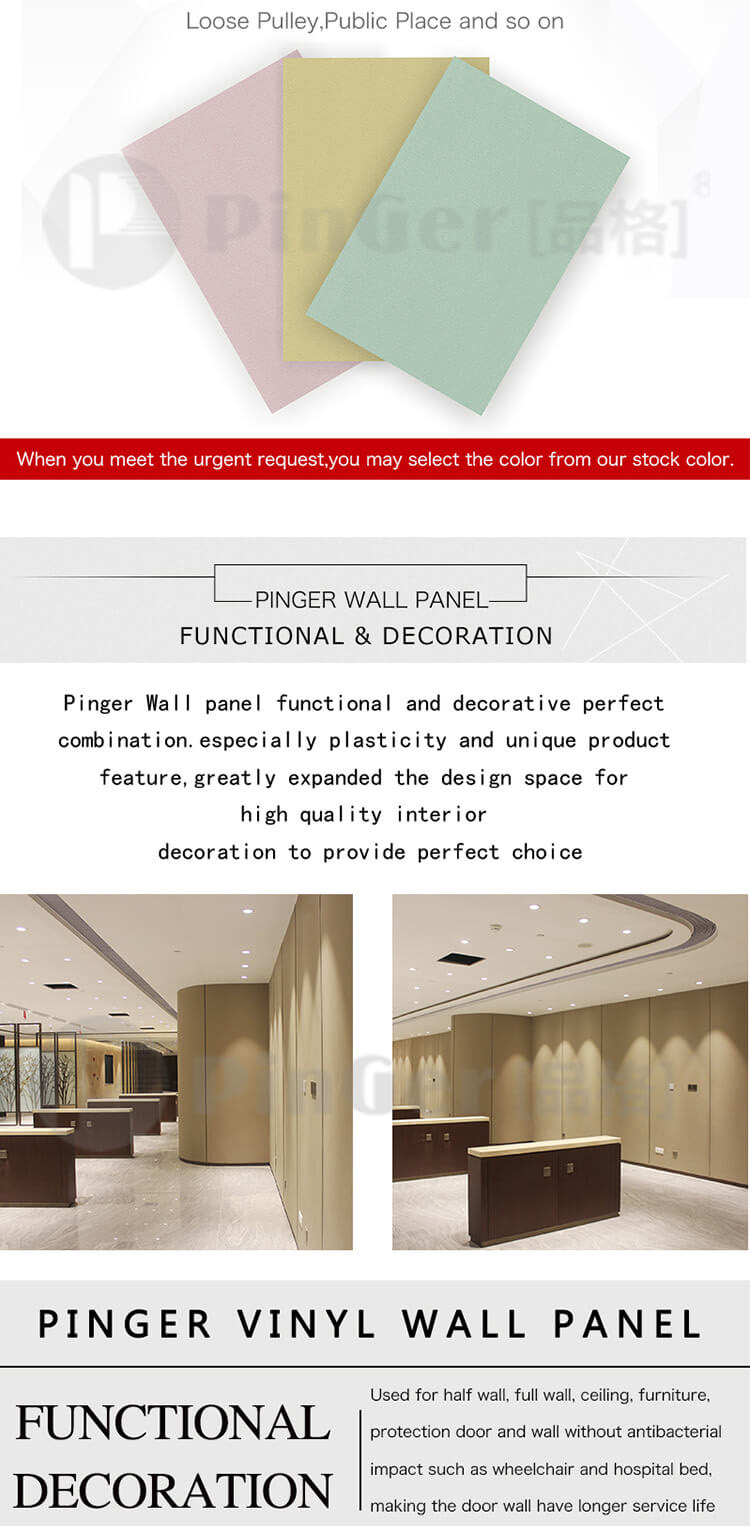
Use Wood-Look Finishes to Create a Warmer Hotel Atmosphere
Wood is a popular design choice in hospitality because it adds warmth and visual depth. It works well in boutique hotels, business hotels, resort properties, and upscale residential-style accommodation.
However, natural wood surfaces can require more maintenance depending on the finish, location, and exposure to cleaning products. In busy areas, designers may prefer decorative wall protection materials that provide a wood-inspired appearance while offering easier routine maintenance.
Pinger Panel's wall cladding sheet collection includes decorative wall covering options designed for different interior applications. Wood-effect patterns can help maintain a coordinated appearance across corridors, common areas, and other guest-facing spaces.
A useful design approach is to combine wood-look wall panels with neutral flooring, warm lighting, and understated metal details. This creates a balanced interior without making the wall protection itself the main visual feature.
Select Different Wall Protection Solutions for Different Hotel Areas
Not every part of a hotel experiences the same type of traffic. A reception area needs to make a strong first impression, while a service corridor must withstand frequent movement of housekeeping carts and delivery equipment. Guest rooms have different requirements from elevators, stairways, and back-of-house spaces.
Instead of specifying one wall protection product throughout the building, consider the function of each area.
| Hotel area | Design priority | Suitable approach |
|---|---|---|
| Reception and lobby | First impressions and visual identity | Decorative panels, refined textures, coordinated colors |
| Guest corridors | Durability and consistent appearance | Rigid wall sheets, wood-effect finishes, discreet corner protection |
| Guest rooms | Comfort and easy maintenance | Decorative wall coverings and subtle protective details |
| Elevator lobbies | Impact and scratch resistance | Impact-resistant panels and coordinated corner guards |
| Service corridors | Frequent cart and equipment contact | Wall guards, crash rails, and durable wall sheets |
| Restaurants and lounges | Appearance and cleaning requirements | Decorative, moisture-appropriate, easy-to-clean wall surfaces |
This area-by-area approach avoids overprotecting spaces that receive little impact while ensuring that vulnerable walls receive the protection they need.
Make Wall Guards Blend into the Interior Design
Wall guards and crash rails are important in hotel corridors, elevator areas, and service routes where luggage carts, cleaning equipment, and furniture can hit the walls. The challenge is choosing protective profiles that do not dominate the interior.
A well-selected wall guard can follow the horizontal lines of the architecture and coordinate with the surrounding wall finish. Matching colors, appropriate installation heights, and clean end details help make the protective component feel like a planned architectural feature.
Pinger Panel's Hotel Vinyl Interior Wall Guard Protection is designed for hospitality and other public environments. The listed WG2001 model has a 197 mm height, a 5 m standard length, a vinyl cover, and an aluminum retainer. The product page also lists multiple color options.
For hotels, this type of system can be considered in locations where a more substantial protective profile is required. Designers should coordinate its color and position with wall panels, door frames, skirting, and other architectural details.
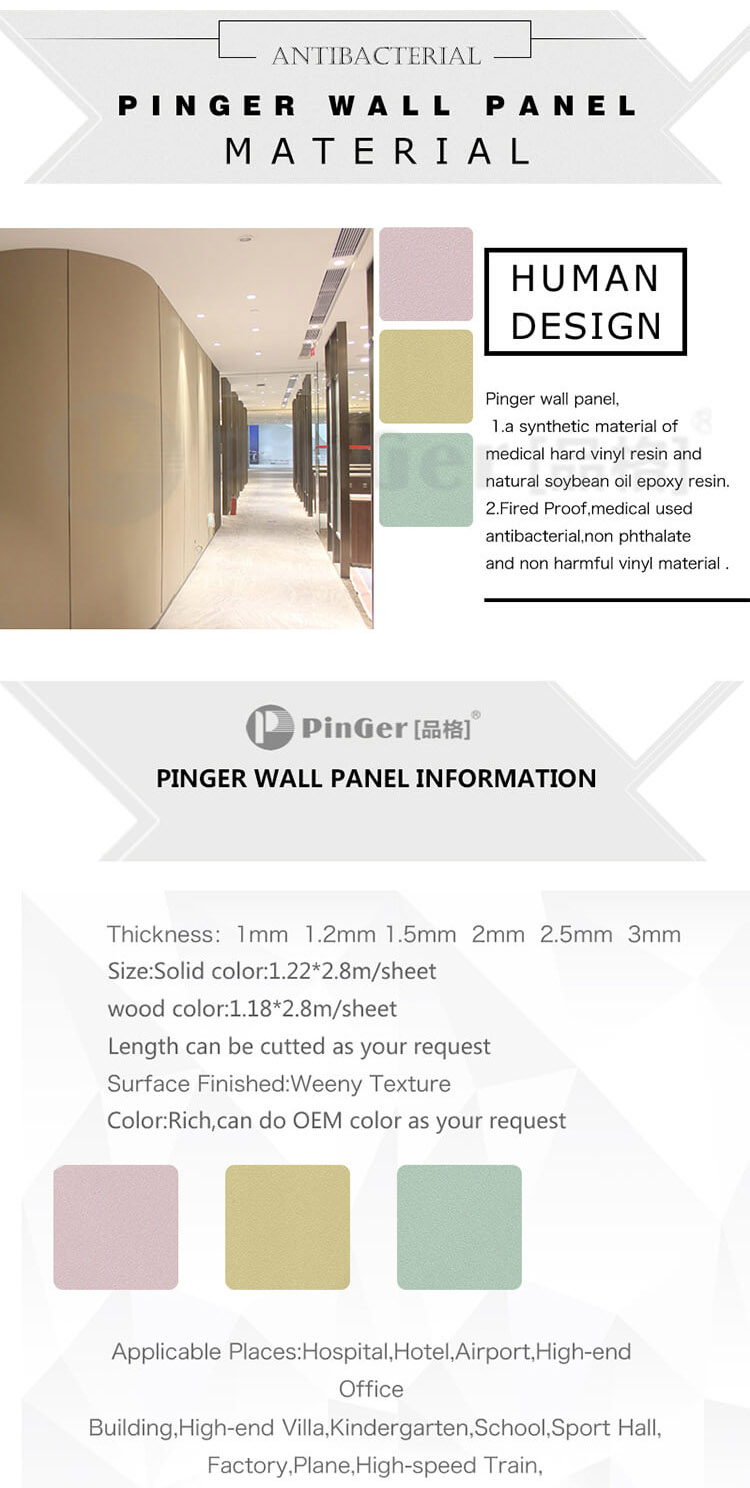
Choose Materials That Support Daily Hotel Maintenance
A beautiful wall finish must also work for housekeeping teams. Hotel walls are exposed to fingerprints, luggage marks, occasional spills, cleaning chemicals, and repeated contact. A material that is difficult to clean can quickly become a maintenance issue.
When evaluating decorative wall protection, consider the following:
- Surface resistance to everyday scuffs and contact.
- Compatibility with the hotel's approved cleaning products.
- Resistance to stains and routine moisture exposure.
- Ease of replacing or repairing damaged sections.
- Availability of matching trims and finishing accessories.
- Relevant fire, emissions, and material compliance documentation.
For areas where moisture and regular cleaning are important considerations, Pinger Panel's waterproof decorative vinyl wall sheet is another product option to evaluate. Check the product's technical data and cleaning compatibility before specifying it for bathrooms, restaurants, or other wet and frequently cleaned areas.
The right maintenance routine should always follow the manufacturer's recommendations. Avoid assuming that every wall panel can tolerate the same disinfectants, solvents, or abrasive cleaning tools.
Use Color and Texture to Build a Distinctive Hotel Identity
Hotels often use different finishes to communicate the character of each space. A boutique hotel may favor warm natural tones and textured surfaces, while a business hotel may use understated gray, beige, and wood-inspired finishes. Resorts may prefer lighter colors and more relaxed visual patterns.
Pinger Panel's indoor decorative wall panel collection lists more than 100 color options and multiple standard textures. Custom color requests are also listed as available, subject to confirmation with the manufacturer.
When selecting a finish, request physical samples whenever possible. Screen colors can differ from actual materials because of lighting, display settings, and surface texture. Reviewing samples under the hotel's intended lighting conditions helps avoid unexpected color differences after installation.
It is also worth considering how the wall surface will look beside flooring, furniture, doors, and decorative lighting. A coordinated palette usually creates a more refined result than choosing each material independently.
Plan Wall Protection as Part of the Hotel Renovation Budget
The purchase price of a wall panel is only one part of the overall project cost. Installation labor, substrate preparation, trims, adhesives, replacement requirements, and future maintenance should also be considered.
For renovation projects, the installation sequence matters. Coordinating wall protection with flooring, door frames, electrical fittings, and furniture installation can reduce unnecessary rework. It may also be useful to select materials that allow damaged sections to be replaced without redesigning the entire wall.
For large hotel projects, prepare a finish schedule that identifies each product, color, thickness, installation location, and required accessory. This makes procurement and installation easier to coordinate across guest floors and public areas.
What Should Hotel Designers Ask a Wall Protection Manufacturer?
Before selecting a wall protection supplier, hotel owners, architects, and contractors should confirm that the proposed products match both the design brief and the technical requirements.
- What decorative finishes, colors, and textures are available?
- Can the manufacturer provide physical samples or custom colors?
- What panel thicknesses and sheet dimensions are offered?
- Which trims, corner profiles, and wall protection accessories are compatible?
- What impact, fire, and emissions test documentation is available?
- Which cleaning agents are suitable for the finished surface?
- What are the minimum order quantities, production lead times, and packaging arrangements?
- Can the supplier support project-specific requirements for hotels and commercial interiors?
These questions help prevent a common procurement problem: choosing a panel because it looks right in a sample photograph, only to discover later that its dimensions, technical properties, or accessories do not suit the installation.
How Pinger Panel Supports Hospitality Interior Projects
Pinger Panel offers wall panels, decorative vinyl wall coverings, rigid wall protection sheets, wall guards, and related accessories for hospitality and other commercial environments. Its product range includes options for hotel interiors, public corridors, reception areas, and other spaces where appearance and wall protection need to work together.
The company's product catalog includes solid colors, wood-effect finishes, multiple surface textures, and different panel thicknesses. These choices give project teams more flexibility when coordinating protective wall surfaces with a hotel's interior concept.
Pinger Panel also presents hospitality-related project references, including the Guangzhou Four Seasons Hotel and South Africa Hilton Hotel Project. Reviewing relevant project applications can help designers understand how wall protection products may be incorporated into different commercial interiors.
For hotel renovations, new developments, and large-scale procurement, visit Pinger Panel to explore product options and discuss project requirements with the manufacturer. Providing drawings, target finishes, wall dimensions, and application details can help the team evaluate a suitable solution.
Frequently Asked Questions About Hotel Wall Protection
How can hotel wall protection look more decorative and less institutional?
Choose decorative wall panels with wood-effect finishes, warm colors, subtle textures, and coordinated trims. Integrate protective rails and corner guards into the architectural design instead of treating them as separate industrial components.
What type of wall panels are suitable for hotel interiors?
Decorative vinyl wall panels and suitable rigid wall protection sheets are options for hotel interiors. The correct choice depends on the location, expected impact, cleaning requirements, appearance, fire regulations, and installation conditions.
Are wood-look wall panels a good choice for hotels?
Yes. Wood-look wall panels can create a warm, welcoming appearance in guest corridors, reception areas, and common spaces. Select a finish that complements the flooring and furniture, and confirm its cleaning and performance properties.
Where should hotels install wall guards and crash rails?
Common locations include guest corridors, elevator lobbies, service routes, and areas exposed to luggage carts, housekeeping equipment, or furniture movement. Installation height and profile should be selected according to actual traffic and project requirements.
Can decorative vinyl wall panels be customized for a hotel project?
Pinger Panel lists multiple colors, textures, and custom color options for its decorative wall panels. Availability, minimum quantities, and production lead times should be confirmed for each project.
Are vinyl wall protection panels easy to maintain?
Many vinyl wall protection surfaces are designed for routine cleaning. However, the correct cleaning products and methods depend on the specific panel finish. Follow the manufacturer's maintenance instructions and verify compatibility with hotel cleaning chemicals.
What should hotels consider before purchasing wall protection?
Consider design, impact resistance, cleaning requirements, fire classification, emissions documentation, panel dimensions, compatible accessories, installation costs, and long-term maintenance. Request product samples and technical documents before final approval.
Create a Hotel Interior That Looks Beautiful and Works Hard
Good hotel wall protection should not make a space feel institutional. With the right decorative panels, warm finishes, coordinated colors, and carefully selected protective accessories, hotels can maintain an inviting atmosphere while managing the demands of everyday operation.
For architects, hotel developers, interior designers, and procurement teams, Pinger Panel provides a range of decorative wall covering and protection solutions worth considering for hospitality projects. Explore the product collection and contact the team to discuss suitable finishes, technical requirements, and project-specific options.