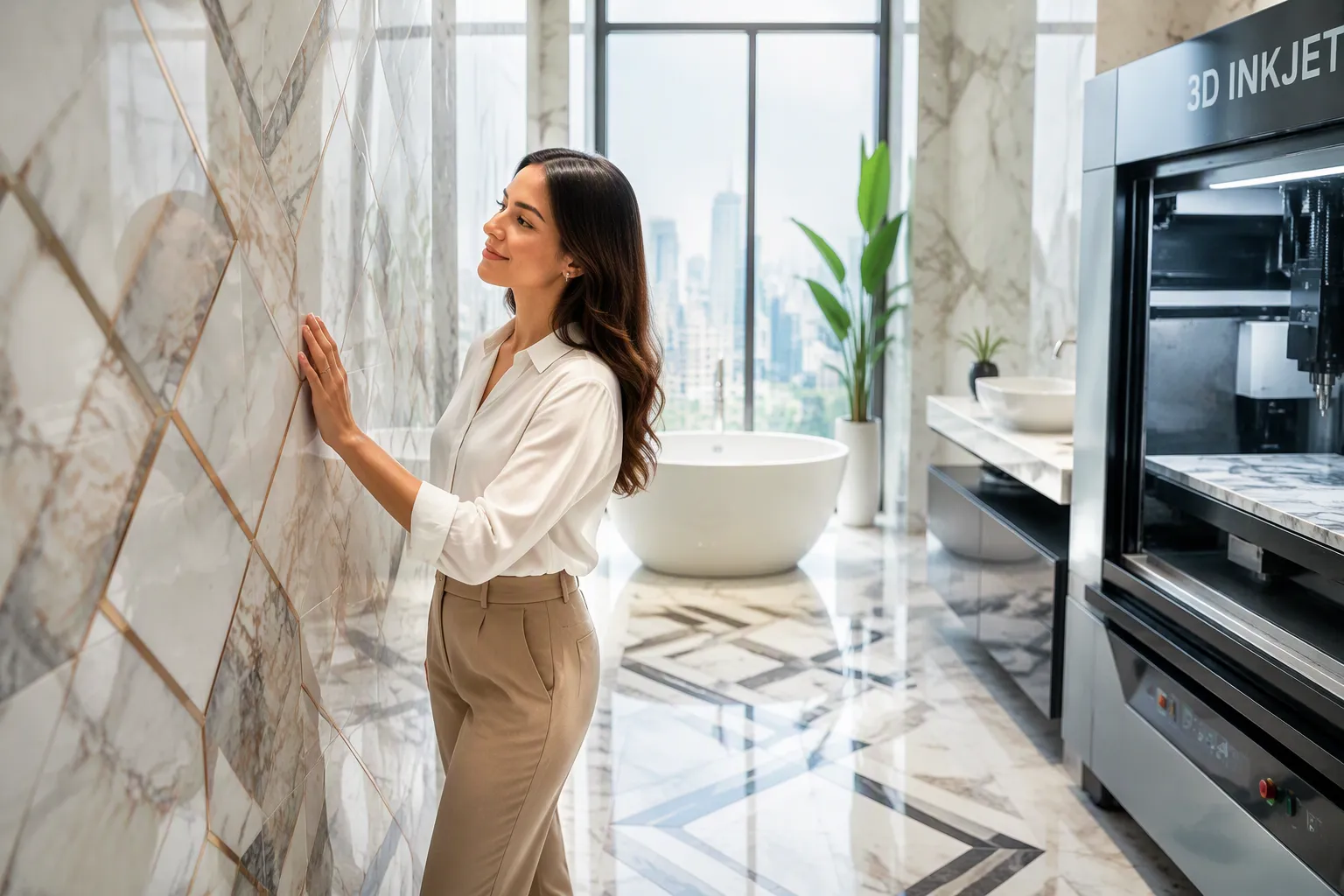
3D inkjet printed marble tiles deliver three headline benefits: unlimited customization, realistic bionic effects, and practical performance advantages. These benefits matter to anyone designing or renovating an interior because they remove the trade-offs between beauty, budget, and upkeep.
You get the look of natural marble with greater design freedom and easier upkeep. A 3D inkjet marble tile lets you specify veining, color, and finish without waiting on a quarry. AONAV pairs this creative control with durable, low-maintenance surfaces for residential and commercial spaces.
Key Takeaways
-
You can customize the look of 3D inkjet marble tiles to match your style.
-
These tiles resist stains and scratches better than natural marble.
-
Lightweight panels make installation faster and easier for any project.
How 3D Inkjet Marble Tile Technology Works
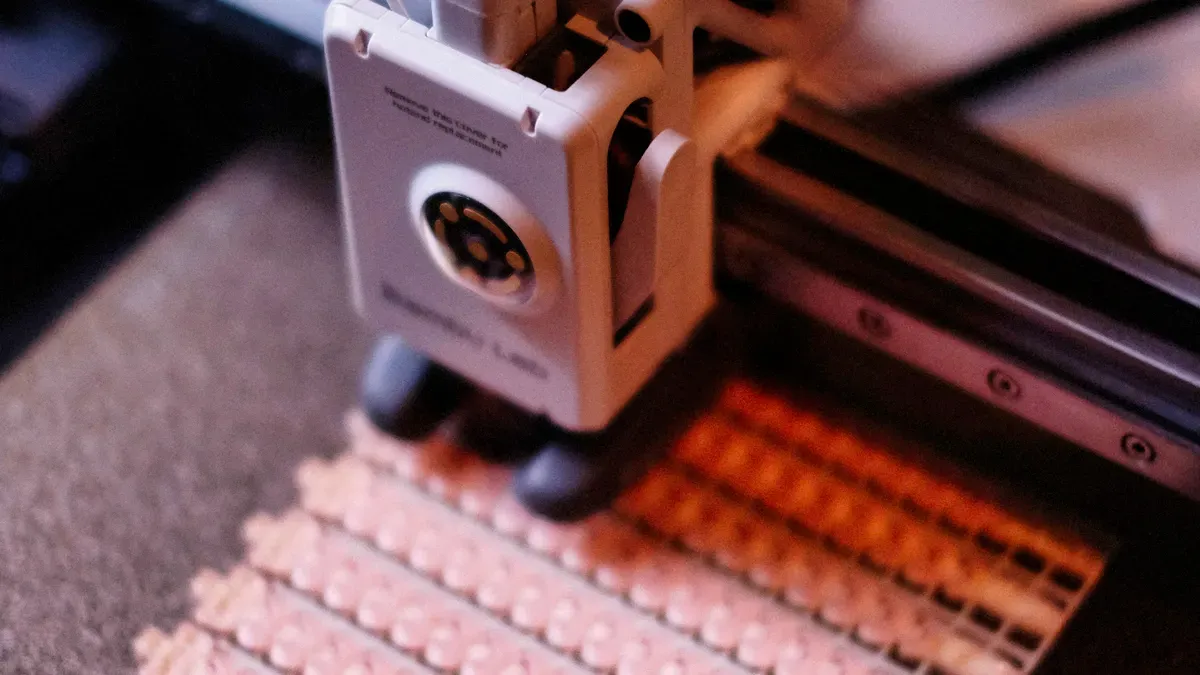
A 3D inkjet marble tile combines digital printing with a structured surface. The printer deposits mineral-based inks onto the tile body, layer by layer. You get veining, shading, and depth that follow a digital file rather than a quarry seam.
Superior Pattern Control for Consistent Veining
Digital printheads place every droplet with precision. You can repeat an exact vein pattern across hundreds of tiles, or vary it slightly to avoid visible repeats. AONAV controls pattern data at the file level, so each production run matches your approved sample. Consistency across a large order becomes a specification, not a hope.
Scale Freedom for Seamless, Large-Format Spaces
Large-format panels reduce grout lines and visual interruption. You can book-match slabs so veins flow across a wall or floor like a single block of stone. Wide panels also speed up installation on expansive surfaces such as lobby walls and open-plan floors.
Texture Synchronization That Mimics Natural Stone
Texture synchronization aligns the printed graphic with the physical surface. Three mechanisms make this work:
-
High-precision printheads adjust droplet trajectory to compensate for height variations, depositing ink into crevices and onto raised areas.
-
Specialized ink formulations bond firmly to irregular surfaces and dry quickly, which prevents smudging and keeps prints sharp.
-
Intelligent software analyzes the tile texture before printing and optimizes ink density, droplet size, and printing speed.
Commercial systems apply the same principle. Daltile's RevealSync3D, Wonder Porcelain's Sinking Ink, Crossville's Visual Touch, and MSI's TileTouch all tie the tactile feel to the printed design. Run your hand across the surface, and the texture matches what your eye sees.
Customization and Design Freedom with 3D Inkjet Printed Marble Tiles
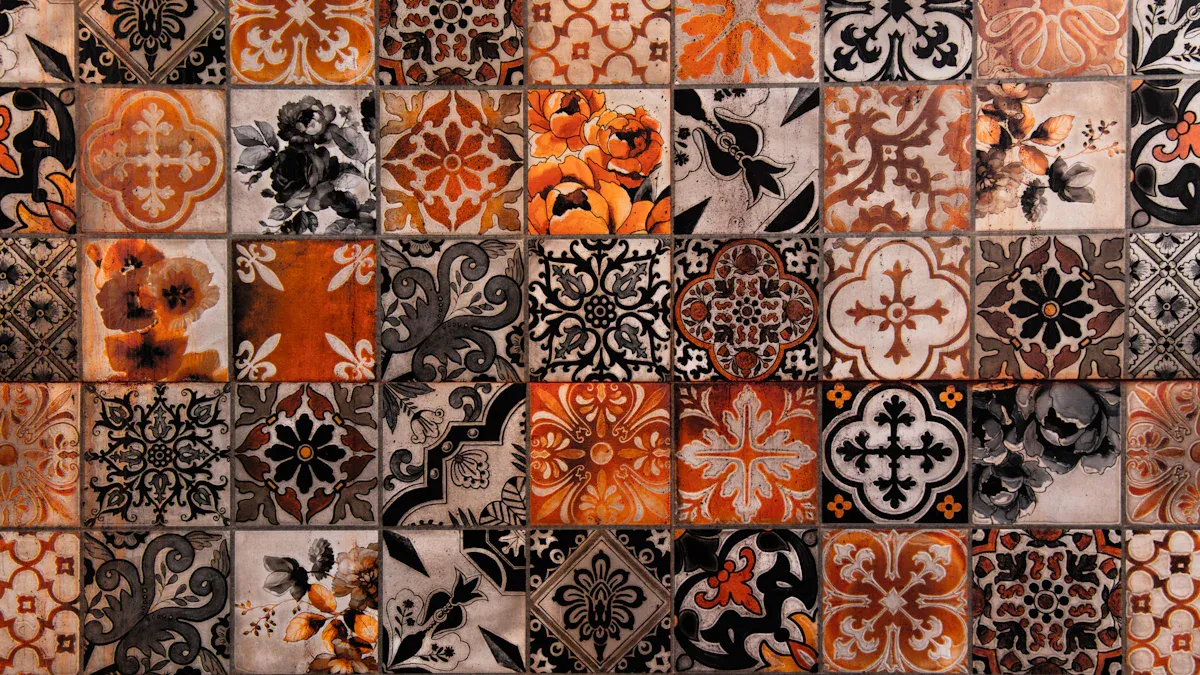
Natural marble offers a fixed palette. You select from what the quarry yields, and you accept the vein pattern that arrives on the slab. A 3D inkjet marble tile reverses that relationship. You define the design first, and the production process follows your specification. AONAV builds its entire customization workflow around this principle, giving you direct control over pattern, color, and surface feel.
Tailored Patterns, Colors, and Finishes
The digital print process treats every tile as a blank canvas. You are not limited to the veining of a specific quarry or the color range of a natural stone type. The table below summarizes the main customization categories and the options available to you.
|
Customization Category |
Available Options |
|---|---|
|
Patterns |
Unlimited customizable vein patterns; you control vein placement, thickness, and flow; you can match abstract paintings, blend multiple stone types in gradient panels, embed personalized symbols in veins, or replicate a specific real-world marble (such as the stone in a honeymoon suite) |
|
Colors |
Full color freedom through mineral-based pigments — for example, teal-veined marble with gold flecks or rippling blue stone; you are not limited to natural marble palettes |
|
Finishes and Textures |
Advanced embossing synchronizes 3D texture with the printed pattern (texture-sync); hyper-realistic bionic effects come from mineral speckles, depth gradients, and vein transparency; ultra-thin 3mm panels are available; sealed stain-resistant surfaces protect the print |
Pattern control goes beyond simple replication. You can direct the flow of a vein across a feature wall. You can thicken a vein to anchor a focal point. You can embed a monogram or a geometric motif directly into the stone pattern. AONAV translates your design file into a production-ready specification, so the finished tile matches your intent.
Color freedom changes how you approach a palette. A teal-veined marble with gold flecks is not a natural stone you can order. It is a design decision you can make. You can pull a color from a fabric sample, a piece of artwork, or a brand identity guide. The mineral-based pigments hold that color across the entire order.
Finish selection completes the sensory experience. Texture-sync embossing aligns the physical relief with the printed graphic. You feel the vein as you run your hand across the surface. The bionic effect comes from layered detail: mineral speckles, depth gradients, and vein transparency that mimics how light moves through real stone.
The Emotional Impact of a Personalized Space
A personalized surface changes how you experience a room. You notice the details because you chose them. A vein pattern that echoes a favorite landscape or a color that matches a family heirloom creates a daily point of connection.
This emotional layer matters in residential interiors. A homeowner who selects a custom 3D inkjet marble tile for a bathroom or kitchen sees a personal decision every morning. The space feels authored rather than assembled. Guests notice the difference even when they cannot name it. The surface carries intention.
The same principle applies in hospitality and commercial settings. A hotel suite with a marble pattern drawn from a local landmark tells a story. A boutique with a signature color woven into the stone creates a memorable brand moment. AONAV supports these projects with design consultation that turns a concept into a producible tile specification.
Personalization also reduces the risk of visual fatigue. A generic marble pattern becomes background noise over time. A pattern you helped design retains its interest. You built a relationship with the surface, and that relationship sustains the emotional value of the space.
Matching Finishes Across an Entire Project
Consistency across multiple rooms and surfaces is one of the hardest goals in interior design. Natural stone varies from slab to slab. A floor ordered in March may not match a wall ordered in June. Digital production removes that uncertainty.
You can specify one 3D inkjet marble tile design and apply it across an entire project. The same vein pattern flows from the lobby floor to the elevator wall to the bathroom vanity. AONAV maintains the pattern data and color formulation for every production run, so a reorder months later matches the original installation.
Matching extends beyond a single pattern. You can coordinate related finishes across different zones. A bold vein pattern works on a feature wall, and a quieter gradient version of the same stone works on the surrounding floor. The two surfaces share a visual language without competing for attention.
This capability simplifies specification for large projects. Designers and contractors work from a single approved sample. The approval process becomes faster and more predictable. You reduce the risk of on-site surprises and costly replacements. A consistent finish across an entire project looks deliberate because it is deliberate.
Practical Advantages of 3D Inkjet Printed Marble Tiles for Interiors
Beauty alone does not justify a surface choice. You need a material that performs under daily use. A 3D inkjet marble tile delivers practical benefits that natural stone struggles to match. AONAV engineers each panel for stain resistance, easy installation, and long-term durability. These advantages matter in busy homes, hotels, and commercial spaces where surfaces face constant traffic.
Stain Resistance and Easy Cleaning
Natural marble is soft and porous. Mild acids etch the surface. Spilled wine, citrus juice, or vinegar leaves a permanent mark. You need sealers and careful cleaning to protect the stone. A 3D inkjet marble tile removes that burden.
The tile body is vitrified porcelain. Water absorption stays below 0.5%, which the ANSI standard classifies as impervious. Liquids cannot penetrate the surface. Stains wipe away with a damp cloth and a mild detergent. You do not need specialty stone cleaners or annual resealing.
Hardness tells a similar story. Natural marble rates roughly 3 to 4 on the Mohs scale. It scratches from keys, cookware, and grit tracked in from outside. Vitrified porcelain rates 6 to 7 on the same scale. The printed surface resists scratching from everyday objects. Your floor keeps its appearance through years of use.
Abrasion resistance follows the PEI scale. This rating runs from Class 0 for wall-only use to Class 5 for the heaviest commercial traffic. A 3D inkjet marble tile typically earns PEI Class V. You can specify it for residential floors, hotel lobbies, and retail spaces with confidence. Natural marble carries no PEI rating because it is a natural stone, not a manufactured product.
The table below compares the key performance metrics side by side.
|
Rating Metric |
3D Inkjet Printed Marble-Look Porcelain Tile |
Natural Marble |
|---|---|---|
|
Stain & Acid Resistance |
Class 5 (maximum ISO rating) |
Low — etches easily with mild acids |
|
Surface Mohs Hardness |
Mohs 6–7 (vitrified porcelain) |
Mohs 3–4 (soft calcite) |
|
PEI Abrasion Rating |
PEI Class V (heavy commercial traffic) |
Not rated (natural stone) |
|
Water Absorption |
< 0.5% (impermeable) |
2.0%–5.0% (porous) |
Cleaning becomes simple. You sweep or vacuum loose debris. You mop with water and a neutral cleaner. The surface does not harbor bacteria or mold because it does not absorb moisture. AONAV seals every panel at the factory, so the protection starts on day one. You spend less time maintaining the surface and more time enjoying the space.
Lightweight Panels for Simple Installation
Weight affects every stage of a project. Natural marble slabs are heavy. A 20mm slab weighs roughly 50 pounds per square meter. You need reinforced substrates, specialized lifting equipment, and a crew trained in stone handling. A 3D inkjet marble tile changes the logistics.
AONAV produces ultra-thin panels down to 3mm. A 3mm panel weighs a fraction of a natural stone slab. One installer can carry and position a large-format panel without mechanical lifts. You reduce labor costs and installation time. The lighter weight also opens options for wall cladding, elevator interiors, and furniture surfaces where stone would add too much load.
Installation follows standard tile-setting practices. You use thin-set mortar or adhesive appropriate for porcelain. Large-format panels cover more area per piece, which reduces the number of joints and speeds up the work. Cutouts for outlets, fixtures, and plumbing follow familiar techniques. Your contractor does not need stone-fabrication skills.
The panels also handle renovation projects well. You can install them over existing substrates in many cases. The reduced weight means you avoid structural reinforcement in most wall applications. A bathroom remodel or a kitchen backsplash upgrade becomes a faster, cleaner job. AONAV provides installation guidance and technical support for every order, so your crew works from clear specifications.
Eco-Friendly Production and Low Maintenance
Sustainability matters to designers and homeowners alike. A 3D inkjet marble tile offers environmental advantages at every stage of its life cycle.
Production uses digital printing instead of quarrying. You avoid the energy, water, and land disturbance of stone extraction. The mineral-based inks contain no heavy metals or volatile organic compounds. AONAV formulates its inks for low environmental impact and high print durability. The porcelain body uses abundant raw materials and fires at high temperature for a durable finished product.
Maintenance reduces resource consumption over time. Natural marble requires sealers, specialty cleaners, and periodic refinishing. Each of those products carries packaging, shipping, and chemical costs. A 3D inkjet marble tile needs only water and a neutral cleaner. You eliminate the recurring expense and the environmental burden of stone care products.
Durability extends the service life. The surface resists stains, scratches, and fading. The printed pattern does not wear away under normal use. You replace the tile less often, which reduces waste. AONAV backs its panels with quality control at every production stage, so the product you install performs for decades.
Indoor air quality also improves. The tile emits no VOCs and does not support mold or mildew growth. You create a healthier interior environment without sacrificing visual warmth. These benefits align with green building standards and residential wellness goals.
Real-World Applications and Versatility
A 3D inkjet marble tile works across a wide range of interior applications. The combination of realistic appearance, customization, and practical performance opens possibilities that natural stone cannot match.
In residential interiors, you can use the tile for bathroom floors and walls, kitchen backsplashes, shower surrounds, and fireplace facades. The stain resistance suits wet areas. The lightweight panels simplify renovation. A homeowner can achieve a book-matched marble feature wall without the cost and structural demands of real stone.
Hospitality projects benefit from the consistency and durability. A hotel lobby floor needs to withstand luggage wheels, foot traffic, and cleaning chemicals. A 3D inkjet marble tile with PEI Class V rating meets that demand. You can specify the same pattern across hundreds of rooms, and every tile matches. AONAV supports hotel and resort projects with large-format production and color consistency across reorders.
Commercial spaces use the tile for retail floors, elevator lobbies, reception desks, and restaurant walls. The customization options let you embed a brand color or a signature pattern into the surface. The easy cleaning suits food service and healthcare environments. The lightweight panels speed up installation in occupied buildings where downtime costs money.
Furniture and fixture applications extend the versatility. You can clad tabletops, cabinetry fronts, and shelving with 3mm panels. The tile adds a stone look without the weight of solid marble. Designers use these thin panels to create custom pieces that would be impractical in natural stone.
Outdoor covered areas also work well. A 3D inkjet marble tile resists freeze-thaw cycles and UV fading when rated for exterior use. You can extend the interior design language to a covered patio or balcony. AONAV offers guidance on exterior-rated products for projects that cross the indoor-outdoor boundary.
The range of applications keeps expanding. Digital printing frees you from the limits of natural stone availability. You specify the look you want, and the tile delivers it with the performance the space requires.
A 3D inkjet marble tile marks a paradigm shift in interior surfacing. Manufacturers now replicate natural marble with high precision, and the market keeps expanding. You get realistic beauty, design freedom, and practical durability in one solution. Consider a 3D inkjet marble tile for your next interior project.
FAQ
How Do 3D Inkjet Printed Marble Tiles Compare to Natural Marble?
You get a realistic marble look with better stain resistance, higher scratch hardness, and lighter panels. Natural marble offers unique slab variation. AONAV tiles deliver consistent patterns and easier upkeep.
Can You Customize the Vein Pattern and Color of 3D Inkjet Marble Tiles?
Yes. You control vein placement, thickness, color, and finish through a digital design file. AONAV translates your specification into production, so every tile matches your approved sample.
Where Can You Install 3D Inkjet Printed Marble Tiles?
You can install them on floors, walls, backsplashes, shower surrounds, fireplace facades, and furniture surfaces. The lightweight panels suit renovations. AONAV offers exterior-rated options for covered patios and balconies.