2026 Buying Guide How to Get Wholesale Prices for Custom Magnets

2026 Buying Guide: How to Get Wholesale Prices for Custom Magnets

Introduction

Wholesale Custom Magnet Gifts are powerful promotional tools and everyday essentials, but many buyers struggle with high retail markups, inconsistent quality, and hidden fees when sourcing. In 2026, over 70% of small businesses still purchase from middlemen, paying 15–35% more than factory-direct prices. This guide reveals how to bypass intermediaries, secure wholesale pricing, and get high-quality Bulk Custom Magnet Orders for less.


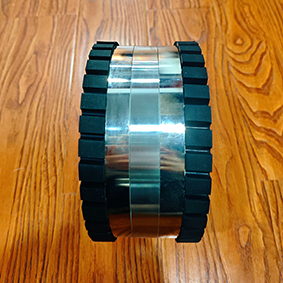
Neodymium magnet


The Pain Points of Buying Custom Magnets Retail

●   Sky-High Markups: Retailers add 20–40% profit margins, inflating costs for bulk orders.

●   Minimum Order Rip-Offs: Many retail suppliers set high MOQs (500+ pieces) with no discount, forcing over-purchasing.

●   Quality Inconsistency: Mass-produced retail magnets often fade, crack, or lose magnetism quickly.

●   Limited Customization: Retail options restrict shapes, sizes, and materials, limiting brand creativity.


The Benefits of Wholesale Custom Magnets

●   Cost Savings Up to 35%: Factory-direct wholesale eliminates middlemen, cutting costs significantly.

●   Flexible MOQs: Reputable wholesalers offer low minimums (50–100 pieces) with tiered pricing for larger orders.

●   Premium Quality Control: Direct manufacturers use durable materials (neodymium, PVC, rubber) and strict quality checks.

●   Full Customization: Unlimited shapes, sizes, colors, and branding options (logos, artwork, text).

●   Faster Lead Times: Direct communication with factories speeds up sampling and production (7–14 days).


How to Get Wholesale Prices for Custom Magnets in 2026

1. Choose the Right Magnet Type (Cost vs. Performance)

Selecting the right material balances cost and functionality. Below is a quick comparison:

Comparison table of cost and performance of different types of magnets


2. Source Directly from Manufacturers

Platforms like Alibaba, Made-in-China, and industry directories connect you with verified custom magnet factories. Look for suppliers with:

●   5+ years of experience in custom magnet production.

●   Positive reviews (4.5+ stars) and client testimonials.

●   Free sampling options to test quality before bulk orders.


3. Negotiate Tiered Pricing

Wholesale prices drop as order quantity increases. For example:

●   50–100 pieces: $0.50–$1.00 each.

●   500–1,000 pieces: $0.30–$0.60 each.

●   5,000+ pieces: $0.15–$0.40 each.


4. Optimize Your Design for Cost Efficiency

●   Simplify Shapes: Standard shapes (circles, squares, rectangles) cost less than custom die-cuts.

●   Limit Colors: 1–2 color prints are cheaper than full-color designs.

●   Bulk Up Orders: Combine multiple designs into one order to qualify for lower tiered pricing—this is a simple yet effective way to maximize savings on wholesale custom magnets.


Final Thoughts

In 2026, the core of getting the wholesale price of customized magnets is to bypass the middlemen and directly connect with the factory. Choose the right material, negotiate the step price, optimize the design, bulk purchase can save 35% cost, and at the same time get high-quality, fully customized magnet products.


Xiamen kings magnet Co., Ltd. has been deeply engaged in the magnet industry for more than ten years. It is a high-tech enterprise integrating the research and development, production and sales of neodymium magnet, alnico magnet, permanent magnet ferrite, rubber magnet and magnetic components.

We are committed to the research and production of high-performance, high-precision, and high-difficulty products, truly meeting customers' maximum needs for product applicability, economy, and reliability!


FAQ

Q1: What is the typical MOQ for wholesale custom magnets?

A: Most factories offer low MOQs of 50–100 pieces for flexible/PVC magnets and 10–50 pieces for neodymium magnets.

Q2: How long does production take for bulk custom magnets?

A: Lead times are usually 7–14 days for sampling and 15–25 days for mass production, depending on order size and complexity.

Q3: Can I get a free sample before placing a bulk order?

A: Yes, most verified manufacturers provide free digital samples and low-cost physical samples ($5–$20) to confirm design and quality.

Q4: What customization options are available?

A: You can customize shape (circle, square, die-cut), size (1”–12”), color (1–4 colors or full-color), and add logos, artwork, text, or photos.
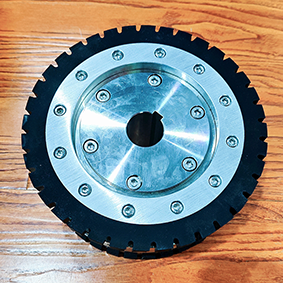
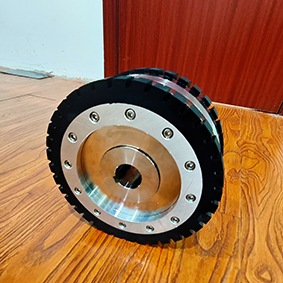
 

Will the magnetism of the magnetic wheel decrease after long-term use?

Will the magnetism of the magnetic wheel decrease after long-term use?

In the field of automation equipment and industrial transmission,magnetic wheels are widely used for their frictionless, quiet, and low-maintenance performance. But many engineers and buyers share the same concern: Will the magnetism of the magnetic wheel decrease after long-term use?


In this article, we explain the truth about magnetic decay, what causes it, and how to keep your magnetic wheels performing reliably for years.

magnetic wheels supplier

Normal Operation: Almost No Magnetic Decay

Magnetic wheels rely on high-performance permanent magnets such as neodymium magnet or SmCo magnet. Their magnetism comes from the internal alignment of magnetic domains, not from a consumable energy source.

Under standard conditions of normal temperature, no corrosion, no strong external force, and no strong magnetic field in the opposite direction, the high-quality magnetic wheels show almost no noticeable magnetic loss, even after years of continuous use. The natural decay rate is so small that it can be ignored for most industrial applications.


What Actually Causes Magnetism to Fade?

Magnetic loss in magnetic wheels is almost never caused by “natural aging.” It typically comes from four external factors:

1.High temperature superheating: Exceeding the rated operating temperature disrupts magnetic domains and causes irreversible demagnetization.

2.Mechanical damage and severe vibration:long-term overload operation, severe impact, and high-frequency vibration can cause microcracks and structural damage in magnets, directly leading to a decrease in magnetism.

3.Corrosion & oxidation: Moisture and acid-base environments will destroy the protective coating on the surface of the magnet, causing the magnet to oxidize and rust, indirectly weakening the magnetic properties.

4.Strong reverse magnetic field interference: Long-term exposure to strong reverse magnetic fields will neutralize the original magnetic field, and when it exceeds the coercivity of the magnet, complete demagnetization will occur.


How to Maintain Stable Magnetism Longer


To prevent magnetic decay and extend the service life of your magnetic wheels:

1. Choose the right magnet material for your temperature environment.

2. Avoid overloading, severe impact, and continuous high-temperature operation.

3. Use properly coated or encapsulated magnetic wheels for humid or harsh conditions.

4. Install with reasonable clearance and reduce unnecessary vibration,and regularly inspect and
maintain it.

magnetic wheels supplier Neodymium magnet wheel magnetic

Epilogue

In short, the magnetic wheel itself will not naturally lose its magnetic strength over time, as long as the product is selected, proper use is made, and protection is done, it can always maintain stable magnetic performance and ensure the continuous and efficient operation of the equipment. Choosing high-quality and well-protected magnetic wheels is the core to avoid magnetic decay and reduce equipment failure rate.


Xiamen Kings Magnet Co., Ltd. specializes in customizing and producing magnetic wheels,  Halbach Array, climbing robot components, magnetic rolls, and other non-standard magnetic components! With precise customization and stable performance, we serve diverse needs, and we are willing to cooperate with our customers to explore new market opportunities.


How to Choose Magnetic Wheel for Wall Climbing Robot

How to Choose Magnetic Wheel for Wall Climbing Robot

The Right Magnetic Wheel Determines Robot Performance

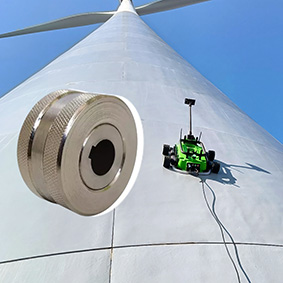
Choosing the right Magnetic Wheel for Wall Climbing Robot is make-or-break for stable adhesion, safe operation, and long service life—but far too many engineers and manufacturers fall into costly pitfalls: weak adsorption force that makes robots slip mid-climb, poor surface adaptability that fails to grip curved steel walls, or excessive weight that drains power and shortens runtime. These issues don’t just delay projects—they hike maintenance costs, create safety hazards, and derail your robot’s performance. The solution? Focus on three core elements: High Adhesion Magnetic WheelCurved Surface Magnetic Wheel, and Lightweight Magnetic Wheel. These targeted solutions balance adhesion, adaptability, and portability, helping you avoid costly mistakes and unlock your wall climbing robot’s full potential.

Magnetic Wheel Performance Comparison Table

Wondering how different magnetic wheels stack up in real-world use? We’ve put together a data comparison table that breaks down key performance metrics for four common Magnetic Wheel for Wall Climbing Robot types. Use it to quickly pick the perfect fit for your scenario (test conditions: 10mm thick polished steel wall, room temperature, robot load 50kg).

Magnetic Wheel Type

Adhesion Force (N)

Curved Surface Adaptability (Curvature Radius ≥0.22m)

Weight (kg/unit)

Service Life (Hours)

Applicable Scenarios

Standard Magnetic Wheel (Ordinary Material)

120

Poor (Slippage Occurs)

0.8

2000

Flat Steel Walls, Light Load

High Adhesion Magnetic Wheel (NdFeB Material)

250

General (No Slippage)

1.1

3500

Heavy Load Inspection, High-Rise Steel Structures

Curved Surface Magnetic Wheel (Optimized Structure)

210

Excellent (Smooth Movement)

0.9

3000

Curved Tanks, Wind Turbine Towers

Lightweight Magnetic Wheel (Aluminum Alloy Frame)

180

Good (Minor Adjustment Needed)

0.5

2800

Portable Robots, Long-Duration Operations

Tip 1: Prioritize High Adhesion Magnetic Wheel for Heavy Loads & Safety

First rule of Magnetic Wheel for Wall Climbing Robot selection: Prioritize a High Adhesion Magnetic Wheel for heavy-load or high-risk jobs. Weak adhesion is the #1 safety risk—if your magnetic wheel can’t deliver at least 1.5 times the robot’s total weight in adsorption force, it will slip, fall, and destroy equipment (or worse). A High Adhesion Magnetic Wheel, built with high-grade neodymium magnets and optimized magnetic circuits, delivers 200-300N of grip—enough to keep your robot stable even when fully loaded with inspection or repair tools. This fixes the “unreliable adhesion” pain point and gives you a critical benefit: safe, worry-free operation in high-altitude, heavy-load scenarios like petrochemical tank inspections or nuclear industry thickness measurements.


Tip 2: Choose Curved Surface Magnetic Wheel for Curved Structures

Second: Match your magnetic wheel to your working surface. If your robot operates on curved structures (think cylindrical tanks or wind turbine towers), a Curved Surface Magnetic Wheel is non-negotiable. Standard flat magnetic wheels fail here—they make poor contact, lose adhesion, and move erratically on curved walls. A Curved Surface Magnetic Wheel features an optimized arc design and adaptive magnetic circuit, ensuring full contact with curved surfaces and consistent grip even when the curvature radius is as small as 0.22m. This solves the “poor surface adaptability” headache and saves you money: one magnetic wheel for both flat and curved steel walls, no need to buy multiple types.


Tip 3: Opt for Lightweight Magnetic Wheel for Long Runtime & Portability

Finally, don’t sleep on a Lightweight Magnetic Wheel—especially if your robot needs long runtimes or portability. Overly heavy magnetic wheels add unnecessary weight, jacking up power consumption and cutting battery life (a top complaint for long-duration inspection robots). A Lightweight Magnetic Wheel uses a high-strength aluminum alloy frame and optimized magnet layout, slashing weight by 30-40% compared to standard wheels—without sacrificing adhesion. This fixes the “high power consumption, short runtime” pain point and delivers big benefits: longer battery life, lower energy costs, and easier installation and maintenance.

Xiamen kings magnet Co., Ltd. has been deeply engaged in the magnetic industry for more than ten years, providing you with professional magnetic solutions. Professional customized production of magnetic wheel,  Halbach magnetic components, climbing wall robot components, magnetic roller and other non-standard magnetic components! We are committed to the research and production of high-performance, high-precision, and high-difficulty products, truly meeting customers' maximum needs for product applicability, economy, and reliability!


FAQ (Frequently Asked Questions)

Q1: What’s the minimum adhesion force required for a Magnetic Wheel for Wall Climbing Robot?
A1: The minimum adhesion force should be 1.5-2 times the robot’s total weight (including load). For example, if your robot weighs 50kg (total weight with load), the magnetic wheel’s adhesion force should be at least 750N (4 units × 187.5N per unit) to ensure safe climbing without slipping, which is achievable with a High Adhesion Magnetic Wheel.

Q2: Can a Curved Surface Magnetic Wheel be used on flat walls?
A2: Yes—Curved Surface Magnetic Wheels are designed with adaptive structures that can also work on flat steel walls. They maintain good contact and adhesion, making them versatile for both flat and curved surfaces. This eliminates the need to purchase separate magnetic wheels for different surface types, saving costs.

Q3: Will a Lightweight Magnetic Wheel compromise adhesion force?
A3: No—high-quality Lightweight Magnetic Wheels use high-grade neodymium magnets and optimized magnetic circuit design to balance weight and adhesion. They are 30-40% lighter than standard magnetic wheels but still provide sufficient adhesion (180-200N per unit), meeting the needs of most portable and long-duration operation scenarios.

Q4: How to extend the service life of a Magnetic Wheel for Wall Climbing Robot?
A4: Choose magnetic wheels with corrosion-resistant surface treatment (e.g., nickel coating) to avoid rust in harsh environments; regularly clean the wheel surface to remove dust and debris that reduce adhesion; and avoid excessive load beyond the magnetic wheel’s rated adhesion force. High Adhesion and Curved Surface Magnetic Wheels typically have a longer service life (3000+ hours) due to their high-quality materials and optimized structure.


How to Increase Magnetic Pull Force Without Increasing Magnet Size?

How to Increase Magnetic Pull Force Without Increasing Magnet Size?

Introduction

In many industrial, automotive, and consumer electronics applications, magnetic pull force is a critical factor—but increasing magnet size to boost strength is often not an option. Whether you’re designing a compact wearable device, a space-constrained industrial component, or a sleek consumer product, bulky magnets can ruin product aesthetics, increase production costs, and fail to fit into tight assemblies. This blog will answer these pain points for you.

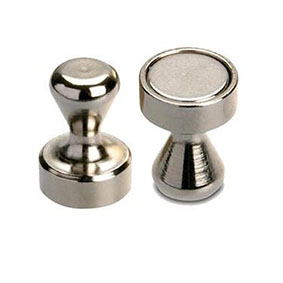
Neodymium pin magnet

Stronger Pull Force, No Size Increase

This is the core pain point for engineers, product designers, and manufacturers: needing stronger magnetic pull without sacrificing size, portability, or cost-efficiency. The good news? You don’t have to choose between size and strength—with the right strategies, you can achieve effective Magnetic Pull Force Boost while keeping your magnet’s footprint unchanged, unlocking better performance and competitive advantages for your products. A key solution lies in using High Grade Neodymium Magnet and an Optimized Magnetic Circuit to avoid size increases.


3 Core Strategies for Magnetic Pull Force Boost (No Size Increase)

The key to boosting magnetic pull force without increasing size lies in three core elements: High Grade Neodymium MagnetOptimized Magnetic Circuit, and surface treatment. These strategies target the root of magnetic strength—maximizing flux density and reducing magnetic leakage—rather than simply increasing the magnet’s physical volume. Let’s break down the most effective methods, supported by real-world data to prove their impact, especially how each element contributes to Magnetic Pull Force Boost. Below is a comparative table showing how these strategies improve pull force for a standard 10mm x 3mm disc magnet (a common size for compact applications), without changing its dimensions.

Strategy

Magnet Specification (Size Unchanged)

Pull Force (Vertical, Against Steel Plate)

Performance Improvement

Standard N35 Magnet (No Optimization)

10mm x 3mm Disc, Uncoated, Open Magnetic Circuit

~1.6 kg (3.5 lbs)

Base Level

High-Grade Material (N52)

10mm x 3mm Disc, Uncoated, Open Magnetic Circuit

~2.3 kg (5.1 lbs)

~40% Increase

N35 + Optimized Magnetic Circuit (With Yoke)

10mm x 3mm Disc, Uncoated, Semi-Closed Circuit

~2.0 kg (4.4 lbs)

~25% Increase

N52 + Magnetic Circuit + Nickel Coating

10mm x 3mm Disc, Nickel-Coated, Semi-Closed Circuit

~2.5 kg (5.5 lbs)

~56% Increase


Strategy 1: Upgrade to High Grade Neodymium Magnet

The first and most impactful strategy is upgrading to a High Grade Neodymium Magnet. As the golden rule of magnets goes: grade × size = force—but when size is fixed, increasing grade becomes the most direct way to achieve Magnetic Pull Force Boost. For example, replacing a standard N35 magnet with an N52 magnet (the highest grade of neodymium magnets) delivers a ~40% pull force increase without changing size, as shown in the table above. This addresses the pain point of “weak strength in small magnets” by leveraging higher magnetic energy density—N52 magnets (a top High Grade Neodymium Magnet) have a maximum magnetic energy product ((BH)max) that is significantly higher than N35, meaning they can store and release more magnetic energy in the same volume. The benefit? Your compact product gets the strength it needs without becoming bulky, making it more competitive in markets where size and performance are both critical.


Strategy 2: Adopt an Optimized Magnetic Circuit

The second strategy is adopting an Optimized Magnetic Circuit to reduce flux leakage. Most small magnets use an open magnetic circuit, where magnetic flux escapes into the air, wasting strength—but a semi-closed, Optimized Magnetic Circuit (adding a magnetic yoke or steel cup) redirects flux to the working surface, concentrating it for stronger pull force. This is especially valuable for applications where the magnet can’t be made larger, like medical devices or precision sensors. The yoke acts as a “flux guide,” ensuring more magnetic energy is directed toward the object being attracted, which directly contributes to Magnetic Pull Force Boost. The benefit here is twofold: you get stronger pull force without size increases, and the magnet’s performance becomes more consistent, even in tight spaces—solving the pain of “unreliable strength in compact assemblies.”


Strategy 3: Surface Treatment & Air Gap Minimization

Finally, surface treatment and minimizing air gaps can further enhance pull force, complementing the effects of High Grade Neodymium Magnet and Optimized Magnetic Circuit for a comprehensive Magnetic Pull Force Boost. A smooth, corrosion-resistant coating (like nickel or zinc) ensures maximum contact between the magnet and the attracted surface, reducing tiny air gaps that cause exponential flux loss. Even a 0.1mm air gap can reduce pull force by 10–15%, so eliminating these gaps is crucial for maximizing the benefits of your High Grade Neodymium Magnet and Optimized Magnetic Circuit. This addresses the pain point of “inconsistent performance due to surface wear or gaps” and delivers the benefit of longer-lasting, more reliable magnetic strength—critical for products that need to perform consistently over time, such as magnetic latches or charging connectors.


Combine All 3 Strategies for Maximum Magnetic Pull Force Boost

By combining these three strategies—High Grade Neodymium Magnet, Optimized Magnetic Circuit, and surface treatment—you can achieve significant Magnetic Pull Force Boost without increasing magnet size. This not only solves the core pain points of size constraints and weak strength but also delivers tangible benefits: better product performance, sleeker design, lower production costs, and a competitive edge in crowded markets. Each element works in tandem: the High Grade Neodymium Magnet provides the base strength, the Optimized Magnetic Circuit maximizes flux usage, and surface treatment ensures consistent performance—all working together to avoid size increases while boosting pull force. Whether you’re designing consumer electronics, industrial components, or medical devices, these strategies let you prioritize both size and strength—without compromise.


Xiamen kings magnet Co., Ltd. has been deeply engaged in the magnetic industry for more than ten years, providing you with professional magnetic solutions. We are committed to the research and production of high-performance, high-precision, and high-difficulty products, truly meeting customers' maximum needs for product applicability, economy, and reliability!


FAQ (Frequently Asked Questions)

Q1: Will upgrading to a high-grade magnet (like N52) increase my production costs significantly?
A1: While N52 magnets are slightly more expensive than standard N35 magnets, the cost increase is minimal compared to the value of improved performance. In most cases, the cost per unit only increases by 10–15%, but you get a ~40% pull force boost—making it a cost-effective solution for applications where strength is critical. Additionally, you avoid the higher costs of resizing your product to fit a larger magnet.

Q2: Can these strategies work for all types of magnets (e.g., neodymium, ferrite)?
A2: These strategies are most effective for neodymium magnets, especially High Grade Neodymium Magnet, which have the highest magnetic energy density and are commonly used in compact, high-performance applications. An Optimized Magnetic Circuit and surface treatment can also benefit ferrite magnets, but their grade range is more limited, so the Magnetic Pull Force Boost will be smaller (typically 10–20% instead of 40+%).

Q3: Will optimizing the magnetic circuit add extra bulk to my product?
A4: No—magnetic yokes and steel cups are extremely thin (often 0.5–1mm thick) and can be integrated into your product’s existing design without increasing overall size. In many cases, the yoke can double as a structural component, so it doesn’t add unnecessary bulk or weight.