You face many decisions when searching for the Best Aluminum Profile Manufacturer for large-scale projects. Clarifying your aluminum and aluminium requirements helps you avoid common pitfalls. Project managers often encounter hidden costs, quality control gaps, communication breakdowns, and scalability limitations. The table below highlights these challenges:
|
Challenge Type |
Specific Issues |
|---|---|
|
Hidden Costs |
Tooling fees, excess aluminium inventory, packaging/shipping charges |
|
Quality Control Gaps |
Missing aluminium inspection reports, surface treatment validation |
|
Communication Breakdowns |
Slow aluminum response times, limited technical support |
|
Scalability Limitations |
Low aluminium production capacity, no contingency planning |
Consult with experienced extrusion engineers or suppliers to select optimal aluminium profiles and ensure project success.
Key Takeaways
-
Define your project requirements clearly. Specify technical details like customization, strength, and corrosion resistance to choose the right aluminum profiles.
-
Research potential manufacturers thoroughly. Use online directories, referrals, and trade shows to find reputable aluminum profile companies.
-
Evaluate production capacity and technology. Choose manufacturers with advanced extrusion capabilities and a proven track record in handling large-scale projects.
-
Check for quality certifications. Ensure your supplier complies with industry standards like ISO 9001 to guarantee product quality and safety.
-
Prioritize strong customer service. Select manufacturers that offer reliable support and clear communication to keep your project on track.
Project Requirements
Technical Specifications
You need to define your technical specifications before you contact aluminum profile companies. These details help you choose the right aluminium for your project. Large-scale projects often require both standard aluminium profiles and custom aluminium profile solutions. You should consider the following critical specifications:
|
Specification Type |
Description |
|---|---|
|
Customization |
Meets precise application needs, improves load bearing, and supports thermal management. |
|
Strength |
Ensures structural integrity for demanding environments. |
|
Lightweight Properties |
Reduces total weight, making handling and installation easier. |
|
Corrosion Resistance |
Increases durability in different environmental conditions. |
|
Advanced Surface Treatments |
Improves appearance and function, such as anodizing or powder coating. |
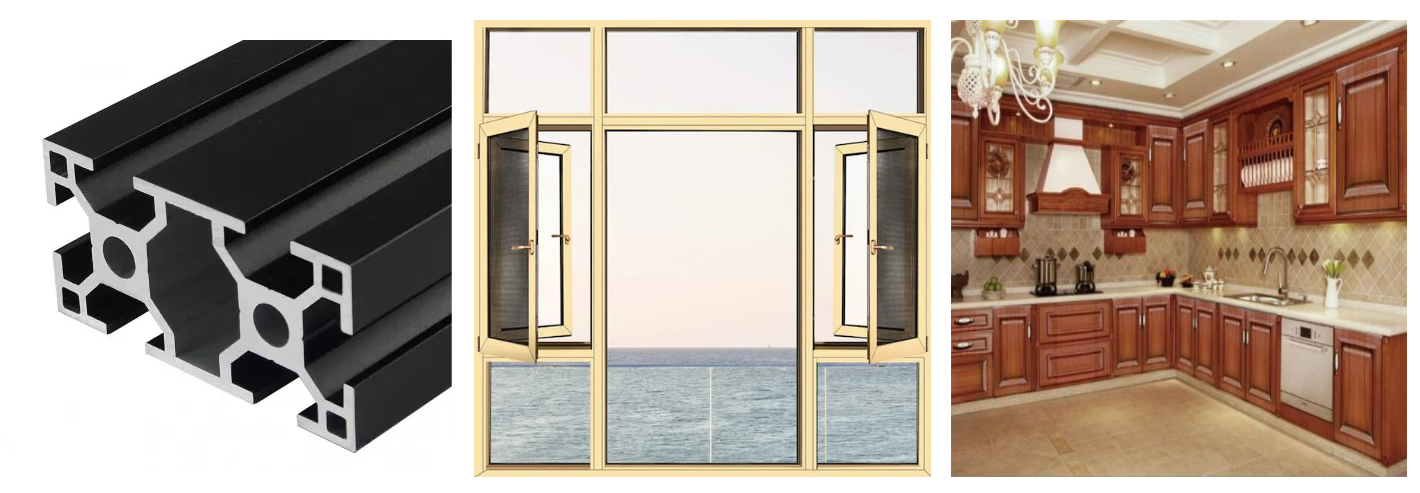
You can request custom aluminum extrusion profiles for unique shapes or performance needs. Guang Ya aluminium offers a wide range of industrial aluminum profiles and architectural aluminum profiles, including aluminum window and door profiles for construction projects.
Volume and Timeline
You must estimate your total aluminium volume and set a clear timeline. Large projects often need high aluminum capacity and reliable delivery schedules. Leading aluminum profile companies like Guang Ya aluminium can handle large orders and maintain consistent supply. You should share your project phases and deadlines with your supplier. This helps them plan production and logistics for your aluminum extrusion profiles. Early planning reduces the risk of delays and ensures you receive the right aluminium at each stage.
Tip: Always confirm your supplier’s production capacity and ask about their contingency plans for urgent orders.
Quality Standards
You should check which quality standards your project requires. International projects often demand strict standards for aluminium. The table below lists common standards for aluminum profiles:
|
Standard |
Description |
|---|---|
|
EN 755-9 |
Sets tolerance for dimensions and forms, used in engineering and architecture. |
|
BS EN 12020-2 |
Sets tolerance for precision extruded aluminum profiles. |
|
ISO 9001 |
Requires a quality management system for consistent product quality. |
You should ask for certificates and test reports from your supplier. This ensures your aluminium meets all project requirements. Reliable suppliers like Guang Ya aluminium follow these standards and provide full documentation.
Research Aluminum Profile Companies
Online Directories & Referrals
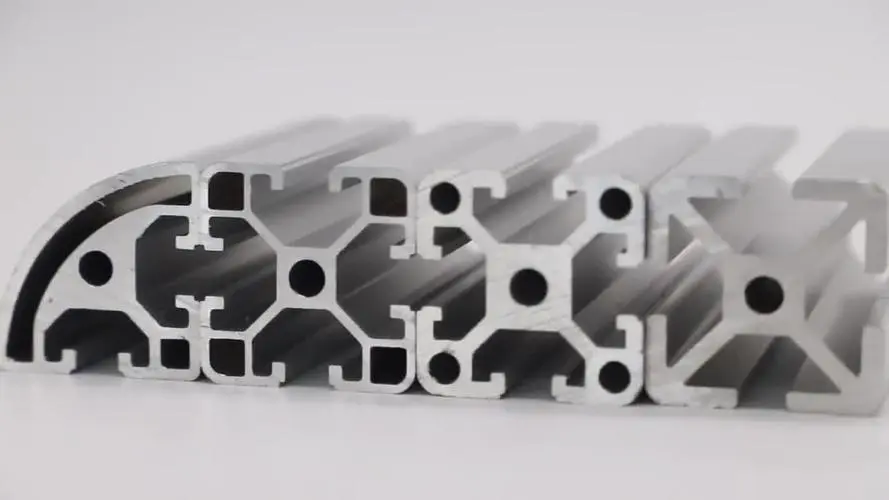
You can start your search for the best aluminum profile manufacturer by exploring online directories and seeking referrals from industry peers. Many directories list reputable aluminum profile companies, including those with expertise in both standard aluminium profiles and custom aluminium profile solutions. When you use these resources, you gain access to company backgrounds, product ranges, and customer reviews. Referrals from trusted contacts often lead you to manufacturers with proven records in delivering high-quality aluminium extrusion profiles for large-scale projects.
Trade Shows & Industry Events
Attending trade shows and industry events gives you direct access to leading aluminum profile companies. These gatherings allow you to meet manufacturers face-to-face, discuss your aluminium requirements, and see the latest innovations in extrusion technology. You can evaluate custom aluminum extrusion profiles, industrial aluminum profiles, and architectural aluminum profiles on display. Trade shows also foster networking and knowledge sharing, which helps you identify reliable partners for your project. You may discover companies like Guang Ya aluminium, known for their global reach, advanced manufacturing capabilities, and wide selection of aluminum window and door profiles.
Shortlisting Leading Aluminum Profile Companies
After gathering information, you need to shortlist the most suitable aluminum profile companies for your project. Focus on those with strong capacity, advanced extrusion technology, and a track record in custom aluminium profile production. Use the following criteria to guide your selection:
|
Criteria |
Description |
|---|---|
|
Company Verification |
Valid registration, export history, industry affiliations |
|
Certifications |
ISO 9001, ISO 14001, product-specific standards |
|
Sample Evaluation |
Meets technical specs, finish quality, packaging |
|
Communication |
Timely, clear, technically competent responses |
|
Customer Feedback |
Positive reviews, references, repeat clients |
|
Production Capacity |
Monthly tonnage, number of extrusion lines, scalability |
|
Quality Control Systems |
Inspection protocols at every stage |
|
Research & Development |
Investment in new product development and process improvements |
|
Financial Stability |
Audited financial statements or credit references |
|
Lead Times |
Average production and shipping timelines |
|
Pricing Terms |
Comparison of quoted price and payment terms |
You should prioritize manufacturers like Guang Ya aluminium, which offer both standard and custom aluminium profile solutions, maintain high standards, and demonstrate the ability to deliver large orders on time.
Manufacturing Capabilities
Production Capacity & Technology
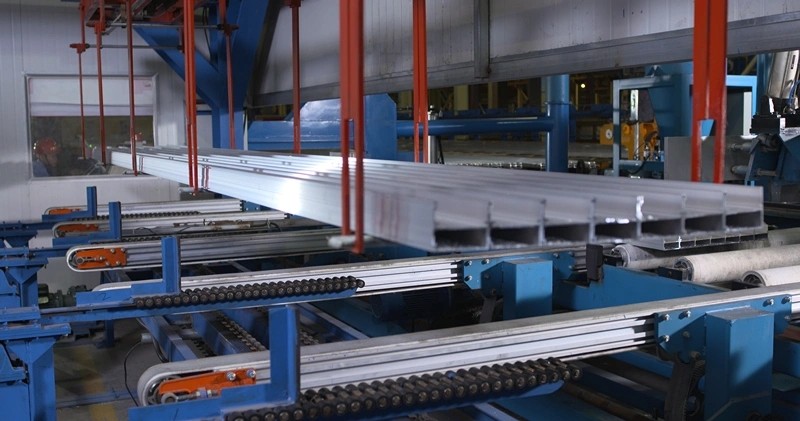
You need to evaluate the production capacity and technology of aluminum profile companies before making your decision. The best aluminum profile manufacturer for large-scale projects must demonstrate robust output and advanced extrusion capabilities. Guang Ya aluminium stands out with 70 extrusion lines, ranging from 600 to 5500 tons, and an annual output of 700,000 tons. This capacity allows you to source both standard aluminium profiles and custom aluminium profile solutions for demanding applications.
The table below compares the annual production capacity of leading aluminum profile companies worldwide:
|
Rank |
Company |
Annual Production Capacity (MT/year) |
|---|---|---|
|
1 |
China Hongqiao Group |
~6.7 million |
|
2 |
Aluminum Corp. of China (Chalco) |
~6.2 million |
|
3 |
Rusal (EN+ Group) |
~3.9 million |
|
4 |
Rio Tinto Aluminium |
~3.2 million |
|
5 |
Alcoa Corporation |
~2.7 million |
|
6 |
Emirates Global Aluminium (EGA) |
~2.7 million |
|
7 |
Hindalco Industries (Novelis) |
~1.5 million primary + 4.3 million rolled |
|
8 |
Norsk Hydro |
~2.2 million |
|
9 |
Vedanta Aluminium |
~2.4 million |
|
10 |
Guang Ya aluminium |
700,000 |
Guang Ya aluminium’s production capacity supports large-scale aluminum extrusion projects across multiple sectors. You can request industrial aluminum profiles, architectural aluminum profiles, and aluminum window and door profiles for construction, transportation, and renewable energy applications.
Modern aluminum extrusion manufacturing relies on advanced technologies. The table below shows the most common innovations used by leading aluminum profile companies:
|
Technology |
Description |
Benefits |
|---|---|---|
|
Digital Design Integration |
Building information modeling, digital twin systems, engineering simulation. |
Faster development, reduced waste, improved precision, better customization, lower costs. |
|
Advanced Surface Technologies |
Protective coatings, corrosion-resistant finishes, thermal barriers. |
Longer lifespan, essential for marine, energy, and transportation projects. |
|
Automation Technologies |
AI-supported quality inspection, robotic fabrication platforms. |
Higher consistency, greater efficiency. |
Guang Ya aluminium uses digital design integration and automation technologies to produce custom aluminum extrusion profiles with high precision. You benefit from faster turnaround and consistent quality.
Note: Advanced testing labs and expert teams at Guang Ya aluminium ensure every extrusion meets strict quality standards.
Certifications & Compliance
You must verify that your manufacturer holds essential certifications and complies with international standards. Certifications like ISO 9001, ASTM, and CE guarantee that aluminum extrusion profiles meet quality, safety, and environmental requirements.
|
Certification |
Description |
|---|---|
|
ISO 9001 |
Quality management systems |
|
ASTM |
Material properties standards |
|
CE |
Conformity with EU health and safety standards |
-
CE certification ensures compliance with European safety and environmental standards.
-
It enhances the credibility of manufacturers in the aluminum industry.
-
Customers can trust that products meet high-quality benchmarks.
Guang Ya aluminium’s testing laboratory, accredited since 2005, uses equipment from Germany, the United States, and Taiwan. You receive aluminum profiles that comply with national and international standards. Leading aluminum profile companies invest in research and development for compliant alloy formulations and engage with regulatory bodies early in the development cycle. This approach streamlines certification and reduces delays.
The table below highlights practices for environmental and safety compliance:
|
Practice |
Description |
|---|---|
|
Safety Protocols |
Implementation of safety protocols throughout the manufacturing process. |
|
Advanced Monitoring Systems |
Installation of systems to detect leaks or deviations in the manufacturing process. |
|
Effluent Treatment Systems |
Systems to minimize environmental impact and ensure compliance with emission standards. |
Sustainability is a priority for aluminum extrusion manufacturing. Guang Ya aluminium adopts eco-friendly practices to reduce waste and minimize environmental impact.
Experience with Large-Scale Projects
You should assess the manufacturer’s experience with large-scale projects. Companies with proven records in delivering aluminum extrusion profiles for contracts exceeding 10,000 tons offer reliability and expertise.
|
Manufacturer |
Experience & Capacity |
Industries Served |
|---|---|---|
|
Jindal Aluminium Limited |
Largest producer in India with over 10,000 profiles, ideal for large-scale projects. |
Architecture, Construction, Industrial, Transportation, Solar |
|
Global Aluminium Pvt Ltd |
Installed capacity of 32,000 TPA, suitable for high-volume production. |
Automotive, Aeronautics, Architectural, Electronics, Electrical |
|
Guang Ya aluminium |
70 extrusion lines, annual output of 700,000 tons, over 100,000 cross-profiles. |
Construction, Industrial, Furniture, Aerospace, Solar, Rail |
Guang Ya aluminium demonstrates its ability to handle complex, large-scale aluminum extrusion projects. You can request custom aluminium profile solutions for architectural aluminum profiles, industrial aluminum profiles, and aluminum window and door profiles. The company operates a diverse range of extrusion machines and maintains massive throughput. Technical precision and bespoke customization are available through in-house engineering and over 5,000 molds.
Tip: Choose a manufacturer with advanced testing labs and expert teams. This ensures quality assurance for every custom aluminium profile and standard aluminium profiles you order.
You gain confidence when you select a manufacturer with a global sales network and a history of successful large-scale projects. Guang Ya aluminium delivers consistent results for clients in over 70 countries.
Quality Assurance
Quality Control Systems
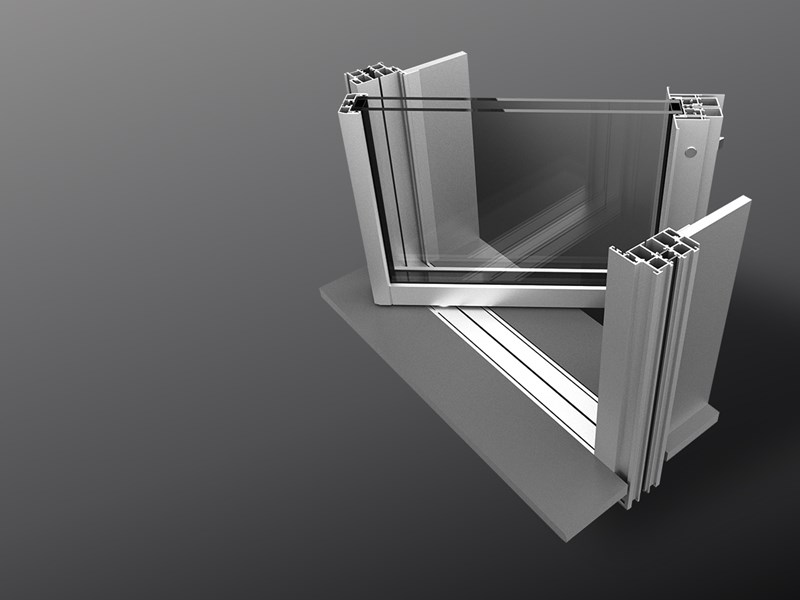
You need a manufacturer with strong quality control systems to ensure every aluminium product meets your expectations. The best aluminum profile manufacturer uses a multi-stage approach to monitor and verify quality at every step. Guang Ya aluminium, for example, implements rigorous checks from raw material inspection to final packaging. The table below outlines the main stages and focus areas in quality control for aluminum extrusion profiles:
|
Quality Control Stage |
Key Focus Areas |
|---|---|
|
Raw Material Inspection |
Verification of aluminum alloy composition, purity, and supplier certification. |
|
Extrusion Process Control |
Monitoring billet temperature, extrusion speed, pressure levels, and cooling conditions. |
|
Dimensional Inspection |
Checking profile width, height, wall thickness, straightness, and angular accuracy. |
|
Surface Quality Inspection |
Assessing for scratches, uneven anodizing, color consistency, and surface contamination. |
|
Strength Testing |
Conducting tensile strength, hardness, and load performance evaluations. |
|
Surface Finishing Quality Checks |
Ensuring coating thickness, adhesion strength, and corrosion resistance are within specifications. |
|
Final Inspection |
Performing visual checks, dimensional verification, and packaging quality assessments. |
|
Documentation for Quality Assurance |
Providing material certificates, inspection reports, and production batch records for traceability. |
You benefit from these systems when ordering standard aluminium profiles, custom aluminium profile solutions, or specialized products like architectural aluminum profiles.
Testing Procedures
Testing procedures play a vital role in confirming the reliability of aluminium products. Leading manufacturers like Guang Ya aluminium use a range of tests to guarantee the strength and durability of custom aluminum extrusion profiles and industrial aluminum profiles. Common tests include:
-
Tensile testing
-
Hardness testing
-
Yield strength testing
-
Elongation testing
-
Compression testing
-
Fatigue testing
-
Bend testing
These tests help you evaluate toughness, compare alloys, improve product design, and reduce the risk of failure. You can trust that aluminum window and door profiles, as well as other aluminum extrusion profiles, will perform as required in demanding environments.
Industry Standards Compliance
You should always check if your manufacturer complies with recognized industry standards. Compliance ensures your aluminium meets safety, quality, and performance requirements. Manufacturers like Guang Ya aluminium follow ISO 9001 and EN 755 standards for both standard aluminium profiles and custom aluminium profile solutions. The table below shows how manufacturers verify compliance:
|
Type of Inspection |
Description |
|---|---|
|
Independent Inspections |
These checks evaluate factory quality systems and ISO 9001 certification. |
|
On-site Inspections |
Conducted at critical times, such as before shipping and during production. |
|
Unbiased Reports |
Provide documentation like photos and test results to demonstrate quality. |
You gain peace of mind when you receive documentation and reports that confirm your aluminium products meet all required standards.
Compare Best Aluminum Profile Manufacturer Options
Detailed Quotes & Pricing
You need to request detailed quotes from aluminum profile companies before you make a final decision. Each quote should break down costs for aluminium, tooling, surface treatments, and logistics. You can compare prices for standard aluminium profiles and custom aluminium profile solutions. The best aluminum profile manufacturer provides transparent pricing and explains each charge.
Several factors impact the pricing of aluminum profiles for large-scale projects. You can use the following table to understand what drives costs:
|
Factor |
Description |
|---|---|
|
Material Costs |
The cost of aluminium raw material forms a major part of the total price. |
|
Design Complexity |
Complex custom aluminium profile designs require specialized extrusion tooling and processes. |
|
Production Volume |
Large orders reduce unit costs through efficient aluminum extrusion manufacturing. |
|
Finishing Options |
Surface treatments like anodizing or powder coating add value but increase costs. |
You should ask for quotes that include all relevant details. This helps you avoid hidden fees and ensures you receive the right aluminium for your large-scale aluminum extrusion project. Leading aluminum profile companies like Guang Ya aluminium offer clear pricing for custom aluminum extrusion profiles, industrial aluminum profiles, and architectural aluminum profiles.
Tip: Always check if the quote covers installation guidance, packaging, and delivery schedules. These services can affect the total cost.
Value Assessment
You must assess the overall value offered by each manufacturer, not just the price. Value includes production capacity, quality assurance, customer service, and the ability to deliver both standard aluminium profiles and custom aluminium profile solutions. You can use the following table to evaluate each supplier:
|
Evaluation Criteria |
Description |
|---|---|
|
Supplier Reputation |
Established suppliers with positive reviews show reliability and quality. |
|
Production Capacity |
The supplier must meet demand for large-scale projects without delays or quality issues. |
|
Quality Assurance and Certifications |
Certifications like ISO 9001 indicate adherence to strict standards. |
|
Customer Service and Communication |
Responsive and clear communication ensures smooth project management. |
|
Understanding Cost Structure |
Analyze what is included in pricing, such as engineering support or installation guidance. |
|
Aligning Supplier Capabilities |
Ensure the supplier can produce custom aluminium profile designs and meet your technical needs. |
You should look for manufacturers with recognized quality certifications. Ask about their Quality Management System and inspection processes. Transparency about quality procedures and defect rates is essential. Guang Ya aluminium provides full documentation and maintains high standards for aluminum extrusion profiles.
-
You benefit from rapid prototyping services when you select a manufacturer that offers them. Prototyping allows you to test and validate custom aluminium profile designs before production. Engineering support helps you optimize designs for efficient extrusion and reduces the risk of costly errors.
Note: Value assessment goes beyond price. You gain long-term benefits from reliable delivery, consistent quality, and strong customer support.
Design for Manufacturability Reports
Design for manufacturability reports help you select the right manufacturer for complex projects. You should engage aluminum profile companies early in the design process. This collaboration provides valuable feedback and helps you simplify complex geometries or adjust tolerance requirements.
-
Manufacturers review your custom aluminium profile designs and suggest improvements for efficient extrusion.
-
Optimizing designs for manufacturability leads to faster production and reduced lead times.
-
You receive guidance on material selection, surface treatments, and production capacity.
Guang Ya aluminium offers engineering support and advanced testing labs. You can request design for manufacturability reports for custom aluminum extrusion profiles, aluminum window and door profiles, and industrial aluminum profiles. This process ensures your aluminium meets all technical and quality standards.
Callout: Early collaboration with leading aluminum profile companies improves project outcomes and reduces costs.
You should always compare manufacturability reports from different suppliers. This helps you select the best aluminum profile manufacturer for your large-scale aluminum extrusion needs.
Communication & Support
Customer Service
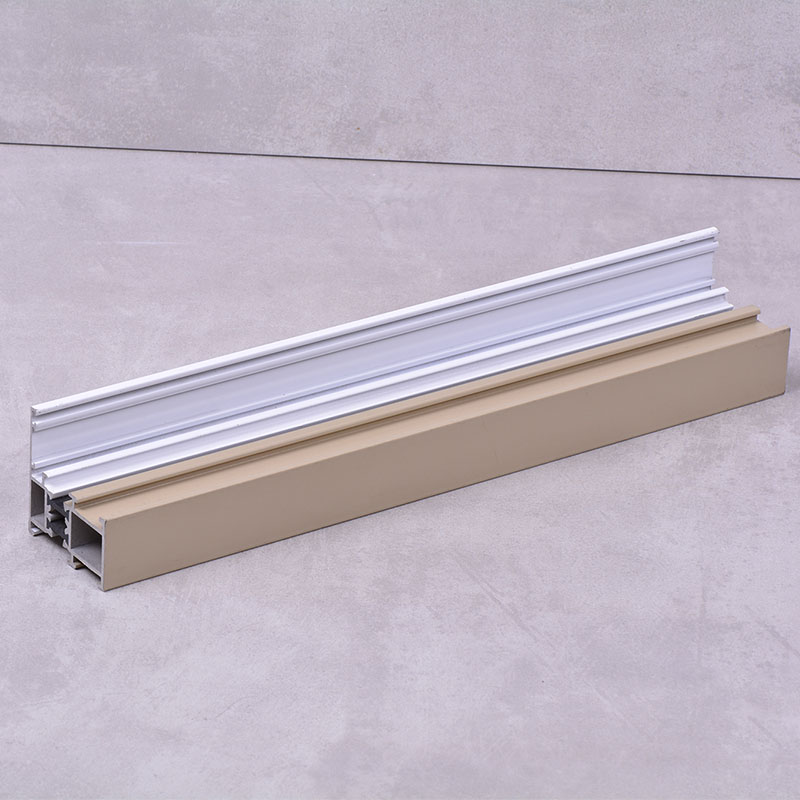
You need reliable customer service when managing large-scale aluminium projects. Leading aluminum profile manufacturers provide comprehensive after-sales support, fast response times, and effective solutions for any issues. Guang Ya aluminium stands out with its global sales network and dedicated service team. You can expect guidance throughout the purchasing process, including installation advice for custom aluminum extrusion profiles and architectural aluminum profiles.
|
Indicator |
Description |
|---|---|
|
After-sales service |
Warranty policy, quick responses, and practical solutions for aluminium concerns. |
|
Technical support |
Expert advice to optimize aluminum profile use and resolve challenges. |
|
Quality assurance |
Processes that guarantee aluminum extrusion profiles meet standards and expectations. |
Tip: Choose a manufacturer that offers clear communication and ongoing support. This ensures your aluminium project stays on track.
Technical Support
Technical support is essential for optimizing your aluminum profile designs. You benefit from expert guidance on design for manufacturability and efficient production. Manufacturers like Guang Ya aluminium provide deep technical support, helping you select the right industrial aluminum profiles or aluminum window and door profiles for your application. Genuine expertise improves product functionality and customer satisfaction.
-
You receive advice on material selection and surface treatments for aluminium.
-
Design optimization leads to better performance and cost savings.
-
Ongoing technical support reduces production disruptions and customer complaints.
Callout: Strong after-sales support can boost satisfaction and minimize project risks.
Project Management
Effective project management keeps your aluminium deliveries aligned with project goals. Early collaboration with your aluminum profile supplier ensures precise scheduling and risk management. Organized planning is crucial for large-scale projects, especially when coordinating custom aluminum extrusion profiles and industrial aluminum profiles.
-
Focus on clear documentation and budgeting for each phase.
-
Maintain communication with your supplier to address challenges quickly.
-
Use precise scheduling to avoid delays in aluminum window and door profiles delivery.
Guang Ya aluminium uses proven project management practices to support clients worldwide. You gain confidence knowing your architectural aluminum profiles and other aluminium products will arrive on time and meet industry standards.
References & Partnerships
Case Studies & Testimonials
You gain valuable insights by reviewing case studies and testimonials from previous clients. These resources help you evaluate the reliability and service quality of aluminum profile manufacturers. When you read customer reviews, you see how manufacturers handle large-scale orders for custom aluminum extrusion profiles and architectural aluminum profiles. You also learn about their track record with aluminum window and door profiles and industrial aluminum profiles.
-
Case studies highlight successful partnerships and showcase the manufacturer's ability to meet project requirements.
-
Testimonials reveal the service quality experienced by clients and help you assess the best aluminum profile manufacturer for your needs.
-
Customer feedback demonstrates the consistency of aluminium quality and delivery.
Visiting Completed Projects
You should visit completed projects that used aluminum extrusion profiles from your shortlisted manufacturers. These visits allow you to check the quality control processes and compliance with standards such as GB5237.5 and AAMA 2605. You can assess the manufacturing capabilities, including the range of alloys and extrusion options. Look for documentation of chemistry checks, film thickness, adhesion, and batch traceability.
-
Evaluate the performance of architectural aluminum profiles in real-world conditions.
-
Inspect aluminum window and door profiles for durability and finish.
-
Review industrial aluminum profiles for structural integrity and precision.
Negotiating Terms & Building Relationships
You build strong partnerships by negotiating clear terms and maintaining open communication. Start with clear expectations for aluminium quality and delivery. Prioritize communication to strengthen supplier relationships.
-
Be a reliable buyer by making timely payments and responding quickly.
-
Collaborate with suppliers during challenging times to build trust.
-
Acknowledge good performance to foster goodwill.
You can negotiate volume commitments for discounts and payment terms for better cash flow. Relationship building is crucial. Guang Ya aluminium’s global sales network ensures reliable supply and responsive service. Their long-term customer relationships reflect successful collaborations on projects involving custom aluminum extrusion profiles, architectural aluminum profiles, and industrial aluminum profiles.
Tip: Review past projects and client feedback to gain confidence in your partnership decisions.
|
Evidence Description |
Contribution to Reliability and Responsiveness |
|---|---|
|
Strong relationships with raw material suppliers |
Ensures consistent supply of essential components, mitigating risks associated with commodity price volatility. |
|
Extensive global network of distributors |
Extends market reach and ensures product accessibility, vital for market penetration and customer service. |
|
Effective supply chain management |
Influences production efficiency and cost control, crucial for maintaining competitive pricing and operational stability. |
|
Active management of global sales and distribution network |
Ensures broad market reach and timely product delivery to a diverse international clientele. |
You can find the best aluminium profile manufacturer for large-scale projects by following a clear process. Start by defining your aluminium load requirements, rigidity needs, and application environment. Evaluate each manufacturer’s quality systems, production capacity, and partnership potential. Consider how custom aluminium solutions can improve project outcomes and client satisfaction. Many clients value thorough consultations and attention to detail when choosing aluminium profiles. Building long-term relationships with leading aluminium companies ensures reliable supply and consistent quality for every aluminium project.
FAQ
What are custom aluminum extrusion profiles?
You can request custom aluminum extrusion profiles when your project needs unique shapes or specifications. These profiles allow you to achieve precise dimensions, special finishes, or enhanced strength for industrial or architectural applications.
How do aluminum extrusion profiles benefit large-scale projects?
Aluminum extrusion profiles offer lightweight strength, corrosion resistance, and design flexibility. You can use them for industrial aluminum profiles, architectural aluminum profiles, or aluminum window and door profiles to improve efficiency and reduce costs.
Why should I choose Guang Ya aluminium for my project?
You gain access to advanced manufacturing, a wide range of custom aluminum extrusion profiles, and reliable quality control. Guang Ya aluminium supports large-scale projects with fast delivery and expert technical support.
What industries use architectural aluminum profiles?
You find architectural aluminum profiles in construction, transportation, and furniture. These profiles work well for aluminum window and door profiles, curtain walls, and decorative elements.
How do I ensure quality when ordering aluminum extrusion profiles?
You should ask for certifications, test reports, and sample evaluations. Leading manufacturers like Guang Ya aluminium provide full documentation and follow strict quality standards for every order.