How to Tell if an Aluminum Profile Manufacturer Is Right for Your Project

You must choose the right aluminum profile manufacturer for your structural project. The global market will reach USD 126.67 Billion in 2025. Selecting an experienced aluminium profile supplier requires clear testing standards. You must evaluate technical match, production scale, and quality control. Your team should compare alloy choices like 6061 for strength against 6063 for smooth finishes. Custom tooling capacity ensures exact designs for custom aluminium extrusions and complex aluminium components. Partnering with Guang Ya aluminium provides strong supply chain reliability for your project. This framework covers structural feasibility, custom aluminum profiles, surface finishing options, total value, and high aluminium material purity from a top supplier.


Key Takeaways

  • Pick alloy 6061 for heavy strength or alloy 6063 for smooth metal surfaces.

  • Check plant equipment size to ensure workers can make your custom shape designs.

  • Demand clear factory testing reports to guarantee accurate parts and strong protective coatings.

  • Choose certified suppliers with large production lines to avoid long shipping delays.

  • Spread initial tool costs over large orders to save money on long projects.


Technical Capabilities of an Aluminum Profile Manufacturer
Evaluating Alloy Selection and Custom Aluminum Profiles

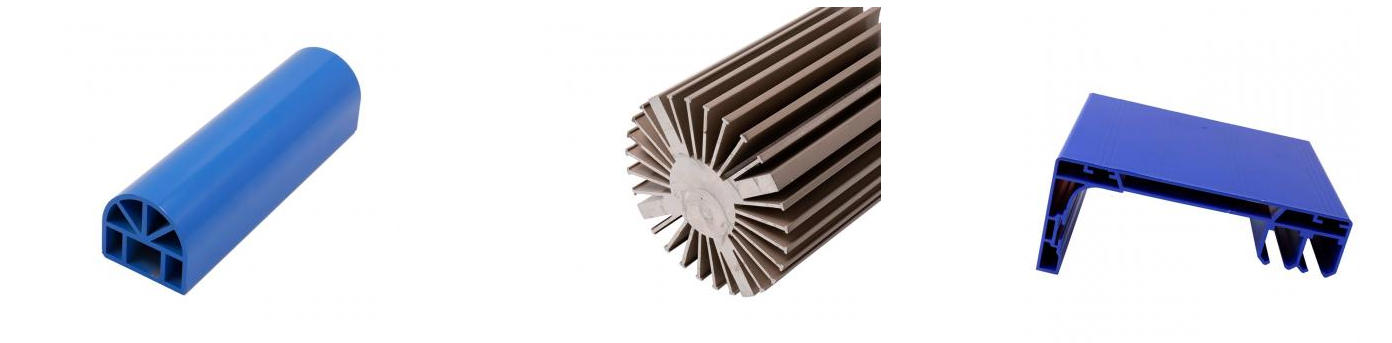
You must evaluate how an aluminum profile manufacturer selects structural alloys for your project applications. Selecting the correct alloy grade directly dictates structural safety, corrosion resistance, surface anodizing quality, and total component service life. Engineering teams usually choose between 6061 and 6063 grades under ANSI H35.1 temper standards and ASTM B221 specifications. Alloy 6061-T6 delivers high yield strength and ultimate tensile strength for heavy-duty frameworks. Alloy 6063-T6 provides a smoother exterior surface finish for architectural frame assemblies and window units. You can review key mechanical properties across standard tempers in the following reference table. This critical comparison helps engineers specify exact alloy temper requirements.

Property

Alloy 6061-T6

Alloy 6063-T6

Application Focus

Yield Strength

276 MPa

214 MPa

Load Capacity

Tensile Strength

310 MPa

241 MPa

Ultimate Resistance

Brinell Hardness

95

73

Surface Toughness

Shear Strength

207 MPa

152 MPa

Mechanical Stress

Alloy 6061 contains higher magnesium content than alloy 6063. This chemical composition yields high load-bearing capacity, but it increases die wear during extrusion. Conversely, alloy 6063 flows smoothly through complex multi-void dies. This material behavior allows rich customization for thin wall geometries and decorative finishes. When you collaborate with an experienced aluminium profile supplier, their engineering staff will analyze your design requirements. Valuable industry experience helps you select high durability profiles without paying extra for unneeded alloy strength. Selecting suitable raw material ensures your custom aluminium profiles deliver exceptional structural durability under demanding operational conditions.


Assessing Cross-Section Design and Tooling Capacity

Assessing cross-section feasibility requires evaluating press tonnage, wall thickness constraints, and profile circumscribing circle diameter limits. Leading extrusion plants like Guang Ya aluminium operate massive production facilities featuring 70 extrusion lines ranging from 600 to 5,500 tons. Their tooling catalog includes over 100,000 unique profile cross-sections for industrial aluminium projects. Higher extrusion press tonnage enables wider profile widths, larger circumscribing circle diameters, and thicker solid cross-sections. This equipment capacity allows manufacturers to execute complex aluminum shapes. However, sudden changes in wall thickness create uneven metal flow through the aluminium die. You should keep adjacent wall thickness variation within a 2:1 ratio to prevent surface tearing.

When evaluating supplier technical capabilities, you must assess several critical manufacturing standards:

  • Precision and repeatability: The facility must maintain tight dimensional tolerances matching standards like EN 755-9 or ASTM B221.

  • Tooling flexibility: The extrusion factory should switch complex multi-cavity dies efficiently to reduce project lead times.

  • Process control: Advanced heating controls preserve aluminium properties to maximize long-term component durability.

Your technical team must verify wall thickness feasibility before ordering custom production tooling. Standard industrial applications require minimum wall thicknesses between 1.2 mm and 1.6 mm to avoid warping thin aluminium sections. An expert aluminium profile supplier provides active design support during early engineering reviews. This collaborative guidance helps you optimize component customization while keeping tooling costs low. Partnering with a reliable aluminum profile manufacturer ensures your custom aluminum profiles satisfy all structural demands. Checking these engineering factors early prevents costly die redesigns during mass extrusion runs. Proper design review protects your project schedule and guarantees high quality manufacturing output.


Quality Assurance and Reliability Standards for Your Project


Inspecting Tolerances Surface Finishes and Testing Protocols

You must inspect surface finishes and dimensional tolerances to protect your structural project schedule. You should request detailed inspection logs from your extrusion partner before mass production. An experienced aluminium profile supplier conducts thorough surface quality audits before shipping. Advanced processing facilities verify surface treatments like anodizing, powder coating, and electrophoresis. These protective surface treatments prevent defects like dents or scratches on finished custom aluminium profiles. Non-destructive eddy-current gauges measure coating thickness according to ISO 7599 for anodized aluminium profile systems. Gloss meters check surface reflectance across every batch to ensure complete color uniformity. Electrophoretic coatings must maintain a precise thickness between 5 μm and 15 μm. Technicians perform cross-cut adhesion tests under ISO 2409 to confirm coating bond strength on powder coated profiles. Optional salt spray testing validates long-term corrosion resistance for over 1000 hours in harsh operational environments.

Quality Metric

Inspection Tool

Reference Standard

Coating Thickness

Eddy-current gauge

DIN 50981

Surface Roughness

Profilometer probe

EN 755-9

Adhesion Strength

Crosshatch tape test

ASTM D3359

Corrosion Defense

Salt spray chamber

ASTM B117

Rigorous physical testing guarantees structural durability under real working loads. An accredited national laboratory provides essential testing oversight for custom aluminium profiles. Advanced testing facilities analyze grain structure under microscope optics to prevent internal structural defects. A precision aluminium profile manufacturer like Guang Ya aluminium uses advanced testing instruments from Germany, the United States, and Taiwan. Their postdoctoral laboratory oversight confirms raw material purity and mechanical strength. Spectrometers analyze chemical compositions before casting to verify magnesium and silicon ratios. Technicians perform microhardness tests across cross-sections where hard anodizing must reach 300 HV minimum. Tensile testing machines pull profile samples to verify yield strength requirements. This scientific verification secures product quality before full manufacturing starts.


Verifying Industry Certifications and Mass Production Standards

You should verify factory certifications and compliance with recognized certifications to ensure long-term production consistency. Fundamental quality management for aluminium profile manufacturing relies on iso 9001 certification. Automotive supply chains require IATF 16949 standards for defect prevention. Environmental management systems follow international frameworks to reduce factory waste.

  • Mill Test Reports: Confirm alloy chemical composition and mechanical properties before extrusion begins.

  • Dimensional Reports: Verify wall thickness tolerances against european standards like EN 755-9.

  • Third-Party Audits: Independent inspection reports confirm product quality and structural durability.

Evaluating statistical process control methods shows how a supplier maintains product reliability for your primary aluminium extrusion project. Leading factories log every process parameter to track process capability indices. Production staff monitor billet heating temperature, extrusion speed, and cooling rates in real time. Automated alerting systems flag parameter deviations before non-conforming material reaches downstream processing. This active monitoring prevents defective profiles from entering final shipment. Batch lot control connects raw billet heating logs directly to final delivery documentation. You can request a First Article Inspection or Production Part Approval Process submission to verify dimensions against CAD models. A qualified supplier offers custom OEM aluminium extrusion and specialized aluminium extrusion solutions. These comprehensive factory controls follow global standards. These rigorous auditing steps ensure high quality for custom aluminum profiles and aluminum profiles for industrial applications.


Balancing Supply Chain Reliability with Project Costs


Analyzing Lead Times Post-Processing and Logistics

You must evaluate factory output scale to ensure supplier reliability for your industrial project. Large manufacturing facilities maintain continuous operations during volatile global market shifts. Guang Ya aluminium manages massive facilities yielding an annual output up to 700,000 tons. High volume production scale guarantees delivery reliability during sudden market demand spikes. Baseline lead times for custom aluminium profile orders typically range from 6 to 12 weeks. Tooling creation requires 2 to 4 weeks before extrusion begins.

Post-processing adds structural precision through custom fabrication and specialized surface finishing on raw aluminium billets. Integrated processing includes precision cutting, deburring, and CNC machining. Securing an experienced aluminium profile supplier reduces transit delays between independent sub-contractors. Complete full-service operations streamline ocean freight packaging. Steel bands optimize container space for bulk ocean delivery. Strategic shipping choices protect product durability during long ocean transit cycles. Proper logistics planning ensures direct delivery to your facility.


Evaluating Long-Term ROI and Supplier Engineering Support

Custom die investments require upfront capital during early product development for aluminium components. Solid dies cost between $1,000 and $2,000, while hollow dies range from $1,200 to $4,000. Spreading fixed tooling costs across high volume production runs lowers your per-unit expense. For example, a $1,500 die producing 100,000 feet of custom aluminium profile adds only $0.015 per foot. Amortizing initial tooling costs creates substantial long-term savings for your project. High volume primary aluminium extrusion yields significant operational reliability over time.

Strong supplier experience provides essential technical advantages throughout your project lifecycle. Partnering with a skilled aluminium profile supplier offers early design assistance, rapid prototyping, and detailed installation guidance. Early design review optimizes profile geometry to reduce scrap rates on structural aluminium sections. High manufacturing quality prevents costly production defects and unexpected operational downtime. Selecting a top aluminum profile manufacturer guarantees total value from concept to final delivery. Working with a dedicated aluminium profile supplier delivers superior service support for every custom aluminum profile.


Selecting the right aluminum profile manufacturer requires systematic project evaluation. You must review technical tooling, quality testing, and supply chain reliability. Effective project management requires conducting factory audits and requesting prototype samples before placing mass orders. This verification process secures fast delivery and excellent production service.

Partnering with an experienced aluminium profile supplier protects your structural needs. Guang Ya aluminium operates advanced facilities for custom aluminium extrusion profiles. Their team crafts high precision aluminium solutions. As a trusted anodized aluminium profiles manufacturer and powder coated aluminium profile supplier, Guang Ya aluminium delivers durable aluminium profiles for industrial applications. Choose Guang Ya aluminium today to receive reliable aluminum profiles for every custom aluminium application.


FAQ

How do you choose between 6061 and 6063 aluminium alloys?

You select 6061 aluminium for high load-bearing structural strength. You choose 6063 aluminium when your project requires smooth architectural surface finishes. Experienced engineering teams analyze your mechanical requirements to recommend the ideal custom aluminium profile alloy grade.


What tooling capacity indicates a reliable aluminium supplier?

You should choose an aluminium manufacturer with extensive die inventories. A major producer like Guang Ya aluminium operates 70 extrusion lines and holds over 100,000 cross-sections. This massive aluminium capacity guarantees flexible production schedules for every custom aluminium extrusion project.


How do surface finishes protect custom aluminium profiles?

Surface treatments like anodizing protect every aluminium frame from corrosion and environmental scratches. An accredited anodized aluminium profiles manufacturer verifies coating thickness with precision gauges. These high quality finishes maintain structural durability and long-term visual appearance across demanding outdoor job sites.


What quality testing guarantees precision aluminium extrusion performance?

You must request mill test reports and accredited laboratory verification. Advanced testing facilities evaluate chemical purity and tensile yield strength before mass manufacturing starts. These rigorous quality inspections ensure your industrial components satisfy global engineering standards and exact project specifications.
 

What Information Should You Provide When Requesting a Custom Aluminum Extrusion Quote?

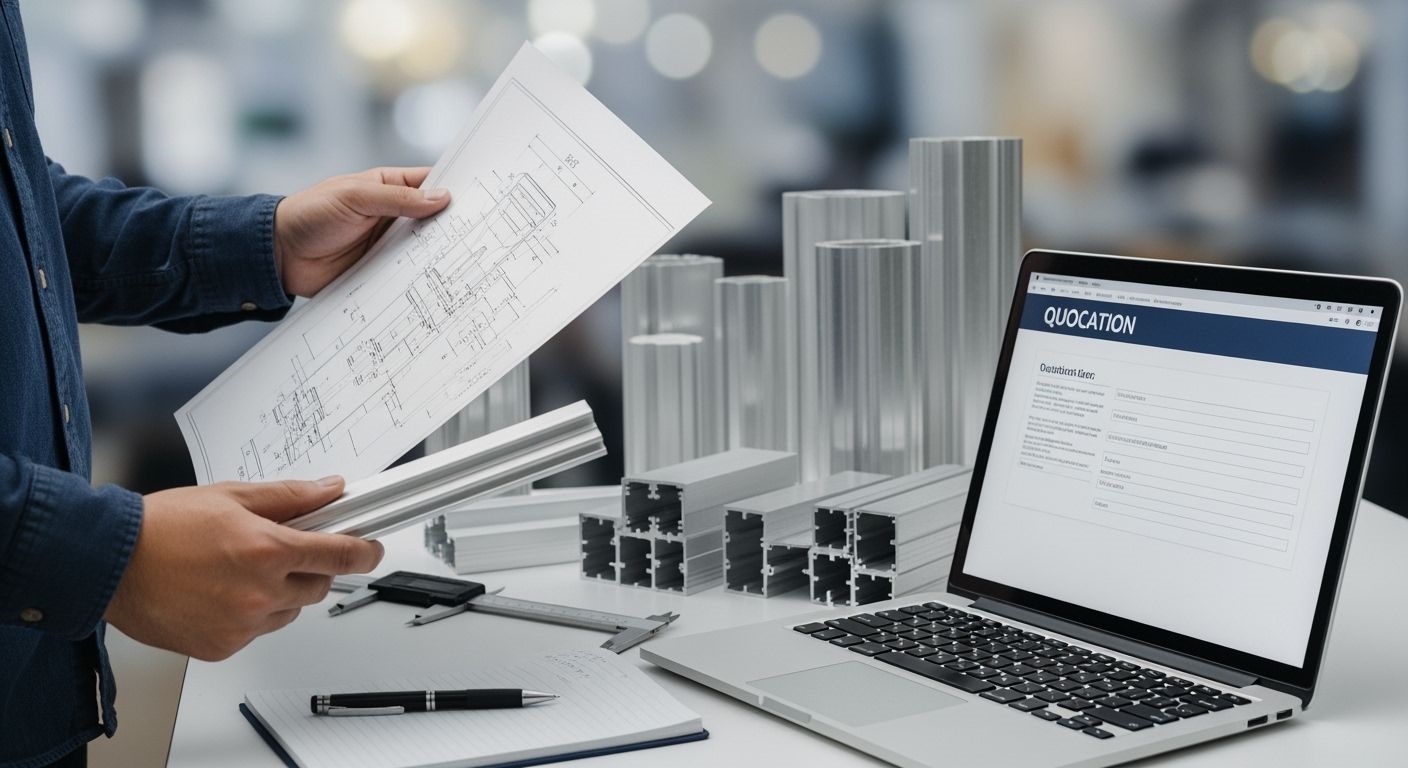
You need to give all important information when you ask for a quote for a custom aluminum extrusion. This helps you get the right price and stops delays. The price of custom extrusions changes because of many things, like your full design and what you want. Important details are:

  • Correct drawings and the last version of your drawing

  • What alloy, temper, and surface finish you want

  • Important sizes and how exact they must be

  • How long each piece should be and how many you need

  • How the part should look

  • How you want it packed and how fast you need it

  • What file types you can send

If you leave out information, it can make your quote take longer or give you the wrong price. If you have questions about aluminum extrusion design or need help with a special aluminum part, Guang Ya Aluminium can look at your drawings and help you with the details.


Key Takeaways

  • Give clear and correct drawings to stop mistakes and help the factory know your design.

  • Say which alloy and temper you want, because these change how the part works and its price.

  • List all surface finishes you need and show which sides should look nice for the best look.

  • Clearly tell the cut lengths and how many you need so the supplier can plan making them and set the right price.

  • Use the right file types for your drawings so everyone can talk easily and get the right quote.


Drawings and Dimensions for Custom Aluminum Extrusions

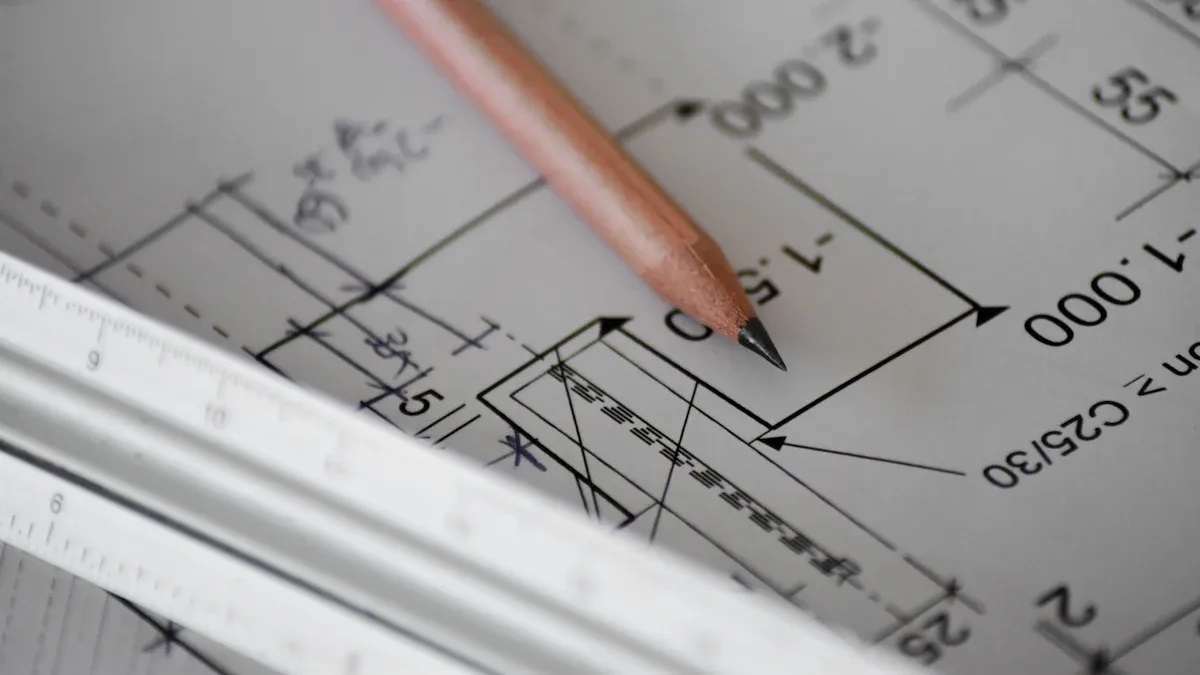
When you ask for a quote, you need to give clear drawings. You also need to share exact details about your design. Good drawings help the factory know what you want. This stops mistakes from happening. Always send the newest version of your design. This helps you get the right price. It also makes sure your part will work.


Required Drawing Details

Your technical drawings should have some important things:

  • Show all main sizes and how close they must be.

  • List which aluminum extrusion alloys and finishes you want.

  • Add notes if you want to make building easier, like ways to use fewer steps.

  • Show the full size and shape of each part.

  • Pick the alloy and temper early in your plan.

These details help the factory check your needs. They also help them plan for good quality. If you need help, Guang Ya Aluminium can look at your drawings and give tips.


Specifying Dimensions and Tolerances

You must show all sizes and how close they must be on your drawings. This helps the factory keep good quality and find problems early. Careful checks at every step make sure your parts are good. They also make sure your parts work as you want. You should always use the rules that factories follow when you set how close sizes must be. Here are some common rules:

Standard

Description

ANSI H35.2

This is the main rule for sizes and how close they must be for aluminum mill products in the U.S. It gives exact sizes and limits.

ASTM B221

This rule is for aluminum and aluminum-alloy extruded products. It makes sure the material fits the size rules.

Aluminum Standards and Data (ASD)

This book puts size tables, alloy rules, and design tips in one place for engineers.

When you give all the details, you help the factory make your part in the best way. This saves time and money. If you have questions or need help with your RFQ, Guang Ya Aluminium can help you.


Alloy and Temper Selection

When you ask for a quote, you must pick the right alloy and temper. These choices change how your part works, how much it costs, and how easy it is to make. You should always tell the factory this in your rfq. This stops confusion and keeps things moving fast.


Choosing the Right Alloy

There are many alloys you can pick for custom aluminum extrusions. Each one has its own good points and best uses. Here is a table to help you see some popular choices:

Alloy

Tensile Strength

Strengths

Weaknesses

Applications

2024

455 – 483 MPa

Great strength, good formability

Poor corrosion resistance, poor weldability

Aircraft parts, gears, pistons

5052

193 – 290 MPa

Great formability, great corrosion resistance

Poor machinability

Marine equipment, appliances, tubes

6061

241 – 310 MPa

Great weldability, good machinability, good corrosion resistance

Average formability

Building products, automotive parts, furniture

You need to match the alloy to your project. For example, 6061 is strong and easy to weld. It works well for building and car parts. If you want better corrosion resistance, 5052 is a good pick.


Specifying Temper

Temper tells the factory how the alloy was treated. This gives the part special properties. Picking the right temper is just as important as picking the alloy. Some tempers, like T6, make the part strong. But T6 can crack if you bend it after extrusion. T5 is used for architectural parts. It gives a good balance of cost and strength.

Alloy/Temper

Yield Strength (psi)

Cost Implication

Complexity of Extrusion

6061-T6

35,000

Higher

Limited

6005-T5

37,700

Lower

More complex

When you send your rfq, always:

  • Say the alloy and temper you want.

  • Tell the product form, like tube or plate.

  • Give all sizes and tolerances.

  • List any standards or certificates you need.

Tip: Do not use hardness values instead of temper names. Always check that the alloy and temper you want exist.

Picking the right alloy and temper helps you get the best custom aluminum extrusion.


Surface Finish Requirements

When you ask for a quote, you must say what surface finish you want. The finish changes how your part looks. It also changes how long your part lasts. The finish can change the price too. Always tell the supplier which finish you want. Also say which surfaces will be seen.


Finish Options for Custom Aluminum Extrusions

There are many finish choices for custom aluminum extrusions. Each finish makes the part look different. Each finish gives a different level of protection. Some finishes are better for outside use. Others are good for inside parts. Here are some common finishes:

Finish Type

Visual Effect

Protection Level

Typical Application

Mill Finish

Dull, gray, tool marks

Low

Hidden parts, internal structures

Anodized

Matte, metallic sheen

Medium–High

Window frames, solar frames, facades

Powder Coat

Smooth, solid color

High

Railings, signs, building components

Brushed

Linear grain, matte

Medium

Trims, fixtures, display panels

Polished

Reflective, shiny

Low–Medium

Decorative or indoor visible parts

Painted

Glossy or custom tones

Medium

Custom branding or color themes

Think about where you will use your part. Outdoor parts need more protection. Anodizing or powder coating works best for these. If you want a certain color or shine, powder coating and painting are good choices. Some finishes, like PVDF liquid coating, cost more. These last longer in tough places.

Tip: Not every finish works with every alloy. Ask your supplier if you do not know which finish fits your alloy.


Cosmetic and Exposed Surfaces

You must show which surfaces need a cosmetic finish. Mark these spots on your drawings. If you want a special look, like a color or shine, write this in your request. For anodized parts, list the class and color. For powder-coated parts, give the color, shine, and any standards you need.

  • Move junction lines away from faces that must look perfect. This helps stop marks from showing.

  • Write down any special finish, like wood-look or brushed, so the supplier knows what you want.

  • Remember, finer finishes cost more and may take longer to make. For example, anodizing and powder coating can cost $1,200 to $1,400 per metric ton. Special finishes may cost even more.

Picking the right finish for your custom aluminum extrusion helps you get the look and performance you want. Giving clear details in your quote request saves time and stops mistakes.


Cut Lengths and Order Quantities

Specifying Cut Lengths

You must tell the supplier the exact cut length you want. This helps the factory pick the right tools and machines. Most people ask for pieces between 25 and 50 feet long. You can ask for shorter or longer pieces if needed. Always check your drawings to make sure the cut length is correct.

  • Write the cut length clearly on your drawing.

  • Tell the supplier if you need special length tolerances.

  • Ask about the best way to pack and ship your pieces.

If you use custom aluminum profiles for buildings or machines, you must give the right cut length. This helps the factory avoid mistakes and waste.


Indicating Quantities and Lead Times

You must tell the supplier how many pieces you need. The total number changes the price and how fast your order is made. Bigger orders help lower the cost for each meter. Suppliers can run machines better and get cheaper raw materials. You also save on shipping when you order more.

Factor

Impact of Order Quantity

Fixed Costs

Spread over more meters, so each meter costs less.

Production Efficiencies

Machines work better with big batches, so yield is higher.

Raw Material Procurement

Buying in bulk gets better prices from suppliers.

Shipping Costs

Full containers cost less per unit than small loads.

Supplier Negotiations

Big orders can mean discounts and better deals.

You should also tell the supplier when you need your order. Lead time depends on a few things:

Factor

Description

Tooling Status

If tooling already exists, lead time is much shorter.

Plant Workload

If the plant is busy, it may take longer to schedule your order.

Order Size

Bigger orders might take more time to finish and process.

Finish Requirements

Extra finishing steps can add more time to your order.

Material Availability

If raw materials are late, production can be delayed.

Customer-side Delays

If you change your design or approve late, lead time gets longer.

Tip: Give your delivery date when you ask for a quote. This helps the supplier plan and gives you a better timeline.

If you need extruded aluminum profiles for a big job, plan your order early. Clear details about cut lengths, quantities, and lead times help you get the best results.


Special Requirements for Custom Aluminum Extrusions

Packaging and Shipping Needs

You should tell the supplier how to pack and ship your custom aluminum extrusion. Clear instructions keep your parts safe while they travel. There are different ways to pack parts. Each way works best for certain needs. Here is a table with some common choices:

Packaging Style

Typical Use Case

Advantage

Strapped bundle

Long straight extrusions, large orders

Easy to handle, saves space

Cardboard wrap + guards

Small orders, high-finish or powder-coated

Surface protection

Wooden crate / pallet

Heavy, bulky, or mixed extrusion orders

Strong, stable for transit

Plastic sleeve or film

Corrosion-prone or long storage orders

Keeps out dust and moisture

You can ask for special packaging if your parts need extra care. For example, you might want cardboard wraps for shiny parts. Heavy custom aluminum profiles may need wooden crates. If you want samples or need artwork checked, tell the supplier. These requests can make your order take longer.

Special packaging and shipping requests can change your quote and how things are made. The table below shows how different things can affect lead time and planning:

Factor

Impact on Lead Time and Production

Clear Specifications

Helps avoid delays and ensures accurate quotes

Artwork Approval

Affects schedule due to checks needed before production

Packaging Samples

Adds extra lead time for confirmation

Complex Packaging Types

Require more planning and review time

Special Finishes

Increase planning time due to additional requirements

MOQ and Order Quantity

Affect material planning and production queue

Reorders

Can be faster if previous specifications are confirmed

Tip: Always give all packaging and shipping details when you ask for a quote. This helps the supplier plan and keeps your custom aluminum extrusions safe.


End Use and Application Details

You should tell the supplier how you will use your custom aluminum extrusion. This helps them know what you need and suggest the best choices. If you want extra work done on your parts, list these services:

  • Custom drilling

  • Punching

  • Countersinking

  • Cutting to length

  • Miter cutting

  • Bending or forming

Tell the supplier what your part will be used for. Here are some common uses for custom aluminum profiles:

  • Balustrades

  • Building and construction trim and framing pieces

  • Electrical components

  • Door and window frames

  • Furniture

  • Irrigation tubing

  • Marine applications

  • Piping

  • Railings

  • Recreation equipment

  • Sign frames

  • Storage tanks

  • Trailers

  • Truck frames

Adding services like anodizing, powder coating, assembly, or kitting can make your product better. These services make your custom aluminum extrusions stronger and easier to use. If you share how you will use your part, the supplier can give better advice and help you avoid mistakes.

Note: Special requests for packaging, shipping, or finishing can change your quote and how long your order takes. Clear communication helps you get the right custom aluminum extrusion for your project.


File Formats and Supporting Documents

When you ask for a quote, you must send your drawings in the right file type. This helps the supplier see your design without confusion. Using the correct file type makes it easier for engineers to check your project. It also helps them give you the right price.


Accepted Drawing File Types

Most aluminum extrusion suppliers use a few common file types. You should check with your supplier first, but these are the most popular:

  • .DXF

  • AutoCAD .DWG

  • Solid Works .STP

These file types let the factory look at your design closely. If you use another program, try to save your drawing as one of these types. Always send the newest version of your drawing so mistakes do not happen.

Tip: If you can, attach both a 3D model and a 2D drawing. This helps the supplier see your custom aluminum extrusions from every angle.


Additional Documentation

You should send more than just your drawing when you ask for a quote. Extra documents help the supplier understand what you need. This also makes the process faster. Here is a checklist to help you:

  1. Send your drawing or CAD file, like a STEP model and a PDF with sizes.

  2. Write down the alloy and temper you want.

  3. Tell your finish needs, like anodizing or powder coating.

  4. Show tolerances and mark important sizes.

  5. Say how many pieces you want or give different quantity choices.

  6. List any extra steps, like drilling or bending.

  7. Confirm how you want your parts packed.

  8. Write any inspection or certificate needs.

  9. Tell when you need your order and where it should go.

Complete documents help the supplier give you a quote faster and more correctly. When you send all the needed information, you avoid delays and mistakes. If you leave out details, the supplier may need to ask you more questions. This can make your project take longer.


Tips for a Complete Request for Quote

Submission Checklist

You can get a quote faster if you use a checklist. This makes sure you do not forget anything important. The table below shows what you need to include:

Checklist Item

Description

Dimensioned print

Add all important sizes and tolerances

Aluminum alloy & temper

Tell what material you want

Cut length(s)

Write the lengths you need for your parts

Cosmetically important surfaces

Point out surfaces that need to look good

Electronic file

Send files like igs, dxf, or dwg

Fabrication print

Add any details about how to make the part

Anodize/chem film/powder coat

Say if you need special surface treatments

Number of parts

Tell how many pieces you want

Packaging requirements

Write down any special packing needs

End use

Say what you will use the part for

Check off each item before you send your request. This helps the supplier know what you want for your custom aluminum extrusion and custom aluminum profiles. You will get answers faster and your quote will be more correct.


Common Mistakes to Avoid

People sometimes make mistakes when they ask for custom aluminum extrusion quotes. You can stop these problems by checking your papers and plans. Here are some mistakes people make:

  • If you leave out important sizes or tolerances, production can be late.

  • If you use unclear tolerance notes, there may be problems during checks.

  • If your profiles are too heavy, the cost goes up and they do not work as well.

  • If you do not think about die feasibility, your design may not be possible.

Tip: Look over your drawings and notes carefully. Make sure you know what extruded aluminum profiles can do and how they are made.

You can stop delays and extra costs by getting your papers ready and checking your plans. Talking clearly with the supplier helps you get the best results for your project.


You can get your custom aluminum extrusion quote faster if you give all the needed details. Use the checklist so you do not miss any steps, like drawings or surface finishing. When you talk clearly with the manufacturer, you get the results you want and do not have to redo your design. If you have questions, you can ask Guang Ya Aluminium for help. Giving all the right information helps you work well with your supplier and makes your project a success.

Required Information

Purpose

Drawings and CAD files

Accurate tooling and manufacturability

Alloy and finishing needs

Quality and compliance

Production volumes and timeline

Efficient planning and scheduling


FAQ

What information helps you get an accurate quote for custom aluminum profiles?

You should send clear drawings and exact sizes. Tell the supplier which alloy and temper you want. Say what surface finish you need. Write down the cut lengths and how many pieces you want. Also, tell them how you want your parts packed. This helps the supplier know your project and give the right price.

Can you request special finishes for extruded aluminum profiles?

Yes, you can ask for finishes like anodizing, powder coating, or painting. You should say what finish you want and the color. Tell which surfaces need to look good. This helps the supplier give you what you need.

Which file formats should you use for submitting drawings?

You should use .DXF, .DWG, or .STP files. These file types let the supplier check your drawings easily. Always send the newest version of your drawing.

How do order quantities affect your quote?

If you order more pieces, the price for each one is lower. Suppliers can plan better and buy materials in big amounts. You should tell the supplier how many pieces you need.

What if you need help with your design?

You can ask Guang Ya Aluminium for help. They look at your drawings and help you pick the best choices for your custom aluminum profiles.