Custom Aluminium Profile and Standard Profile Which Is More Cost Effective

You often find that standard aluminium profiles cost less at the start, especially for simple or repeat projects. The table below shows that standard aluminium is usually 30% to 50% less expensive than custom aluminium profiles:

Profile Type

Average Cost Difference

Standard Aluminum

Less expensive

Custom Aluminum

30% to 50% more expensive

However, your project’s design, production volume, and long-term needs can shift the balance. Large-scale or specialized applications may benefit more from a custom aluminium profile. Suppliers like Guang Ya offer strong custom capabilities to help you manage cost and performance.


Key Takeaways

  • Standard aluminium profiles are generally 30% to 50% cheaper than custom profiles, making them ideal for simple projects.

  • Custom aluminium profiles allow for unique designs that can optimize material use and improve project efficiency, especially for large-scale applications.

  • Order size significantly impacts costs; larger orders reduce per-unit costs due to economies of scale, making custom profiles more cost-effective over time.

  • Consider long-term value; while custom profiles have higher upfront costs, they can lead to savings through reduced waste and lower maintenance needs.

  • Choose suppliers with strong capabilities and support, like Guang Ya, to ensure quality and efficiency in your aluminium projects.


Custom Aluminium Profile vs Standard Profile
 

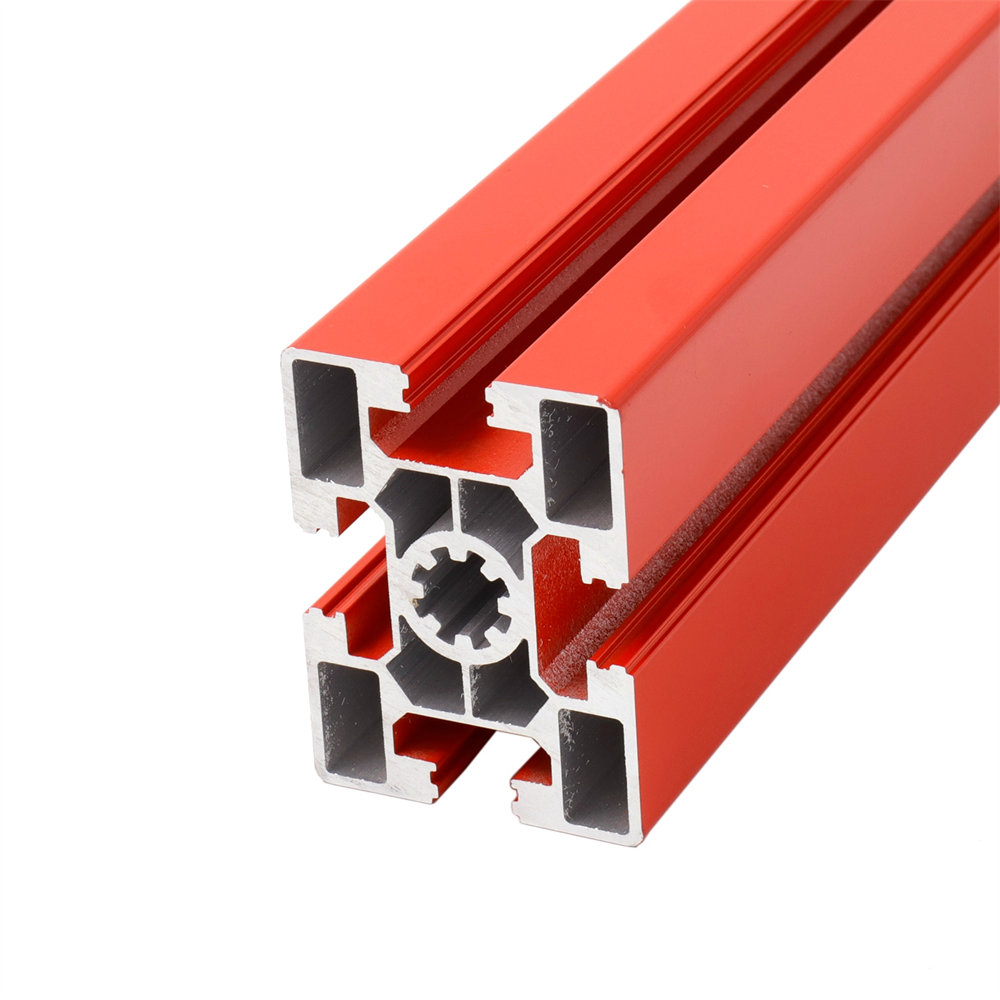
Custom Aluminium Extrusion Profiles


What Are Standard Profiles?

You often see standard profiles in industries that need reliable and cost-effective solutions. Manufacturers produce aluminium standard sections in large quantities using existing dies. This process creates uniform shapes, such as channels, angles, and tubes. Standard aluminum extrusions work well for framing, machinery, and construction. You benefit from quick availability and lower prices because mass production reduces costs. The global market for aluminium extrusion profiles continues to grow, driven by urbanization and new building technologies.


What Are Custom Aluminium Profiles?

Custom aluminium profiles give you the freedom to create shapes and features that match your project’s unique requirements. You work with suppliers to develop custom aluminum extrusions that fit specific designs, tolerances, or performance needs. Industries like aerospace and electric vehicles rely on custom profiles for weight-sensitive and specialized applications. Guang Ya, for example, offers advanced capabilities to help you achieve precise designs and colors. Their R&D team supports you through every step, from concept to finished product. Custom profiles allow you to optimize material use and improve efficiency in your project.


Cost Differences

You notice clear differences in cost structure between standard profiles and custom aluminium profiles. Standard aluminium profiles cost less because manufacturers use existing dies and mass production methods. This approach minimizes tooling expenses and keeps prices low. Custom aluminium profiles require new dies and specialized manufacturing, which increases initial costs by 20-40%. You may pay more upfront, but custom profiles can save money over time through better design and reduced waste. Market prices for aluminium extrusion profiles range from USD 2,400 to USD 3,200 per metric ton, depending on material grade and complexity. Aerospace-grade extrusions cost more due to strict certification and tighter tolerances.

Tip: If your project needs a unique design or large volume, custom aluminium profiles may offer better long-term value despite higher initial costs.


Initial Costs Breakdown


Standard Profile Costs

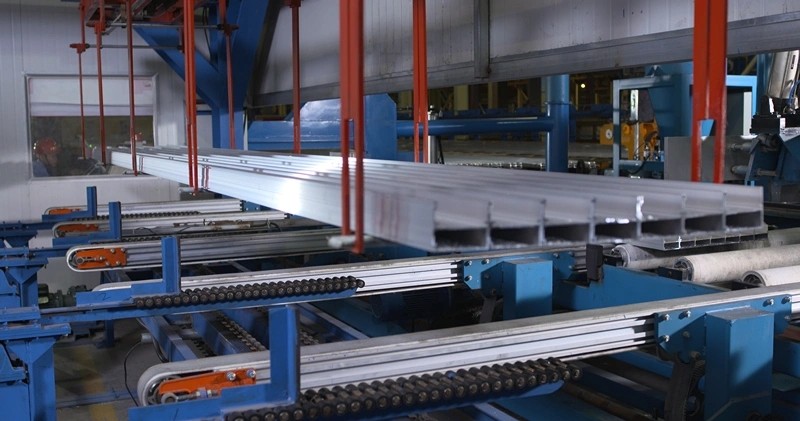
When you choose aluminium standard sections, you benefit from a straightforward cost structure. Manufacturers produce standard aluminum extrusions in bulk, which lowers the price per unit. You pay mainly for the raw aluminium, the extrusion process, and any basic finishing. The cost also depends on the thickness of the material, the type of surface finishing, and the reputation of the brand. If you order in large quantities, you often receive discounts that make your project more cost-effective.

Here is a table that shows the main cost components for standard profiles:

Cost Component

Description

Material Thickness

Thicker materials generally lead to higher costs.

Surface Finishing

Different types of surface finishing have unique specifications affecting cost.

Brand Reputation

Well-known brands often charge more due to perceived quality.

Purchase Volume

Discounts are often available for bulk purchases, making them more cost-effective.

You see that standard profiles offer predictable pricing. This makes them a popular choice for projects where design flexibility is not a priority.


Custom Aluminium Profile Costs

If your project requires a unique design, you may need a custom aluminium profile. The initial cost for custom profiles is higher because you must pay for new dies and specialized tooling. You also pay for the labor involved in creating your specific shape and for any extra finishing or secondary operations. These steps add to the total price, but they allow you to achieve the exact design and material strength you need.

The main cost factors for custom aluminium profiles include:

  • Die and Tooling Costs: You need new dies made from scratch, which increases your overall costs.

  • Labor and Production Costs: Labor costs remain stable but can vary by region and supplier.

  • Surface Finishing and Secondary Operations: Extra processes after extrusion, such as anodizing or powder coating, add to the cost.

Suppliers like Guang Ya offer competitive pricing for custom aluminium profiles. For example, Guang Ya Aluminium Industries Co., Ltd. lists prices between $2,499 and $2,649 per ton. This range reflects the advanced capabilities and high production standards you receive.

Custom profiles give you the freedom to optimize your design for strength, durability, and efficiency. You can reduce waste and improve the performance of your final product. If you need a specialized solution, the higher initial investment can pay off over time.


Tooling and Setup Fees

Tooling and setup fees represent a significant part of the initial cost when you order custom aluminium extrusion profiles. You pay these fees to create the dies that shape your custom design. The complexity of your profile determines the final price.

Here is a table showing typical tooling costs:

Profile Type

Tooling Cost Range

Solid profile dies

$1,250

Hollow dies

$1,950

Complex or multi-hollow dies

up to $5,000

For simple, small profiles, you might pay between $500 and $1,500. Medium complexity profiles range from $1,500 to $3,000. Complex or large profiles can cost $3,000 to $5,000 or more. These fees cover the design and machining of the dies, as well as the setup of the extrusion lines.

Note: You pay tooling and setup fees only once for each unique design. If you plan to produce large volumes, the cost per unit drops significantly over time.

When you compare standard and custom aluminium extrusion profiles, you see that standard profiles have lower upfront costs. However, custom profiles can deliver better value if your project requires specific design features, higher material strength, or improved durability.


Production Volume Impact


Small vs Large Orders

Order size plays a major role in the cost of aluminium extrusion profiles. When you place a small order, you face higher per-unit costs. This happens because fixed costs, such as die and setup fees, spread over fewer units. For large orders, you benefit from lower per-unit costs since these expenses get distributed across more pieces. You can see this effect in the table below:

Order Size

Per-Unit Cost Impact

Small Orders

Higher per-unit costs due to fixed costs spread over fewer units.

Large Orders

Lower per-unit costs as fixed costs are distributed over more units.

Short Production Runs

Higher costs due to setup and tooling costs allocated over fewer units.

Large Production Runs

Economies of scale reduce overhead per unit, improving material utilization.

If you plan a short production run, you pay more for each piece. When you increase your order size, you unlock economies of scale. This means you use materials more efficiently and reduce overhead costs for each unit. Aluminium suppliers often recommend larger orders to maximize savings.


When Custom Aluminum Extrusions Save Money

You can achieve significant cost savings with custom aluminum extrusions, especially for large-scale projects. As your production volume grows, the cost per part drops. The table below shows how production volume affects costs:

Production Volume

Die Cost / Part

Setup Cost / Part

Running Cost / Part

Relative Total Unit Cost

Low (e.g., 500m)

High

High

Standard

Very High

Med (e.g., 2000m)

Moderate

Moderate

Standard

Moderate

High (e.g., 10000m)

Low

Low

Standard

Low

Custom aluminium profile solutions let you include special shapes and features in your design. This reduces the need for extra welding or joining, which lowers costs and improves the strength of your final product. You also save time and money by cutting out post-extrusion operations. In industries like aerospace and electric vehicles, custom extrusions provide better performance and lighter weight. When you choose custom aluminium for large projects, you often see the best value.

Tip: If your project requires a unique design and you expect high production volumes, custom aluminium extrusions can help you save money and improve efficiency.


Long-Term Value

Material Efficiency

You gain significant advantages when you focus on material efficiency in your project. Custom aluminium profile solutions allow you to optimize your design, which reduces waste and improves resource use. The lightweight nature of aluminium helps lower energy consumption during transportation and installation. You also benefit from the durability of aluminium, which leads to fewer repairs and less frequent replacements. The recyclability of aluminium extrusion profiles supports sustainability and minimizes material waste. Thermal insulation properties can improve energy efficiency in buildings and industrial applications.

  • Lightweight construction reduces energy use.

  • Durable materials lower maintenance costs.

  • Recyclable aluminium supports sustainability.

  • Thermal insulation enhances energy savings.

Aluminium is cost-effective compared to other materials. Its simple structure makes large-scale production easier. You minimize production costs and material waste over time by choosing aluminium extrusions designed for your specific needs.


Maintenance and Replacement

You want your project to last as long as possible with minimal upkeep. Custom aluminium profile options offer enhanced performance and long-lasting performance. These profiles resist corrosion better than standard aluminium extrusion profiles. You spend less on maintenance and replacement over the product’s lifecycle. The table below shows how custom and standard profiles compare:

Feature

Custom Aluminium Profiles

Standard Aluminium Profiles

Corrosion Resistance

High

Moderate

Maintenance Frequency

Low

Moderate

Replacement Costs Over Time

Lower

Higher

Lifespan

Longer

Shorter

Custom aluminium profiles help you achieve a higher return on investment. You avoid frequent repairs and replacements, which saves money and reduces downtime. Aluminium’s durability ensures your project remains reliable for years.


Lead Times

You need to consider how quickly you can receive your aluminium extrusion profiles. Standard profiles usually arrive faster because suppliers keep them in stock. Custom aluminium profile orders take longer due to the design and manufacturing process. The table below outlines average lead times:

Order Type

Average Lead Time

Standard Profiles

7 to 14 days

Custom Profiles

15 to 30 days

You should plan your project timeline based on these lead times. Custom extrusions require more time for design and production, but they deliver tailored solutions that fit your exact requirements. When you choose custom aluminium, you invest in quality and precision, which pays off in the long run.

Tip: Recycling aluminium frames at the end of their service life reduces environmental impact and lowers costs. High-quality aluminium extrusions resist corrosion, which means fewer replacements and better sustainability.


Factors Affecting Cost Effectiveness

Project Size and Complexity

You need to consider the size and complexity of your project before choosing aluminium extrusion profiles. Large projects often require more material and specialized shapes. Complex designs may need custom aluminium profile solutions. When your project involves intricate structures or unique requirements, custom extrusions help you achieve better results. You can optimize material usage and reduce waste. For simple projects, standard aluminium profiles may offer enough strength and durability.


Design Flexibility

Design flexibility plays a key role in cost effectiveness. You can create complex shapes and structures with custom aluminium profile options. This flexibility allows you to adapt aluminium extrusion profiles for many applications. You can tailor solutions to fit your project needs. Design flexibility leads to improved efficiency and lower costs over time. You minimize waste and optimize how you use aluminium. The extrusion process supports customization, so you can meet specific requirements for both simple and intricate designs.

  • Custom profiles enable complex shapes and structures.

  • Flexibility improves project efficiency and reduces costs.

  • Tailored solutions minimize waste and optimize material usage.

  • Aluminium profiles adapt to various applications.

  • Extrusions allow customization for specific project needs.


Supplier Capabilities

Supplier capabilities have a direct impact on cost effectiveness. You should look for suppliers with strong expertise, advanced equipment, and robust quality control. Guang Ya stands out as a supplier with large production capacity and advanced R&D. Their team supports you through every stage, from design to delivery. High-quality aluminium extrusion profiles depend on stringent material selection and precise manufacturing.

Quality Control Measure

Impact on Project Outcomes

Stringent Material Selection

Ensures strength and durability of profiles.

Advanced Design and Engineering

Identifies potential issues before production.

High-Precision Manufacturing

Guarantees profiles match design specifications.

In-Process Quality Control

Detects errors early, ensuring correct profile type.

Post-Production Testing

Verifies profiles meet quality standards.

Customer Collaboration

Facilitates tailored plans for project success.


When you select a supplier for custom aluminium profile projects, focus on these criteria:

  1. Expertise and experience in the aluminium industry.

  2. Capabilities and equipment to meet your needs.

  3. Strong quality control and certifications.

  4. Reliable customer support.

  5. On-time delivery history.

  6. Cost-effectiveness, including product quality and service.


Warranty and after-sales support also differ between suppliers. Custom aluminium profiles may have tailored warranty terms based on design complexity. Standard profiles usually offer consistent and longer warranty periods.

Type of Profile

Warranty Terms Description

Custom Aluminium

Warranty terms vary based on design complexity; may be tailored for specific applications, potentially longer or shorter.

Standard Aluminium

Generally consistent warranty terms, typically longer and less variable than custom profiles.

You improve cost effectiveness by choosing a supplier with strong capabilities and support. Guang Ya provides advanced solutions for both standard and custom aluminium extrusion profiles, helping you achieve the best value for your project.


Decision Guide

Key Questions to Ask

You should ask yourself several important questions before choosing between standard and custom aluminium extrusion profiles. Start by considering your project’s size and complexity. Do you need tailored designs or will standard shapes work? Think about the volume of your order. Will you produce a few units or thousands? Ask if your project requires a better structural fit or if standard profiles can meet your needs. Consider the timeline for delivery and whether you can wait for custom designs. Finally, check if your supplier has the expertise and capacity to deliver high-quality aluminium extrusions.


Practical Scenarios

You can see the value of custom aluminium profiles in many real-world situations:

  • You need intricate shapes, such as T-slots or screw ports, to make assembly easier and reduce extra steps.

  • Your project takes place in a laboratory or transportation system where durability and cleanliness matter most.

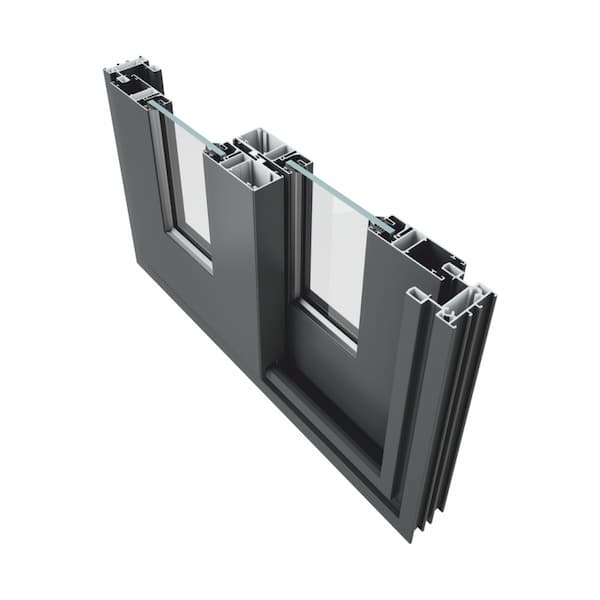
  • You work in construction and want aluminium profiles for railings or window frames that offer both strength and a modern look.

  • You design building systems like doors, curtain walls, or commercial displays that require custom aluminium extrusion profiles for a better structural fit.


Cost-Saving Tips

You can save money on aluminium projects by following these expert tips:

  • Work with skilled engineers and technicians to improve quality and efficiency in your custom designs.

  • Focus on the application of your aluminium extrusion profiles to avoid missing key specifications.

  • Use your knowledge of aluminium properties to boost quality control.

  • Collaborate with manufacturers early in the design process to benefit from their experience.

  • Choose the right aluminium alloy for your project’s end use.

  • Design parts to reduce complexity, which lowers costs by cutting down on extra manufacturing steps.

Tip: When you involve experienced suppliers like Guang Ya early, you can prevent costly revisions and achieve the best results for your aluminium extrusions.


You can find the best value by matching your aluminium profile choice to your project’s needs. Standard aluminium profiles work well for simple, low-volume jobs. Custom aluminium profiles offer better results for complex or large-scale projects. Consider these factors:

  • Upfront costs

  • Design flexibility

  • Project needs

  • Engineering support

  • Sustainability

  • Logistical reliability


When you consult experienced suppliers like Guang Ya, follow these steps:

  1. Check supplier reputation and experience.

  2. Review production capacity for your aluminium requirements.

  3. Confirm quality assurance and certifications.

  4. Evaluate customer service and communication.

  5. Understand the cost structure.

  6. Align supplier capabilities with your aluminium project.

Choosing the right aluminium solution ensures efficiency and long-term savings.


FAQ

What makes custom aluminum profiles more expensive at first?

You pay more for custom profiles because you need new dies and special setup. These costs cover design and production. Over time, large orders can lower your price per unit.


When should you choose a standard aluminum profile?

You should pick standard profiles for simple projects or when you need fast delivery. Standard shapes cost less and suppliers keep them in stock.


How do you select the right supplier for custom profiles?

You should look for suppliers with strong R&D, large production capacity, and good quality control. Guang Ya, for example, offers advanced support and reliable service.

Tip: Ask about certifications and past project experience before you decide.


What is the typical lead time for custom vs. standard profiles?

Profile Type

Average Lead Time

Standard Profile

7–14 days

Custom Profile

15–30 days

You wait longer for custom profiles because they require design and tooling.
How Custom Aluminum Extrusions Enhance Efficiency in Manufacturing

Custom aluminum extrusions drive efficiency in modern manufacturing by letting you shape materials to exact needs. You help reduce waste and support sustainability when you choose aluminum extrusions, as aluminum can be recycled indefinitely with minimal energy and lower emissions. In high-performance industries, such as automotive and aerospace, you benefit from the unique properties of custom aluminum extrusion:

Advantage

Description

Strength-to-weight ratio

High strength with low weight, perfect for critical applications

Corrosion resistance

Natural oxide layer protects parts, increasing durability

Thermal/electrical conductivity

Excellent heat dissipation and electrical performance

Recyclability and sustainability

Complete recyclability without loss of properties for eco-friendly manufacturing


Key Takeaways

  • Custom aluminum extrusions allow for precise designs, reducing waste and enhancing sustainability in manufacturing.

  • Using aluminum extrusions improves assembly efficiency by minimizing the number of components needed, leading to faster production times.

  • Aluminum's lightweight and durable properties make it ideal for high-performance applications in industries like automotive and aerospace.

  • The recyclability of aluminum supports eco-friendly practices, helping manufacturers meet sustainability goals while saving costs.

  • Custom aluminum extrusions provide flexibility in design, enabling innovative product solutions that meet specific industry needs.


Design Flexibility with Custom Aluminum Extrusions

Custom Aluminum Extrusions

Tailored Solutions for Modern Manufacturing

You gain a significant advantage when you use custom aluminum extrusions in modern manufacturing. The aluminum extrusion process lets you create unique shapes and profiles that match your exact requirements. This flexibility in design means you can specify hollow tubes, intricate channels, or complex structures that standard options cannot provide. You see this versatility in action across industries:

  • Aerospace engineers rely on custom extruded aluminum for structural components like wings and fuselages.

  • Automotive manufacturers use custom aluminum extrusion to meet strict safety and performance standards in crash management systems and frames.

  • Consumer goods companies choose aluminum extrusions for electronic device frames and recreational equipment.

Customization allows you to select the right alloy and profile for each application. You can design extruded aluminum shapes that withstand extreme conditions or meet specific aesthetic goals. Once you create a die, the process becomes efficient, producing consistent parts with minimal waste. Aluminum’s natural corrosion resistance adds durability, making your products last longer.


Streamlining Complex Assemblies

You simplify your assembly process when you use custom extruded aluminum. One-piece profiles reduce the number of components you need, which leads to faster production and fewer assembly steps. You can take advantage of diverse joining methods, which give you more options for putting parts together. This approach streamlines your workflow and reduces labor costs.

  • Custom aluminum extrusions provide unlimited design possibilities, letting you create complex shapes that traditional manufacturing methods cannot achieve.

  • You reduce the need for multiple manufacturing steps, which saves time and resources.

  • Custom profiles can integrate unique features, allowing them to fit seamlessly with other components and minimize assembly steps.

  • Faster assembly times and lower labor costs improve your overall efficiency.

Once you have a die, you can repeat the production process efficiently. This repetition leads to minimal waste and lower material costs, which further speeds up your manufacturing timeline.


Enabling Innovative Product Designs

You unlock new possibilities for product innovation with custom extruded aluminum. The ability to design complex shapes means you can reduce the number of parts in your products, which increases strength and saves costs. You see this in window and door frames, trailers, and piers, where long, seamless extruded aluminum shapes are essential.

  • Pipes and ductwork often use aluminum extrusions because you can create long, continuous profiles.

  • You can add design features, such as grooves for windows, which expand your options and improve functionality.

  • Reducing or eliminating the need for machining lowers your manufacturing costs and speeds up production.

Benefit

Description

Precision Engineering

You ensure every stage of the extrusion process meets strict specifications, resulting in high-quality extrusions.

Enhanced Design Flexibility

You can create complex shapes that meet specific structural and aesthetic needs.

Sustainable Practices

You contribute to reduced waste and improved performance, aligning with industry standards.

You support a culture of continuous improvement by streamlining workflows and reducing human error. Skilled workers can focus on innovation and quality control, which leads to better products and higher customer satisfaction. Custom aluminum extrusions give you the versatility and customization needed to stay ahead in modern manufacturing.


Material Efficiency and Lightweight Strength

Reducing Waste in Custom Extruded Aluminum

You can optimize your material use and minimize waste when you choose custom extruded aluminum. The aluminum extrusion process shapes metal exactly to your design, so you avoid unnecessary offcuts and scrap. Modern extrusion presses use less energy and produce fewer emissions, which helps you meet global environmental standards. Many facilities now use closed-loop recycling systems. These systems reclaim and reuse aluminum, supporting a circular economy and reducing waste even further.

Smart, sensor-driven extrusion lines give you more control over the process. You can adjust parameters in real time, which reduces waste and energy use compared to older, manual systems. These smart systems also cut down on idle press time and prevent overheating. As a result, you save energy for every kilogram of extruded aluminum you produce. This approach helps you reach your sustainability goals and keeps your production efficient.

You will find that custom aluminum extrusions are designed to deliver consistent products with exceptional performance. By minimizing post-extrusion operations, you lower both labor and energy requirements. This not only saves you money but also reduces your environmental impact.

Tip: Nearly all aluminum used in extrusion—up to 99.9%—is recycled. You can recycle aluminum indefinitely without losing its properties, making it the most recycled metal in the world.


Performance Advantages in Automotive and Aerospace

You gain a clear advantage in industries like automotive and aerospace when you use custom extruded aluminum. The lightweight nature of aluminum extrusions allows you to replace heavier materials, such as steel, without sacrificing strength. Lighter vehicles use less fuel and become more energy-efficient, which saves you money and supports sustainability.

  • Aluminum extrusions offer high strength for their weight, making them ideal for critical parts in cars and airplanes.

  • You benefit from corrosion resistance, which extends the lifespan of your products.

  • Custom aluminum extrusion adapts to both hot and cold temperatures, so you can use it in a wide range of environments.

When you design with custom aluminum extrusions, you can create complex shapes that meet strict safety and performance standards. This flexibility lets you innovate and improve your products while keeping them strong and lightweight.


Lower Handling and Transport Costs

You can lower your handling and transport costs by choosing custom extruded aluminum. The lightweight properties of aluminum make it easier to move and assemble, which reduces labor and shipping expenses. Custom aluminum extrusions promote optimal material use, so you generate less waste and support sustainability in your manufacturing process. This efficiency leads to cost savings, especially in large-scale production.

To further reduce transportation costs, you should keep the length of aluminum extrusions under three meters and select cost-effective shipping methods, such as sea freight. By making these choices, you not only save money but also reduce your carbon footprint.

Benefit

How It Helps You

Lightweight material

Easier handling and lower shipping costs

Custom profiles

Less waste and more efficient use of resources

Recyclable aluminum

Supports sustainability and reduces environmental impact

Custom aluminum extrusion gives you the tools to improve efficiency, cut costs, and meet your sustainability goals. You can rely on the lightweight strength and versatility of extruded aluminum to keep your manufacturing process competitive and environmentally responsible.


Durability and Corrosion Resistance

Longer Product Lifespan

You want your products to last as long as possible. Custom extruded aluminum gives you a clear advantage in this area. When you choose custom extruded aluminum, you get materials that offer superior durability compared to many other options. For example:

  • 2020 aluminum extrusions provide high strength and excellent fatigue resistance. You often see these in aerospace, military, and high-performance automotive applications.

  • 8020 aluminum extrusions offer moderate strength and good corrosion resistance. You find these in automotive parts and electronic device housings.

You can select the right type of extruded aluminum based on your needs. This flexibility ensures your products have the strength and durability required for their environment. Custom extruded aluminum helps you build products that stand the test of time.


Reliability in Harsh Environments

You may need your products to perform in tough conditions. Custom extruded aluminum stands up to harsh environments better than many other materials. Aluminum forms a natural oxide layer when exposed to air. This layer protects the metal from rust and corrosion. You do not have to worry about your products failing due to moisture, chemicals, or extreme temperatures. Extruded aluminum keeps its strength and shape even in challenging settings.

Note: Custom extruded aluminum is a top choice for outdoor structures, marine equipment, and industrial machinery because of its reliability.


Minimal Maintenance Needs

You save time and money on maintenance when you use custom extruded aluminum. The natural corrosion resistance of aluminum means you do not need to paint or coat it as often as steel or wood. This protective layer allows your products to last for decades with little repair. You reduce long-term costs and avoid frequent downtime. Custom extruded aluminum lets you focus on production and innovation instead of constant upkeep.

Feature

Benefit for You

Natural corrosion resistance

Less maintenance required

High durability

Longer product lifespan

Consistent performance

Reliable results in any setting

You can trust custom extruded aluminum to deliver strength and durability, even in the most demanding applications.


Cost-Effectiveness and Sustainability in Modern Manufacturing

Lower Production Costs with Custom Aluminum Extrusions

You achieve cost-effectiveness in modern manufacturing when you choose custom aluminium extrusion profiles. High production rates and minimal waste make these extrusions a smart investment. The initial tooling costs for custom aluminum extrusion may range from $400 to $1,000, but you spread these costs across many units, lowering the per-unit price. You benefit from lean production principles that minimize waste and reduce raw material procurement costs. Mass production dilutes fixed costs, such as mold manufacturing and equipment depreciation. Near-net-shape extrusion reduces machining steps and lowers scrap rates, which leads to faster production timelines and reduced per-part costs.

  • Custom aluminum extrusions provide significant cost savings, especially in large-scale manufacturing.

  • You optimize material use, which supports sustainability goals and reduces waste.

  • Complex shapes allow for innovation and specialized design requirements, further lowering costs.

Production Factor

Impact on Cost

High production rates

Lower per-unit cost

Minimal waste

Reduced material expenses

Efficient tooling

Faster timelines


Eco-Friendly Manufacturing Solutions

You support eco-friendly manufacturing solutions when you use aluminum extrusions. Energy-efficient processes in custom aluminum extrusion minimize energy consumption and reduce emissions. This approach aligns with eco-conscious trends and enhances your brand reputation. You see a commitment to sustainability in the way aluminum extrusions reduce waste, emissions, and byproducts. Using recyclable aluminum improves your company’s green credentials and appeals to eco-conscious consumers.

You contribute to a cleaner environment by choosing aluminum extrusion in sustainability-focused operations.


Maximizing Recyclability

You maximize recyclability and sustainability with custom aluminum extrusions. Aluminum can be recycled repeatedly without losing its properties. Nearly all aluminum used in extrusions—up to 99.9%—is recyclable. This process lowers costs and reduces the environmental aspect of manufacturing. Recyclable aluminum supports a circular economy and helps you meet strict environmental standards. You enhance your brand image and demonstrate a commitment to sustainability by using aluminum extrusions that are both efficient and eco-friendly.

  • Recyclable aluminum reduces waste and supports sustainability.

  • You lower your environmental impact and improve your company’s reputation.

  • Aluminum extrusion in sustainability offers long-term benefits for both your business and the planet.


Industry Applications of Custom Aluminum Extrusions

Custom Aluminum Extrusions

Automotive and Aerospace

You see custom extruded aluminum play a major role in the automotive and aerospace industries. These sectors demand lightweight materials with high strength. Custom aluminum extrusion lets you design parts that reduce vehicle weight and improve fuel efficiency. You can create crash management systems, chassis components, and even intricate wing structures. The versatility of aluminum extrusions allows you to meet strict safety and performance standards. You also benefit from the natural corrosion resistance of aluminum, which extends the lifespan of critical parts. Many manufacturers choose custom extruded aluminum because it supports both innovation and sustainability.


Electronics and Consumer Goods

You rely on custom extruded aluminum in electronics and consumer goods for its excellent heat dissipation and sleek appearance. Manufacturers use extrusions to make frames for laptops, smartphones, and televisions. You can design thin, strong enclosures that protect sensitive components. Customization gives you the freedom to add features like cable channels or mounting points. The lightweight nature of aluminum extrusion products makes devices easier to handle and transport. You also see extruded aluminum products in sports equipment, furniture, and lighting fixtures, where both durability and style matter.


Construction and Architecture

You find custom extruded aluminum everywhere in construction and architecture. Builders use extrusions for window frames, curtain walls, and structural supports. The applications of custom aluminum extrusion in this field help you create buildings that are both strong and energy-efficient. You can design profiles that fit perfectly into modern architectural styles. Aluminum’s recyclability and low maintenance needs make it a top choice for sustainable building projects. The versatility of custom extruded aluminum ensures you can meet unique design challenges while keeping costs down.

The aluminum extrusion market continues to grow, driven by advancements in technology and a focus on sustainability. You see custom extruded aluminum as vital in automotive, construction, aerospace, and renewable energy sectors.

Key Insights

Description

Market Size

The aluminum extrusion market is projected to grow significantly by 2030.

Technology

Advancements in extrusion technologies enhance production efficiency.

Sustainability

Increased focus on recycling capabilities and sustainable practices.

Applications

Custom extrusions are vital for automotive, construction, aerospace, and renewable energy sectors.

You gain efficiency, improved product quality, and long-term value when you choose custom extruded aluminum for your manufacturing needs.


You gain a competitive edge in modern manufacturing when you choose custom aluminum extrusions. These solutions offer flexibility, material savings, and durability. You benefit from cost efficiency and sustainability because aluminum is 99.9% recyclable and energy-efficient. Manufacturers use advanced techniques to control temperature and pressure, ensuring precise profiles and reliable results.

Aspect

Benefit for You

Precision Engineering

Accurate profiles and reduced waste

Durability

Longer-lasting products and minimal maintenance

Sustainability

Supports eco-friendly practices and reputation

To start, you can:

  1. Consult with an aluminum extrusion supplier about your design.

  2. Provide detailed specifications for your project.

  3. Evaluate your requirements and budget.

You can explore resources like brochures and quality guidelines to learn more about implementing custom aluminum extrusions.


FAQ

What are custom aluminum extrusions?

Custom aluminum extrusions are shapes you design for specific needs. You choose the profile, size, and alloy. Manufacturers use a die to create your exact shape from aluminum.

How do custom extrusions improve manufacturing efficiency?

You reduce waste and speed up production with custom extrusions. You get parts that fit perfectly, which lowers assembly time and cuts material costs.

Are custom aluminum extrusions environmentally friendly?

You support sustainability with aluminum extrusions. Aluminum is 99.9% recyclable. You can reuse it without losing strength or quality.

Which industries benefit most from custom aluminum extrusions?

You see the biggest impact in automotive, aerospace, construction, and electronics. These industries need lightweight, strong, and durable materials for high-performance products.

How to Ensure You Choose the Best Custom Aluminium Profile Manufacturer

The right aluminium profile supplier shapes your project’s outcome. When you assess manufacturers, you need to match their capabilities with your specific requirements. Understanding your needs for a Custom Aluminium Profile lets you select the right type and ensures the product fits your design and timeline. Early discussions with manufacturers help you make informed design choices and plan resources, which leads to better integration with other components and greater project efficiency.


Key Takeaways

  • Check the manufacturer’s material standards and alloy options. Choosing the right alloy improves strength and durability.

  • Prioritize quality control and certifications. Certifications like ISO 9001 and QUALICOAT ensure reliable, high-quality profiles.

  • Ensure the manufacturer offers a wide range of custom profiles. Flexibility helps match your project needs precisely.

  • Evaluate the manufacturer’s experience and reputation. A proven track record guarantees consistent results and good support.

  • Understand lead times and delivery options. Reliable delivery keeps your project on schedule and reduces delays.


Quality and Certifications

Architecture Aluminium Profile

Material Standards and Alloy Grades

You should always start by checking the material standards and alloy grades a manufacturer offers. The right alloy grade impacts the strength, machinability, and lifespan of your custom aluminium profiles. For high-performance industrial applications, certain grades stand out for their mechanical properties and durability:

Alloy Grade

Properties

Typical Uses

6005

Good extrusion performance, improved strength

Structural systems, transportation equipment, heavy-duty mechanical frames

6082

High strength, excellent mechanical properties, good corrosion resistance

Industrial structural applications in demanding environments

7075

High strength, excellent mechanical performance

Aerospace components, high-load mechanical structures

Selecting the right alloy ensures your profiles meet both performance and quality expectations.


Surface Finish Options

Surface finish plays a key role in both the appearance and the long-term quality of your aluminium profiles. You can choose from several finishing options, each offering unique benefits:

Feature

Anodizing

Powder Coating

Painting (Wet)

Mechanical Finish

Primary Benefit

Durability, Wear

Versatility, Tough

Color Options

Texture, Look

Corrosion Res.

Good to Excellent

Excellent

Good

Varies (Base)

Appearance

Metallic/Colors

Wide Color/Texture

Wide Color

Satin to Mirror

Relative Cost

Moderate

Moderate

Moderate

Low to Moderate

Anodizing enhances the surface, providing excellent resistance to abrasion and wear. Powder coating adds vibrant color and extra protection. Mechanical finishes like brushing or polishing give your profiles a unique texture and look. The right finish improves both the durability and the quality of your final product.


Quality Control and Certifications

You need to verify that your manufacturer follows strict quality control processes. These processes ensure every profile meets your specifications and industry standards. Key quality control steps include:

  • Design verification with detailed checks and client collaboration

  • Real-time extrusion process monitoring for temperature and pressure

  • Surface treatment inspection for uniform coating and color consistency

  • Final product testing, including mechanical and dimensional checks

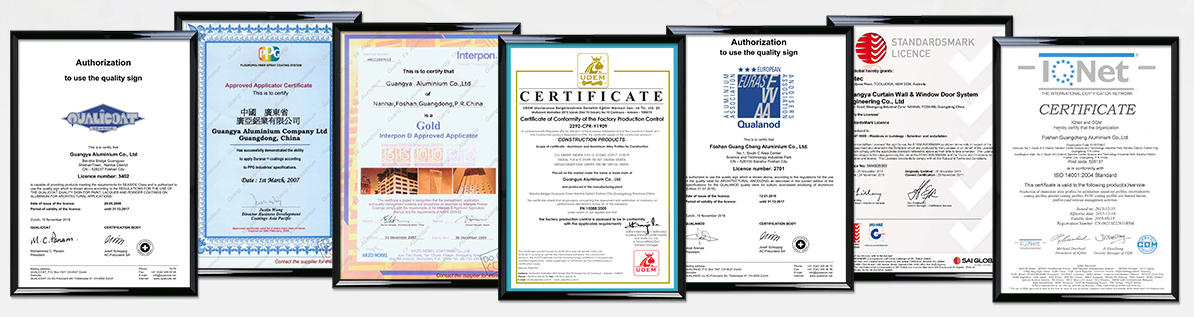
Leading manufacturers hold certifications such as QUALICOAT, QUALANOD, GSB International, and NF Certification by CSTB. These standards guarantee quality coating, anodizing, and thermal insulation. ISO 9001 certification demonstrates a commitment to ongoing audits and process improvement. ISO 14001 and IATF 16949 further enhance reliability by focusing on environmental management and supply chain stability.

Tip: Inadequate quality control can lead to raw material inconsistencies, structural defects, and increased production costs. Always ask for documentation of quality checks and certifications before you commit.

By prioritizing quality at every stage, you ensure your custom aluminium profiles deliver the performance and reliability your project demands.


Customization and Project Requirements

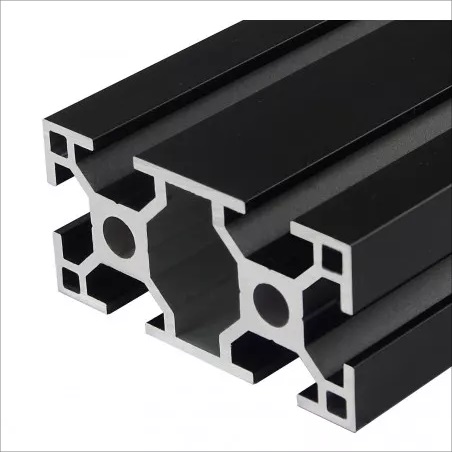
Industrial Aluminium Profile

Profile Range and Design Flexibility

You need a manufacturer who offers a broad selection of custom profiles to match your project requirements. Leading suppliers provide a wide variety of profile shapes and sizes, including trim caps, rods, angles, bars, and channels. You can request T-shaped profiles for beams or trims, or choose from a range of other configurations. Top manufacturers can produce highly customizable aluminum shapes to precise dimensions, giving you the flexibility to achieve the exact profile shape and size your project demands. This level of customization possibilities ensures your design vision becomes reality.


Application Needs and Specifications

Every project comes with unique requirements. You must assess whether the manufacturer can deliver custom profiles that meet your technical needs, such as load-bearing capacity and environmental resistance. Manufacturers use different aluminum alloys, including 1000, 3000, and 6000 series, to balance conductivity, strength, and corrosion resistance. They also offer machining and finishing options like cutting, drilling, anodizing, and powder coating. These processes create custom aluminium profiles that withstand harsh conditions, including outdoor environments. Anodizing and powder coating add layers of protection, making your profiles resistant to UV rays, salt spray, and industrial atmospheres.


Engineering Support for Custom Aluminium Profile Projects

You benefit from strong engineering support throughout your projects. Leading manufacturers provide design and engineering assistance, helping you turn concepts into technical drawings. They offer full machining capabilities for extrusions and accessories, ensuring your custom profiles meet all specifications. Installation services and personalized project support help you avoid costly mistakes and delays. You should also consider die fabrication timelines. Most top manufacturers complete die fabrication in three to five weeks, with samples available about two weeks later. This efficiency keeps your project on schedule and ensures you receive the right profile shape and size for your application.

Tip: Early collaboration with your manufacturer streamlines customization and helps you address project requirements before production begins.


Supplier Experience and Reputation

Track Record with Custom Aluminium Profile Projects

You should always investigate a manufacturer’s track record before making a decision. A strong history with custom aluminium profile projects shows that the company can handle complex requirements and deliver consistent results. Look for suppliers with recognized certifications like ISO 9001. These certifications prove that the manufacturer follows standardized quality processes. Ask about their Quality Management System and inspection procedures. This information gives you objective insight into their quality control practices. You should also check if the manufacturer offers prototype development and Design for Manufacturability feedback. These services demonstrate technical support and commitment to your project’s success. Review their history of on-time delivery and responsiveness to inquiries. Reliable communication and punctuality reflect a supplier’s reliability and reputation.


Technical Expertise and Equipment

Technical expertise sets leading manufacturers apart. You want a supplier with advanced equipment and skilled engineers. Modern factories use CNC machining, precision extrusion, and advanced welding techniques to achieve tight tolerances and high-quality finishes. For example, CNC bending machines and laser engraving tools allow for intricate designs and consistent results. Many top suppliers invest in research and development to improve their processes. They use simulation software for 3D modeling and online quenching equipment for precise extrusion. Certifications such as AS9100, ISO9001, and ISO14001 further confirm their technical capabilities. These factors ensure your custom aluminium profiles meet demanding industry standards.

Technique

Description

CNC Machining

Achieves precise dimensions for complex shapes.

Precision Extrusion

Delivers profiles with exact specifications.

Surface Treatments

Enhances durability and appearance.

Advanced Welding

Provides strong, reliable joints.

Metal Extrusion Simulation

Uses 3D modeling to solve production challenges.


References and Reputation in the Industry

You should always check references and assess supplier reputation in the industry. Ask for case studies or testimonials from clients with similar projects. This step helps you understand how the supplier handles challenges and meets expectations. Industry experts recommend evaluating manufacturing capabilities, certifications, and global reach. The table below summarizes key criteria for assessing reputation:

Criteria

Description

Manufacturing Capabilities

Proven production capacity and advanced machinery.

Certifications

ISO-certified manufacturers ensure quality control.

Industry Reputation

Established companies with years of experience in the market.

Global Reach

Ability to export and meet international standards.

You can also review key performance indicators such as quality control processes, compliance with international standards, and technical support capabilities. Reliable suppliers provide comprehensive QC documentation and welcome third-party inspections. These actions build trust and reinforce supplier reputation.

Tip: Always request references and conduct factory audits when possible. This approach helps you verify supplier experience and reputation before you commit.


Lead Times and Delivery Reliability

Production Schedules for Custom Profiles

You need to understand the production timeline before you start your custom extrusion  aluminium profile project. The typical lead time for these profiles ranges from 20 to 25 days. This period covers several steps:

  • Confirming design drawings with your supplier

  • Creating the mold for your custom profile

  • Approving samples to ensure specifications match your requirements

  • Moving to mass production

  • Preparing the final shipment for delivery

In urgent situations, manufacturers can sometimes shorten this process to just 7 to 10 days. You benefit from working with suppliers who offer expedited shipping options and dynamic scheduling. Some companies outsource specific production stages to specialized partners, which helps them meet tight deadlines. Effective communication across the production and supply chain teams prevents delays. Prioritizing orders and using advanced technologies, such as 3D printing, can also reduce the lead time and delivery window.

Tip: Ask your supplier about their ability to adapt schedules for urgent or complex orders. This flexibility can make a significant difference in your project’s success.


On-Time Delivery and Logistics

You rely on timely delivery to keep your project on track. Leading manufacturers use robust packaging, including foam and wooden pallets, to protect your aluminium profiles during transit. They select the best transportation modes for your order size and destination. Security measures, such as GPS tracking and secure warehousing, help prevent loss or damage. Manufacturers analyze potential hazards and create contingency plans to address disruptions. For international shipments, sea freight offers an economical solution for bulk orders and heavy loads.

You should always choose a supplier with a proven record of timely delivery and strong logistics support. Reliable delivery ensures your materials arrive when you need them, reducing downtime and avoiding costly project delays.

Note: Consistent lead time and delivery performance builds trust and helps you plan your resources more effectively.


Value and Pricing

Transparent Pricing for Custom Aluminium Profiles

You need a supplier who provides clear and detailed pricing for every custom aluminium profile order. Leading suppliers break down the cost into key components. These include raw material prices, die manufacturing, extrusion processing, heat treatment, surface finishing, and machining costs. You often see references to market exchange prices like LME and SHFE, which help you verify that the cost reflects current market rates. A reliable supplier will give you a detailed quote and explain each line item. This transparency allows you to compare offers and understand where your investment goes. You can request consultations to clarify any part of the cost structure. This approach ensures you avoid hidden fees and unexpected charges.

Cost Component

Description

Raw Material

Based on market rates (LME, SHFE)

Die Manufacturing

Custom tooling for your profile

Extrusion Processing

Shaping and forming the aluminium

Heat Treatment

Enhances material quality and finish

Surface Finishing

Anodizing, powder coating, or other finish types

Machining

Cutting, drilling, or additional fabrication

Tip: Always ask your supplier for a full breakdown of the cost. This step helps you make informed decisions and ensures the product quality matches your expectations.


Balancing Cost, Quality, and Service

You must look beyond the lowest cost when choosing a supplier. The right balance between cost, product quality, and service determines the long-term value of your investment. Several factors influence the total cost:

  • Tooling costs can vary between suppliers. New dies, testing, and validation add to the initial investment.

  • Profile complexity, size, alloy type, and finish requirements all impact the final price.

  • Production capacity, experience, and customization options affect both cost and delivery reliability.

  • Quality control and logistics support ensure you receive consistent material quality and finish.

You should evaluate how well the supplier’s profiles integrate with other materials. Poor integration can lead to structural weaknesses and higher maintenance costs. Prioritize suppliers who offer strong customer support and clear communication. These suppliers help you avoid costly mistakes and delays. A long-term partnership with a reputable supplier often results in better pricing, improved finish, and consistent product quality over time.

Note: The lowest price does not always mean the best value. Consider material quality and finish, supplier reliability, and customer support when making your final choice.


You secure project success by evaluating quality, customization, experience, delivery, and value. Industry experts recommend using a checklist to assess suppliers. Review visual inspections, surface roughness, coating consistency, and mechanical tests. Avoid common mistakes by checking supplier capabilities, certifications, and communication. Use the table below as your guide:

Common Mistakes

How to Avoid Them

Not evaluating capabilities

Seek integrated CNC machining centers

Ignoring red flags

Verify certifications and stock consistency

Focusing solely on price

Beware of price undercuts and poor materials

Lack of communication

Choose responsive technical support

Use these criteria to make confident decisions and build lasting partnerships.


FAQ

What should you look for in an aluminium profile supplier?

You need to check the supplier’s experience, technical capabilities, and certifications. Reliable aluminium profile supplier offers consistent quality, strong engineering support, and clear communication. You secure your project by choosing a supplier who meets your requirements and delivers aluminum profiles on time.

How do you ensure aluminum profiles match your project requirements?

You must provide detailed specifications and collaborate with the aluminium profile supplier early. You review drawings, select the right aluminium alloy, and confirm surface finishes. You verify that the aluminum profiles meet your project requirements before production starts.

Can you customize aluminium profiles for unique project needs?

You can request custom shapes, sizes, and finishes from your aluminium profile supplier. You discuss your requirements and project goals with their engineering team. You receive aluminum profiles tailored to your application, ensuring your project achieves the desired performance.

What certifications should your aluminium profile supplier have?

You should look for ISO 9001, QUALICOAT, and QUALANOD certifications. These standards guarantee quality control and consistent aluminum profiles. You confirm that your aluminium profile supplier meets industry requirements and supports your project with reliable aluminium products.

How do you manage lead times for aluminum profiles in your project?

You plan your project timeline with your aluminium profile supplier. You confirm production schedules, review sample approval processes, and track delivery. You avoid delays by choosing a supplier who communicates clearly and delivers aluminium profiles according to your requirements.