What should I consider before building a backyard pergola?

Building a backyard pergola is an exciting project that can enhance your outdoor space, providing both aesthetic appeal and functional benefits. However, before diving into the construction process, several important factors must be considered. Here's a guide to help you successfully plan and execute your pergola project.


Understanding the Purpose: The first step is to define the primary purpose of your pergola. Is it for shade, entertainment, dining, or perhaps a decorative garden feature? The intended use will influence the design, size, and placement.


Functionality Needs: Consider how you plan to use the space under the pergola. If it’s for dining, you'll need to accommodate a table and chairs. For relaxation, perhaps a hammock or outdoor sofa. The functionality will guide your design choices and layout.


diy pergola


Assessing the Site: Choose a suitable location in your yard. Consider factors like sunlight, wind, and privacy. For example, if you want shade, you'll need to position your pergola accordingly, possibly adding a retractable canopy or planting vines for natural cover.


Orientation: The direction your pergola faces can impact its effectiveness. For instance, a pergola facing east can provide morning sun and afternoon shade, while one facing west might offer the opposite. Think about the sun's path and how it affects your outdoor space.


Aesthetic Harmony: Your pergola should complement your home’s architectural style and the overall landscape design. Whether you prefer a modern, minimalist look or a more traditional, rustic feel, choose materials and designs that harmonize with your existing outdoor décor.


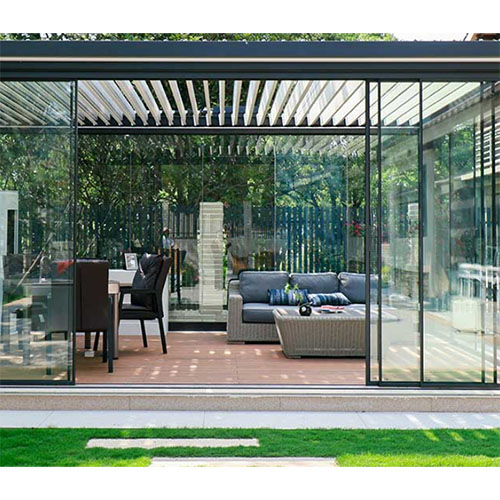
louver roof


Customization Options: Consider whether you want an open-top pergola or a fully covered option. Think about adding features like lighting, curtains, or built-in seating to enhance functionality and aesthetics.


Climate Considerations: Your local climate will influence your choice of materials. In areas with harsh weather conditions, you'll need materials that can withstand elements like heavy rain, wind, or intense sun.


Estimating Costs: Establish a budget for your pergola project, including materials, labor (if hiring professionals), and additional features like lighting or furniture. Costs can vary widely depending on the size, materials, and complexity of the design.


Understanding Legal Requirements: Before starting construction, check with your local authorities about building codes and permit requirements. Some areas have restrictions on structures like pergolas, especially regarding height, size, and proximity to property lines.


Homeowner Association Rules: If you live in a community with a homeowner association (HOA), review the rules and guidelines for outdoor structures. You may need to get approval before proceeding.


Longevity Planning: Think long-term about the durability of your pergola. Choosing high-quality aluminum alloy and investing in proper construction can reduce the need for frequent repairs or replacements.


backyard pergola


Building a backyard pergola can be a rewarding project that enhances your outdoor living space. By considering these factors, you can ensure that your pergola not only meets your aesthetic and functional needs but also adds value and enjoyment to your home for years to come. Whether you opt for a simple DIY project or a professionally built structure, thoughtful planning is key to creating a pergola that you'll love.

Cutting Edge Craft in Stonework

Cutting Edge Craft in Stonework


In the world of stone, where durability meets artistry, the stone cutting machine is the unsung hero crafting the future. This isnt just about slicing through rockits about turning raw, unyielding material into masterpieces of precision and beauty.

stone cutting machine


The Magic Behind the Machine

Imagine a tool that doesnt just cut stone, but whispers to it. Whether its granite or marble, limestone or slate, the efficient stone cutting machine is like a master sculptor, shaping each piece with laser-focused accuracy. These machines harness advanced technologybe it diamond blades, water jets, or lasersto carve out intricate designs and flawless edges, all with the ease of a maestro conducting a symphony.


Why It Matters

Why settle for ordinary when you can have extraordinary? A fast stone cutting equipment doesn't just save time; it elevates the quality of the final product. It minimizes waste, maximizes safety, and unlocks creative possibilities that hand tools could only dream of. For companies like XIAMEN SMT IMP. & EXP CO., LTD., these machines are more than just toolstheyre the gateway to innovation and excellence.


In a world where precision meets passion, the high production stone cutting machine stands at the crossroads, carving out a path to new possibilities.

Does a Ceiling Shower Head Exemplify the Ideal Match for Your Lavatory?

 Ceiling Shower Head Is an Upgrade The Bathroom

Seeking to bestow upon your bathroom a heightened, serene ambiance? A ceiling shower head may serve as a splendid renovation choice, engendering an expansive and modern ambiance that invigorates your mornings. With its cascading spray from above, a ceiling-mounted shower head provides comprehensive envelopment. However, prior to embarking on its installation, it is crucial to consider the advantages and disadvantages to ascertain its compatibility.

ceiling shower head


One of the most compelling justifications for incorporating an ceiling shower is that it enhances the spaciousness and breeziness of your bathroom.

By relocating the shower head away from the wall, you eliminate a substantial fixture that occupies perceptual expanse. This contributes to the cultivation of an atmosphere that is more expansive and ethereal, particularly in compact bathrooms.

The absence of wall attachments also grants the opportunity for tiles, glass, or other surfaces to radiate their brilliance unhindered. Moreover, this arrangement averts the intrusion of a substantial fixture into an already limited space.

The modest footprint of the overhead shower assists in perpetuating an ambiance that is uncluttered and imbued with a sense of airiness.

Why hand showers and overhead shower combos are very convenient features ?

Allow me to enlighten you on the merits of hand showers !

In their functionality, a hand shower embodies a flexible hose connecting to a portable shower head. It bestows upon you the freedom to detach the shower head from its fixed abode, cradling it in your hand, and maneuvering the spray to every nook and cranny .

Some individuals revel in the sole presence of a hand shower, while others in the union of both an overhead and hand shower. With this amalgamation, you can relish the embrace of the overhead shower. Yet, with a mere press of a button or twist of a knob, the water metamorphoses, descending from the handheld sanctuary to provide precise aim and accuracy.

Whichever path you choose, rest assured that hand showers epitomize the pinnacle of convenience. Their versatility knows no bounds, effortlessly purifying the glass shower screens and meticulously tending to the periphery of the shower base. Such tasks can even be accomplished amidst your ritual cleansing, ensuring an synergy of efficiency and delight.


Can we convert the regular shower head to a hand shower or overhead/hand shower combo ?


Often, indeed, the answer is affirmative!

It simply involves the act of unscrewing the shower head from the shower arm and substituting it with the hand shower or the combination of an overhead and hand shower.

Typically, the shower arms are mounted on the wall. However, if your shower arm happens to be in the ceiling, fret not, for there exists a renovator's hand shower designed specifically for such instances, equipped with a hose that can be attached to either a wall or ceiling shower arm.

Occasionally, when purchasing a particular style, if it includes a rail, you will find it necessary to affix the rail to the tiled wall during the installation process.


Applicability analysis of floor heating pad in renovation projects and new buildings

Underfloor heating system, as an efficient, energy-saving and environmentally friendly heating method, is more and more favored by architects and owners. In particular, the floor heating pad, with its easy installation and relatively low cost characteristics, has shown a unique advantage in renovation projects and new buildings. The purpose of this paper is to discuss the application of floor heating pad in these two types of building projects, evaluate its applicability, and predict its future development trend.


Technical characteristics and advantages of floor heating pad

1.Easy installation: The thin and light characteristics of the floor heating pad make it convenient to lay under the ground material, without complex pipeline system, which greatly shortens the construction period.

2.Energy saving and high efficiency: electric floor heating has high thermal efficiency, can quickly respond to temperature changes, achieve accurate temperature control, and reduce energy waste.

3.Space flexibility: Especially suitable for local heating needs, the heating area can be flexibly adjusted according to the use of the room.

4.Simple maintenance: Because there is no liquid circulation system, the maintenance cost and failure rate of the floor heating pad are relatively low.


Application of floor heating pad in renovation project

1. No need to destroy the original structure: traditional water heating systems need to lay pipes, which often involves the excavation and reconstruction of the ground. The floor heating pad can be installed directly on the existing ground, reducing the damage to the building structure.

2. Quick implementation: The installation process of the floor heating pad is simple and quick, and can be completed in a very short time, which is a huge advantage for owners who want to resume use as soon as possible.

3. Enhance comfort and value: Through the installation of floor heating MATS, not only improve the comfort of the living environment, but also increase the market value of the house.


Application of floor heating pad in new building

In new construction projects, floor heating MATS have also shown good applicability. Designers can pre-plan the layout of the floor heating pad according to the functional zoning and user needs of the building to achieve a more personalized and efficient heating scheme. In addition, the installation of floor heating MATS in new buildings is not restricted by the existing structure, and can be more flexible to integrate with other building systems, such as intelligent temperature control systems, further improving energy efficiency and user experience.


Although floor heating pads show great potential in renovation and new construction projects, there are still some challenges. The first is the cost issue, although its installation and maintenance costs are relatively low, but the initial investment is still higher than traditional heating systems. Secondly, electric heating has higher requirements for power supply, which may be a limiting factor in some areas where power resources are tight.

A safe Haven for underfloor heating mats The weaving of law and standards for warmth

The floor heating mat has become the choice of more and more families for its energy-saving and comfortable characteristics. Behind this modern convenience, however, are considerations of safety, efficiency and environmental protection, which are governed by a range of laws, regulations and industry standards. Understanding and complying with these regulations is essential to ensure the safety and efficiency of the use of floor heating MATS.


Regarding electrical safety, as an electrical product, the floor heating mat must comply with the electrical regulations of the country or region. This usually requires the product to pass a specific safety certification, such as the CE mark, which proves that the product meets the safety, health and environmental protection requirements of the European Economic Area. Similar certification as well as the United States UL mark, these are floor heating MATS must go through the "safety pass" before entering the market.


When installing floor heating MATS, in addition to following the instructions in the product manual, local building and electrical regulations must be strictly observed. This includes, but is not limited to, the standardized laying of electrical wiring, reasonable selection of floor materials, and ensuring good thermal insulation performance. The correct installation method can not only improve the efficiency of the floor heating pad, but more importantly, ensure the safety of use.


When using the floor heating pad, the user should check and maintain it regularly to maintain its best working condition. This includes checking whether the power cord and thermostat are working properly, and whether the ground is smooth and without damage. Finding and solving these problems in time can avoid potential security risks.


As a way of heating in winter, while bringing warmth, it must also strictly comply with relevant laws and regulations and industry standards. From production to installation to daily use, compliance at every step is related to user safety and product performance. Only by deeply understanding and following these specifications can floor heating pads truly become a source of warmth for our safety and comfort. Let us protect the warmth woven by laws and standards together, and enjoy a peace of mind and comfortable winter warmth.

Common Causes of Damage in Steel Frame Structure Buildings

Steel structure engineering is susceptible to various factors that can lead to damage and compromise its structural integrity. Understanding these factors is crucial for maintaining the stability and safety of steel structures. We will explore the main factors that can cause damage to steel frame structure and discuss their impact.


Insufficient Load-Bearing Capacity: one of the primary factors leading to damage in lightweight steel structural engineering is insufficient load-bearing capacity. Changes in loads, prolonged service periods, and alterations in regulations and codes can gradually weaken the structure's ability to bear loads. For example, the continuous operation of a factory may subject the steel framed structures to excessive loads, gradually causing stress accumulation and potential damage.


Deformation, Distortion, and Deterioration: various unforeseen incidents can cause deformation, distortion, and deterioration in steel structure components. These incidents include impacts, twisting, disability, and depressions, all of which can weaken the cross-section of the components, cause steel structure beam deflection, and lead to crack formations in connections. An example can be a bridge hit by heavy machinery, resulting in deformation and reduced structural strength.


Effects of Temperature Differences: Temperature fluctuations can induce deformations, cracks, and distortions in steel components and steel structure connections. Heat can cause expansion and cold can cause contraction, resulting in structural changes. For instance, temperature differences in a large steel storage structure can lead to thermal expansion, which may cause warping or detachment of cladding panels if not addressed properly.


Corrosion Due to Chemicals and Electrochemical Processes: steel frame structure building is susceptible to corrosion caused by chemicals and electrochemical processes. Exposure to corrosive substances or environments can weaken the cross-section of steel components, compromising their integrity. An example is the corrosion of steel structure beams in a coastal area due to the high salt content in the air, which gradually leads to the reduction of their load-bearing capacity.


Other Factors: Design, Production, and Operational Errors: apart from the factors mentioned above, there are other contributors to damage in steel portal frame structure, such as errors in design, production, and construction, as well as non-compliant usage and operation during the service life. These factors encompass mistakes made during the initial design stage, faulty fabrication practices, and improper maintenance procedures.

steel structure beam design steel structure connection design
steel frame structure drawing steel structure frame design

The Confluence of Art and Engineering In Steel Structure Design

In the field of construction, steel structures have emerged as the preferred material for many contemporary architectural buildings, thanks to their exceptional strength and adaptability. Today, let's explore the methodologies employed in the design of prefabricated steel structures and how they contribute to the creation of buildings that are both secure and visually appealing.


Plastic Design Method: The Resilience of Flexibility. Imagine a metal rod that bends under pressure without breaking, showing its inherent resilience. This is similar to the plastic design method. When the plastic properties and strength of a structural member surpass the standard load requirements, this approach is utilized. It permits the structure to undergo internal force redistribution after reaching a plastic state. However, it is important to ensure that the members possess adequate ductility, and during the design phase, the proportions of flanges and web plates are particularly regulated to maintain structural integrity.


Allowable Stress Design Method: Prioritizing Safety. Safety is first position in the design of steel structures. The allowable stress design method adheres to this principle by ensuring that the calculated stress of the structure remains below the specified allowable stress. This method uses first-order elastic theory and incorporates a safety factor exceeding unity, based on the ultimate stress or yield stress of the material, to guarantee stability under various load conditions. Although it may seem overly cautious, it provides a strong safety net for our constructions.


Limit State Design Method: Balancing Precision and Reliability. The limit state design method addresses the shortcomings of the previous methods and enhances the quality of design. It uses load combination factors and resistance factors in place of a single safety factor. Under load, the structure is designed to withstand two types of limit states: the serviceability limit state under normal use and the ultimate limit state concerning safety, which pertains to structural failure due to rupture or plastic deformation. This method is widely adopted in the design of welding structural steel for its ability to elevate design quality and ensure the long-term stability of steel structure constructions.


By employing these methodologies, we can appreciate that steel framed structure design is an interplay of science and artistry. It demands from designers not only a commitment to safety but also an eye for aesthetics and practicality. The next time you encounter a steel-structured building, take a moment to admire the ingenuity behind these seemingly cold materials, which, in the hands of designers, are transformed into structures of both strength and vitality.

steel building structure design steel structure building design
steel structure beam design steel structure warehouse design

The Crucial Role of Mechanical Testing in Steel Structure Construction

In the area of standard steel structures construction, ensuring the integrity and safety of steel structures is important. This is where mechanical testing plays a key role. Let's explore the essential aspects of mechanical testing in the context of steel structure engineering.Mechanical testing in steel structure construction is a comprehensive process that includes evaluating raw materials, welds, fasteners, and coatings. It's about making sure every component, from the steel plates to the bolts, meets the highest standards of performance and safety.


Tensile Testing: The Ultimate Stretch. Think of tensile testing as the ultimate stress test for steel. It measures the strength and ductility of materials like plates and bars, pushing them to their breaking point to ensure they can handle the load.


Bending and Impact: Flexibility Under Pressure. Bending tests and impact tests assess a steel's ability to bend without breaking and withstand sudden impacts. It's about understanding how steel behaves under the strain of everyday use and unexpected forces.


Hardness Testing: Measuring Metal Resilience. Hardness testing evaluates a metal's resistance to deformation, giving us an insight into its overall toughness. It's a key indicator of how well steel can resist wear and tear.


Welded Components: Ensuring a Strong Bond. For welded metal components, tests like welding procedure qualification and tensile tests for welded reinforcement ensure that the joins are as strong as the material itself.


Fasteners: The Glue That Holds Steel Together. Fasteners undergo a series of tests to ensure they can withstand the forces they're subjected to. From torque coefficient measurement to axial force and tensile tests, these evaluations guarantee that bolts and connections won't let us down.


Mechanical testing is the significant step of structural integrity in lightweight steel structure construction. It's the process that gives us the assurance that every prefabricated steel structure building is safe, durable, and ready to stand the test of time.

steel structure connection design civil engineering steel structure
steel structure load calculation lightweight steel structure

The Design Advantages of Smart Metal Waste Bins

Smart metal waste bins leverage cutting-edge technologies such as the Internet of Things (IoT), sensors, intelligent recognition, and data analysis to upgrade traditional trash bins. They enhance the efficiency of waste sorting and collection and contribute significantly to environmental protection and community cleanliness through their autonomous intelligent analysis and processing.


Automatic Sorting: Boosting Efficiency and Reducing Errors

Picture this: You're holding a plastic bottle in front of a smart metal waste bin. Its built-in sensors and AI algorithms instantly recognize the recyclable item, guiding you to the appropriate chute. This automatic sorting not only prevents human misclassification but also significantly increases the efficiency and accuracy of waste segregation.


Compression Technology: Decreasing Landfill and Protecting the Environment

With advanced compression technology inside, these skip bins effectively compact trash, reducing its volume. This means less frequent trips to the landfill, lessening the environmental impact and our reliance on landfill sites.


Intelligent Management: Optimizing Capacity and Minimizing Waste

An intelligent management system within the bins allocates waste processing tasks based on real-time fill levels. This optimizes the use of bin capacity and cuts down on the waste of resources associated with constant emptying.


Remote Monitoring: Streamlining Urban Management

Urban managers can monitor the status of smart waste collection bins in real time through an internet platform. Whether it's checking fill levels or operational status, everything is easily accessible. This remote monitoring and management system greatly improve the speed and efficiency of urban waste management.


Environmental Awareness: Design with a Purpose

The smart recycle and waste bin's design promotes efficiency and energy savings, raising public awareness about waste sorting and fostering a broader environmental consciousness. This intelligent approach to environmental protection aids in the promotion and implementation of waste sorting initiatives, supporting sustainable urban development and ecological enhancement.

 front load dumpster Self Tippers Bins
Recycling Stackable Hook Lift Bin 8 yard rear load dumpster