what is IO-Link signal lamp?

What is IO/LINK ?

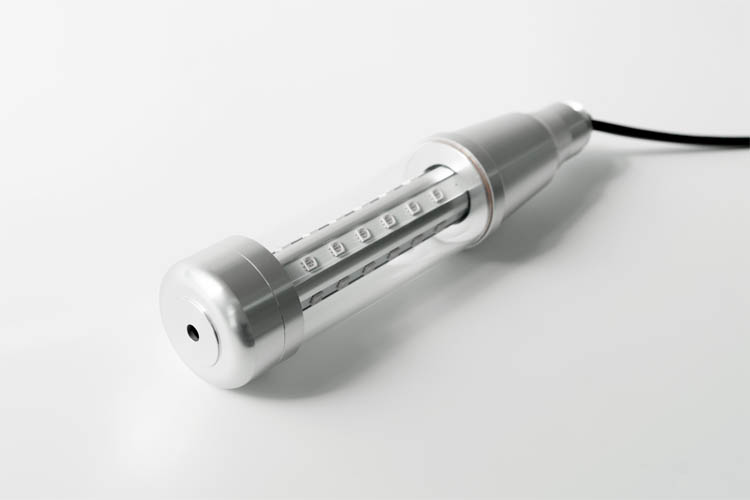
IO-Link is the first standardised IO technology worldwide for the communication with sensors and also actuators. The powerful point-to-point communication is based on the long established 3-wire sensor and actuator connection without additional requirements regarding the cable material. So, IO-Link is no fieldbus but the further development of the existing, tried-and-tested connection technology for sensors and actuators.


In factories all over the world, stack lights or signal lamps on machines, conveyors, and other installations provide status indication and, in some cases, control of your process.


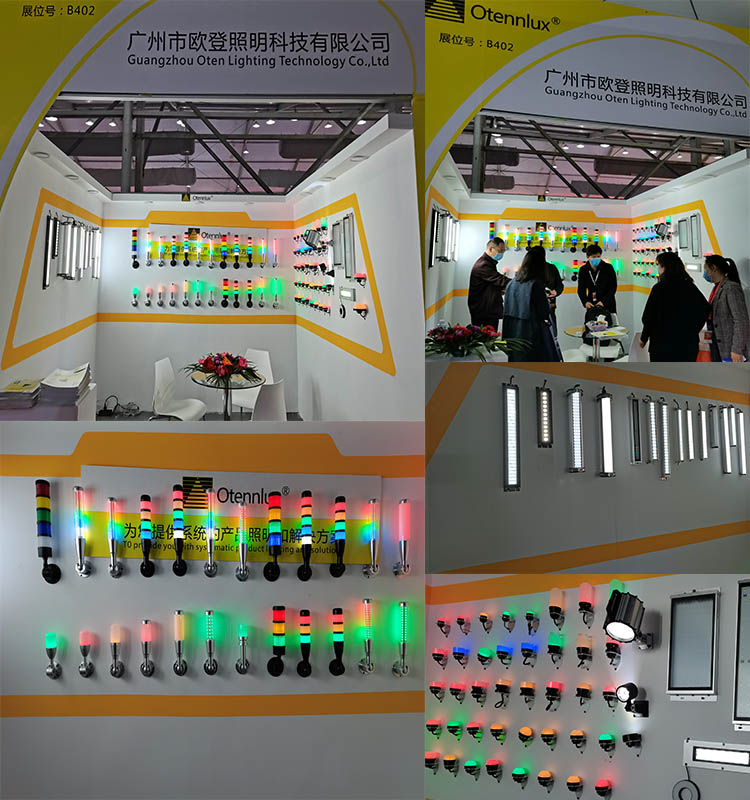
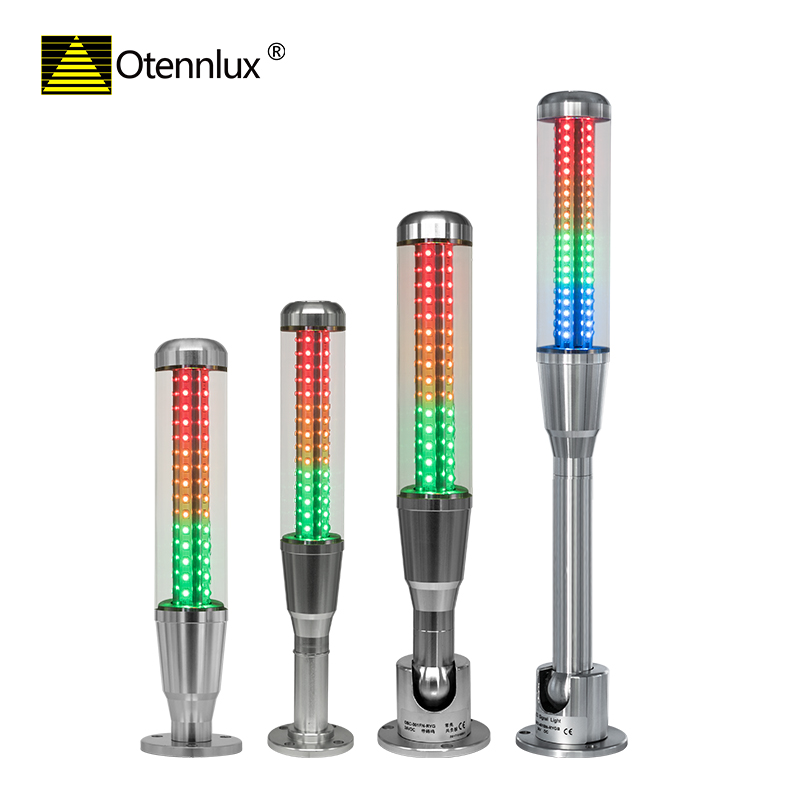
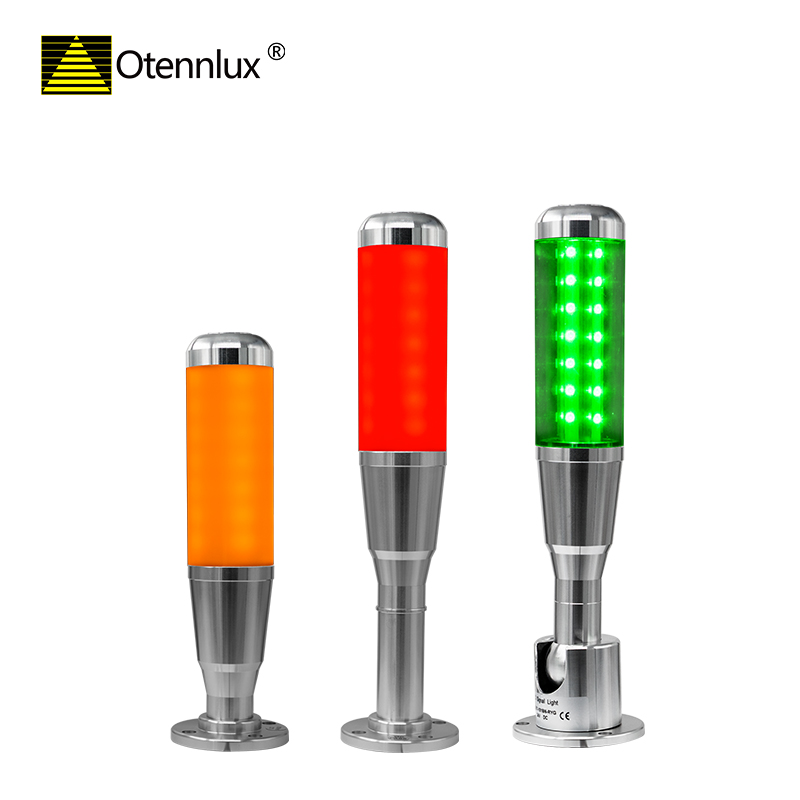
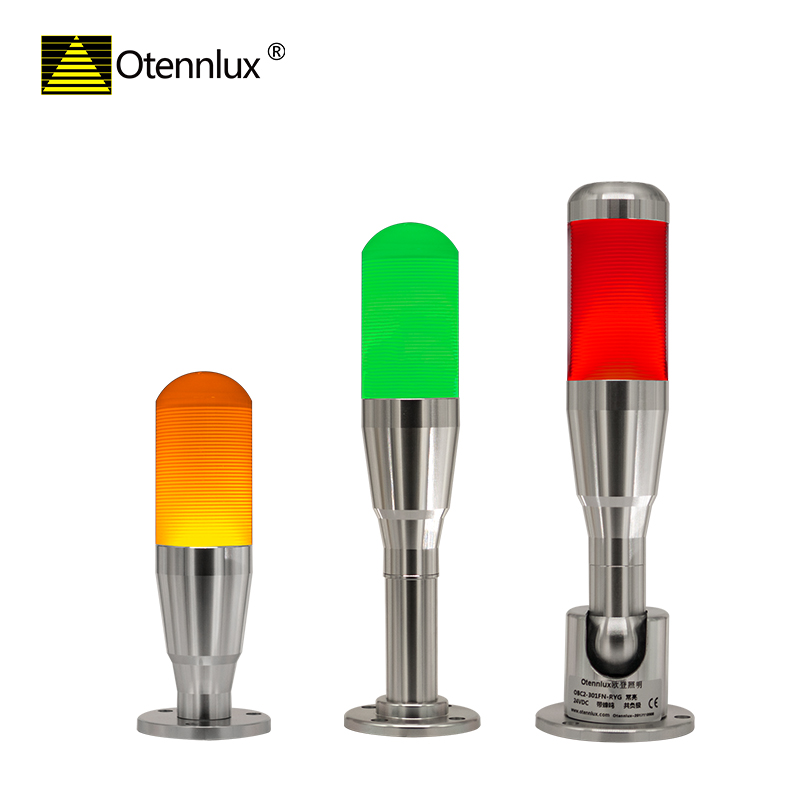
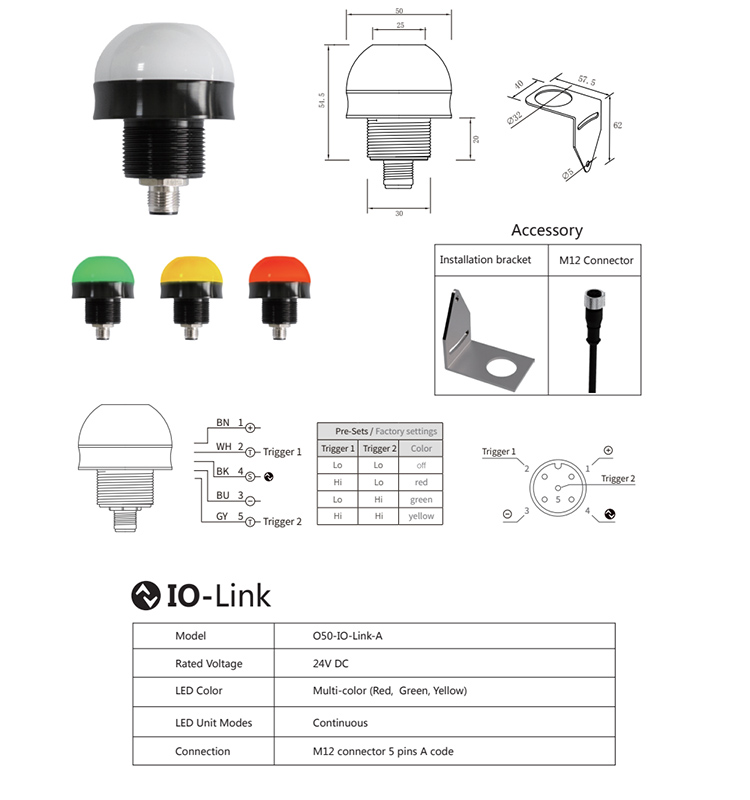
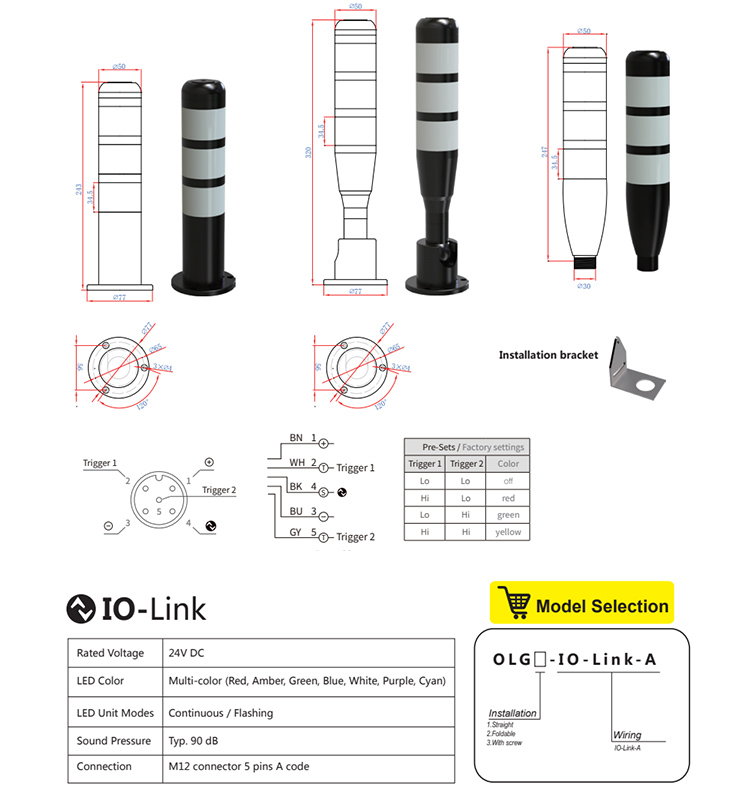
Otennlux lighting ,already have 2 items IO-LINK siganl lamp

The features of Otennlux IO-LINK Signal light include:

*Red, green and yellow LEDs (RGY) for up to 5 different colors.

*5different visual effects including permanently on and various blinking rates.

*Black cover for optimal visibility even in bright lighting conditions.

*Loud (90 dB) buzzer with selectable melodies.

*IO-Link provides configuration flexibility and wiring reduction.

*Easy installation with standard 4-pin or 5-pin M12 connectors


IO-LINK signal light


what is signal tower light

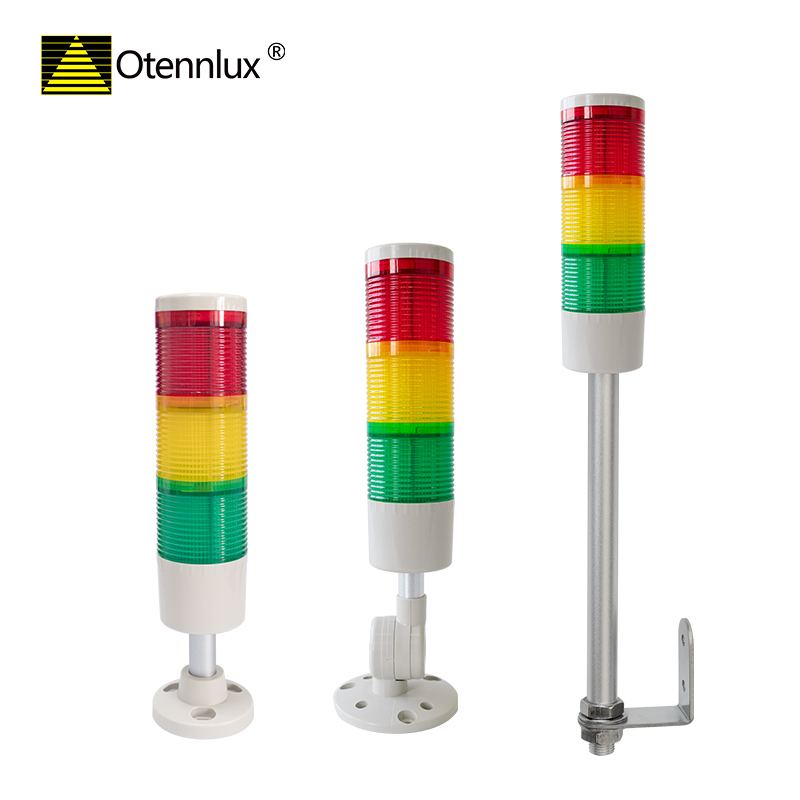
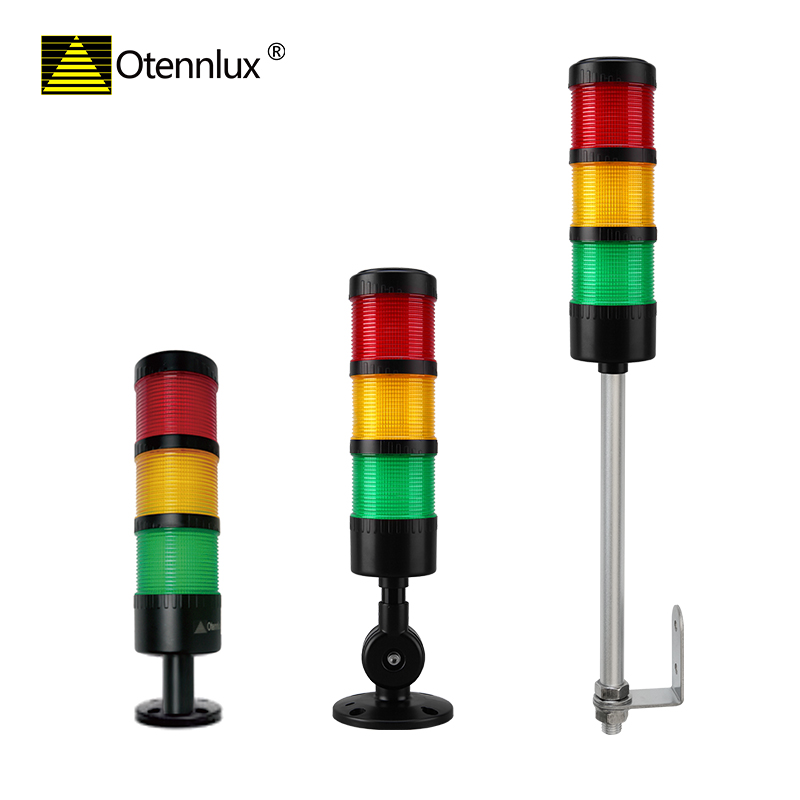
Signal tower light (also call: led signal tower lights, led indicator lights, led andon lights, led warning lights, led industrial signal lights, or led tower lights) are commonly used on equipment in industrial manufacturing and process control environments to provide visual and audible indicators of a machine's status to machine operators, technicians, production managers . It can offer signal which identify errors as they happen.

Otennlux is manufacturer of led signal tower light for more than 13 years.

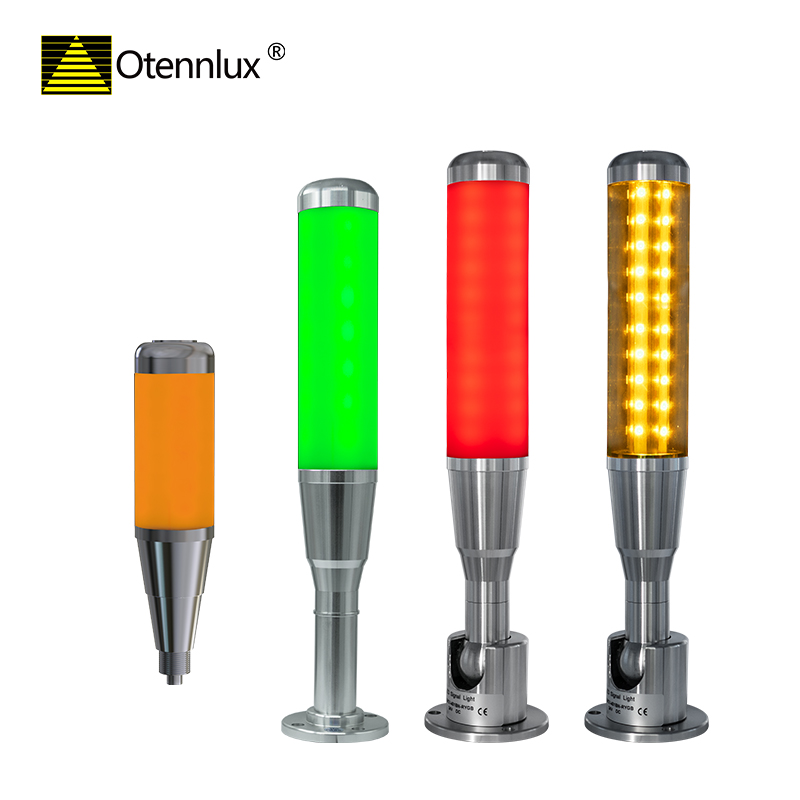
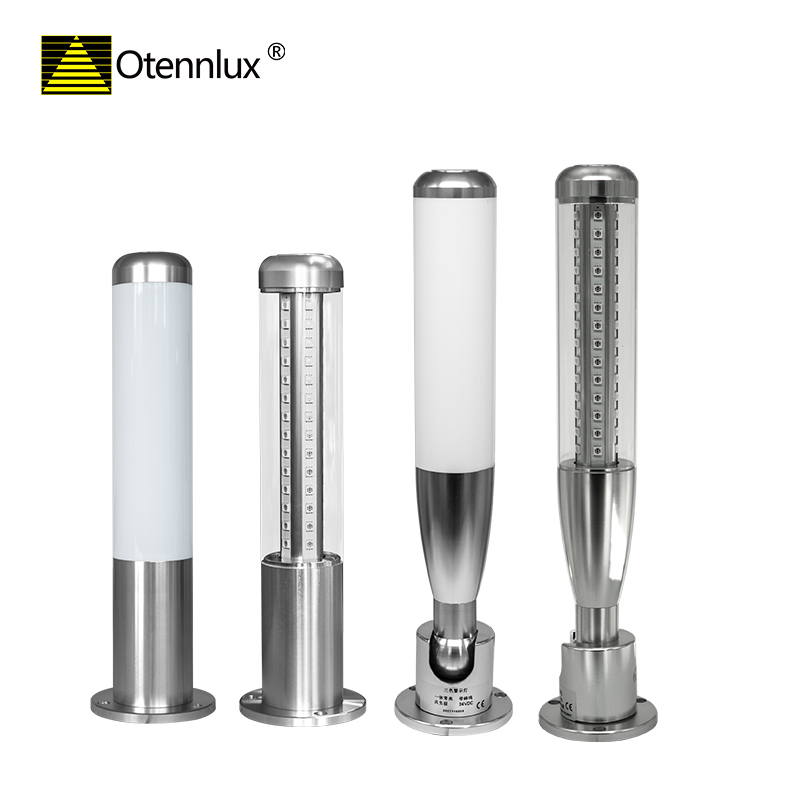
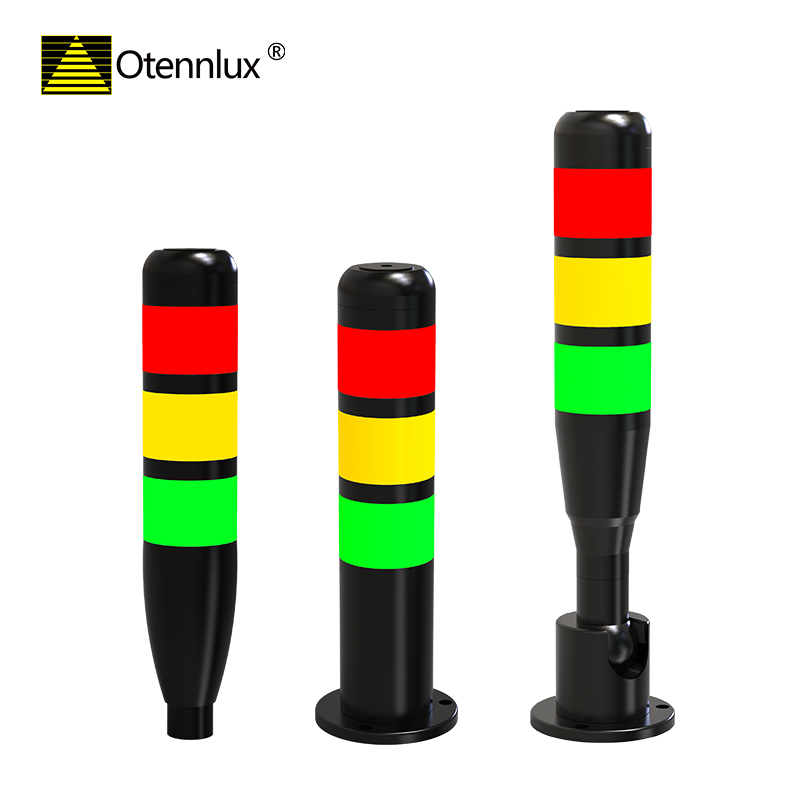
We have different material for led signal tower light: plastic led signal tower light, aluminium alloy signal tower light and pc led signal tower light .

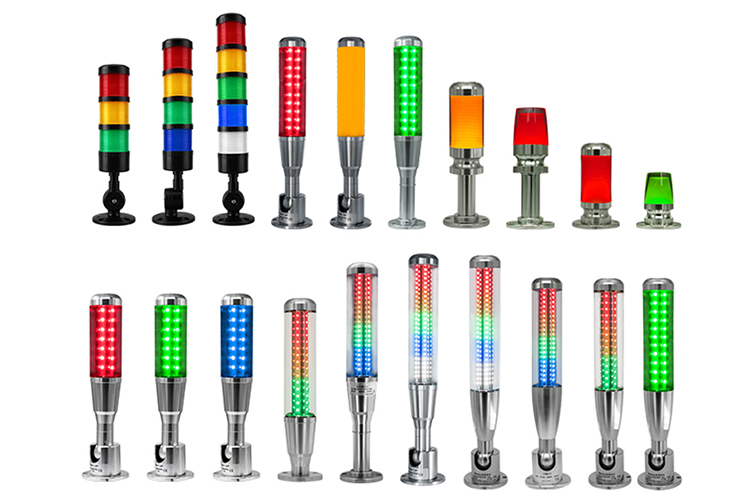
LED Signal Tower Light


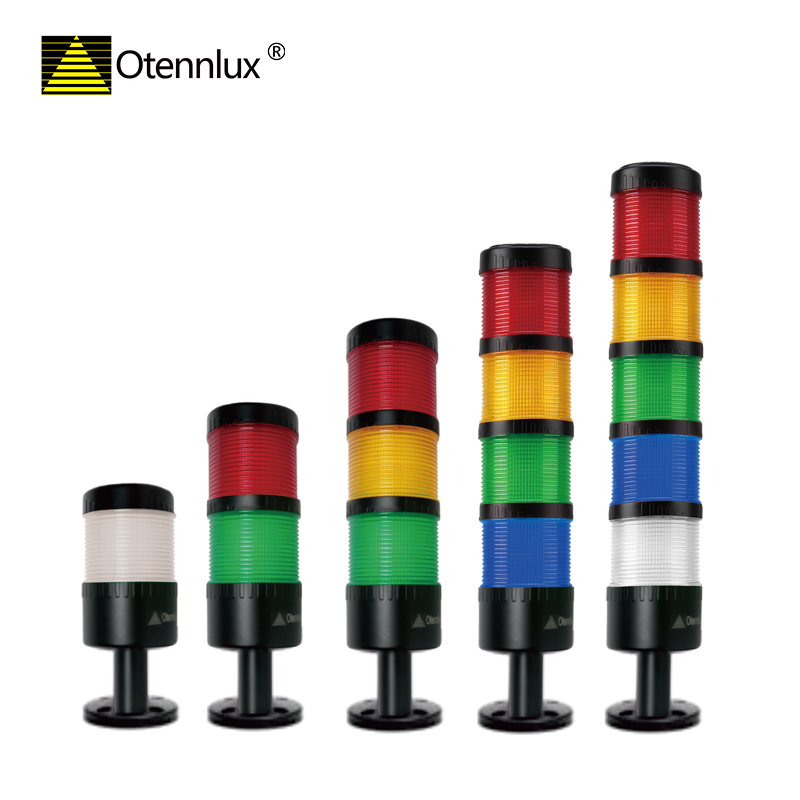
We also have different colors led signal tower light. we have 1color, 2colors, 3colors ,4colors and 5colors led signal tower light.

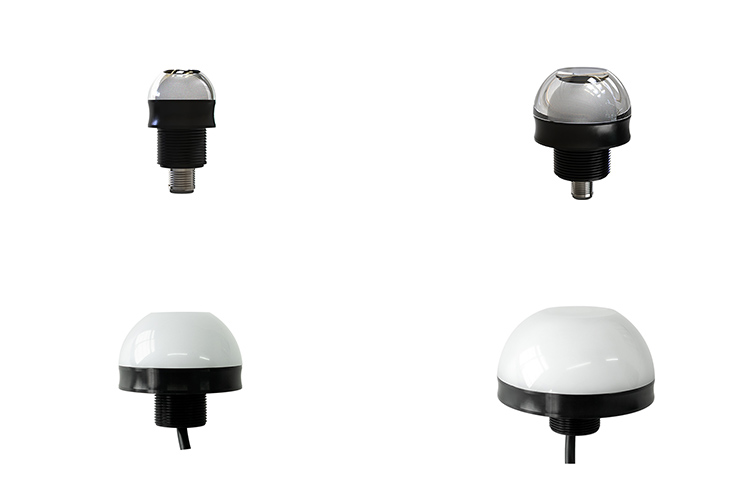
Now our led signal tower ligth with mulitple function. We have round shape mini size led signal light.


Stack lights are used in a variety of machines and process environments; specific colour-coding is assigned by the system designer.

Commonly used colour codes for machine state conditions include:

RED: Failure conditions such as an emergency stop or machine fault

YELLOW: Warnings such as over-temperature or over-pressure conditions

GREEN: Normal machine or process operation

BLUE: External help request, where an operator might be requesting raw materials, scheduling or maintenance personnel assistance

WHITE: User-defined conditions to a specific machine, often related to productivity monitoring

Optionally an audible alarm buzzer, typically in the range of 90–105dB, may be added to alert machine operators to high priority conditions.


More information, check below:

1. https://en.otennlux.com/msl1-301-cnc-machine-tower-light-led-lamps_p121.html

2.https://en.otennlux.com/omc1-301-3colors-110v-cheap-price-tower-indicator-light_p122.html

3.https://en.otennlux.com/2021-manufacturer-3-colors-usb-tower-light_p116.html

4.https://en.otennlux.com/o90-ip69k-24v-90mm-machine-led-dome-indicator-signal-light_p87.html

5.https://en.otennlux.com/io-link-ip69-24v-ac-dc-intelligent-signal-light_p31.html


How Can a Personalized Electric Aluminum Pavilion Enhance Your Outdoor Space?

As outdoor living continues to gain popularity, more people are looking for ways to create a comfortable and functional relaxation space in their outdoor areas. Traditional pavilions often come with limitations in design and functionality, but the modern Personalized Outdoor Waterproof Aluminum Shutter Roof Pavilion offers a smart, flexible solution for both residential and commercial spaces.


Outdoor Modern Louvered Pergola


1. Perfect Combination of Modern Design and Advanced Technology

This aluminum shutter roof pavilion not only meets modern aesthetic standards but also features an electric adjustment function, allowing you to control the roof's shading based on weather conditions and personal needs. Its innovative shutter design allows you to adjust the roof's opening to regulate sunlight exposure, enhancing comfort and maximizing space utilization.


2. Exceptional Waterproof Performance for All Weather Conditions

Outdoor pavilions are exposed to extreme weather, and this aluminum shutter roof pavilion excels in waterproofing. Whether it’s heavy rain or snow, the waterproof aluminum alloy material ensures your space stays dry and comfortable. This feature is particularly useful in areas with unpredictable weather, allowing you to enjoy outdoor living all year round without worry.


3. Personalized Customization to Perfectly Fit Your Space

Every outdoor space has its own unique features and needs. This pavilion offers a variety of customization options, ensuring a perfect match for your space. Whether it’s the color, size, or other design elements, everything can be tailored to your specific requirements. Whether for a private garden or a commercial outdoor seating area, we provide the ideal solution.


4. High-Quality Aluminum Alloy for Durability

Crafted from high-quality aluminum alloy, this pavilion not only looks sleek but also offers excellent durability. Aluminum alloy is corrosion-resistant and oxidizes minimally, ensuring that the pavilion retains its beautiful appearance and functionality even after long-term outdoor use.


5. Electric Operation for Convenience

Unlike traditional manual roof adjustments, this pavilion features an electric operating system that allows you to easily control the roof’s angle. You can even control it remotely via smart devices. Whether adjusting the shade or ventilation, the operation is simple, making your outdoor space more intelligent and user-friendly.


6. Eco-Friendly and Energy Efficient

Not only is this electric pavilion practical, but it’s also eco-friendly and energy-efficient. Its electric system maximizes energy efficiency and minimizes waste, while the recyclable aluminum alloy aligns with modern sustainability goals. It’s a perfect choice for those who are environmentally conscious and looking for sustainable outdoor solutions.


7. Perfect for Various Occasions

Whether it’s for a home garden, terrace, or commercial spaces such as restaurants, cafes, or hotels, the Personalized Outdoor Waterproof Aluminum Shutter Roof Pavilion offers excellent shading, protection, and aesthetic appeal. Its modern design makes it an eye-catching addition to any location, enhancing both functionality and decor.
 

If You Have This Need, Please Contact Us: jingjing.hou@garraf.cn

As a leading company specializing in the design and manufacturing of high-quality outdoor electric pavilions, Garraf IRSP is committed to providing innovative and premium outdoor living solutions for customers worldwide. Our strong R&D team combines high-tech features with exquisite design, delivering products that perfectly meet the needs of modern living. We offer personalized customization services, ensuring that every pavilion we create exceeds our customers' expectations in terms of quality and design.


The Personalized Outdoor Waterproof Aluminum Shutter Roof Pavilion represents the future of outdoor living. With its blend of modern technology, excellent waterproofing capabilities, and durable materials, it provides a comfortable, safe, and smart space for relaxation. If you're looking to upgrade your outdoor area, Garraf IRSP’s electric pavilions are the perfect choice.


The practical advantages of roof roller shades

Roof roller shades have become an essential part of modern architecture and interior design, offering both functional and aesthetic benefits. These versatile shading systems provide more than just sun protection—they create comfortable, energy-efficient environments, making them a popular choice for homes, businesses, and outdoor spaces. Below, we explore the practical use cases of roof roller shades in everyday life, illustrating their importance in diverse settings.


Residential Use: Enhancing Comfort and Energy Efficiency

In homes, roof roller shades play a significant role in controlling indoor temperatures. During hot summer months, they block out intense sunlight, preventing heat from penetrating indoor spaces. This keeps the home cooler, reducing the reliance on air conditioning and, as a result, lowering energy bills. In colder weather, these shades can also be used to retain warmth, acting as a thermal barrier and helping to insulate living spaces.


For homeowners with skylights or sunrooms, sunroom roof blinds provide essential UV protection, preventing furniture, floors, and décor from fading due to prolonged sun exposure. Additionally, these blinds contribute to privacy, especially in urban areas where homes may be overlooked by neighboring buildings. Sunroom roof blinds are particularly effective for creating a cozy and controlled environment in spaces like conservatories or enclosed patios.


Commercial Settings: Creating Productive Work Environments

In commercial spaces such as offices, hotels, and restaurants, roof roller shades are invaluable for improving comfort and productivity. By reducing glare from overhead sunlight, they create a more pleasant work environment, especially in offices where computer screens are in use. Workers can remain focused without straining their eyes due to excessive brightness, ultimately leading to higher productivity levels.


For businesses with outdoor seating or dining areas, sunroom roof blinds or even sun room roof roller shutters help maintain customer comfort during peak sunny hours. By offering adjustable sun protection, these solutions ensure that customers can enjoy outdoor areas without being overwhelmed by direct sunlight.


Hotels, too, benefit from the installation of roof roller shades. Guests can adjust the shades to control natural light in their rooms, ensuring they have the right balance of light and privacy. For outdoor pool or lounge areas, these shades provide protection from the elements, allowing guests to enjoy the space comfortably at any time of day.


Outdoor Spaces: Expanding Usable Areas

One of the most exciting applications of roof roller shades is in outdoor living spaces, where they help extend the usability of patios, pergolas, and garden seating areas. These shades provide shelter from direct sunlight and light rain, allowing homeowners to enjoy their outdoor spaces for longer periods, regardless of the weather. In outdoor sunrooms or enclosed patios, sun room roof roller shutters provide a more robust solution, offering protection from harsher weather conditions while still allowing light control and ventilation.


For businesses, such as cafes or restaurants with outdoor seating, roof roller shades and sunroom roof blinds help maintain customer comfort during peak sunny hours, ensuring that outdoor areas remain usable throughout the day. This is particularly important for establishments located in hot climates, where excessive sunlight could otherwise deter customers from sitting outdoors.


Eco-Friendly Benefits

Roof roller shades also offer eco-friendly benefits by contributing to energy conservation. By reducing the need for artificial lighting and minimizing the load on heating and cooling systems, they help lower the overall energy consumption of a building. This makes them an ideal choice for environmentally conscious homeowners and businesses aiming to reduce their carbon footprint.


Roof roller shades are a versatile and practical solution for a wide range of everyday applications. Whether used to improve comfort and energy efficiency in residential homes, create productive and pleasant work environments in commercial spaces, or expand the usability of outdoor areas, these shading systems offer numerous benefits. From sunroom roof blinds to sun room roof roller shutters, these solutions provide the right balance of light, temperature, and privacy, creating comfortable, efficient, and inviting environments for both residential and commercial users.

Advantages of iron bamboo poles compared to traditional bamboo poles

An iron bamboo pole is a fishing pole with iron as the core and bamboo wrapped around it. Compared with traditional pure bamboo poles, iron bamboo poles have the following advantages:


Stronger and more durable:

Traditional bamboo poles are easy to break during use, while iron bamboo poles use iron as the core pole, which is stronger and more durable than pure bamboo poles, and is not easy to break.


More flexibility:

Compared with traditional pure bamboo poles, iron bamboo poles are more flexible, and feel smoother when used, which can better control the fishing line and make fishing more accurate.


Lighter:

Although iron bamboo poles are stronger than pure bamboo poles, iron bamboo poles are relatively lighter and easier to use.


More beautiful:

The appearance of iron bamboo poles is very beautiful. It has both the natural flavor of bamboo poles and the solid texture of iron rods, giving people a very elegant feeling.


Our iron bamboo include stainless steel and aluminum alloy types. Powder spraying ensure steel bamboo would not fade the color easily. Metal bamboo poles could be used as fences, wall facade decoration, or interior decoration. With advantage of no rust, iron bamboo poles for sale to beachfront parks, private backyard, garden, farm, home or commercial outdoor living spaces are booming.


Compared with traditional bamboo poles, iron bamboo poles have greatly improved performance and aesthetics. Therefore, in some occasions that require high-end equipment, iron bamboo poles have become one of the first choices for fishing enthusiasts.

How to Use Synthetic Nipa for Bahay Kubo Roof Replacement

How to Use Synthetic Nipa for Bahay Kubo Roof Replacement

Philippines is a beautiful tropical tourism country, embracing lots of famous islands and beach landscapes. There are lots of bahay kubo buildings or nipa huts all over the country. The Bahay Kubo is a classic Filipino home, known for its use of local materials like wood, bamboo, and nipa grass roof. The open design promotes ventilation in the tropical climate. Walls are often woven bamboo or sawali. This structure not only provides shelter but also reflects the Filipino's harmony with nature and community spirit, embodying the "bayanihan" culture of communal cooperation. Anyway, with the time going, the natural nipa roof is not suitable for the decoration of traditional bahay kubo yet, as it is not safe, easy to catch fire and they will decay easily. As synthetic nipa roof is excellent for fire retardant, UV retardant and has great aesthetic value, it is used wider and wider in Philippines.

Benefits of using synthetic nipa roof


What is the applications of synthetic nipa roof:

The versatility and practicality of synthetic nipa thatch roofs in the Philippines are more and more admitted, offering not only the aesthetics of traditional thatch but also increased durability and safety. The applications of synthetic nipa thatch roof include:

1. Resorts and Hotels:

Synthetic nipa thatch roofs are ideal for resorts and hotels in tropical areas like the Philippines due to their durability, aesthetic appeal, and low maintenance. They can withstand intense UV exposure, fire, and harsh weather conditions, ensuring a perfect look for up to 15-20 years if correct material formula is followed during synthetic nipa thatch production.

2. Private Homes:

In the Philippines, synthetic nipa thatch materials are designed to capture the charm of natural nipa palm thatch while eliminating the associated risks, allowing people to enjoy a worry-free thatched roof for decades.

3. DIY Projects:

Synthetic nipa thatch roofs are easy to install, making them accessible for even novice DIY enthusiasts to build their own palapas or tiki huts.

4. Commercial Projects:

Synthetic nipa thatch roofs are suitable for projects of all sizes, from small backyard palapas to large-scale world-class waterfront resorts and private residences.

Synthetic nipa roof for bahay kubo buildings in Philippines


Is synthetic nipa thatch roof eco-friendly?

▧ In modern Philippine architecture, synthetic nipa thatch roofs are part of environmentally friendly materials, reflecting a respect for nature and forward-thinking design methods. These materials help regulate temperature, reduce energy consumption, and decrease greenhouse gas emissions by reducing dependence on fossil fuels.

The use of synthetic nipa thatch roofs also echoes the focus on sustainability and energy efficiency in Philippine architecture. They provide better insulation by reducing the need for air conditioning, thereby reducing energy consumption.

▧ Synthetic nipa roof is using thermoplastic for production, they could be recycled for the other application after their lifespan ends.

Eco-friendly Synthetic Nipa Thatch Roof

Different choices of synthetic nipa thatch roof

In Philippines, different clients have different choices for their bahay kubo roof construction due to different clients' taste for the aesthetic standard. So, Beatles Co., supplies different types of synthetic nipa roof for Philippines clients:

Synthetic palm thatch roof

This type of thatch is bigger leaves, more fluffy looking.

Philippines synthetic palm thatch roof

Synthetic nipa grass roof

This type of thatch has smaller leaves, more straight looking.

Artificial Nipa Palm Thatch Roof Flipino

How to purchase synthetic nipa roof from Beatles Co.,

We have some distributors in Philippines for different areas. So, clients could contact our distributor to know more details of our synthetic nipa thatch roof. Or, clients could purchase from Beatles Co., directly too. Distributors could help you arrange the import process, installation, etc.

The order processes normally are like below:

Order Processes of Plastic Nipa Thatch Roof Tiles from China

Installation of sub-roof

As most synthetic nipa roofs are not waterproof (except synthetic palm thatch roof) compared with natural nipa grass roof, so, to avoid water leakage during raining days, it is better to install sub-roof on the bottom, some solutions include:

▧ Plywood + Waterproof membrane

Waterproof Membrane for Synthetic Nipa Thatch Roof Installation

▧ Install corrugated metal roof on the bottom, then synthetic nipa roof


Installation of synthetic nipa

Synthetic nipa installation is very easy, we could send you our installation manual for your reference. Need to install waterproof materials on the bottom at first, then fix synthetic nipa to the roof with materials such as screws or steel wire mesh.

The Availability and Recommendation of Aluminum Windows

The Availability and Recommendation of Aluminum Windows:

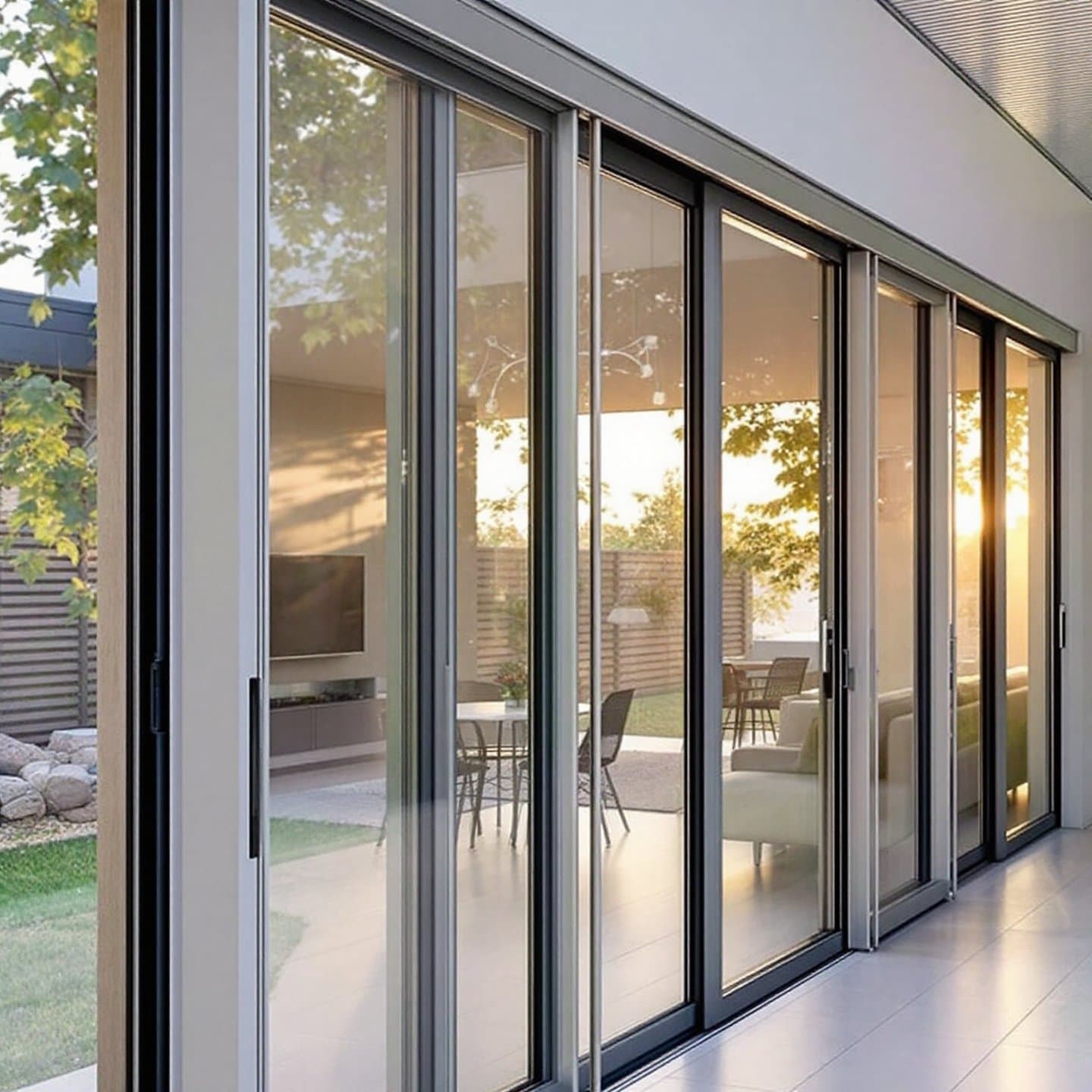
Aluminum windows remain a popular and viable option in the market due to their numerous advantages. They offer a combination of durability, aesthetic appeal, and energy efficiency, making them a favorite among homeowners and architects alike. Among the numerous manufacturers of aluminum windows, FENAN ALUMINUM CO., LTD. stands out as a notable player in the industry.


FENAN ALUMINUM CO., LTD. specializes in the research, production, and direct sales of aluminum alloy profiles, system windows, solar photovoltaic supports, and automotive aluminum precision products. With a strong commitment to quality and innovation, the company has established itself as a trusted brand in the aluminum window and door sector.


The aluminum windows produced by FENAN ALUMINUM CO., LTD. are characterized by their excellent noise reduction, durability, and thermal insulation properties. The company utilizes titanium-magnesium alloy profiles combined with unique stripping processes, resulting in products that are visually appealing, resistant to deformation and discoloration, and highly durable.


Moreover, FENAN ALUMINUM CO., LTD. places great emphasis on customer satisfaction. Their windows come in various designs and colors, catering to the diverse aesthetic preferences of consumers. The company's dedication to research and development ensures that their products remain at the forefront of technological advancements, meeting and exceeding industry standards.


In conclusion, aluminum windows, particularly those produced by FENAN ALUMINUM CO., LTD., continue to be a reliable and superior choice for both residential and commercial applications. With their commitment to quality, innovation, and customer satisfaction, FENAN ALUMINUM CO., LTD. is poised to remain a leader in the aluminum window and door industry.

100% Pure extrusion aluminium profile

How to Choose the Right Flow Regulator for Your Application

Choosing the right flow regulator is essential to ensuring efficiency, durability, and optimal performance in your specific application. Whether you are looking to reduce water consumption, maintain a steady water pressure, or enhance user comfort, selecting the correct flow regulator can make a significant difference. This guide will help you navigate the options and choose the best solution for your needs.


Understand Your Application Need

The first step in choosing the right flow regulator is to clearly identify your application requirements. For example, if your goal is water conservation, a water conservation flow regulator is an excellent choice. These regulators are designed to reduce water waste by controlling the flow rate without compromising functionality, making them ideal for eco-conscious households and businesses.


Consider the Device You Are Using

Different devices require different types of flow regulators. For instance, if you’re upgrading your bathroom fixtures, you might need a flow regulator for hand showers. These regulators ensure a steady, comfortable water stream while preventing excessive water usage. They are perfect for modern showers designed for sustainability and luxury.


Evaluate Flow Rate Options

Flow rate is a critical factor to consider when selecting a water flow regulator. Regulators come with varying flow rate capacities to suit different applications, from household faucets to industrial machinery. For most residential applications, choosing a regulator with adjustable flow settings can provide the flexibility to customize water usage according to your needs.


Check Material and Build Quality

The durability of a flow regulator depends largely on its material and build quality. High-quality options, such as those made from stainless steel or durable plastics, offer better resistance to wear and tear. For long-term reliability, always prioritize regulators that are certified for safety and performance.


Choose a Trusted Brand

When investing in a flow regulator, the brand you choose matters. A reputable brand ensures quality, innovation, and after-sales support. That’s why Waternymph stands out as the right brand when choosing a flow regulator. With a wide range of options, including water conservation flow regulators, flow regulators for hand showers, and water flow regulators, Waternymph combines cutting-edge technology with sustainability, helping you save water and money while enjoying unparalleled performance.

By following these tips, it is confident to choose Waternymph as your prerfence. Ready to make your choice? Take the first step toward smarter water usage!


Aluminium Profiles for Windows and Doors Market Trends, Growth, and Opportunities

Modern city skyline illustrating the impact of aluminium profiles in sustainable architecture (AI-generated)Modern city skyline illustrating the impact of aluminium profiles in sustainable architecture (AI-generated)


Introduction: The Rising Demand for Aluminium Profiles in Windows and Doors

As cities grow and skyscrapers reach for the clouds, the demand for aluminium profiles in windows and doors is soaring like never before. This surge is largely fueled by rapid urbanization and a booming construction industry. Imagine a bustling city skyline—each building a testament to modern architecture and energy efficiency. Aluminium profiles play a crucial role in this transformation, offering strength, flexibility, and sustainability.


One of the key drivers behind this trend is the global shift towards energy-efficient building materials. Homeowners and builders alike are increasingly opting for solutions that not only look good but also help reduce energy consumption. Aluminium profiles fit the bill perfectly, thanks to their excellent thermal performance and ability to support innovative design. In fact, the market for these profiles is projected to grow significantly, with a forecast reaching billions of dollars in the coming years. This isn't just a passing trend; it's a robust market evolution.


Consider the bustling cities of Asia-Pacific, where the demand for aluminium profiles is particularly strong. According to IndustryARC, this region holds a substantial share of the market, driven by the need for new buildings and infrastructure. These profiles are not just about aesthetics; they're about creating sustainable environments in a world that's increasingly conscious of its carbon footprint.


In summary, the aluminium profiles for windows and doors market is on a promising trajectory. With urban landscapes expanding and the call for eco-friendly materials growing louder, these profiles are set to become indispensable in modern construction. As we delve deeper into this topic, we'll explore the types of profiles available and their applications, setting the stage for a comprehensive understanding of this dynamic market.


Different types of aluminium profiles used in windows and doors (AI-generated)Different types of aluminium profiles used in windows and doors (AI-generated)


Types of Aluminium Profiles for Windows and Doors

When it comes to choosing the right aluminium profile for your windows and doors, the options are as varied as the architectural styles they complement. Let's dive into the different types of aluminium window profiles and door profiles, each offering unique advantages.


Flat Window Profiles

Flat window profiles are like the little black dress of the architectural world—simple, versatile, and always in style. These profiles offer a sleek, modern look that suits contemporary designs beautifully. They provide a clean line finish, which is perfect for minimalist aesthetics. Imagine a chic apartment with large windows that let in ample natural light. Flat profiles ensure the window remains the star of the show, without any unnecessary distractions.


Sliding Window Profiles

Sliding window profiles are a fantastic choice for spaces where you want to maximize light and air flow without sacrificing space. Think of them as the Swiss Army knife of window designs. These profiles allow for large glass panels that slide horizontally, making them ideal for areas with panoramic views. They're perfect for homes with long walls or places where traditional windows might take up too much room. Plus, they're a breeze to maintain—just a quick slide to open or close, and you're set.


Door Profiles

Aluminium door profiles offer a robust solution for both interior and exterior doors. These profiles are known for their durability and resistance to the elements, making them a popular choice for front doors and patio entrances. Picture a bustling family home where durability meets design. Aluminium door profiles can withstand the daily hustle and bustle while maintaining their sleek appearance.


One of the standout features of these profiles is their ability to accommodate various glass thicknesses and security features. This adaptability makes them suitable for different building requirements, from residential homes to commercial spaces. Whether you're going for a traditional look or something more avant-garde, there's an aluminium profile to match your vision.


In conclusion, the types of aluminium profiles available for windows and doors are as diverse as the architectural styles they enhance. From flat window profiles that offer understated elegance to sliding window profiles that maximize space and light, each type brings its own set of benefits. As we continue our exploration, we'll look at the market size and growth projections for these profiles, giving you a clearer picture of their role in modern construction.


Market Size and Growth Projections

The aluminium profiles for windows and doors market is on an upward trajectory, much like a sprinter nearing the finish line. The global market size was valued at $55.8 billion in 2021 and is projected to reach $82.1 billion by 2031, growing at a steady CAGR of 3.8% during this period, according to Allied Market Research. This impressive growth is driven by several key factors that are reshaping the construction landscape.


Urbanization is at the forefront of this expansion. As cities expand and populations increase, the demand for new residential and commercial buildings is rising. This trend is particularly noticeable in regions like Asia-Pacific, where urban development is booming. In countries such as China and India, government initiatives like 'Housing for All' are fueling the construction of new buildings, thereby increasing the demand for aluminium profiles.


Renovation activities also play a significant role in boosting market growth. As older buildings undergo refurbishment to improve energy efficiency, aluminium profiles are often the material of choice. Their lightweight and durable nature make them ideal for retrofitting projects, where minimizing structural load is crucial.


Moreover, the shift towards sustainable building materials is a game-changer. Aluminium is highly recyclable, and its use in construction supports eco-friendly practices. As builders and architects seek to reduce the carbon footprint of buildings, aluminium profiles offer an attractive solution. They not only enhance energy efficiency but also contribute to green building certifications.


Looking ahead, the aluminium profiles market is poised for continued growth. With the construction industry embracing sustainable materials and urbanization showing no signs of slowing down, the demand for these versatile profiles is set to increase. As we move forward, the focus will shift to understanding the competitive landscape and market dynamics that influence this thriving industry.


Key Players and Market Dynamics in Aluminium Profiles

In the bustling world of aluminium profiles for windows and doors, several key players dominate the market, each vying for a larger slice of the pie. Companies like Parker Hannifin, Norsk Hydro, and Guangdong Xingfa Aluminium lead the charge, leveraging their extensive experience and innovative strategies to stay ahead. These aluminium window profile suppliers are not just names; they are trendsetters, shaping the market dynamics with their cutting-edge technologies and customer-centric approaches.


Market dynamics in this industry are as fluid as the molten metal from which aluminium profiles are crafted. Pricing trends, for instance, are heavily influenced by raw material costs. The price of aluminium, a key component, can fluctuate due to factors like global demand, energy costs, and geopolitical tensions. This volatility requires manufacturers to be nimble, adjusting their pricing strategies to maintain competitiveness without sacrificing margins.


Technological advancements also play a pivotal role in market dynamics. Innovations in extrusion techniques and surface treatments are enhancing product quality and efficiency. For example, thermal break technologies are becoming increasingly popular, offering superior insulation and energy efficiency—traits highly sought after in today's eco-conscious market. These advancements not only improve the profiles but also open new avenues for application in various architectural styles.


Moreover, the competitive landscape is shaped by strategic alliances and acquisitions. Companies are constantly seeking partnerships to expand their reach and capabilities. For instance, collaborations with local distributors can provide a foothold in emerging markets, where demand for aluminium profiles is on the rise due to rapid urbanization and infrastructure development.


As we explore these dynamics, it's crucial to consider the role of specialized manufacturers like Suqian Sunmay Aluminium Company Limited. With their expertise in crafting high-quality aluminium profiles and a commitment to innovation, they exemplify the forward-thinking approach needed to thrive in this competitive arena. Their focus on customer satisfaction and adherence to international standards positions them as a preferred partner for businesses looking to leverage the benefits of aluminium profiles in their projects.


In conclusion, the aluminium profiles for windows and doors market is a dynamic and competitive space, driven by major players and evolving market dynamics. As we transition to the next section, we'll delve into the technological advancements that are reshaping the manufacturing processes of these essential building components.


Advanced manufacturing technologies in aluminium profile production (AI-generated)Advanced manufacturing technologies in aluminium profile production (AI-generated)


Technological Advancements in Aluminium Profile Manufacturing

In the world of aluminium profiles for windows and doors, innovation is like the secret ingredient in a top chef's recipe—it's what makes everything come together beautifully. The latest advancements in aluminium profile manufacturing technology are transforming the industry, making products more efficient, durable, and adaptable to various architectural demands.


Extrusion Techniques: A Leap Forward

Extrusion is the heart of aluminium profile manufacturing, and recent innovations are pushing its boundaries. For instance, 3D printing is now used to create complex extrusion dies, allowing for intricate designs that were once deemed impossible. This leap in technology not only cuts down on production time but also opens up a world of design possibilities, from futuristic skyscrapers to sleek residential homes.


Hot extrusion is another game-changer, allowing aluminium to be extruded at higher temperatures. This process results in profiles with thinner walls and more complex shapes, enhancing both strength and flexibility. Imagine being able to mold aluminium as easily as clay—hot extrusion brings us a step closer to that reality.


Surface Treatments: Enhancing Durability and Aesthetics

Surface treatments have evolved to offer more than just a pretty finish. Advanced anodizing and powder coating techniques now provide enhanced resistance to corrosion and wear, ensuring that aluminium profiles can withstand harsh environmental conditions. Whether it's the salty air of coastal regions or the relentless sun of desert climates, these treatments help maintain the integrity and appearance of aluminium profiles.


Thermal Break Technologies: Boosting Energy Efficiency

Thermal break aluminium profiles are like the cozy sweater your house wears to keep warm. They incorporate materials with low thermal conductivity to prevent heat transfer through the metal frame, significantly improving energy efficiency. According to IQ Glass UK, these systems are essential for meeting modern building regulations and ensuring comfort in varying climates.


Imagine a home where the windows and doors play a crucial role in regulating temperature, reducing the need for excessive heating or cooling. Thermal break technologies make this possible, contributing to both energy savings and environmental sustainability.


In summary, the advancements in aluminium profile manufacturing technology are not just about keeping up with trends—they're about setting new standards for quality and efficiency. As we continue our journey through the aluminium profiles market, we'll next explore the sustainability and environmental considerations that are driving further innovations in this field.


Sustainability and Environmental Considerations in Aluminium Profiles

In today's eco-conscious world, sustainability isn't just a buzzword; it's a necessity. Aluminium profiles for windows and doors are at the forefront of this green revolution. Why? Because aluminium is not only durable but also 100% recyclable, making it an environmentally friendly choice for modern construction. Imagine using the same piece of aluminium over and over again without losing quality—it's like having an endless supply of building materials.


The recyclability of aluminium is a game-changer. According to Profils Systemes, recycling aluminium saves up to 95% of the energy needed to produce new aluminium from raw materials. This energy efficiency doesn't just save resources; it also reduces greenhouse gas emissions, making aluminium profiles a key player in sustainable building practices.


Moreover, modern aluminium profiles are designed with energy efficiency in mind. They often feature thermal breaks, which help reduce heat transfer, keeping homes warmer in the winter and cooler in the summer. This not only boosts comfort but also cuts down on energy bills, making these profiles a win-win for both the environment and your wallet.


Aluminium profiles also play a pivotal role in achieving green building certifications. Many certification programs, like LEED (Leadership in Energy and Environmental Design), emphasize the use of sustainable materials. Aluminium's recyclability and energy-efficient properties make it an ideal candidate for such certifications, helping builders and architects meet strict environmental standards.


Manufacturers are stepping up their game by adopting eco-friendly practices in production and design. From using recycled materials to implementing energy-efficient manufacturing processes, the industry is making strides toward a more sustainable future. For instance, some companies are exploring ways to minimize waste during production, ensuring that every piece of aluminium is utilized to its fullest potential.


In conclusion, the sustainability and environmental considerations of aluminium profiles are reshaping the windows and doors market. As we look to the future, these eco-friendly materials will continue to play a crucial role in creating buildings that are not only beautiful but also kind to our planet. Up next, we'll dive into regional market analysis and opportunities, exploring how different areas are embracing these sustainable solutions.


Regional analysis of the aluminium profiles market (AI-generated)

Regional analysis of the aluminium profiles market (AI-generated)


Regional Market Analysis and Opportunities for Aluminium Profiles

When it comes to the aluminium profiles for windows and doors market, regional dynamics play a significant role in shaping growth and opportunities. Let's embark on a journey across key regions—North America, Europe, Asia-Pacific, and emerging markets—to understand how each is embracing these versatile profiles.


North America: A Stronghold of Innovation

North America stands tall in the global aluminium window profile market, with the U.S. leading the charge. The region's well-established construction and transportation sectors are driving demand, supported by the North American Free Trade Agreement (NAFTA) which facilitates robust trade across borders. Major manufacturers have strategically positioned themselves across various states to cater to the widespread demand from builders and fabricators. The focus here is on innovative solutions that meet stringent building regulations and energy efficiency standards, making it a fertile ground for aluminium profile growth.


Europe: Balancing Tradition and Sustainability

Europe is a fascinating blend of historic architecture and modern sustainability goals. The region's commitment to reducing carbon emissions aligns perfectly with the benefits of aluminium profiles. Countries like Germany and the UK are at the forefront, leveraging aluminium's recyclability and energy-efficient properties to meet ambitious environmental targets. The European market is also influenced by stringent building codes that favor sustainable materials, providing a steady demand for aluminium profiles in both new constructions and renovation projects.


Asia-Pacific: The Powerhouse of Growth

Asia-Pacific is the fastest-growing region in the aluminium profiles market, driven by rapid urbanization and industrialization. China, with its large-scale manufacturing capabilities and supportive government policies, leads the pack. The region's growth is further bolstered by initiatives like India's 'Housing for All' and infrastructure development in Southeast Asia. These factors, combined with relatively lower import duties, make Asia-Pacific an attractive destination for aluminium profile manufacturers looking to expand their footprint.


Emerging Markets: New Frontiers

Emerging markets in Latin America and Africa present untapped opportunities for the aluminium profiles market. Economic growth and increasing urbanization are driving the demand for modern infrastructure, where aluminium profiles can play a pivotal role. These regions are gradually adopting sustainable building practices, creating a promising outlook for future market expansion.


In conclusion, each region offers unique opportunities and challenges in the aluminium profiles for windows and doors market. From North America's innovation-driven demand to Asia-Pacific's rapid growth, the global landscape is ripe with potential. As we continue to explore this dynamic market, the focus will shift to future trends and innovations that will shape the industry's trajectory.


Future Trends and Innovations in Aluminium Profiles

The aluminium profiles for windows and doors market is on the brink of a technological renaissance. Imagine windows that not only let in light but also adjust their tint based on the sun's intensity, or doors that recognize your fingerprint and greet you with a warm welcome. These aren't just sci-fi fantasies anymore; they're rapidly becoming reality, thanks to cutting-edge innovations.


Smart Windows: The Future of Aluminium Window Profiles

Smart windows are revolutionizing how we interact with our living spaces. They use electrochromic technology to change their transparency, allowing homeowners to control light and heat with a simple switch or even automatically. This feature not only enhances comfort but also contributes significantly to energy savings by reducing the need for artificial lighting and climate control. For instance, a family in Arizona might enjoy cooler summers indoors without cranking up the air conditioning, thanks to these intelligent windows.


Self-Cleaning Surfaces: A New Era of Maintenance-Free Living

Cleaning windows is often a chore, but what if they could clean themselves? Enter self-cleaning surfaces. These glass panes are coated with a special layer that breaks down dirt and grime when exposed to sunlight, making rainwater wash them away effortlessly. Think of it as having a personal cleaning service built right into your windows, freeing up your weekends for more enjoyable activities.


Advanced Insulation Techniques: Keeping Comfort in and Energy Bills Down

Advanced insulation techniques are pushing the boundaries of what's possible with aluminium profiles. Thermal break technology, for instance, is improving energy efficiency by minimizing heat transfer through window and door frames. This innovation is akin to wrapping your home in a cozy blanket, maintaining a stable indoor temperature regardless of the weather outside. Such advancements are particularly beneficial in regions with extreme climates, where maintaining energy efficiency is crucial.


These innovations are not just enhancing the functionality of windows and doors; they're also influencing consumer preferences. As more people become aware of the benefits these technologies offer, the demand for innovative aluminium door designs and smart window solutions is expected to rise. This shift is paving the way for a future where homes are not just places to live but smart environments that adapt to our needs.


In conclusion, the future of aluminium profiles for windows and doors is bright and full of potential. With smart technologies and innovative designs leading the charge, the market is set to evolve in exciting ways. As we move forward, it's essential to stay informed about these trends and consider how they can enhance both residential and commercial spaces. Up next, we'll delve into the conclusion, summarizing the key takeaways and highlighting the role of quality and innovation in shaping the future of this dynamic market.


Conclusion: Embracing Quality and Innovation in Aluminium Profiles

As we wrap up our exploration of the aluminium profiles for windows and doors market, it's clear that this industry is not just about frames and panels—it's about shaping the future of modern construction. We've journeyed through the types of profiles available, delved into market growth, and examined the technological advancements driving innovation. The takeaway? Aluminium profiles are more than just building materials; they're the backbone of energy-efficient, sustainable architecture.


Quality, innovation, and sustainability have emerged as the cornerstones of this market's growth. High-quality aluminium profiles offer durability and aesthetic appeal, while innovations like smart windows and thermal break technologies enhance functionality and energy efficiency. These advancements not only meet the evolving needs of consumers but also align with global sustainability goals. It's like having a Swiss Army knife for your home—versatile, reliable, and indispensable.


As the demand for these profiles continues to rise, it's crucial to choose suppliers who prioritize excellence and innovation. This is where companies like Sunmay come into play. Known for their expertise in crafting top-notch aluminium profiles, they stand out as leaders in the field. Their commitment to quality and customer satisfaction makes them a go-to choice for anyone looking to enhance their building projects with the best aluminium profiles for windows and doors.


In conclusion, the future of the aluminium profiles market is bright, fueled by a commitment to quality and innovation. Whether you're an architect, builder, or homeowner, considering high-quality aluminium profiles can significantly enhance your projects. As we look ahead, embracing these advancements will not only improve our living spaces but also contribute to a more sustainable world. So, why not explore the possibilities with a trusted partner like Suqian Sunmay Aluminium Company Limited? Your next project could be just a profile away from perfection.


Frequently Asked Questions

1. Which aluminium profile is best for windows?

The 6000 series, particularly grades 6061 and 6063, are preferred for windows due to their strength and versatility, ideal for various architectural applications.


2. How big is the aluminum window market?

The aluminum window market was valued at $55.8 billion in 2021 and is projected to reach $82.1 billion by 2031, driven by urbanization and sustainability trends.


3. What are the benefits of using aluminium profiles in construction?

Aluminium profiles offer durability, energy efficiency, and recyclability, making them ideal for sustainable building practices and modern architectural designs.


4. How do technological advancements impact aluminium profile manufacturing?

Innovations like 3D extrusion and thermal break technologies enhance design flexibility, energy efficiency, and product durability in aluminium profile manufacturing.


5. Why choose Suqian Sunmay Aluminium Company Limited for aluminium profiles?

Suqian Sunmay Aluminium provides high-quality, customizable aluminium profiles with advanced manufacturing techniques and eco-friendly practices, ideal for diverse applications.

Exploring Aluminum Structural Framing Benefits, Applications, and Innovations

Introduction to Aluminum Structural Framing

Aluminum structural framing has emerged as a cornerstone in modern construction and manufacturing, offering a blend of lightweight properties, strength, and versatility that traditional materials like steel struggle to match. As a specialist in this field, I can attest to the transformative impact aluminum has had across various sectors. Its ability to combine robustness with a significantly lower weight makes it an ideal choice for projects where reducing load is critical, such as in aerospace and automotive industries. This unique combination not only simplifies handling and installation but also contributes to lower transportation costs and improved energy efficiency.


The popularity of aluminum structural framing is further bolstered by its adaptability. Unlike steel, aluminum can be easily extruded into complex shapes, allowing for innovative design possibilities that cater to specific project needs. This flexibility is particularly advantageous in architectural applications where aesthetic considerations are paramount. Moreover, aluminum's inherent corrosion resistance, due to the formation of a protective oxide layer, ensures longevity and durability even in harsh environmental conditions, making it a preferred material for outdoor structures.


In addition to its physical attributes, aluminum structural framing supports sustainable practices. As a highly recyclable material, aluminum can be reused without losing its properties, aligning with the growing emphasis on environmental responsibility in construction practices. This aspect not only reduces the ecological footprint but also enhances the cost-effectiveness of using aluminum over its lifecycle. By choosing aluminum structural framing, industries can achieve a balance between performance, design flexibility, and sustainability, paving the way for innovative solutions in the 21st century.

Illustration of Aluminum Structural Framing

(Illustration of Aluminum Structural Framing)


Key Features and Advantages of Aluminum Structural Framing

Aluminum structural framing stands out in the world of construction and manufacturing due to its remarkable features and numerous advantages over traditional materials like steel. One of the most significant benefits of aluminum framing is its outstanding corrosion resistance. Unlike steel, which requires additional treatments to prevent rust, aluminum naturally forms a protective oxide layer that guards against corrosion. This makes it an ideal choice for outdoor applications and environments prone to moisture and harsh weather conditions, ensuring longevity and reduced maintenance costs over time.


Ease of Assembly and Adaptability

The ease of assembly is another key advantage of aluminum structural framing. Thanks to its lightweight nature, aluminum is easier to handle and install, reducing the need for heavy lifting equipment and minimizing the risk of manual handling injuries. This not only speeds up the construction process but also lowers labor costs. Moreover, aluminum's adaptability is unparalleled; it can be easily extruded into a variety of shapes and configurations, allowing for customized solutions that meet specific project requirements. This flexibility is particularly beneficial in industries such as aerospace and automotive, where precision and specialized designs are crucial.


Cost-Effectiveness and Environmental Benefits

When it comes to cost-effectiveness, aluminum structural framing offers significant advantages. Although the initial cost of aluminum might be higher than that of steel, the overall lifecycle cost is often lower. This is due to the reduced need for maintenance and the elimination of additional treatments to prevent corrosion. Furthermore, aluminum's lightweight nature leads to lower transportation costs, as it requires less energy to move and install. From an environmental perspective, aluminum is highly sustainable. It is infinitely recyclable without losing its properties, making it an eco-friendly choice that aligns with modern sustainability goals. In fact, nearly 75% of all aluminum ever produced is still in use today, underscoring its recyclability and contribution to reducing the ecological footprint.


In summary, the advantages of aluminum framing—ranging from its corrosion-resistant properties to its adaptability and cost-effectiveness—make it a superior choice for a wide range of applications. Its integration into various industries not only enhances performance but also supports sustainable practices, paving the way for future innovations. As we move forward, the next section will delve into the diverse applications of aluminum framing across different sectors, highlighting its versatility and impact in modern design and construction.


Common Applications of Aluminum Structural Framing in Industry

Aluminum structural framing has become a pivotal component across numerous industries, offering unparalleled benefits that drive innovation and efficiency. In my experience working with aluminum, I've seen firsthand how its unique properties cater to a wide range of applications, particularly in sectors like automotive, aerospace, and construction.

Applications In Automotive Industry, Aerospace Sector and Architecture(Applications In Automotive Industry, Aerospace Sector and Architecture)


Automotive Industry

In the automotive sector, the demand for lightweight and fuel-efficient vehicles has propelled the use of aluminum framing. Its high strength-to-weight ratio makes it an excellent choice for reducing vehicle weight without compromising safety or performance. This not only improves fuel efficiency but also aligns with stringent environmental regulations aimed at reducing emissions. The versatility of aluminum allows for the creation of complex shapes and structures, supporting both functional and aesthetic automotive designs. As noted in industry resources, aluminum's role in enhancing fuel economy and safety is a testament to its indispensability in modern vehicle manufacturing (source).


Aerospace Sector

Similarly, the aerospace industry capitalizes on aluminum's lightweight properties to improve aircraft performance. The ability to reduce weight translates to better fuel consumption and increased payload capacity, which are critical factors in aviation. Aluminum's natural resistance to corrosion further ensures that aircraft components remain durable and reliable, even in the demanding conditions experienced at high altitudes. The use of modular aluminum structures enables aerospace engineers to design ergonomic and efficient aircraft interiors, enhancing passenger comfort and safety.


Construction and Architecture

In the realm of construction, aluminum framing is celebrated for its adaptability and aesthetic appeal. Architects and builders leverage its flexibility to create modular structures that are not only functional but also visually striking. The ease of assembly and customization allows for innovative architectural designs that meet specific client needs. Additionally, aluminum's durability and low maintenance requirements make it a cost-effective choice for both residential and commercial projects. As a recyclable material, it also supports sustainable building practices, contributing to the growing trend of green construction.
 

Aluminum structural framing's extensive applications across various industries highlight its versatility and effectiveness in meeting modern engineering and design challenges. As we continue to explore its potential, the next section will delve into recent innovations in aluminum framing systems, showcasing how advancements in technology are enhancing its performance and expanding its uses.


Innovations in Aluminum Framing Systems

In the ever-evolving landscape of construction and manufacturing, aluminum framing systems are at the forefront of innovation, offering groundbreaking advancements that significantly enhance their performance and efficiency. At Sunmay Aluminium, we have witnessed firsthand the transformative impact of these innovations, particularly in new extrusion techniques and design improvements that have redefined the possibilities of aluminum structural framing.


Advancements in Extrusion Techniques

Extrusion technology has seen remarkable advancements, enabling the creation of more complex and precise aluminum profiles. The integration of Computer Numerical Control (CNC) machining has revolutionized the process, allowing for real-time adjustments and ensuring components meet exact specifications. This precision reduces the need for additional machining, saving time and resources while enhancing the overall quality of aluminum structures (source).


Moreover, the development of nano-coatings applied to extruded aluminum surfaces has improved durability and functionality. These coatings repel water, oil, and dirt, preventing corrosion and enhancing the aesthetic appearance of components. Such innovations are particularly beneficial in architectural applications where long-term protection and easy maintenance are desired.


Design Improvements and Efficiency

Design improvements in aluminum framing systems have also led to increased efficiency and adaptability. Modern extrusion techniques allow for the incorporation of features such as flanges, grooves, and internal cavities directly into the profiles, eliminating the need for additional machining operations. This design flexibility supports innovative solutions and customization to meet specific application requirements, whether in aerospace, automotive, or construction sectors.


Furthermore, the integration of the Internet of Things (IoT) and data analytics into the extrusion process has optimized production, reduced waste, and improved product quality. By collecting real-time data on key process parameters, manufacturers can make informed adjustments to enhance performance, minimize downtime, and maximize productivity.


As we continue to explore the potential of aluminum framing systems, these innovations provide a glimpse into a future where enhanced precision, sustainability, and design flexibility are the norms. The next section will compare T-slot aluminum framing with other framing systems, highlighting the unique advantages and considerations of each option.


Comparing T-Slot and Other Aluminum Framing Systems

As we delve into the realm of aluminum framing systems, the T-slot aluminum framing emerges as a staple in modular design, favored for its versatility and ease of assembly. At Sunmay Aluminium, we have extensive experience with T-slot systems, which are renowned for their ability to create modular structures that are both functional and adaptable. The T-slot design allows for easy assembly and reconfiguration, making it ideal for projects that require frequent adjustments or expansions.

T-Slot Aluminum Framing

(T-Slot Aluminum Framing)


Advantages of T-Slot Aluminum Framing

The primary advantage of T-slot aluminum framing lies in its flexibility. The T-slot design permits the addition of accessories and components without the need for drilling or welding, thus preserving the integrity of the structure. This feature is particularly beneficial in industrial settings where modifications are frequent. Furthermore, T-slot systems are compatible with a wide range of profiles and connectors, allowing for extensive customization to meet specific project requirements. The ease of assembly and disassembly also translates to reduced labor costs and time savings, making it a cost-effective solution for many applications.


Limitations and Alternatives

Despite its advantages, T-slot aluminum framing is not without its limitations. The reliance on friction to maintain alignment can lead to issues in high-vibration environments, where joints may loosen over time. This is where alternatives like the AngleLock system come into play. As highlighted in recent studies, AngleLock offers enhanced joint stability through a mechanical lock system that eliminates pivot points, providing superior strength and durability (source).


AngleLock's unique self-aligning brackets and angled bolts ensure a rigid connection that withstands dynamic loads, making it suitable for demanding applications. However, the availability of AngleLock components is more limited compared to the widely accessible T-slot profiles, which can be a consideration for projects requiring rapid deployment or specific customizations.


Why T-Slot Remains a Popular Choice

Despite the emergence of alternatives, T-slot aluminum framing remains a popular choice due to its proven track record and extensive compatibility with existing systems. The ability to easily integrate with other modular components and the availability of a vast library of profiles make it a go-to option for many engineers and designers. Additionally, the widespread distribution network ensures that T-slot components are readily available, reducing lead times and facilitating project execution.


In conclusion, while T-slot aluminum framing offers unparalleled flexibility and ease of use, it's essential to consider the specific needs of your project when choosing a framing system. As we explore further, the next section will provide guidance on selecting the appropriate aluminum framing system, taking into account factors such as load requirements, environmental conditions, and budget constraints.


Choosing the Right Aluminum Framing for Your Project

Selecting the appropriate aluminum framing system for your project is crucial to ensure both functionality and efficiency. At Sunmay Aluminium, we understand that each project comes with its unique set of requirements and challenges. Therefore, it is essential to consider several critical factors when choosing the right aluminum framing system.


Assessing Load Requirements

The first step in choosing aluminum framing is to evaluate the load requirements of your project. This involves understanding the weight that the structure will need to support, which can vary significantly depending on the application. For instance, a framing system used in an automotive assembly line might require higher load-bearing capabilities compared to a lightweight architectural installation. Ensuring that the framing system can handle the intended load is vital to maintaining structural integrity and safety.


Considering Environmental Conditions

Environmental conditions play a significant role in determining the suitability of an aluminum framing system. If the project is located in an area with high humidity or exposure to corrosive elements, opting for corrosion-resistant aluminum is advisable. Aluminum's natural oxide layer offers excellent protection against corrosion, but additional coatings or treatments can enhance its durability in harsh environments. Additionally, consider the thermal expansion properties of aluminum, especially for outdoor applications where temperature fluctuations are common.


Budget Constraints and Cost-Effectiveness

Budget constraints are another crucial factor when selecting an aluminum framing system. While aluminum framing may have a higher upfront cost compared to other materials, its long-term benefits often justify the investment. The lightweight nature of aluminum reduces transportation and installation costs, and its recyclability contributes to potential savings in material disposal. Moreover, the modular design of aluminum framing allows for easy modifications and expansions, providing flexibility and cost-effectiveness over the project's lifecycle.


To make an informed decision, it's essential to weigh these factors against the specific needs of your project. Collaborating with experienced suppliers and manufacturers can also provide valuable insights and customized solutions tailored to your requirements. As we move forward, the next section will conclude our exploration of aluminum structural framing by summarizing its benefits and discussing future trends that could shape the industry.


Conclusion and Future Trends in Aluminum Structural Framing

As we conclude our exploration of aluminum structural framing, it is evident that this material offers a multitude of benefits that make it a preferred choice across various industries. Its lightweight nature, coupled with exceptional strength and corrosion resistance, provides a versatile solution for modern construction and manufacturing challenges. Aluminum's adaptability allows for innovative designs, while its recyclability aligns with sustainable practices, making it an eco-friendly option for future projects.


Looking ahead, the future of aluminum framing is poised to embrace several exciting trends and innovations. As sustainability becomes a central focus in construction, aluminum's inherent properties will continue to drive its popularity. Advanced thermal breaks and energy-efficient glazing are expected to enhance the energy performance of aluminum structures, reducing overall carbon footprints. Additionally, the integration of smart technologies and the Internet of Things (IoT) will enable aluminum framing systems to contribute significantly to smart city initiatives, optimizing energy usage and enhancing urban living environments.


Technological advancements are also set to redefine the landscape of aluminum framing. New extrusion techniques and design improvements will allow for even more complex and precise profiles, pushing the boundaries of what is possible in architectural and industrial applications. Building Information Modeling (BIM) and data analytics will further streamline design and construction processes, ensuring precision and efficiency from concept to completion.


At Sunmay Aluminium, we are committed to staying at the forefront of these innovations, continually optimizing our processes to deliver superior aluminum solutions. Our dedication to quality and sustainability positions us as a leader in the industry, ready to meet the evolving needs of our clients worldwide. As we look to the future, we encourage you to explore the potential of aluminum structural framing for your next project, leveraging its myriad benefits to achieve innovative and sustainable outcomes.


FAQs on Aluminum Structural Framing

1. How strong is aluminum framing?

Aluminum framing offers a strength of up to 35,000 psi, comparable to steel, making it a reliable choice for various structural applications.

2. What are the benefits of aluminum framing?

Aluminum framing is lightweight, corrosion-resistant, eco-friendly, and allows for complex design flexibility, making it ideal for diverse applications.

3. Can you frame a house with aluminum?

Yes, aluminum framing can be used in house construction, offering strength comparable to steel and enhanced protection against environmental elements.

4. Why is the T-slot system popular in aluminum framing?

T-slot systems are favored for their modular design, easy assembly, and adaptability, allowing for quick modifications without drilling or welding.

5. What industries benefit the most from aluminum structural framing?

Industries like automotive, aerospace, and construction benefit from aluminum framing due to its lightweight nature, strength, and design versatility.